
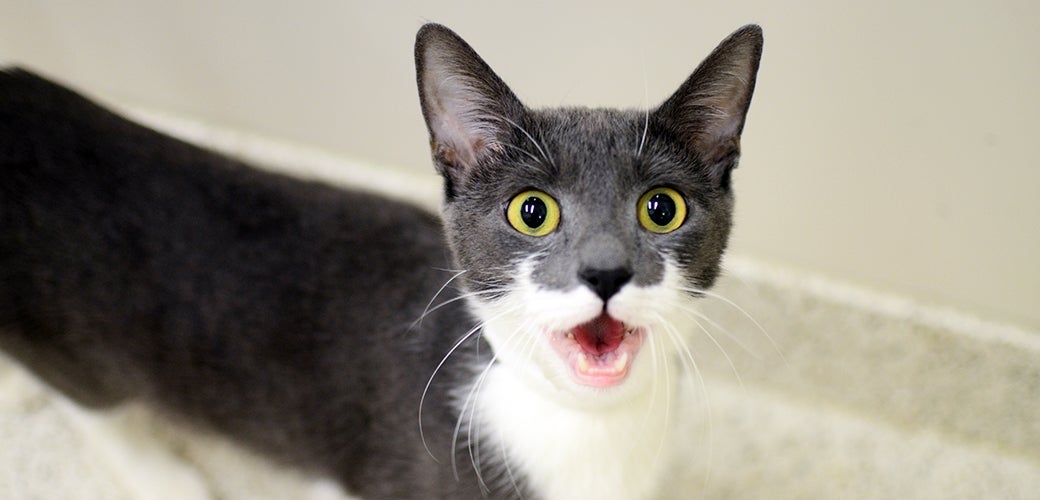
Image Source: www.aspca.org
Old Cat Behavior: Why Is My Old Cat Meowing So Much?
What is the main reason an older cat meows a lot? The primary drivers behind an older cat’s increased feline vocalization are often changes related to cat aging changes, including potential medical conditions, cognitive decline, or unmet needs. Can I help my cat stop meowing excessively? Yes, by identifying the underlying cause and providing appropriate support, you can often reduce or manage excessive meowing in senior cats.
As our beloved feline companions enter their golden years, their behavior can shift in noticeable ways. One of the most common and sometimes concerning changes is an increase in meowing. If you’ve found yourself asking, “Why is my old cat meowing so much?” you’re not alone. This heightened feline meowing can be a signal that something is different, and it’s our responsibility as pet parents to decipher these changes in older cat behavior.
Delving into the Reasons for Increased Feline Vocalization
The vocalizations of cats are a rich form of communication, and as they age, their reasons for “talking” can evolve. It’s not just a case of them wanting more attention; a symphony of factors contributes to this shift in feline vocalization.
Medical Mysteries Behind the Meows
One of the most crucial aspects to consider when your senior cat’s meowing increases is their health. Cat health issues are more prevalent in older cats, and meowing can be their way of communicating discomfort, pain, or other ailments.
Pain and Discomfort
Arthritis is a common ailment in senior cats, causing joint pain and stiffness. A cat experiencing this might meow more frequently, especially when trying to move, jump, or get comfortable. This is a clear sign of senior cat distress.
- Arthritis: Look for signs like reluctance to jump, stiffness, limping, or difficulty grooming.
- Dental Problems: Dental disease can cause significant pain in the mouth, leading to vocalizations, especially when eating.
- Digestive Issues: Nausea, constipation, or other gastrointestinal problems can also make cats uncomfortable and vocal.
- Hyperthyroidism: This common endocrine disorder in older cats can lead to increased appetite, weight loss, hyperactivity, and increased vocalization.
- Kidney Disease: Impaired kidney function can cause discomfort, nausea, and changes in behavior, including meowing.
- Urinary Tract Infections (UTIs): UTIs can cause pain and urgency during urination, leading to meowing, especially near the litter box.
- Vision or Hearing Loss: As cats age, their senses can decline. A cat with impaired vision might meow out of confusion or fear when they can’t see their surroundings clearly. Similarly, a cat with hearing loss might meow louder or more often because they can’t gauge the volume of their own voice.
Sensory Decline and Confusion
Changes in vision and hearing can lead to confusion and a feeling of vulnerability in senior cats. They might meow to orient themselves, seek reassurance, or alert you to their presence if they can’t see or hear as well as they used to. This can be a form of cat anxiety meowing.
Cognitive Dysfunction Syndrome (CDS)
Similar to dementia in humans, Cognitive Dysfunction Syndrome (CDS) is a neurodegenerative disease that affects older cats. It can manifest in various behavioral changes, including increased vocalization, particularly at night.
Common Signs of CDS:
- Disorientation: Cats with CDS may seem lost in familiar surroundings.
- Changes in Sleep-Wake Cycles: They might sleep more during the day and be restless or vocal at night.
- Social Interaction Changes: Some cats become more clingy, while others may withdraw.
- House Soiling: Accidents outside the litter box can occur.
- Increased Vocalization: This is a hallmark symptom, often described as meowing, crying, or yowling without an apparent reason.
Cats experiencing CDS may meow out of confusion, anxiety, or a feeling of being lost. Their internal clock may be disrupted, leading to nighttime vocalizations when they feel alone or disoriented. This is a significant form of senior cat distress that requires veterinary attention.
Emotional and Behavioral Factors
Beyond physical ailments, emotional and behavioral reasons can also drive increased feline meowing.
Loneliness and Need for Attention
Just like humans, senior cats can experience loneliness. If their routine has changed, or if they’ve lost a companion animal or human family member, they might meow to seek comfort and interaction. This is a direct indicator of a cat needs attention.
- Routine Changes: A shift in your work schedule or the household dynamic can leave a senior cat feeling neglected.
- Loss of Companions: If another pet or a person they were bonded with has passed away, the cat may vocalize due to grief and a desire for companionship.
- Boredom: While less common as a primary cause for excessive meowing in seniors, boredom can contribute, especially if their mental stimulation has decreased.
Anxiety and Stress
Changes in the environment, new pets, visitors, or even loud noises can trigger anxiety in cats, leading to cat anxiety meowing. Senior cats may be more sensitive to changes and have a harder time adapting.
- Environmental Stressors: Loud noises, moving furniture, or new people can be upsetting.
- Separation Anxiety: While more commonly associated with dogs, cats can also experience separation anxiety, meowing when left alone.
Resource Guarding or Demand Meowing
Sometimes, the meowing is a learned behavior. If a cat has learned that meowing results in immediate food, treats, or petting, they will continue to use this strategy, especially if they perceive a lack of their usual resources. This is a specific type of excessive cat meowing.
- Food Motivation: They might meow incessantly around feeding times or if their food bowl is empty.
- Play or Petting Demands: They might meow at you until you engage with them.
What to Do When Your Senior Cat Meows Excessively
When faced with increased feline vocalization from your senior cat, the most important first step is a thorough veterinary examination.
The Crucial Vet Visit
It cannot be stressed enough: the initial and most critical action is to schedule an appointment with your veterinarian. They can rule out or diagnose any underlying cat health issues.
What to expect during the vet visit:
- Physical Examination: The vet will check for signs of pain, arthritis, dental problems, and other physical ailments.
- Blood Work: This can help detect conditions like hyperthyroidism or kidney disease.
- Urinalysis: To check for UTIs or kidney function.
- Imaging (X-rays, Ultrasound): May be used to visualize internal organs or joints.
- Cognitive Assessment: The vet may ask you detailed questions about your cat’s behavior to assess for signs of CDS.
Interpreting the Causes: A Deeper Dive
Once medical causes are ruled out or addressed, you can focus on behavioral and environmental factors contributing to excessive cat meowing.
Addressing Medical Needs
If your vet identifies a health problem, they will recommend a treatment plan. This might include:
- Pain Management: Medications or supplements for arthritis.
- Dietary Changes: For kidney disease or hyperthyroidism.
- Dental Treatments: Cleaning or extractions for dental pain.
- Behavioral Medications: In cases of severe anxiety or CDS, medication might be prescribed.
Enhancing Comfort and Security
If the meowing stems from sensory decline or anxiety, creating a more supportive environment is key.
- Vision Impairment:
- Keep furniture and their belongings in the same place to minimize confusion.
- Use nightlights in common areas.
- Avoid moving objects that they might bump into.
- Hearing Impairment:
- Use visual cues (like a flashing light) to get their attention.
- Tap the floor to create vibrations they can feel.
- Speak in a clear, calm voice, even if they can’t hear you as well.
- Anxiety Reduction:
- Create quiet, safe spaces where they can retreat.
- Consider using Feliway diffusers, which release synthetic facial pheromones that can have a calming effect.
- Maintain a predictable routine as much as possible.
- Avoid sudden changes or loud noises.
Stimulating Their Minds and Bodies
Combatting boredom and cognitive decline often involves gentle mental and physical stimulation.
- Interactive Toys: Use toys that dispense treats or require problem-solving.
- Gentle Play Sessions: Short, regular play sessions can be beneficial, even if they are less active than they used to be.
- Puzzle Feeders: Make meal times more engaging.
- Social Interaction: Dedicate quality time each day for petting, grooming, and gentle conversation. This directly addresses a cat needs attention scenario.
Managing Cognitive Dysfunction Syndrome (CDS)
For cats diagnosed with CDS, management is key to improving their quality of life.
- Veterinary-Prescribed Diets: Specific diets formulated to support brain health are available.
- Supplements: Antioxidants and other supplements may be recommended.
- Environmental Enrichment: As mentioned above, keeping their environment stable and providing gentle stimulation is vital.
- Behavioral Modification: Working with your vet or a feline behaviorist can help manage the symptoms of CDS.
Responding to Demand Meowing
If you suspect your cat is meowing out of habit to get something, it’s important to respond strategically.
- Ignore the Meowing: If you are certain the meowing is purely for attention or demand, try to ignore it. This can be difficult, but consistency is key.
- Reward Quiet Behavior: When your cat is quiet, offer them attention or a treat. This reinforces the desired behavior.
- Predictable Feeding Schedule: Ensure they are fed at regular times and that their needs are met before they start demanding.
Fathoming Your Feline’s Communication
Your senior cat’s increased vocalization is a complex issue with many potential explanations. By approaching it systematically, starting with a veterinary check-up and then considering environmental and emotional factors, you can work towards improving your cat’s well-being and your peace of mind.
Table: Common Causes of Increased Meowing in Senior Cats
| Cause Category | Specific Reason | Potential Signs | Action Steps |
|---|---|---|---|
| Medical | Arthritis | Stiffness, reluctance to jump, vocalizing when moving | Veterinary consultation for pain management, joint supplements, soft bedding |
| Dental Disease | Bad breath, drooling, difficulty eating, vocalizing around food | Veterinary dental check-up and cleaning | |
| Hyperthyroidism | Increased appetite, weight loss, hyperactivity, increased vocalization | Veterinary blood work and treatment plan | |
| Kidney Disease | Increased thirst/urination, weight loss, lethargy, changes in vocalization | Veterinary blood work and urine analysis, specialized diet | |
| Vision/Hearing Loss | Disorientation, bumping into things, meowing to locate you | Environmental adjustments (nightlights, stable furniture), visual/vibrational cues | |
| Cognitive | Cognitive Dysfunction Syndrome | Disorientation, altered sleep patterns, increased vocalization (especially at night), social changes | Veterinary diagnosis, specialized diet, supplements, environmental enrichment, behavior modification |
| Behavioral/Emotional | Loneliness/Need for Attention | Meowing for interaction, seeking physical contact, vocalizing when alone | Increased quality time, gentle play, consistent affection, consider a companion animal (with caution) |
| Anxiety/Stress | Hiding, vocalizing with loud noises or changes, changes in litter box habits | Identify and mitigate stressors, Feliway diffusers, create safe spaces, predictable routine | |
| Demand Meowing | Meowing specifically around feeding times, for treats, or play; learned behavior | Ignore demand meows, reward quiet behavior, consistent feeding schedule, puzzle feeders |
Fathoming the Nuances of Feline Meowing Reasons requires patience, observation, and a proactive approach to your senior cat’s health and happiness. Their meows are their voice, and as they age, these calls for communication can become more frequent and complex. By attentively responding to these subtle (and sometimes not-so-subtle) signals, you can ensure your senior cat continues to live a comfortable and fulfilling life by your side.
Frequently Asked Questions (FAQ)
Q1: Is it normal for my old cat to meow more at night?
A1: Yes, it can be a common change in older cat behavior. This often relates to cat aging changes, such as Cognitive Dysfunction Syndrome (CDS), which can disrupt sleep-wake cycles, or sensory decline (vision/hearing loss) that causes disorientation and anxiety when the house is quiet and dark. It could also simply be them seeking attention or comfort when they feel alone.
Q2: My senior cat has started meowing for food constantly, even after eating. What should I do?
A2: This could indicate a few things. If they’re eating a lot but still losing weight, it might be hyperthyroidism, which requires a vet visit. Alternatively, it could be a learned behavior to get more food (demand meowing) or a sign of hunger due to an underlying medical condition affecting nutrient absorption. A vet can help determine the cause.
Q3: My old cat meows when I leave the room. Is this anxiety?
A3: It’s possible. Increased vocalization when you’re not present can be a sign of separation anxiety or simply a desire for your company. If the meowing is accompanied by other signs of distress, such as restlessness or loss of appetite when you’re away, it could indicate anxiety. Ensuring they have comfortable resting spots and enrichment while you’re gone might help.
Q4: My vet said my cat might have CDS. How can I help them cope with the increased meowing?
A4: Managing CDS involves a multi-faceted approach. Your vet may recommend a specialized diet or supplements to support brain health. You can also help by maintaining a consistent routine, creating a predictable and safe environment, providing gentle mental stimulation with interactive toys, and ensuring they have easy access to food, water, and litter boxes. Responding calmly and reassuringly to their meows can also help reduce their anxiety.
Q5: Can my cat’s hearing loss cause them to meow more loudly?
A5: Yes, a cat with diminished hearing may not be able to gauge the volume of their own voice, leading them to meow louder than usual. They might also meow more frequently because they can’t hear you or other household sounds, making them feel more isolated or prompting them to call out to locate you.