If you’re wondering, “Why is my cat so thirsty?”, it could be a sign of a simple change in diet or environment, or it might indicate an underlying health issue. This article will explore the common reasons for a cat drinking a lot of water, the signs to watch for, and what you can do to help.
It’s not uncommon for cats to show increased thirst, a condition known as polydipsia cat. While a slight increase might be normal, excessive thirst in cats can point to several cat health issues that require attention. Recognizing the signs of cat dehydration symptoms and the potential causes of increased thirst is crucial for your feline friend’s well-being.
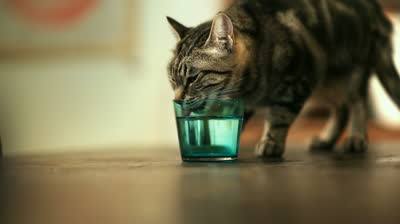
Image Source: metro-vet.com
Fathoming the Reasons Behind Increased Thirst
Several factors can contribute to your cat’s heightened need for water. Some are easily managed, while others signal a need for veterinary intervention.
Everyday Influences on Hydration
Life changes can impact a cat’s water intake. It’s important to consider these before worrying about serious conditions.
- Dietary Changes: Switching your cat from wet food to dry kibble significantly increases their water needs. Kibble contains much less moisture. Conversely, if your cat suddenly starts eating more wet food, their need for plain water might decrease.
- Environmental Factors: Hot weather naturally makes cats drink more. If you live in a warm climate or your home heating is set high, your cat may be trying to stay cool. Even increased activity or play can lead to greater thirst.
- Medications: Some medications, especially those that act as diuretics (increasing urine output) or corticosteroids, can cause a cat to drink more water as a side effect. Always read the medication’s leaflet or discuss potential side effects with your vet.
- Age: Older cats might drink more due to changes in their body’s ability to retain water. Kittens, especially when teething or in a growth spurt, might also show a slight increase in thirst.
Medical Culprits for Excessive Drinking
When everyday factors don’t explain the increased thirst, it’s time to consider potential medical causes. These are often more serious and require professional diagnosis.
- Kidney Disease in Cats: This is one of the most common reasons for a cat drinking a lot of water. The kidneys play a vital role in filtering waste and balancing fluids. When they are diseased, they lose their ability to concentrate urine, leading to more water loss. This loss triggers the cat’s thirst response to compensate. Kidney disease in cats can progress slowly, and increased thirst might be one of the first noticeable signs.
- Diabetes Mellitus in Cats: Similar to humans, cats can develop diabetes. In this condition, the body doesn’t produce enough insulin or can’t use it effectively. This leads to high blood sugar levels. The body tries to get rid of excess sugar through urine, which in turn draws more water from the body, causing increased thirst and urination.
- Hyperthyroidism in Cats: This condition occurs when the thyroid gland produces too much thyroid hormone. This hormone speeds up the body’s metabolism. An increased metabolism can lead to increased appetite, weight loss despite eating, and increased thirst and urination.
- Feline Urinary Tract Infection (UTI): While less common as a primary cause of excessive thirst, a UTI can cause discomfort and inflammation in the urinary system. This can sometimes lead to increased urination, which, in a bid to flush out the infection or due to irritation, might be accompanied by a slightly increased thirst. However, other symptoms like straining to urinate, blood in the urine, or crying out during urination are more typical signs.
- Liver Disease: Problems with the liver can also affect fluid balance and waste removal, potentially leading to increased thirst.
- Certain Cancers: Some types of cancer can impact kidney function or hormone production, indirectly causing increased thirst.
- Pyometra (Uterine Infection in Unspayed Females): This is a serious infection of the uterus that can cause a cat to drink and urinate more. It’s a medical emergency.
Identifying the Signs: What to Watch For
Beyond just noticing your cat at the water bowl more often, several other signs can accompany excessive thirst. These are important clues for you and your veterinarian.
Direct Indicators of Increased Thirst
- Constantly at the Water Bowl: Your cat spends an unusual amount of time drinking or frequently visits their water source.
- Empty Water Bowl: You find yourself refilling the water bowl much more frequently than before.
- Seeking Other Water Sources: Your cat starts drinking from faucets, shower stalls, toilet bowls, or even from glasses of water left out. This suggests they are trying to get more fluids than their usual source is providing.
Other Accompanying Symptoms
- Increased Urination: This often goes hand-in-hand with increased thirst. You might notice larger or more frequent clumps in the litter box.
- Changes in Appetite: Some conditions causing increased thirst, like diabetes or hyperthyroidism, can also lead to a significant increase in appetite. Others, like advanced kidney disease, might cause a decrease in appetite.
- Weight Loss: Despite eating more, a cat with conditions like hyperthyroidism or diabetes may lose weight due to their sped-up metabolism. Unexplained weight loss is always a concern.
- Vomiting or Diarrhea: These can contribute to dehydration and lead to increased thirst. They can also be symptoms of underlying diseases.
- Lethargy or Weakness: A cat that feels unwell due to an underlying condition might become less active and appear weak.
- Poor Coat Condition: Dehydration can affect the quality of a cat’s fur, making it look dull or unkempt.
- Bad Breath: Particularly in diabetic cats, a sweet or fruity odor to the breath can be present.
Deciphering Cat Dehydration Symptoms
While increased thirst aims to combat dehydration, if the underlying cause isn’t addressed or the fluid loss is too rapid, dehydration can still occur. Watch for these cat dehydration symptoms:
- Lethargy: A noticeable lack of energy.
- Sunken Eyes: The eyes may appear to recede slightly into their sockets.
- Dry Gums and Nose: The mouth and nose should normally be moist. Dryness is a warning sign.
- Loss of Skin Elasticity: Gently pinch the skin on your cat’s back. In a well-hydrated cat, it should spring back quickly. If it remains tented or returns slowly, it’s a sign of dehydration.
- Panting: Cats don’t typically pant unless they are extremely hot, stressed, or experiencing a serious medical issue.
- Weakness: Difficulty moving or standing.
Taking Action: Solutions and Veterinary Care
When you suspect your cat is excessively thirsty, the most important step is to consult your veterinarian. They can diagnose the cause and recommend the best course of action.
At-Home Strategies to Encourage Hydration
While waiting for a vet appointment or as part of an ongoing treatment plan, you can implement strategies to ensure your cat is getting enough fluids.
- Provide Fresh, Clean Water: Ensure water is always available in clean bowls. Wash bowls daily to prevent bacteria buildup.
- Multiple Water Sources: Place several water bowls in different locations around your home. Some cats prefer to drink away from their food.
- Try Different Bowl Types: Some cats dislike plastic bowls, which can retain odors. Try ceramic, glass, or stainless steel bowls.
- Water Fountains: Many cats are attracted to running water. A pet water fountain can encourage more drinking.
- Add Water to Food: If your cat eats wet food, add a little extra water to it. For dry food eaters, you can try softening the kibble with a small amount of warm water (ensure it’s not too hot).
- Offer Broth: Unsalted, plain chicken or bone broth (ensure no onion or garlic) can be offered in moderation as a tasty way to increase fluid intake.
The Veterinarian’s Role: Diagnosis and Treatment
Your vet will perform a thorough physical examination and may recommend several diagnostic tests.
Diagnostic Tests to Expect
- Physical Examination: The vet will check your cat’s overall health, including their hydration status, gums, eyes, and coat.
- Blood Work:
- Complete Blood Count (CBC): Checks for infection, anemia, and overall cell health.
- Serum Chemistry Panel: Evaluates organ function (kidneys, liver), blood sugar levels, electrolytes, and protein levels. This is crucial for identifying diabetes, kidney disease, and liver issues.
- Urinalysis:
- Measures urine concentration (specific gravity), which is a key indicator of kidney function.
- Checks for the presence of sugar (glucosuria), protein, blood, or bacteria, which can point to diabetes, kidney disease, or urinary tract infections.
- Thyroid Testing: A blood test to measure thyroid hormone levels (T4) is essential if hyperthyroidism is suspected.
Treatment Approaches Based on Diagnosis
The treatment will depend entirely on the underlying cause:
- Kidney Disease: Treatment often involves supportive care to slow progression. This may include:
- Specialized Diet: Prescription diets low in phosphorus and protein, but high in beneficial nutrients.
- Fluid Therapy: Subcutaneous (under the skin) fluids may be administered at home or at the clinic to combat dehydration.
- Medications: Drugs to manage blood pressure, appetite, and nausea.
- Diabetes Mellitus:
- Insulin Therapy: Daily injections of insulin are typically required.
- Dietary Management: A specific diabetic diet, often high in protein and low in carbohydrates, is prescribed.
- Monitoring: Regular blood sugar monitoring is essential.
- Hyperthyroidism:
- Medication: Oral or transdermal medications to control thyroid hormone production.
- Radioactive Iodine Therapy: A common and often curative treatment.
- Surgery: Removal of the affected thyroid gland.
- Diet: A prescription diet can also be used in some cases.
- Feline Urinary Tract Infection (UTI):
- Antibiotics: A course of antibiotics is usually prescribed to clear the infection.
- Pain Relief: Medications may be given to manage discomfort.
- Dietary Changes: Sometimes, a special urinary diet can help prevent future infections.
- Other Conditions: Treatment will be tailored to the specific diagnosis, whether it’s liver support, cancer treatment, or management of other systemic diseases.
Prognosis and Long-Term Management
The outlook for a cat with increased thirst depends on the underlying cause and how quickly it is diagnosed and treated.
- Early Detection is Key: For chronic conditions like kidney disease, diabetes, and hyperthyroidism, early diagnosis and consistent management can significantly improve a cat’s quality of life and extend their lifespan.
- Lifelong Management: Conditions such as diabetes and chronic kidney disease are often lifelong and require ongoing veterinary care, specific diets, and sometimes medication.
- Monitoring: Even after treatment, regular veterinary check-ups are crucial to monitor your cat’s health and adjust treatment as needed.
Frequently Asked Questions (FAQ)
Q1: How much water should a cat drink per day?
A1: A general guideline is about 3.5 to 4.5 ounces (100-130 ml) of water per 5 pounds (2.3 kg) of body weight per day. This includes water from both their drinking bowl and their food. Cats on a wet food diet will drink less plain water than those on dry kibble.
Q2: Can stress cause a cat to drink more water?
A2: While stress can cause changes in behavior, including drinking habits, it’s not typically a primary cause of excessive thirst. However, a stressed cat might seek out water sources more often, especially if they feel insecure or are trying to soothe themselves. It’s always best to rule out medical causes first.
Q3: My cat only drinks from the faucet. Is this a problem?
A3: It can be inconvenient, but if it’s the only way to ensure your cat drinks enough, it’s generally not a major problem unless the water source is unsanitary. Many cats prefer running water because it’s fresher and oxygenated. Consider getting a pet water fountain to mimic this. However, if this behavior started suddenly or is excessive, it could still be a symptom of an underlying issue.
Q4: Is it normal for my cat to drink more after eating dry food?
A4: Yes, it’s very normal. Dry food has a very low moisture content. Cats that eat primarily kibble need to drink more water to stay hydrated. If you switch your cat from wet to dry food, you should expect their water intake to increase significantly.
Q5: My cat is elderly and drinking a lot. Is this just old age?
A5: While some changes in hydration can occur with age, excessive thirst in cats, especially in seniors, is a strong indicator of potential age-related health problems like kidney disease or diabetes. It’s crucial for an elderly cat showing increased thirst to be examined by a veterinarian.
By being observant of your cat’s drinking habits and recognizing accompanying symptoms, you can play a vital role in ensuring their health and well-being. When in doubt, a prompt visit to your veterinarian is always the most prudent course of action.