
Your cat having trouble pooping, or experiencing constipation, means they are struggling to pass stools. This can manifest as straining to defecate, producing hard stools, or experiencing difficult bowel movements. If your cat is exhibiting these signs, it’s crucial to seek veterinary advice promptly, as it can indicate a range of underlying issues from minor dietary problems to more serious medical conditions.
Feline digestive systems are sensitive, and disruptions to their normal bowel function can be a significant indicator of their overall health. When a cat is having difficulty pooping, it can be distressing for both the pet and their owner. This article delves into the common reasons behind a cat’s struggle with defecation, exploring various causes and offering practical solutions to help your feline friend regain a healthy digestive rhythm. We will examine factors affecting cat stool consistency, common cat bowel issues, and what to do if your cat is experiencing blockages, irregular defecation, or painful defecation.
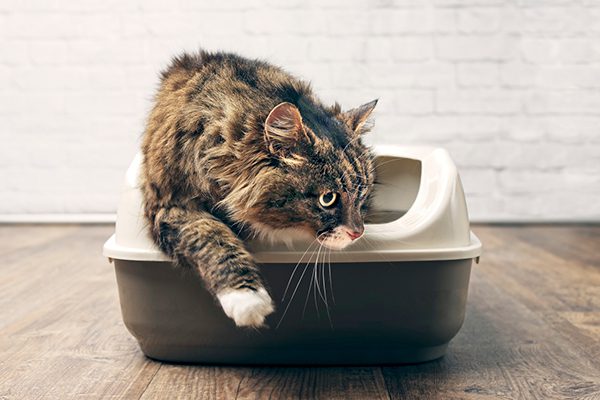
Image Source: companionop.com
Deciphering the Causes of Difficult Bowel Movements in Cats
Several factors can contribute to a cat’s struggle to poop. Recognizing these causes is the first step towards providing effective relief and preventing future occurrences.
Dehydration: The Silent Culprit
One of the most common reasons for constipation in cats is simply not drinking enough water. Cats are desert animals by nature, and their evolutionary history has led them to derive much of their water from their prey. In a domestic setting, especially with dry kibble diets, this instinctual water intake often falls short. When a cat is dehydrated, their body absorbs more water from the colon, leading to hard stools that are difficult to pass.
- How dehydration impacts stool: Reduced water content in the colon makes the feces dry, dense, and firm. This hardening makes it challenging for the intestinal muscles to move the stool along, resulting in difficult bowel movements.
- Signs of dehydration: Lethargy, dry gums, sunken eyes, reduced skin elasticity (when you gently pinch the skin on their back, it doesn’t snap back quickly).
Diet and Fiber Intake
A cat’s diet plays a pivotal role in their digestive health. A diet lacking in fiber or one that is too high in processed ingredients can lead to constipation.
- Low Fiber: Fiber adds bulk to the stool and helps it retain moisture, making it easier to pass. A diet consisting solely of dry food might not provide enough fiber for some cats.
- High Fiber: Conversely, a sudden increase in fiber or a diet with too much indigestible material can also lead to irregular defecation or even blockages.
- Digestive Sensitivities: Some cats may have food sensitivities or allergies that affect their gut motility, contributing to cat bowel issues.
Lack of Physical Activity and Mobility Issues
Exercise is crucial for stimulating the digestive tract and promoting regular bowel movements. Cats that are less active, overweight, or elderly may experience slower gut motility.
- Reduced Gut Motility: Physical activity helps to move food and waste through the intestines. A sedentary lifestyle can lead to a sluggish digestive system and constipation.
- Arthritis and Pain: Older cats or those with arthritis may find it physically uncomfortable or painful to squat in the litter box. This discomfort can lead to them avoiding defecation altogether, which then exacerbates the problem, resulting in hard stools and painful defecation.
- Obesity: Overweight cats often lead more sedentary lives, which can contribute to digestive slowdown.
Stress and Behavioral Factors
Cats are sensitive creatures, and stress can significantly impact their digestive system. Changes in their environment, routine, or social dynamics can trigger stress, leading to irregular defecation.
- Litter Box Aversion: A dirty litter box, a change in litter type, or an unpleasant experience in the litter box can make a cat reluctant to defecate. They might associate the litter box with something negative, leading to them holding it in. This can contribute to constipation and straining to defecate.
- Environmental Changes: Moving to a new home, the introduction of a new pet or person, or even loud noises can cause stress.
- Anxiety: Some cats are naturally more anxious, which can manifest as digestive upset.
Medical Conditions
While dietary and behavioral factors are common, cat bowel issues can also stem from more serious medical conditions.
- Kidney Disease: Chronic kidney disease can lead to dehydration, which in turn causes constipation.
- Hyperthyroidism: This condition can sometimes cause diarrhea, but in some cats, it can lead to irregular defecation or constipation due to changes in gut motility.
- Neurological Disorders: Conditions affecting the nerves that control bowel function can lead to difficult bowel movements.
- Inflammatory Bowel Disease (IBD): IBD can cause a range of digestive symptoms, including both diarrhea and constipation.
- Megacolon: This is a serious condition where the colon becomes abnormally enlarged and loses its ability to effectively propel feces. This often results in severe constipation and fecal impaction.
- Tumors or Obstructions: Growths within the intestinal tract or foreign bodies can cause blockages, preventing the passage of stool and leading to painful defecation.
- Anal Gland Issues: Problems with the anal glands can cause discomfort and pain when defecating, leading cats to avoid the litter box.
Medications
Certain medications can have side effects that include constipation.
- Pain Medications: Opioid pain relievers, in particular, can slow down gut motility.
- Diuretics: Medications used to increase urination can contribute to dehydration if not managed carefully.
- Antacids and Other Gastrointestinal Drugs: Some medications aimed at treating digestive issues can paradoxically cause constipation in certain individuals.
Recognizing the Signs of a Cat Having Trouble Pooping
Observing your cat’s behavior and bathroom habits is crucial for early detection. Signs of constipation or difficulty defecating can range from subtle to obvious.
Subtle Indicators
- Reduced Stool in Litter Box: You might notice less stool than usual in the litter box over a day or two.
- Straining with Little or No Result: Your cat may spend a prolonged period in the litter box, often in a squatting position, exhibiting signs of straining to defecate but passing very little or no stool.
- Vomiting: When a cat is severely constipated, the backed-up material in their intestines can cause nausea and vomiting.
- Lethargy and Decreased Appetite: The discomfort and potential pain associated with difficult bowel movements can make your cat feel unwell, leading to reduced energy levels and a loss of appetite.
- Abdominal Discomfort: Your cat might yelp or react negatively if you try to touch their abdomen.
- Hiding: Unwell cats often seek solitude. If your cat is hiding more than usual, it could be a sign of distress.
Overt Signs of Distress
- Crying or Vocalizing in the Litter Box: This is a clear indication of painful defecation.
- Hard, Dry Stools: When stool is eventually passed, it will be small, hard, and dry, often appearing as small pebbles.
- Blood in Stool or on Paper: Straining can cause small tears in the anal canal, leading to blood.
- Inability to Pass Stool for More Than 48-72 Hours: This is a serious concern and requires immediate veterinary attention.
- Firm, Distended Abdomen: You may be able to feel hard fecal matter in your cat’s abdomen.
Assessing Cat Stool Consistency
A healthy cat stool is typically well-formed, moist, and easily passed. Veterinarians often use a stool consistency scale to categorize what is normal and what indicates a problem.
Table 1: Feline Stool Consistency Scale
| Grade | Description | Appearance | Health Implication |
|---|---|---|---|
| 1 | Very hard, dry, small, pebble-like | Small, round, firm balls | Severe constipation, dehydration, hard stools |
| 2 | Firm, but still somewhat moist; forms a log shape | Moderately firm log or segmented log | Mild constipation, needs more fiber/water |
| 3 | Soft, moist, but holds shape; easily formed | Well-formed log, easily scooped | Normal cat stool consistency |
| 4 | Very soft, mushy, retains shape poorly | Blob-like, does not hold shape | Early diarrhea, potential dietary upset |
| 5 | Liquid, no shape | Watery, spreads out | Diarrhea, significant gastrointestinal upset |
Cats experiencing constipation typically fall into grades 1 and 2. Repeatedly observing stools in these categories is a strong indicator of cat bowel issues.
Solutions for Cats Having Trouble Pooping
The approach to resolving constipation in cats depends on the underlying cause and severity.
Home Care and Dietary Adjustments
For mild cases of constipation, home care and dietary changes can often be effective.
- Increase Water Intake:
- Provide fresh, clean water at all times.
- Use multiple water bowls in different locations.
- Consider a pet drinking fountain, as many cats prefer running water.
- Switch to or supplement with wet food, which has a much higher moisture content than dry kibble.
- Add a little extra water or low-sodium chicken broth to your cat’s wet food.
- Dietary Fiber:
- Introduce a fiber supplement specifically formulated for cats, such as psyllium husk powder, gradually. Start with a very small amount mixed into their food.
- Consider a prescription diet designed for digestive health, which often contains increased fiber.
- Promote Activity:
- Engage your cat in interactive play sessions daily using toys like feather wands or laser pointers.
- Provide climbing structures and puzzle feeders to encourage movement.
Veterinary Interventions
If home care does not resolve the issue or if your cat is showing signs of severe discomfort or illness, veterinary intervention is essential.
- Laxatives and Stool Softeners: Your veterinarian may prescribe mild laxatives or stool softeners specifically for cats. Never give your cat human laxatives or enemas without veterinary guidance, as these can be toxic and cause serious harm.
- Lactulose is a common osmotic laxative prescribed for cats.
- Docusate sodium is a stool softener that can help make stool easier to pass.
- Enemas: In cases of severe constipation or fecal impaction, a veterinarian may administer a safe enema to help soften and lubricate the impacted stool. This is a procedure that should only be performed by a trained professional.
- Fluid Therapy: If dehydration is a significant factor, subcutaneous or intravenous fluids may be administered to rehydrate your cat.
- Manual Decompaction: In extreme cases of fecal impaction, manual removal of the stool under anesthesia may be necessary.
- Treating Underlying Medical Conditions: If the constipation is a symptom of a larger medical issue, such as kidney disease or megacolon, the primary condition will need to be treated. This might involve medication, dietary changes, or surgery.
- Probiotics: Probiotics can help improve gut health and motility, which may be beneficial for some cats experiencing cat bowel issues.
Managing and Preventing Future Constipation
Once your cat has recovered from an episode of constipation, implementing preventative measures can help maintain healthy bowel function.
Maintaining Optimal Hydration
- Continue to encourage water intake through various methods mentioned previously.
- Monitor your cat’s urine output and frequency of urination, as this can also be an indicator of hydration status.
Balanced Diet and Gradual Changes
- Feed a high-quality diet that is appropriate for your cat’s age and health status.
- If switching foods, do so gradually over a week to 10 days to allow their digestive system to adjust.
- Incorporate wet food into their diet if they primarily eat dry kibble.
Regular Exercise and Weight Management
- Maintain a consistent exercise routine for your cat.
- Ensure your cat maintains a healthy weight through diet and exercise to prevent obesity-related digestive slowdown.
Stress Reduction and Litter Box Hygiene
- Provide a clean and accessible litter box. Scoop daily and change litter regularly.
- Ensure there are enough litter boxes for the number of cats in the household (rule of thumb: one litter box per cat plus one extra).
- Minimize stressors in your cat’s environment. Provide safe spaces and predictable routines.
Regular Veterinary Check-ups
- Routine veterinary check-ups allow your vet to monitor your cat’s overall health, including their digestive function. Early detection of potential issues can prevent more serious problems from developing.
When to Seek Immediate Veterinary Care
It’s crucial to know when your cat’s difficulty pooping is an emergency.
- If your cat has not passed stool for more than 72 hours.
- If your cat is showing signs of severe pain, such as crying out or extreme lethargy.
- If your cat is vomiting repeatedly, especially if accompanied by abdominal pain.
- If you notice blood in the stool or around the anus.
- If your cat’s abdomen feels very hard and distended.
These symptoms can indicate a severe blockage or fecal impaction, which can be life-threatening if not treated promptly. Delaying veterinary care in these situations can lead to serious complications, including intestinal rupture or organ damage.
Frequently Asked Questions (FAQ)
How long can a cat go without pooping?
While a healthy cat typically defecates once or twice a day, it’s not uncommon for them to skip a day occasionally. However, if your cat has not passed stool for more than 48-72 hours, it is considered abnormal and warrants veterinary attention. Going much longer than this can be dangerous.
Can I give my cat a laxative?
Never give your cat any human laxatives or over-the-counter stool softeners without consulting your veterinarian first. Many human medications are toxic to cats, and even those considered safe can be harmful if given in the wrong dosage or for the wrong condition. Your vet can recommend a safe and effective product specifically for feline use.
What are the signs of a blockage in a cat?
Signs of a blockage can include repeated vomiting (especially after eating or drinking), lethargy, loss of appetite, abdominal pain, bloating, and an inability to pass stool or gas. A blockage is a medical emergency.
My cat is straining to defecate but not pooping. What should I do?
Straining to defecate without producing stool is a common sign of constipation. Check if the litter box is clean and if there are any obvious changes in your cat’s behavior or diet. Increase their water intake if possible. However, if the straining continues for more than a day or two, or if your cat shows other signs of distress, it’s essential to contact your veterinarian.
How can I tell if my cat is constipated?
Look for changes in their litter box habits: less frequent defecation, small and hard stools, and prolonged or repeated straining in the litter box. You might also notice lethargy, decreased appetite, or abdominal discomfort.
Is there a link between diet and cat bowel issues?
Yes, diet is a major factor. A diet low in fiber, insufficient water intake (especially with dry food), and poor-quality ingredients can all contribute to constipation. Conversely, sudden changes in diet or the introduction of too much fiber can also cause digestive upset.
By staying attentive to your cat’s well-being and understanding the potential causes and solutions for constipation and difficult bowel movements, you can help ensure your feline companion enjoys a healthy and comfortable life.