
Does your cat suddenly emit a low rumble, a sound that seems to come from nowhere? If your cat is growling, it’s almost certainly not for “no reason.” While it might appear that way to you, your feline friend is communicating a clear message. What is a cat growling trying to tell you? It’s a sign of distress, discomfort, or a warning that they feel threatened. Can you ignore a growling cat? No, you should never ignore a growling cat, as it signifies a potential problem.
Cats are masters of subtle cat communication, and their vocalizations are rich with meaning. A growl, in particular, is a serious signal. It’s a low, guttural sound, often accompanied by other body language cues. It’s crucial to learn to read these signals to maintain a healthy relationship with your pet and ensure their well-being. This post will delve into the various reasons why your cat might be growling, even when it seems like there’s nothing there. We’ll explore the underlying causes, from simple discomfort to more serious issues, helping you decipher these important feline vocalizations.
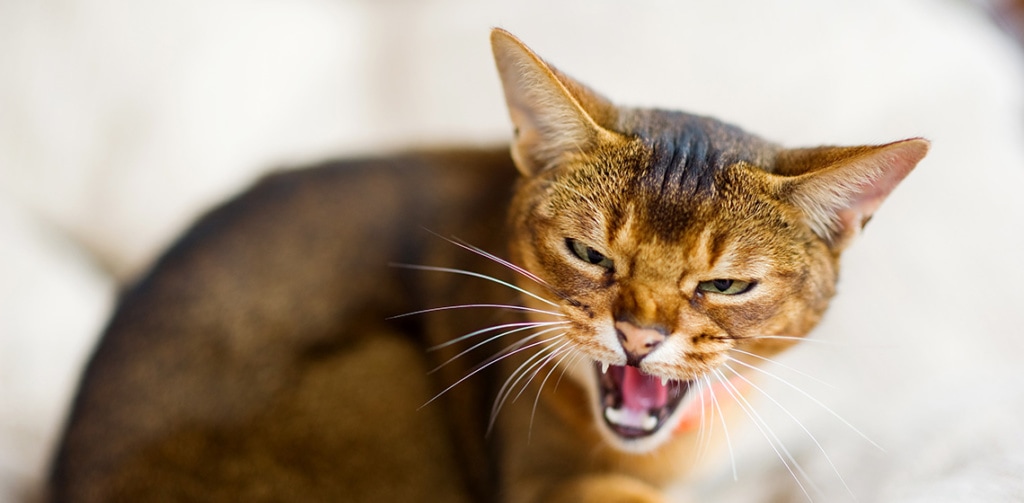
Image Source: thevets.com
Fathoming the Growl: What Your Cat Is Saying
A cat’s growl is an unmistakable sound. It’s deeper and more resonant than a purr, carrying a distinct tone of displeasure. It’s not just a sound; it’s a signal that your cat feels something is wrong. This might be because they are feeling cat defensive, cat stressed, or experiencing cat pain. The absence of an obvious trigger in your perception doesn’t mean the trigger isn’t present from your cat’s perspective.
Decoding the Growl’s Purpose
- Warning: The most common reason for a cat’s growl is to warn others away. This can be directed at other animals, people, or even objects.
- Discomfort: A cat might growl if it’s experiencing physical discomfort or illness.
- Fear: If a cat feels threatened or scared, it will often growl to express its fear and create distance.
- Territoriality: Cats are territorial creatures. Growling can be a sign that they are protecting their space.
Common Triggers for Cat Growling
When you hear your cat growling, the first step is to observe the context. What is happening around your cat? Who or what is present? This context is key to pinpointing the reason behind the growl.
1. Pain and Discomfort: The Silent Scream
One of the most critical reasons a cat might growl is cat pain. Even if your cat appears healthy, internal issues can cause them to feel unwell. If a cat is in pain, any touch or movement that exacerbates the discomfort can elicit a growl.
Physical Ailments to Consider
- Injuries: A fall, a fight with another animal, or even a minor accident can lead to sprains, fractures, or internal injuries.
- Arthritis: Older cats often suffer from arthritis, which can make movement painful.
- Dental Problems: Toothaches or gum disease can cause significant discomfort, making it painful for them to eat or be touched around the face.
- Gastrointestinal Issues: Stomach upset or bowel problems can lead to discomfort and a grumpy disposition.
- Urinary Tract Infections: These can be incredibly painful and lead to behavioral changes.
If you suspect your cat is in pain, a vet visit is essential. They can diagnose the problem and offer pain relief.
2. Fear and Anxiety: Feeling Threatened
Cats are highly sensitive creatures. When they feel threatened or scared, they often resort to growling as a defense mechanism. This is a way to tell the perceived threat to back off. This fear can stem from various sources.
Sources of Fear in Cats
- Unfamiliar People or Animals: New visitors, especially those who are loud or make sudden movements, can be frightening.
- Loud Noises: Thunderstorms, fireworks, vacuum cleaners, or even dropped objects can trigger fear.
- Changes in Environment: Moving to a new home, rearranging furniture, or the introduction of a new pet can cause anxiety.
- Past Trauma: Cats that have experienced abuse or neglect may be more prone to fear and aggression.
When a cat is cat fear-driven, they may also exhibit other signs like dilated pupils, flattened ears, and a hunched posture.
3. Territoriality: Guarding Their Domain
Cats are naturally territorial. They mark their territory with scent glands and will defend it fiercely against perceived intruders. This is a significant reason for cat territorial growling.
Territorial Disputes
- Other Cats: If another cat enters their territory, whether inside or outside the home, it can trigger aggressive growling. This is especially common with unneutered males.
- New Pets: Introducing a new cat or dog can lead to territorial disputes, with each animal trying to establish dominance and claim resources.
- Unfamiliar Smells: Even the scent of another animal on your clothing can be enough to make your cat feel insecure and territorial.
Table 1: Signs of Territorial Aggression
| Behavior | Description |
|---|---|
| Growling | Low, guttural vocalization |
| Hissing | Sharp, expelled breath sound |
| Spitting | Short, sharp vocalizations with open mouth |
| Swatting | Quick strikes with claws extended |
| Lunging | Forward movement to attack |
| Staring | Intense, unwavering eye contact |
| Tail Thumping | Rapid, agitated movement of the tail |
| Raised Hackles | Fur standing on end along the back |
| Arched Back | Body posture to appear larger |
4. Stress and Overstimulation: Too Much of a Good Thing
Sometimes, a cat might growl simply because they are cat stressed or overstimulated. What might seem like a gentle petting session to you could be overwhelming for your cat if it goes on for too long or is in a sensitive spot.
Signs of Stress and Overstimulation
- During Petting: Your cat might initially enjoy petting, but then start growling if you continue after they’ve had enough. They might twitch their skin, flick their tail, or turn their head away before growling. This is a crucial part of cat communication that many owners miss.
- Crowded Environments: If your cat is in a situation with too many people, other animals, or a lot of noise, they might become overwhelmed and growl.
- Forced Interaction: If you’re trying to hold a cat that wants to be free, or forcing them into a carrier, they may growl to express their frustration and desire to escape.
It’s important to learn your cat’s individual limits and respect their boundaries. If they signal they’ve had enough, stop the interaction.
5. Play Aggression: When Play Turns Sour
Young cats, especially kittens, can sometimes exhibit play aggression. This is when their playful energy turns into something more intense, leading to growling, biting, and scratching. This is a form of cat aggressive behavior that can be redirected.
Redirecting Play Aggression
- Provide Appropriate Toys: Ensure your cat has plenty of stimulating toys they can pounce on, chase, and “kill.”
- Interactive Play: Engage your cat in regular play sessions with wand toys or laser pointers (use with caution, ending the session with a tangible reward).
- Avoid Using Hands: Never use your hands or feet as toys, as this teaches them that human limbs are acceptable targets.
- Consistent Correction: When play becomes too rough, a sharp “ouch” or a brief timeout can help them learn.
6. Medical Conditions: Beyond the Obvious
While we’ve touched on pain, some medical conditions can manifest as behavioral changes, including growling. These are less about immediate pain and more about a general feeling of unwellness or neurological changes.
Underlying Health Issues
- Cognitive Dysfunction Syndrome (CDS): Similar to dementia in humans, CDS can affect older cats, leading to confusion, anxiety, and irritability, which can result in growling.
- Hyperthyroidism: This condition can make cats anxious and more prone to aggression.
- Neurological Disorders: Seizures or other neurological issues can sometimes cause uncharacteristic vocalizations and aggression.
If your cat’s growling is a new behavior, especially in an older cat, or if it’s accompanied by other unusual symptoms, a veterinary check-up is crucial.
7. Resource Guarding: Protecting Valuables
Cats can exhibit resource guarding, meaning they growl to protect things they value, such as food, favorite resting spots, or even their owners. This is a primal instinct to ensure their survival and well-being.
What Cats Might Guard
- Food Bowls: A cat might growl at another pet or person approaching while they are eating.
- Prime Resting Spots: A sunbeam, a favorite chair, or a cozy bed can become objects of guarding.
- Their Owners: Some cats can become possessive of their humans and growl if another pet or person gets too close.
Table 2: Distinguishing Between Growling Types
| Type of Growl | Associated Body Language | Likely Cause | What to Do |
|---|---|---|---|
| Pain-Induced | Tensed body, flinching, possibly limping | Injury, illness | Vet visit immediately. Avoid touching the sore area. |
| Fear-Based | Dilated pupils, flattened ears, tucked tail, crouching | Threat, loud noise, new situation | Remove the cat from the stressful situation, provide a safe space, avoid forcing interaction. |
| Territorial | Stiff posture, puffed fur, direct stare, tail held high | Intruder in territory | Identify the intruder (another pet, animal outside). Provide more resources, separate pets. |
| Stress/Overstim. | Twitching skin, tail flicking, trying to move away | Too much petting, noise, activity | Stop the interaction, give the cat space, reduce environmental stimuli. |
| Resource Guarding | Stiffening, staring at the resource, blocking access | Protecting food, bed, owner | Ensure adequate resources for all pets, feed separately, don’t disturb while eating. |
When to Be Concerned: Signs It’s More Than Just Annoyance
While occasional growling due to a specific trigger is normal cat behavior, there are times when it signals a more serious problem that requires professional attention.
Red Flags to Watch For
- Sudden Onset: If your cat, who has never growled before, suddenly starts doing so without any apparent reason, it could indicate an underlying medical issue.
- Persistent Growling: If the growling is constant or occurs frequently without clear triggers, it suggests ongoing stress, pain, or anxiety.
- Aggression Beyond Growling: If the growling escalates to cat hissing, spitting, swatting, or biting, it indicates a higher level of distress and potential danger.
- Changes in Other Behaviors: If the growling is accompanied by changes in appetite, litter box habits, grooming, or activity levels, it’s a strong indicator of a health problem.
- Growling During Touch: If your cat growls whenever you try to touch or pick them up, even in areas they previously enjoyed being petted, this could be a sign of cat pain.
Seeking Veterinary Advice
If you notice any of these red flags, it’s imperative to schedule an appointment with your veterinarian. They can perform a thorough physical examination, run diagnostic tests, and help identify the root cause of the growling, whether it’s medical, behavioral, or a combination of both.
How to Respond to a Growling Cat
Your reaction to a growling cat is crucial. A panicked or aggressive response can escalate the situation, while a calm and empathetic approach can help de-escalate it.
Your Role in De-escalation
- Stay Calm: Avoid yelling or making sudden movements. Speak in a soft, soothing voice.
- Respect Their Space: Do not try to force interaction or confront the cat. Give them room to retreat and calm down.
- Identify and Remove the Trigger: If you can identify what is causing the growling, try to remove it from the environment or remove your cat from the situation.
- Don’t Punish: Punishing a growling cat will only increase their fear and anxiety, making the problem worse.
- Offer a Safe Haven: Ensure your cat has access to a quiet, safe place where they can feel secure, such as a cat bed, a covered carrier, or a high perch.
When Professional Help is Needed
Beyond veterinary care, if the growling stems from behavioral issues like severe anxiety or aggression, consulting a certified animal behaviorist or a feline behavior specialist can be incredibly beneficial. They can help create a tailored plan to address the underlying causes and improve your cat’s quality of life.
Frequently Asked Questions (FAQ)
Q1: Can a cat growl when it’s happy?
A: No, a cat’s growl is almost exclusively a negative vocalization. While cats can make a variety of sounds, a growl is a clear indicator of distress, fear, or territoriality. Happy sounds typically include purring, meowing, and chirping.
Q2: My cat growls at me when I try to pet him. What does this mean?
A: This usually indicates that your cat is either feeling fearful, stressed, or is experiencing pain that makes touch uncomfortable. It could also be a sign of overstimulation during petting. Pay attention to their body language – if their ears are back, pupils dilated, or tail twitching, they’re signaling their discomfort. It’s important to respect their boundaries and stop petting. If this is a new behavior, it’s advisable to consult a veterinarian to rule out any underlying medical issues like cat pain.
Q3: My cat is growling at the door. Is it because of another cat outside?
A: Yes, this is a very common reason for cat territorial growling. Cats are highly sensitive to the scents and presence of other cats in their perceived territory. Even if you can’t see another cat, your cat can likely sense it and is growling as a warning to the intruder. Ensure your cat has access to high perches or safe spaces where they feel secure from perceived threats.
Q4: My kitten is growling and playing aggressively. Is this normal?
A: While kittens can be boisterous, growling during play, especially if it’s accompanied by biting or swatting that seems a bit too intense, can be a sign of play aggression. It’s important to redirect this behavior by providing appropriate toys for them to “hunt” and avoiding using your hands or feet as play objects. Consistent redirection and positive reinforcement can help teach them appropriate play manners.
Q5: My cat growls when I pick up my other cat. Is it jealousy?
A: It’s less about jealousy and more about possessiveness or territoriality over you or their perceived social hierarchy. Your cat might be growling because they feel their resources (you, a favorite spot) are being threatened or changed. Ensuring both cats have their own resources and safe spaces can help minimize these territorial displays.
Q6: What’s the difference between a growl and a hiss?
A: A growl is a low, rumbling vocalization, often an initial warning that the cat is unhappy or feels threatened. Cat hissing is a sharper, more immediate defensive sound, essentially an expulsion of air to startle and deter a perceived threat. Hissing is often a step up in intensity from a growl. Both are important forms of cat communication signaling displeasure.
Q7: My cat growls when the vacuum cleaner is on. Is it just scared?
A: Yes, for most cats, the loud noise and unpredictable movement of a vacuum cleaner are very frightening. This growling is a cat fear response. Try to associate the vacuum with positive experiences, like giving treats after it’s put away, or ensuring your cat has a safe, quiet space to retreat to when it’s in use. Gradual introduction and positive reinforcement are key to helping them cope with such stimuli.
Conclusion
A growling cat is never truly growling for “no reason.” It is a fundamental aspect of cat communication, a signal that something is amiss in their world. Whether it’s a sign of cat pain, cat fear, cat territorial instincts, stress, or a medical condition, your cat is reaching out for you to acknowledge their distress. By learning to interpret these vocalizations and the accompanying body language, you can become a more attuned caregiver. Remember to approach your growling feline with empathy, respect their boundaries, and don’t hesitate to seek professional veterinary or behavioral advice when needed. Your cat’s well-being depends on your ability to decipher their messages, even the ones that are a little bit rough around the edges.