
Does your feline friend suddenly seem possessed by an invisible foe, spiraling in a frantic pursuit of its own hindquarters? This common and often amusing cat repetitive behavior can leave owners wondering, “Why is my cat chasing its tail?” The answer usually lies in a combination of instinct, playfulness, boredom, stress, or even underlying medical concerns. Let’s delve into the various cat tail chasing causes to help you decipher your cat’s peculiar actions.
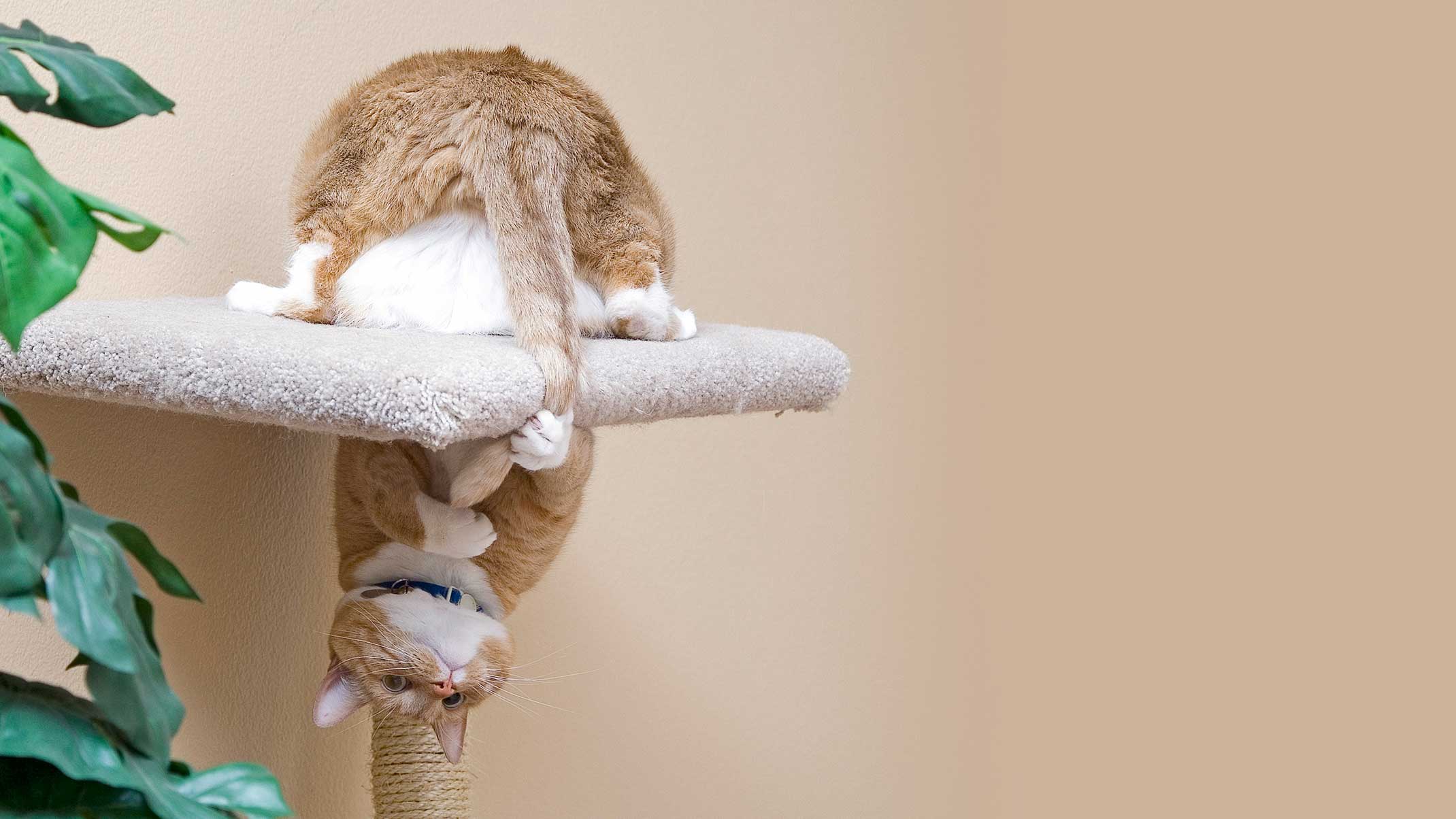
Image Source: www.catit.com
Instinctive Predatory Behavior
Cats are natural hunters. Even the most pampered house cat retains the primal instincts of its wild ancestors. A twitching tail can mimic the movement of prey, triggering a chase response. This is especially true for kittens.
Kitten Tail Chasing Play
Kittens are born with a strong prey drive. Their tails are fascinating, wiggly objects that are perfect for practicing hunting skills. Kitten tail chasing play is a crucial part of their development, helping them hone their coordination, balance, and predatory reflexes. It’s often a sign of a healthy, curious, and playful kitten.
- Learning coordination: Chasing their tail helps kittens learn to control their bodies and develop spatial awareness.
- Practicing pouncing: The quick, darting movements of a tail are excellent practice for the pounce.
- Exploring their body: For a young kitten, their tail can be a novel and exciting part of their own anatomy to discover.
As kittens grow, this behavior often naturally subsides as they find more engaging toys and activities. However, if it persists, other factors might be at play.
Boredom and Lack of Stimulation
A bored cat is an inventive cat, and sometimes that inventiveness turns to tail-chasing. If your cat isn’t getting enough mental and physical stimulation, they might resort to chasing their tail as a way to entertain themselves. This is a very common reason for cat boredom tail chasing.
Signs of Boredom
- Excessive grooming: Sometimes, boredom can manifest as over-grooming, which can include obsessive licking of paws or the tail.
- Destructive behavior: Chewing furniture, scratching inappropriately, or vocalizing excessively can also be signs of boredom.
- Lethargy: While some bored cats become hyperactive, others can become lethargic and withdrawn.
- Appearing restless: Pacing, meowing for attention, or staring blankly can indicate a need for more engagement.
Enriching Your Cat’s Environment
To combat boredom and reduce tail-chasing stemming from it, focus on providing a stimulating environment:
- Interactive toys: Feather wands, laser pointers (used responsibly), and puzzle feeders can keep your cat engaged.
- Vertical space: Cat trees, shelves, and window perches allow cats to climb, perch, and observe their surroundings.
- Puzzle feeders: These require cats to work for their food, engaging their minds and slowing down their eating.
- Scheduled playtime: Dedicate at least 15-20 minutes of interactive play with your cat each day.
- Rotation of toys: Keep toys novel by rotating them regularly.
Stress and Anxiety
Cats are sensitive creatures, and stress or anxiety can lead to a variety of behavioral changes, including cat anxiety tail chasing. This can be a displacement behavior, a way for them to cope with overwhelming emotions or environmental changes.
Common Stressors for Cats
- Changes in routine: A new pet, a new baby, moving to a new home, or even a change in your work schedule can be stressful.
- Loud noises: Fireworks, construction, or even loud music can cause anxiety.
- Lack of safety or privacy: Cats need safe spaces where they can retreat and feel secure.
- Conflict with other pets: If there are tensions with other animals in the household, it can lead to stress.
- Unresolved issues: Sometimes, what seems like a minor issue to us can be a significant stressor for a cat.
Identifying and Alleviating Stress
If you suspect your cat is tail-chasing due to stress, try to identify the source of the anxiety.
- Create safe zones: Ensure your cat has access to quiet, private spaces like a high perch, a covered bed, or a room they can retreat to.
- Maintain a consistent routine: Feed your cat at the same times, play with them regularly, and try to keep other aspects of their life predictable.
- Use Feliway diffusers: These emit synthetic feline facial pheromones that can have a calming effect.
- Gentle handling: Avoid forcing your cat into interactions and respect their need for personal space.
- Consult a veterinarian or a certified animal behaviorist: If anxiety is severe or persistent, professional help might be necessary.
Compulsive Tail Chasing
In some cases, tail chasing can escalate into a compulsive cat tail chasing disorder, also known as tail-chasing syndrome or acral lick dermatitis if it leads to skin damage. This is when the behavior becomes obsessive and difficult to control, often continuing even when the cat is no longer stimulated by its tail.
What is Compulsive Behavior in Cats?
Compulsive behaviors are repetitive, ritualistic actions that serve no obvious purpose. They often stem from underlying anxiety or neurological issues. In cats, this can include tail chasing, over-grooming, flank sucking, or excessive vocalization.
Causes of Compulsive Tail Chasing
- Genetics: Some breeds may be predisposed to certain compulsive behaviors.
- Underlying anxiety or fear: As mentioned, chronic stress can trigger compulsive actions.
- Neurological conditions: In rare cases, tail chasing can be a symptom of a neurological problem, such as epilepsy or brain tumors, especially if it is sudden and intense.
- Pain or irritation: An injury, infection, or irritation in the tail area itself could cause a cat to focus excessively on it.
Recognizing Compulsive Behavior
- Intensity and frequency: The chasing is prolonged, intense, and happens regardless of external stimuli.
- Self-harm: The cat may bite or chew its tail, leading to hair loss, redness, or open sores. This is a serious sign of cat health tail chasing issues.
- Inability to be redirected: The cat is unresponsive to attempts to distract them with toys or treats.
- Interference with daily life: The behavior disrupts their ability to eat, sleep, or interact normally.
If you notice any of these signs, it’s crucial to seek veterinary attention immediately. This is not just simple play; it’s a serious cat behavioral problems tail chasing issue that requires professional intervention.
Medical Issues Triggering Tail Chasing
While often behavioral, tail chasing can sometimes be an indicator of underlying cat medical issues tail chasing. Physical discomfort or neurological problems can cause a cat to become fixated on its tail.
Potential Medical Causes
- Parasites: Fleas, ticks, or tapeworms can cause itching and irritation around the tail and hindquarters, prompting the cat to chase or chew at the area.
- Skin allergies: Environmental or food allergies can lead to itchy skin, often around the base of the tail.
- Anal gland impaction: If a cat’s anal glands are blocked or infected, it can cause discomfort and a sensation that drives them to lick or chase their tail.
- Neurological disorders: Conditions affecting the brain or nervous system can manifest in unusual behaviors, including repetitive actions like tail chasing.
- Pain: Arthritis or other sources of pain in the hindquarters or tail could lead to this behavior.
- Gastrointestinal issues: Sometimes, discomfort from GI problems can lead to what appears to be tail chasing.
When to See a Vet
It is imperative to consult your veterinarian if you observe any of the following alongside tail chasing:
- Visible irritation or injury to the tail or hindquarters.
- Sudden onset or dramatic increase in tail chasing.
- Lethargy or changes in appetite.
- Vomiting, diarrhea, or other signs of illness.
- The cat seems to be in pain.
Your vet can perform a thorough examination, including checking for parasites, skin conditions, and neurological signs. Diagnostic tests may be recommended to rule out any underlying medical conditions. Addressing any medical issues is paramount for the overall cat health tail chasing.
Tail Grooming Gone Awry
Cat grooming tail chasing can sometimes blur the lines between normal grooming and an obsessive behavior. While cats are meticulous groomers, excessive licking or chewing of the tail can be problematic.
Normal vs. Abnormal Grooming
- Normal grooming: A cat will lick and groom its tail to keep it clean, distribute oils, and maintain its coat. This is usually brief and done in a calm manner.
- Abnormal grooming: This involves excessive, prolonged, or frantic licking or chewing of the tail, often leading to hair loss, skin irritation, or wounds.
Reasons for Over-Grooming the Tail
- Parasites: As mentioned, fleas or other external parasites are a primary culprit.
- Allergies: Skin allergies can cause intense itching.
- Pain or injury: A sore or injured tail might be licked excessively.
- Stress and anxiety: Similar to direct tail chasing, stress can manifest as over-grooming.
- Compulsive disorder: The grooming itself can become the compulsive behavior.
It’s essential to examine your cat’s tail for any signs of parasites or skin irritation. If you find none and the grooming is excessive, it warrants further investigation by a vet to determine the cause.
Deciphering Your Cat’s Tail-Chasing Behavior
To determine why your cat is chasing its tail, observe its behavior carefully and consider the following:
| Behavioral Pattern | Likely Cause | What to Observe |
|---|---|---|
| Playful & Brief | Instinct, playfulness, novelty | The cat chases its tail intermittently, often during play sessions or when a new toy is introduced. It stops easily when distracted and doesn’t appear distressed. |
| Repetitive & Focused | Boredom, mild anxiety, habit | The chasing is more frequent and focused, possibly happening during downtime. The cat might seem a bit restless. |
| Frantic & Persistent | High anxiety, compulsive behavior, pain | The chasing is intense, continuous, and difficult to interrupt. The cat might be ignoring its surroundings, or even causing self-harm (biting, chewing). This is a significant cat repetitive behavior. |
| Focused on Hindquarters | Parasites, allergies, anal gland issues | The cat is not just chasing the tail but also nibbling, licking, or scratching at its hindquarters or the base of its tail. This is a key indicator of potential cat medical issues tail chasing. |
By closely observing the context, frequency, and intensity of the tail-chasing, you can start to piece together the puzzle of your cat’s behavior.
When to Seek Professional Help
While occasional tail chasing is normal, there are times when professional intervention is necessary.
Red Flags Requiring Veterinary Attention:
- Injury to the tail: If your cat has bitten or injured its tail.
- Sudden change in behavior: If tail chasing appears suddenly or increases dramatically.
- Signs of distress: If your cat seems anxious, agitated, or in pain.
- Compulsive nature: If the behavior is obsessive, difficult to interrupt, and interfering with normal activities.
- Other physical symptoms: Lethargy, loss of appetite, vomiting, or diarrhea.
Consulting a Certified Animal Behaviorist:
If medical issues are ruled out by your veterinarian, but the tail chasing persists and appears to be rooted in behavioral issues like anxiety or compulsivity, a certified animal behaviorist can provide tailored strategies and treatment plans. They can help identify triggers, develop desensitization and counter-conditioning protocols, and offer environmental enrichment solutions. This is vital for addressing complex cat behavioral problems tail chasing.
Frequently Asked Questions (FAQ)
Q1: Is my cat chasing its tail a sign of illness?
A: While it can be, it’s not always the case. As discussed, tail chasing can be a normal play behavior, a sign of boredom, or a response to stress. However, if the behavior is sudden, intense, persistent, or accompanied by other physical symptoms, it’s important to consult a veterinarian to rule out medical issues like parasites, allergies, or neurological problems.
Q2: My kitten chases its tail constantly. Should I be worried?
A: For kittens, tail chasing is often a normal part of their development. It’s a way for them to practice hunting skills, improve coordination, and explore their body. As long as the kitten is otherwise healthy, playful, and eating well, this is usually not a cause for concern. However, if it seems obsessive or leads to injury, consult your vet.
Q3: Can I stop my cat from chasing its tail?
A: You can often redirect the behavior by providing more stimulating toys and activities. If the chasing is due to boredom, increase interactive play and environmental enrichment. If it’s due to anxiety or stress, address the underlying cause. For compulsive behaviors, professional intervention may be needed. The goal is often to manage or redirect the behavior rather than force it to stop completely, especially if it’s not causing harm.
Q4: My cat bites its tail while chasing it. Is this serious?
A: Yes, this is a serious concern. Biting the tail can lead to painful wounds, infections, and further complications. This is a strong indicator of a compulsive behavior, severe anxiety, or a painful medical condition. You should seek veterinary attention immediately.
Q5: How can I tell if my cat is bored or anxious?
A: Boredom often manifests as destructive behavior, excessive sleeping, or a general lack of engagement. Anxiety can show up as hiding, increased vocalization, over-grooming, changes in appetite, or the tail chasing behavior itself. Observing your cat’s overall demeanor and looking for other behavioral changes can help you differentiate between the two.
Q6: Are there any breeds more prone to tail chasing?
A: While any cat can exhibit tail chasing, some breeds, particularly Siamese and Burmese cats, have been anecdotally reported to be more prone to obsessive-compulsive behaviors, which can include tail chasing. However, environmental and individual factors play a significant role.
In conclusion, while a cat chasing its tail can be a source of amusement, it’s essential to be attentive to the underlying reasons. By observing your cat’s behavior, providing appropriate stimulation, and knowing when to seek professional advice, you can ensure your feline companion is happy, healthy, and well-adjusted.