
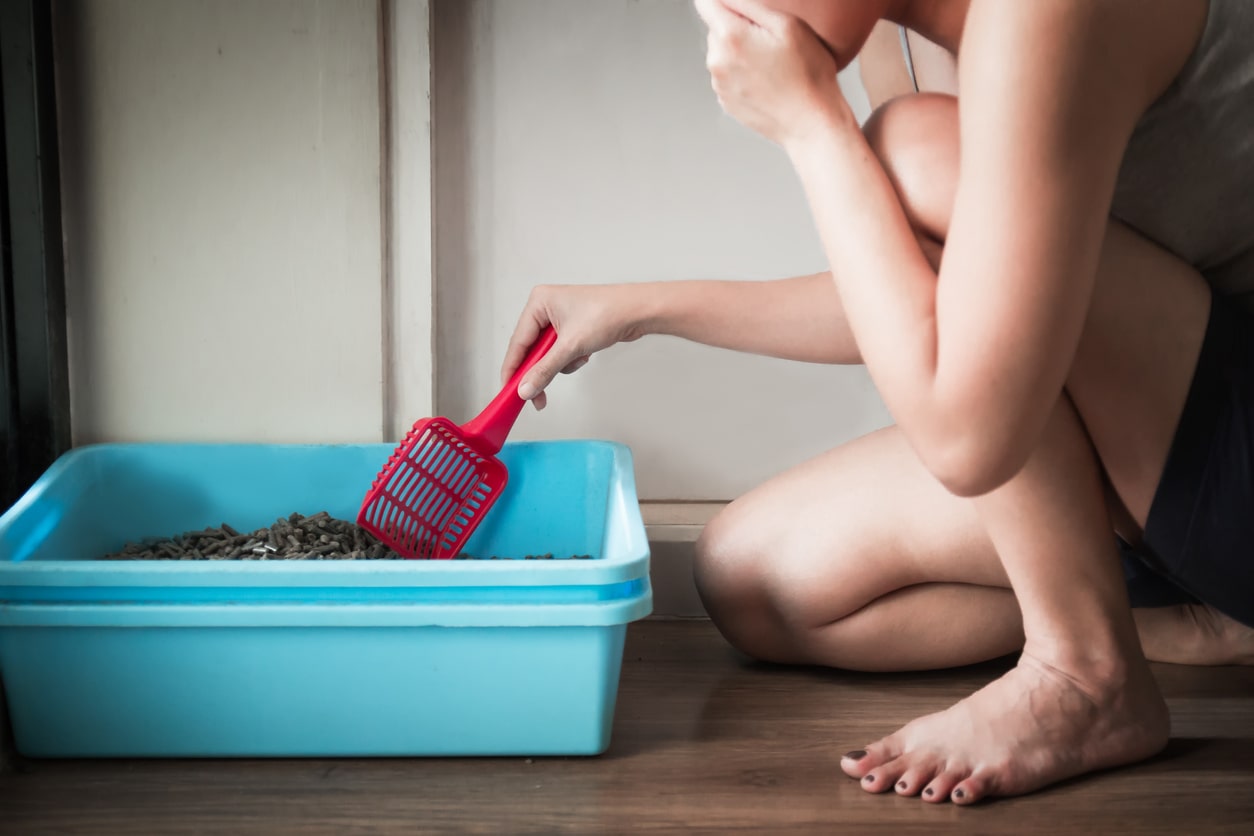
Image Source: www.armandhammer.com
Why Does My Cat Litter Smell So Bad: Causes, Fixes & Tips
Does your cat’s litter box emit an aroma that could clear a room? You’re not alone. The strong cat urine odor and other unpleasant smells emanating from a litter box are a common frustration for cat owners. But why does it happen, and more importantly, what can you do about it? The persistent bad cat litter smell causes can be attributed to a variety of factors, ranging from the type of litter you use to your cat’s health.
Deciphering the Odor: Common Culprits
Several things contribute to a smelly litter box. Let’s break down the most frequent offenders:
The Biology of Cat Waste
Cats, like all animals, produce waste. This waste contains compounds that, when exposed to air and bacteria, break down and create odors.
- Urine: Cat urine is particularly potent. It contains urea, which is broken down by bacteria into ammonia. The higher the concentration of urea and the longer it sits, the stronger the ammonia smell cat litter will become. Factors like your cat’s diet and hydration levels can influence urine concentration.
- Feces: Feline feces contain bacteria that also contribute to odor. The composition of your cat’s diet significantly impacts fecal odor. Diets high in protein can sometimes lead to more pungent fecal odor cat litter.
Litter Box Hygiene: The Foundation of Freshness
Litter box hygiene is paramount when it comes to odor control. A clean litter box is the first and most crucial step in combating smells.
- Infrequent Scooping: If you’re not scooping out waste daily, urine and feces sit in the litter, allowing bacteria to multiply and odors to intensify. This is arguably the most common reason for a stinky litter box.
- Infrequent Full Litter Box Changes: Even with daily scooping, the litter itself can become saturated with urine and bacteria over time. If you don’t completely empty, clean, and refill the litter box regularly, odors will build up.
- Type of Litter Box: Open litter boxes allow odors to dissipate into the surrounding environment more readily than covered ones. However, covered boxes can trap moisture and ammonia, sometimes exacerbating the smell if not cleaned diligently. The size and depth of the litter box also play a role. A box that is too small can lead to waste being deposited outside the litter, or the litter being quickly overwhelmed.
Litter Type: Not All Litters Are Created Equal
The type of litter you choose has a significant impact on odor.
- Clay Litters (Clumping vs. Non-Clumping):
- Non-clumping clay litters absorb urine but don’t form solid clumps. This means urine is distributed throughout the litter, leading to a more pervasive odor over time as the entire mass becomes saturated.
- Clumping clay litters form solid clumps when they come into contact with urine, making it easier to scoop out wet waste. However, if the clumping ability isn’t strong or if you don’t scoop thoroughly, residual urine can still contribute to odors.
- Silica Gel Litters: These litters are known for their excellent absorbency and odor-trapping capabilities. They work by dehydrating waste and can be a good option for odor control.
- Natural/Plant-Based Litters (Corn, Wheat, Wood, Paper): Many of these litters are biodegradable and eco-friendly. Their odor control varies greatly. Some plant-based litters have natural odor-absorbing properties, while others may not be as effective at containing smells, especially cat urine odor.
- Scented Litters: While scented litters might seem like a solution, they often just mask the odor with artificial fragrances. Some cats are sensitive to these scents, which can lead to them avoiding the litter box altogether.
Environmental Factors
Beyond the litter itself, your environment can also influence how much you notice the smell.
- Ventilation: A poorly ventilated room will trap odors, making even a moderately used litter box seem much smellier.
- Litter Box Location: Placing the litter box in a high-traffic area or near a heat source can amplify odors.
Addressing the Stench: Effective Fixes and Proactive Measures
Now that we know the common causes, let’s explore how to tackle that persistent bad cat litter smell.
Elevating Litter Box Maintenance: Daily Habits for a Fresh Space
Consistent litter box maintenance is the cornerstone of odor control.
- Daily Scooping: This cannot be stressed enough. Scoop out all solid waste and urine clumps at least once a day, ideally twice.
- Regular Full Cleaning:
- Completely empty the litter box every 1-4 weeks, depending on the type of litter and number of cats.
- Wash the litter box thoroughly with mild, unscented soap and water. Avoid harsh chemicals or ammonia-based cleaners, as these can leave residues that deter your cat or create even stronger odors.
- Rinse well and dry completely before refilling.
Choosing the Right Litter: The Power of Odor Control Cat Litter
The right odor control cat litter can make a world of difference.
- High-Quality Clumping Litter: Opt for premium clumping litters that effectively trap moisture and odor within the clumps.
- Activated Charcoal or Baking Soda Infused Litters: Many litters now incorporate activated charcoal or baking soda, which are excellent natural odor absorbers.
- Silica Gel Litters: As mentioned, these are highly effective at absorbing moisture and locking away odors.
Litter Box Type and Design
The litter box itself can be part of the solution.
- Larger Litter Boxes: Provide more space for your cat to maneuver and bury waste, reducing the chance of odors escaping.
- Covered Litter Boxes (with a caveat): While they can trap odors, ensure good ventilation and clean them meticulously. Some covered boxes have carbon filters that can help, but these need to be replaced regularly.
- Self-Cleaning Litter Boxes: These automatic boxes scoop waste after each use, drastically reducing the presence of waste and thus odor.
Natural Odor Solutions: Harnessing the Power of Nature
Beyond specialized litters, you can employ natural odor solutions to enhance freshness.
- Baking Soda: Sprinkle a thin layer of baking soda at the bottom of the clean litter box before adding litter. You can also lightly sprinkle it on top of the litter after scooping.
- Activated Charcoal: Place an open container of activated charcoal near the litter box. It works by absorbing airborne odors.
- Vinegar: White vinegar is a great natural deodorizer. When cleaning the litter box, you can wipe it down with a vinegar and water solution. Ensure it’s thoroughly rinsed and dried before adding litter.
Litter Box Additives: Boosting Performance
Several additives can boost the odor-fighting power of your chosen litter.
- Odor-Absorbing Powders: These are typically baking soda or activated charcoal-based powders that can be mixed into the litter.
- Enzyme-Based Sprays: These sprays contain beneficial enzymes that break down odor-causing molecules. You can lightly spray them onto the litter (avoiding direct contact with your cat).
When Smells Signal Something More: Cat Health and Odor
Sometimes, a sudden or unusually strong bad cat litter smell can be an indicator of underlying health issues. Cat health and odor are closely linked.
- Dietary Changes: A new food or a change in digestive function can alter the smell of your cat’s urine and feces. If you’ve recently switched food, monitor your cat for any other signs of digestive upset.
- Urinary Tract Infections (UTIs): UTIs can cause urine to become more concentrated and smellier. Your cat might also show signs like increased frequency of urination, straining, or discomfort.
- Kidney Disease: Kidney problems can lead to a more dilute and sometimes sweeter-smelling urine.
- Diabetes: Diabetic cats can have urine that smells sweet or fruity due to excess glucose.
- Gastrointestinal Issues: Certain digestive problems can result in more potent fecal odors.
If you notice a significant and persistent change in the smell of your cat’s waste, especially if accompanied by other behavioral changes (e.g., accidents outside the box, lethargy, changes in appetite or drinking habits), it’s crucial to consult your veterinarian. They can rule out any underlying medical conditions.
Tips for Maintaining a Fresh-Smelling Litter Box
Here are some actionable tips to keep your cat’s litter box smelling fresh:
- Scoop, Scoop, Scoop: Daily is the golden rule.
- Location, Location, Location: Place the litter box in a quiet, well-ventilated area, away from your cat’s food and water bowls.
- Multiple Cats, Multiple Boxes: The general rule of thumb is one litter box per cat, plus one extra. This prevents territorial disputes and ensures enough space for each cat to do their business.
- Right Litter Depth: Most cats prefer about 2-3 inches of litter. Too little, and they can’t bury effectively; too much, and it can be difficult to navigate.
- Test Different Litters: If one litter isn’t working, don’t be afraid to try another. What works for one cat might not work for another.
- Consider Litter Box Liners: These can make cleaning easier, but some cats may be deterred by the texture.
- Regular Washing: Don’t let the litter box go too long between full cleanings.
- Ventilation is Key: Ensure the room where the litter box is located has decent airflow. Open a window periodically if possible.
- Use Odor Absorbers: Baking soda and activated charcoal are your best friends for ongoing odor control.
Frequently Asked Questions (FAQ)
Q1: How often should I scoop the litter box?
A1: You should scoop the litter box at least once a day, and ideally twice. Consistent scooping is the most effective way to manage odors.
Q2: How often should I change all the litter and wash the box?
A2: This depends on the type of litter and the number of cats. For clumping litter, changing it every 2-4 weeks is usually sufficient. For non-clumping litters, you might need to change it more frequently, possibly every 1-2 weeks. Always wash the box thoroughly when you change the litter.
Q3: Can scented litter actually help with the smell?
A3: Scented litters often just mask odors with artificial fragrances. Some cats dislike these scents, which can lead them to avoid the litter box. Unscented, odor-controlling litters are generally a better choice.
Q4: My cat’s litter box smells even after I scoop. What else can I do?
A4: Ensure you are scooping thoroughly, removing all clumps and solid waste. Also, consider switching to a high-quality clumping litter or a silica gel litter, as these are designed for better odor control. Using natural odor absorbers like baking soda or activated charcoal can also help.
Q5: Could my cat’s health be contributing to the litter box smell?
A5: Yes, changes in your cat’s diet, hydration, or overall health can affect the odor of their waste. Conditions like UTIs, kidney issues, diabetes, or digestive problems can all lead to stronger or different smells. If you suspect a health issue, consult your veterinarian immediately.
Q6: What is the best type of litter for odor control?
A6: High-quality clumping litters, silica gel litters, and litters infused with activated charcoal or baking soda are generally the most effective for odor control. It may require some experimentation to find the best one for your cat.
Q7: My cat is peeing outside the litter box. What could be the cause, and how does it relate to odor?
A7: Cats may urinate outside the box due to stress, medical issues (like UTIs or bladder stones), or a dislike for their litter box environment (e.g., cleanliness, type of litter, location). Urine outside the box is problematic because it’s often not detected immediately, leading to persistent cat urine odor on surfaces. Addressing the underlying cause is crucial.
By diligently practicing good litter box hygiene, selecting appropriate odor control cat litter, and being mindful of your cat’s cat health and odor, you can significantly reduce or even eliminate those unwelcome smells, creating a fresher home for both you and your feline companion. Remember, a clean litter box is a happy litter box, and often a sign of a healthy cat.