
A cat may leave its mouth open for several reasons, including panting due to heat or exertion, attempting to get a better smell of something, or as a sign of discomfort or illness.
It’s a common sight for cat owners: you’re playing with your furry friend, or perhaps they’re just relaxing, and you notice their mouth is slightly ajar, or even wide open. This behavior, often referred to as a cat mouth open, can sometimes be alarming, leading you to wonder what’s going on with your feline companion. Is your cat experiencing pain? Is it a sign of something serious? Let’s delve into the various reasons why your cat might be leaving its mouth open.
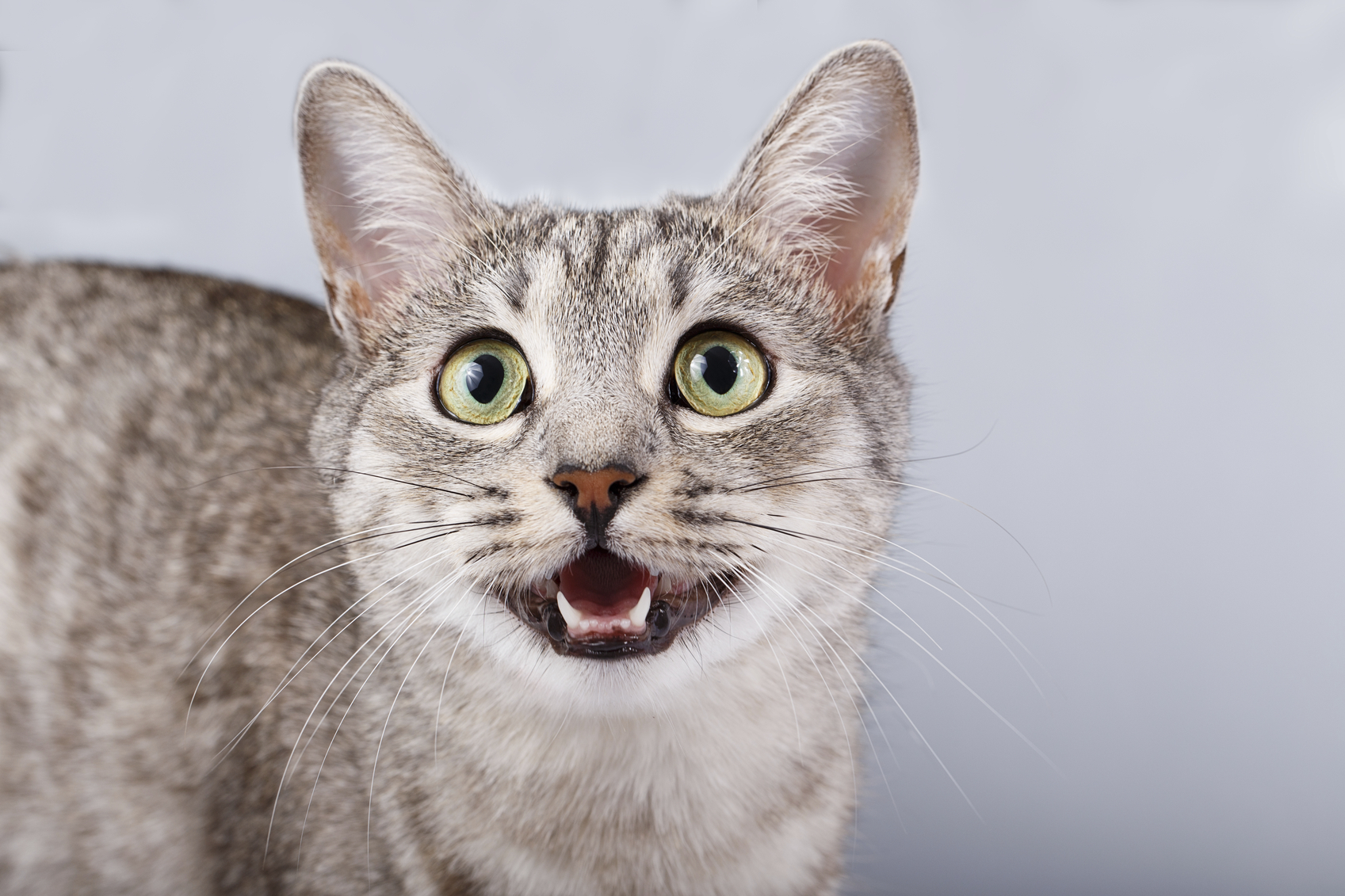
Image Source: canidae.com
Feline Facial Expressions: A Deeper Look
Cats communicate through a complex array of body language, and the position of their mouth is a significant part of this. While dogs are known for their open-mouthed panting, cats typically don’t pant unless they are in distress. So, when you see your cat’s mouth open, it’s often for reasons other than simply cooling down.
The Flehmen Response: A Sniffing Spectacle
One of the most fascinating reasons a cat might leave its mouth open is to perform the Flehmen response. You might also notice their cat tongue sticking out slightly during this. This is not an indication of illness, but rather a specialized way of smelling.
How the Flehmen Response Works
Cats have a unique sensory organ called the vomeronasal organ, also known as Jacobson’s organ. It’s located in the roof of their mouth, behind their front teeth. This organ is designed to detect and analyze pheromones – chemical signals that convey information about social status, reproductive cycles, and territorial markers.
When a cat encounters a scent that contains important pheromonal information, such as the scent of another cat, urine, or even something unusual in their environment, they might lift their lip and open their mouth slightly. This action helps to draw the scent molecules up into the vomeronasal organ, allowing for a more thorough analysis.
Recognizing the Flehmen Response
- Subtle lip curl: You might see the cat’s upper lip curl back slightly.
- Mouth ajar: The mouth is open, but not in a distressed way.
- Tongue may protrude: The tongue might be seen a little.
- Eyes may squint: Sometimes the eyes will narrow.
- Focus on the scent: The cat appears intently focused on the smell.
This response is perfectly normal and is a crucial part of how cats gather information about their world. It’s like they’re “tasting” the scent rather than just smelling it.
Overheating and Exertion: Feline Panting
While less common in cats than in dogs, feline panting (or cat breathing with mouth open) can occur when a cat is overheated or has overexerted itself.
When Panting is a Concern
Unlike dogs, whose primary method of cooling is panting, cats have fewer sweat glands and rely more on grooming and finding cool spots. Therefore, prolonged or excessive panting in a cat is usually a sign that something is wrong.
- Heatstroke: If your cat has been in a very hot environment, been engaging in strenuous activity on a hot day, or has been left in a car, they can suffer from heatstroke. Panting is a primary symptom.
- Intense Exercise: A very energetic play session can sometimes lead to temporary panting, similar to how humans might breathe heavily after intense exercise. However, this should be short-lived.
- Stress or Anxiety: In some cases, severe stress or anxiety can cause a cat to pant. This might be seen in situations like vet visits or car rides.
If you notice your cat panting, especially if it’s accompanied by other symptoms like lethargy, drooling, or restlessness, it’s crucial to try and cool them down gently and contact your veterinarian immediately.
Signs of Overheating in Cats
- Excessive panting
- Drooling
- Restlessness or agitation
- Red gums and tongue
- Lethargy or weakness
- Vomiting or diarrhea
- Unsteadiness or collapse
If you suspect your cat is overheating, move them to a cooler environment, offer them water, and use a cool, damp towel to gently wipe their fur, avoiding ice-cold water which can cause shock.
Respiratory Issues: When Breathing is Difficult
A cat leaving its mouth open, particularly if it’s accompanied by labored breathing, may indicate cat respiratory issues. This is a serious symptom that requires prompt veterinary attention.
Common Respiratory Problems
- Asthma: Feline asthma is an inflammatory condition of the airways that can cause difficulty breathing, coughing, and wheezing. When an asthma attack occurs, a cat might breathe with its mouth open to try and get more air.
- Bronchitis: Inflammation of the bronchial tubes can also lead to restricted airflow, causing open-mouthed breathing.
- Pneumonia: An infection in the lungs can make it very hard for a cat to breathe effectively, often resulting in open-mouthed breathing and a general sense of cat uncomfortable breathing.
- Nasal Congestion: Significant cat nasal congestion can force a cat to breathe through its mouth because it’s difficult to inhale through a blocked nose. This can be caused by infections, allergies, or foreign objects.
- Heart Disease: In some cases, heart conditions can lead to fluid buildup in the lungs, making breathing difficult and causing open-mouthed breathing.
Symptoms of Respiratory Distress
- Open-mouthed breathing or panting when not stressed or overheated
- Labored breathing (chest muscles working hard)
- Wheezing or crackling sounds when breathing
- Coughing
- Lethargy
- Reduced appetite
- Cat drooling (sometimes due to difficulty swallowing or nausea associated with respiratory distress)
If you observe any of these signs, it’s vital to get your cat to a veterinarian as soon as possible. They can diagnose the underlying cause and provide appropriate treatment.
Dental Problems: A Painful Mouth
Cat dental problems can also lead to a cat leaving its mouth open, often because of pain or discomfort.
How Dental Issues Affect Breathing and Mouth Posture
- Toothache: A severely painful tooth, abscess, or gingivitis can make a cat reluctant to close its mouth completely. They might keep it slightly open to alleviate pressure.
- Oral Tumors or Growths: Lumps or tumors in the mouth can obstruct normal jaw closure or cause pain, leading to an open mouth.
- Trauma: Injuries to the jaw or mouth can result in difficulty closing the mouth.
Recognizing Dental Issues
- Bad breath
- Drooling (sometimes tinged with blood)
- Difficulty eating or chewing on one side
- Red, swollen, or bleeding gums
- Visible sores or lumps in the mouth
- Pawing at the mouth
- Reluctance to eat hard food
Regular dental check-ups with your veterinarian are crucial for preventing and managing dental diseases in cats.
Nausea and Pain: A General Sign of Discomfort
Sometimes, a cat leaving its mouth open, perhaps with a slightly protruding tongue, is a general indicator of nausea or pain.
When Discomfort Manifests as an Open Mouth
- Nausea: Cats that feel nauseous may open their mouths and groom excessively, or their tongue might protrude slightly. This can be a sign of gastrointestinal upset or other systemic illnesses.
- Pain: Significant pain, whether from an injury, illness, or surgical procedure, can cause a cat to appear uncomfortable and may result in them leaving their mouth slightly open.
- Vomiting: Before vomiting, a cat might open its mouth wide and make noises.
- Stress: As mentioned earlier, extreme stress can manifest in unusual behaviors, including an open mouth.
If your cat seems generally unwell, is not eating, or is showing other signs of pain or distress, it’s important to consult your vet to determine the cause.
Age-Related Changes
As cats age, they can experience a variety of changes that might lead to their mouth being left open.
Senior Cat Considerations
- Tooth Loss: Senior cats are more prone to tooth loss or loose teeth, which can affect their ability to keep their mouth fully closed.
- Jaw Issues: Arthritis or other degenerative conditions can affect the jaw joint, making it uncomfortable to keep the mouth shut.
- Cognitive Dysfunction: In some older cats, cognitive decline can lead to altered behaviors, including changes in their mouth posture.
What to Do if You Notice Your Cat Leaving Its Mouth Open
When you see your cat with its mouth open, the first step is to observe the context.
Observation is Key
- Is it fleeting or persistent? A quick Flehmen response is normal. Persistent open-mouthed breathing is not.
- What is their overall demeanor? Are they relaxed and alert, or do they seem distressed, lethargic, or in pain?
- Are there any other symptoms? Look for signs of difficulty breathing, excessive drooling, lethargy, vomiting, diarrhea, or changes in behavior.
- What is the environment like? Is it hot? Has your cat been exercising strenuously?
When to Seek Veterinary Advice
It’s always better to err on the side of caution when it comes to your cat’s health. You should contact your veterinarian if you observe:
- Prolonged or heavy panting.
- Labored breathing or difficulty breathing.
- Open-mouthed breathing accompanied by lethargy or weakness.
- Excessive drooling, especially if it’s blood-tinged.
- Any signs of pain or discomfort.
- Changes in appetite or behavior.
- Suspected dental problems or oral injuries.
- Any sudden or unexplained change in their breathing or mouth posture.
Your veterinarian can perform a thorough physical examination, listen to your cat’s heart and lungs, check their mouth and teeth, and may recommend diagnostic tests like X-rays or blood work to determine the underlying cause of the open mouth.
Common Scenarios and Explanations
Let’s break down some common situations where you might see your cat with its mouth open.
Scenario 1: After a Play Session
Your energetic kitten or cat has just finished a vigorous chase of the laser pointer or feather wand. They might be breathing a bit heavily, with their mouth slightly open.
Likely Reason: This is usually normal exertion. Cats are athletic creatures. As long as they return to normal breathing fairly quickly once they stop playing and don’t exhibit other concerning signs, it’s likely just the result of physical activity.
Scenario 2: Sniffing Something New
You bring home a new bag of cat food, or a visitor leaves a strong perfume on their clothes. Your cat approaches, sniffs intently, and you notice their mouth is open, their lips slightly curled.
Likely Reason: This is almost certainly the Flehmen response. They are using their vomeronasal organ to gather more information about the scent.
Scenario 3: During a Vet Visit
Your cat is in the carrier, heading to the vet. They seem agitated, and their mouth is open.
Likely Reason: This could be stress or anxiety causing them to breathe more heavily. In some extreme cases, it might be related to travel sickness or motion sickness, leading to nausea.
Scenario 4: Relaxing on a Warm Day
It’s a sunny afternoon, and your cat is lounging on the windowsill. You notice their mouth is slightly open, and they seem very relaxed.
Likely Reason: This could be a sign of mild overheating. Cats can get too warm, especially if they are in direct sunlight. Try to provide a cooler, shaded spot and ensure they have access to fresh water. If the mouth remains open and they seem uncomfortable, move them to a cooler area.
Scenario 5: Constant Open Mouth and Drooling
Your cat is sitting quietly, but their mouth is persistently open, and you notice saliva pooling.
Likely Reason: This is a red flag. It could indicate significant pain, severe cat nasal congestion making breathing difficult, a cat dental problem, or a more serious cat respiratory issue or internal illness. This warrants an immediate veterinary visit.
Frequently Asked Questions (FAQ)
Q1: Is it normal for my cat to breathe with its mouth open?
Generally, no. Unlike dogs, cats typically do not pant to cool down. While a brief moment of open-mouthed breathing can occur due to extreme exertion or the Flehmen response, persistent cat breathing with mouth open is usually a sign of distress or illness and requires veterinary attention.
Q2: My cat sneezes and then leaves its mouth open. What could this mean?
If your cat is sneezing and then has its mouth open, it might be trying to clear its airways or get more air. This could be due to cat nasal congestion from allergies, a cold, or an irritant in the air. If the sneezing is frequent, or if the open mouth persists, it’s best to consult a veterinarian to rule out underlying respiratory issues. Sometimes, excessive mucus from sneezing can also lead to a cat feeling like it can’t breathe through its nose, prompting mouth breathing.
Q3: Can anxiety cause my cat to leave its mouth open?
Yes, severe anxiety or stress can cause a cat to experience rapid breathing or panting, which might include leaving their mouth open. This is a physiological response to stress. If you suspect your cat is anxious, try to identify the source of the stress and create a calmer environment for them. However, if this behavior is persistent or occurs without an obvious trigger, it’s wise to consult your vet.
Q4: What should I do if my cat is drooling and has its mouth open?
Cat drooling combined with an open mouth is a significant concern. It can indicate oral pain from cat dental problems, nausea, poisoning, or other serious health issues. You should try to keep your cat calm and contact your veterinarian immediately for advice and to schedule an examination.
Q5: My elderly cat sometimes leaves its mouth open. Is this normal for older cats?
As cats age, they can develop various health conditions that might lead to leaving their mouth open. These can include tooth loss, dental disease, arthritis affecting the jaw, or even cognitive decline. While some changes can be age-related, it’s still important to have your veterinarian assess your senior cat to ensure there isn’t an underlying treatable condition causing the open mouth.
Q6: What are the signs of a cat having respiratory issues?
Signs of cat respiratory issues include open-mouthed breathing (panting), rapid or shallow breathing, wheezing, coughing, nasal discharge, lethargy, and a lack of appetite. If you notice any of these symptoms, it’s crucial to seek veterinary care promptly, as respiratory problems can worsen quickly.
By paying close attention to your cat’s body language and any accompanying symptoms, you can better interpret why their mouth might be open and know when it’s time to seek professional help. Your cat’s health and well-being are paramount, and understanding these signs is a vital part of responsible pet ownership.