Why does cat feces smell so bad? This common question has a straightforward answer: the potent smell of cat poop is primarily due to the breakdown of proteins in your cat’s diet by bacteria in their gut. The specific compounds produced, like indole and skatole, are naturally malodorous.
Many cat owners find themselves asking, “Why is my cat’s poop so smelly?” The answer lies in a complex interplay of diet, digestion, and bacterial action. When your feline friend digests their food, proteins are broken down. Bacteria in their intestines then further break down these proteins and their byproducts. This process creates several compounds that are inherently strong-smelling. Among the most notable are indole and skatole, which are byproducts of the breakdown of the amino acid tryptophan. These compounds are recognized for their unpleasant, pungent aroma.
Beyond these primary culprits, other factors contribute to the overall cat poop odor. The specific ingredients in your cat’s food play a significant role. High-protein diets, especially those rich in animal proteins, can lead to more intense odors. Furthermore, the efficiency of your cat’s digestive system impacts how well food is processed. If food isn’t fully digested, more undigested material remains for bacteria to work on, potentially intensifying the smell. This is why understanding cat diet and smell is crucial for managing cat waste odor control.
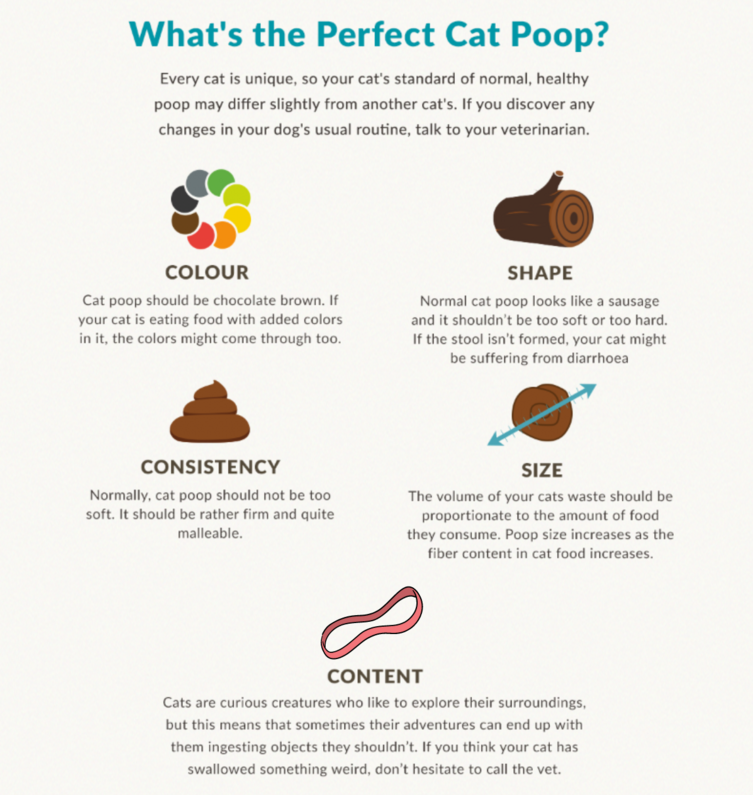
Image Source: www.purina.co.uk
Fathoming the Chemical Cocktail: What Makes Cat Poop Smell Bad?
The pungent aroma emanating from your cat’s litter box isn’t random; it’s a chemical symphony, albeit an unpleasant one. At its core, the cat feces smell causes are rooted in the biological processes of digestion and bacterial fermentation.
The Role of Protein Breakdown
Cats are obligate carnivores, meaning their diet is heavily reliant on animal protein. When cats consume protein, it’s broken down into amino acids. The digestive system is designed to absorb these amino acids. However, some protein and its byproducts pass through the digestive tract to the large intestine. Here, they become a feast for the vast population of bacteria residing there.
These bacteria ferment the undigested proteins, releasing volatile sulfur compounds and nitrogen-containing molecules. Key among these are:
- Indole: Produced from the breakdown of tryptophan, indole has a fecal odor.
- Skatole: Also derived from tryptophan, skatole has a strong, unpleasant, fecal smell at high concentrations.
- Hydrogen Sulfide: This gas is notorious for its “rotten egg” smell and is a common byproduct of protein breakdown.
- Ammonia: Another nitrogenous compound, ammonia contributes a sharp, acrid odor.
The concentration and combination of these compounds determine the intensity and specific character of the cat poop odor.
The Gut Microbiome’s Influence
The trillions of bacteria in your cat’s gut form a complex ecosystem known as the gut microbiome. This microbiome plays a vital role in digestion, nutrient absorption, and immune function. However, it also significantly influences the smell of feces.
- Bacterial Diversity: A healthy and diverse gut microbiome can lead to more efficient digestion and potentially less offensive odors.
- Bacterial Imbalance: Conversely, an imbalance in gut bacteria (dysbiosis) can lead to the overgrowth of odor-producing bacteria, resulting in a stronger cat feces smell. This can sometimes be an indicator of underlying cat digestive health issues.
Other Contributing Factors
Beyond protein and bacteria, other elements can affect the odor:
- Fat Content: High-fat diets can sometimes lead to looser stools and may alter the bacterial environment, potentially impacting odor.
- Digestive Enzymes: The efficiency of your cat’s digestive enzymes influences how well food is broken down. Poorly functioning enzymes can lead to more undigested material reaching the colon.
Decoding Diet: How Food Affects Cat Poop Odor
Your cat’s diet is arguably the most significant factor influencing the smell of their waste. As carnivores, their digestive systems are optimized for processing animal-based nutrients. What you feed your cat directly impacts the raw materials available for bacterial fermentation in their gut.
Protein Sources and Quality
The type and quality of protein in your cat’s food have a direct correlation with cat poop odor.
- Animal Proteins: Foods rich in animal proteins (like chicken, turkey, beef, and fish) are essential for cats. However, if these proteins are not fully digestible or if the diet is exceptionally high in protein, more undigested protein will reach the colon, leading to stronger odors.
- Protein Digestibility: Not all protein sources are equally digestible. Highly processed or lower-quality protein ingredients might be harder for your cat’s system to break down efficiently, contributing to a more pungent cat feces smell.
- Specific Ingredients: Certain ingredients, like fish-based proteins, can sometimes produce a more potent odor due to their specific fatty acid and protein profiles.
Carbohydrates and Fats
While cats are primarily protein-eaters, carbohydrates and fats also play a role in their diet and can influence waste odor.
- Carbohydrates: Cats have a limited need for carbohydrates. Diets with excessive or poorly digestible carbohydrates can lead to fermentation by different types of bacteria, potentially producing gases that contribute to odor.
- Fats: Fats are essential for cats, providing energy and aiding in nutrient absorption. However, high-fat diets can sometimes affect stool consistency and may influence the gut microbiome, indirectly impacting odor.
Probiotics and Prebiotics
The inclusion of probiotics and prebiotics in a cat’s diet can have a positive impact on their gut health and, consequently, on the smell of their feces.
- Probiotics: These are live beneficial bacteria that, when consumed, can help to restore or maintain a healthy balance of gut flora. A balanced microbiome is less likely to produce excessive amounts of odor-causing compounds.
- Prebiotics: These are non-digestible fibers that feed beneficial bacteria in the gut. By promoting the growth of good bacteria, prebiotics can indirectly reduce the population of odor-producing bacteria.
When Things Change: What to Do About Sudden Odor Increases
While a baseline smell is normal, a sudden and significant increase in the intensity of cat poop odor can be a sign that something is amiss with your cat’s cat digestive health. It’s important to pay attention to these changes and consult a veterinarian if you have concerns.
Common Causes for Increased Odor
- Dietary Changes: A recent switch in food, even to another high-quality brand, can temporarily disrupt your cat’s digestive system and lead to changes in stool odor. This usually resolves as their system adjusts.
- Dietary Indiscretion: If your cat has eaten something they shouldn’t have (e.g., spoiled food, non-food items), it can cause digestive upset and strongly scented waste.
- Intestinal Parasites: Worms or other parasites can interfere with nutrient absorption and gut health, often resulting in diarrhea and foul-smelling stools.
- Bacterial or Viral Infections: Infections within the gastrointestinal tract can cause inflammation, diarrhea, and changes in the gut microbiome, all contributing to a worse cat feces smell.
- Food Sensitivities or Allergies: Certain ingredients can trigger adverse reactions in some cats, leading to digestive issues and altered stool odor.
- Inflammatory Bowel Disease (IBD): This chronic condition can affect nutrient absorption and gut health, often manifesting as changes in stool consistency and odor.
- Pancreatitis: Inflammation of the pancreas can impair digestive enzyme production, leading to maldigested food and smelly stools.
- Malabsorption Syndromes: Conditions where the intestines are unable to absorb nutrients properly will result in undigested food passing through, increasing the odor.
What the Smell Might Indicate
The character of the smell itself can sometimes offer clues:
- Extremely Foul, Rotten Smell: This often points to bacterial overgrowth or the presence of undigested protein. It can also be a sign of parasites or infections.
- Sharp, Ammonia-like Smell: This may indicate issues with protein metabolism or the breakdown of urea.
- Bloody or Mucusy Stool with Odor: This is a more concerning sign and warrants immediate veterinary attention, as it often indicates inflammation or damage to the intestinal lining.
When to Consult a Veterinarian
It’s always a good idea to consult your veterinarian if you notice any of the following alongside a change in stool odor:
- Diarrhea (loose, watery stools)
- Vomiting
- Lethargy or decreased appetite
- Weight loss
- Blood or mucus in the stool
- Changes in litter box habits (e.g., avoiding the litter box)
- The offensive odor persists for more than a day or two.
Your veterinarian can perform a physical examination, fecal tests, and potentially blood work to identify the underlying cause and recommend the appropriate treatment.
Tackling the Odor: Strategies for Cat Waste Odor Control
Managing the inevitable smell of cat waste is a priority for most cat owners. Fortunately, several effective strategies can help minimize cat litter box odor and create a more pleasant environment.
Litter Box Maintenance is Key
The most direct way to combat cat feces smell is through diligent litter box cleaning.
- Scoop Daily: Remove solid waste and urine clumps at least once daily, ideally twice. This prevents odors from building up and encourages your cat to use a clean box.
- Full Litter Change: Completely empty, wash, and refill the litter box with fresh litter regularly. The frequency depends on the type of litter and the number of cats, but generally, every 1-4 weeks is recommended.
- Washing the Box: Use mild soap and water to clean the litter box thoroughly during each full change. Avoid harsh chemicals or strong-smelling cleaners, as these can deter your cat.
- Location Matters: Place the litter box in a well-ventilated area, away from your cat’s food and water bowls.
Litter Type and Its Impact
The type of litter you choose can significantly influence odor control.
- Clumping Clay Litter: Many clumping litters are designed to trap moisture and odor, forming solid clumps that are easy to scoop.
- Silica Gel Litter: These crystals are highly absorbent and can trap odors effectively. They often require less frequent full changes but can be more expensive.
- Natural/Plant-Based Litters: Options like pine, corn, or wheat-based litters can also be effective and may offer a milder, more natural scent.
- Activated Charcoal: Some litters incorporate activated charcoal, a highly porous material known for its excellent odor-absorbing properties.
Table 1: Comparison of Litter Types for Odor Control
| Litter Type | Odor Control Effectiveness | Absorbency | Cost | Notes |
|---|---|---|---|---|
| Clumping Clay | Good | High | Moderate | Easy to scoop, common |
| Silica Gel | Excellent | Very High | High | Can be noisy, check for dust |
| Activated Charcoal | Excellent | High | Moderate | Often an additive, great for trapping smells |
| Natural (Pine, Corn) | Moderate to Good | Moderate | Moderate | Can track, some cats prefer the texture |
Dietary Adjustments
As discussed earlier, diet is fundamental. If cat poop odor is a persistent issue, discuss potential dietary changes with your veterinarian. They might recommend:
- A highly digestible cat food.
- A food with added prebiotics or probiotics for gut health.
- Exploring limited-ingredient diets if food sensitivities are suspected.
Air Filtration and Deodorizers
Beyond litter box maintenance, external solutions can help manage ambient odors.
- Air Purifiers: Using an air purifier with a HEPA filter and activated carbon can significantly reduce airborne odors in your home.
- Odor Absorbers: Placing bowls of baking soda or commercially available odor absorbers near the litter box can help neutralize smells. Ensure they are placed out of your cat’s reach.
- Litter Box Enclosures: Some covered litter boxes or enclosures can help contain odors, but ensure they are well-ventilated and your cat feels comfortable using them.
Cat Urine Smell vs. Cat Poop Odor
While both cat urine smell and cat poop odor can be potent, they stem from different biological processes and have distinct characteristics. Understanding these differences can help in addressing each issue effectively.
Cat Urine Smell
Cat urine contains urea, which is broken down by bacteria into ammonia, creating that sharp, pungent odor. If your cat has not been spayed or neutered, urine spraying (a territorial behavior) can produce a very strong and unpleasant scent. Even in spayed/neutered cats, urine odor is primarily ammonia-based.
- Ammonia Production: Urea is converted to ammonia by the enzyme urease, produced by bacteria.
- Spraying: Unneutered males, and sometimes females, spray urine to mark territory. This urine is often richer in hormones and has a more potent smell.
- Medical Conditions: Urinary tract infections (UTIs), kidney disease, and diabetes can also alter the smell of a cat’s urine, sometimes making it smell sweeter or more intensely ammoniated.
Table 2: Comparing Cat Urine and Feces Odors
| Feature | Cat Urine Smell | Cat Feces Smell |
|---|---|---|
| Primary Source | Urea breakdown by bacteria into ammonia | Protein breakdown by bacteria into indole, skatole, etc. |
| Characteristic | Sharp, ammoniated, sometimes acrid | Pungent, fecal, sulfuric, sometimes rotten |
| Main Compounds | Ammonia | Indole, skatole, hydrogen sulfide, mercaptans |
| Behavioral Link | Territorial marking (spraying), elimination | Normal digestive byproduct |
| Health Indicator | UTIs, kidney disease, diabetes | Parasites, infections, dietary issues, IBD |
Cat Feces Smell
As detailed earlier, cat feces smell is primarily due to the breakdown of proteins into compounds like indole and skatole, along with sulfur-containing gases. This smell is inherently fecal.
- Protein Fermentation: Undigested proteins in the colon are fermented by bacteria.
- Volatile Compounds: The resulting compounds are often sulfur-containing or nitrogenous, giving the feces its characteristic unpleasant odor.
Can I Use Baking Soda to Control Cat Litter Box Odor?
Yes, baking soda can be an effective natural deodorizer for cat litter box odor. Sprinkle a thin layer of baking soda at the bottom of the litter box before adding fresh litter. You can also lightly sprinkle some on top of the litter after scooping. Baking soda works by absorbing and neutralizing odor-causing molecules. However, avoid using too much, as it can be dusty and may deter some cats from using the litter box. It’s also important to remember that baking soda is a supplement to, not a replacement for, regular scooping and litter changes.
Final Thoughts on Feline Fecal Fragrance
The strong smell of cat feces is a natural biological process, largely dictated by your cat’s diet and the activity of their gut bacteria. While a certain level of odor is expected, understanding the contributing factors allows for proactive management. By paying attention to your cat’s diet, maintaining a clean litter box, and being aware of potential health issues, you can significantly reduce the impact of cat poop odor in your home. If you suspect a health problem, always consult your veterinarian.
Frequently Asked Questions (FAQ)
Q1: Why is my cat’s poop suddenly smelling much worse?
A sudden increase in cat poop odor can be due to a dietary change, intestinal parasites, bacterial or viral infections, food sensitivities, or underlying digestive health issues like IBD. It’s advisable to consult your veterinarian if the change is significant and persists.
Q2: Does the type of cat food affect the smell of their poop?
Absolutely. The protein sources, their digestibility, and the overall formulation of your cat’s food directly influence the raw materials available for gut bacteria to ferment, thus impacting the cat feces smell.
Q3: Is it normal for cat poop to smell bad?
Yes, it is normal for cat feces to have a strong, unpleasant odor. This is due to the metabolic byproducts of bacterial fermentation of proteins in the digestive tract, such as indole and skatole.
Q4: How often should I scoop the litter box to control odor?
It is recommended to scoop the litter box at least once daily, ideally twice, to remove waste promptly and minimize odor buildup.
Q5: Can probiotics help reduce the smell of cat poop?
Probiotics can support a healthy gut microbiome, which may lead to more efficient digestion and a reduction in odor-causing byproducts. Discussing probiotic supplements with your veterinarian is a good first step.
Q6: What’s the difference between cat urine smell and cat feces smell?
Cat urine smell is primarily ammonia-based, sharp and pungent, due to urea breakdown. Cat feces smell is a fecal odor resulting from the breakdown of proteins into compounds like indole and skatole.
Q7: Are covered litter boxes better for odor control?
Covered litter boxes can help contain odors by trapping them inside. However, ensure the box is well-ventilated and that your cat feels comfortable using it, as some cats may dislike enclosed spaces. Regular cleaning remains the most crucial factor.
Q8: What if my cat is avoiding the litter box due to the smell?
If your cat is avoiding the litter box, it might be due to strong odors, lack of cleanliness, or an unpleasant litter type. Ensure the box is scooped daily, cleaned regularly, and consider trying a different type of litter or air freshener designed for pet odors. If the issue persists, it could indicate a health problem.
Q9: Can medication cause changes in cat poop odor?
Certain medications, particularly antibiotics, can disrupt the gut microbiome and lead to temporary changes in stool consistency and odor. Always discuss any concerns about medication side effects with your veterinarian.
Q10: How can I improve my cat’s cat digestive health to reduce fecal odor?
Improving cat digestive health often involves feeding a high-quality, highly digestible diet, ensuring adequate hydration, and managing stress. If you suspect digestive issues, a veterinary consultation is essential to identify and address the root cause.