
Catalytic converters are so expensive primarily due to the precious metals they contain, namely rhodium, platinum, and palladium. These metals are rare, difficult to extract, and essential for their function in controlling vehicle emissions.
The cost of car parts, particularly those involving sophisticated technology and valuable materials, can be a significant factor in overall automotive repair costs. When a catalytic converter needs replacement, drivers often face a hefty bill. This isn’t just about the labor involved; the catalytic converter itself is a complex piece of engineering that relies on a unique combination of materials. As key emission control devices, they play a vital role in reducing harmful pollutants released from a car’s engine. This makes them an integral part of the exhaust system components, but their expense stems from far more than just their position in the exhaust stream.
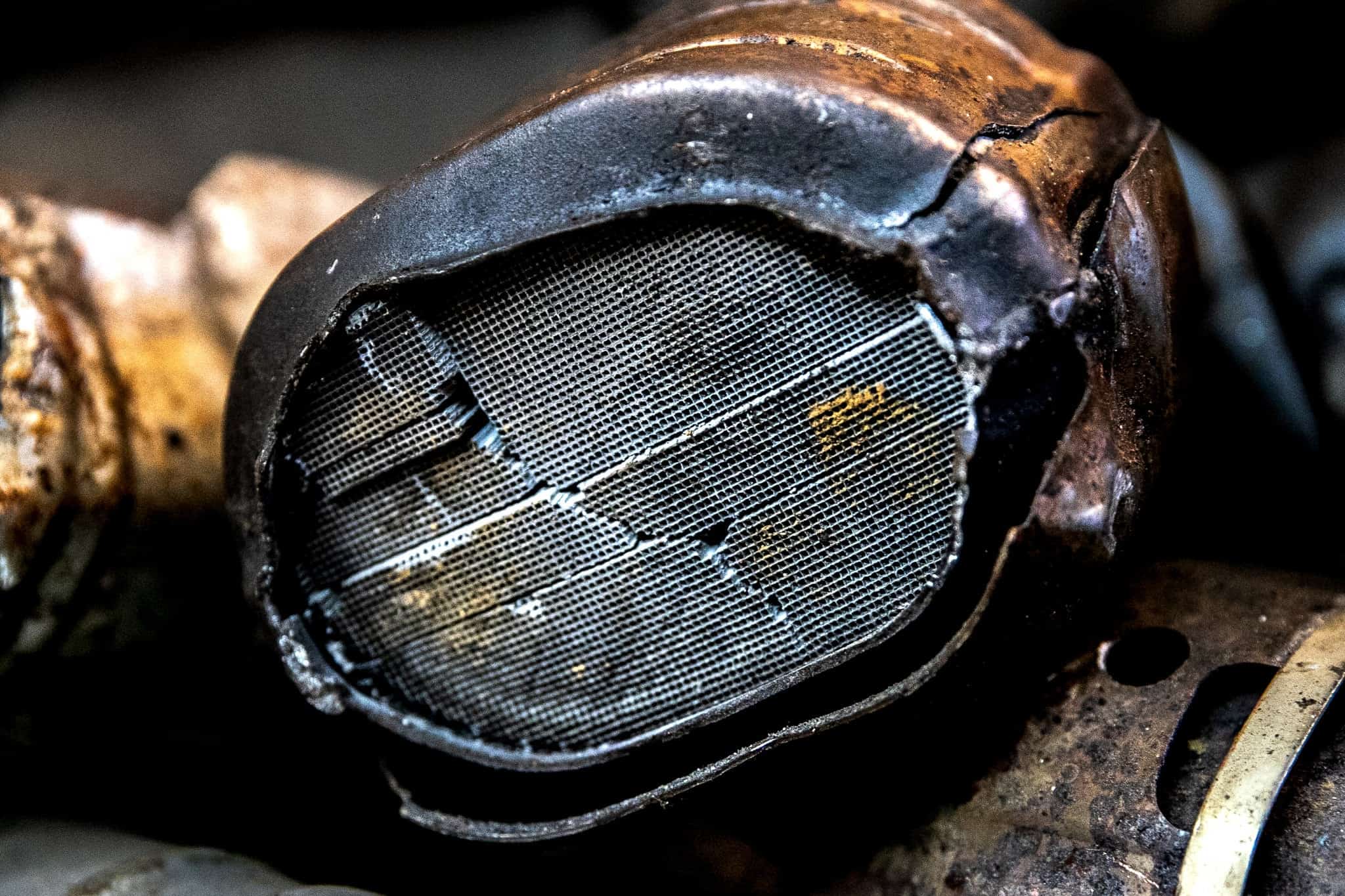
Image Source: www.proses-makina.com
The Core of the Cost: Precious Metals
The high price tag of catalytic converters is directly linked to the market value of the precious metals found within them. These aren’t just any metals; they are some of the rarest and most valuable elements on Earth.
Rhodium: The Pricey Powerhouse
Rhodium is by far the most expensive metal in a catalytic converter. It’s incredibly rare, with global production being very limited, primarily from South Africa. Rhodium’s exceptional ability to withstand heat and corrosion, combined with its efficiency in reducing nitrogen oxides (NOx) – a major contributor to smog and acid rain – makes it indispensable for modern emission control. Its scarcity directly translates into its astronomical price.
Platinum: The Established Standard
Platinum has long been a cornerstone of catalytic converter technology. Like rhodium, it’s a very rare metal with significant industrial demand beyond the automotive sector. Platinum is highly effective at catalyzing oxidation reactions, breaking down harmful carbon monoxide (CO) and unburned hydrocarbons (HC) into less harmful substances like carbon dioxide and water. Its stability and effectiveness contribute to its consistent, though fluctuating, high value.
Palladium: The Versatile Performer
Palladium is another crucial precious metal used in catalytic converters. While historically less expensive than platinum, its demand has surged in recent years, particularly as automotive manufacturers have adjusted their converter designs. Palladium is excellent at catalyzing the oxidation of CO and HC. Its use can vary depending on the type of vehicle and the manufacturer’s specific emission control strategy.
Why These Metals are So Valuable
The value of these precious metals is driven by several factors:
- Scarcity of Materials: These metals are not found in abundance. Mining them is a complex, energy-intensive, and often dangerous process. The limited geographical locations where they are found also contributes to their high cost.
- Industrial Demand: Beyond their use in catalytic converters, platinum, palladium, and rhodium have critical applications in jewelry, electronics, dentistry, and other high-tech industries. This broad demand creates constant pressure on supply.
- Market Volatility: The prices of these metals can fluctuate significantly based on global economic conditions, geopolitical events, and changes in mining output or industrial demand. Even small shifts can have a large impact on the cost of a catalytic converter.
Global Production of Precious Metals
The majority of the world’s rhodium, platinum, and palladium supply comes from a few key regions.
| Metal | Primary Producing Regions |
|---|---|
| Rhodium | South Africa |
| Platinum | South Africa, Russia |
| Palladium | Russia, South Africa, Canada, United States, Zimbabwe |
This concentration of production makes the supply chain vulnerable to disruptions.
The Role of Catalytic Converters in Emission Control
Catalytic converters are sophisticated emission control devices designed to convert toxic pollutants in exhaust gases into less harmful substances. They are a critical component in meeting increasingly stringent environmental regulations worldwide.
How They Work: A Chemical Transformation
Inside the converter, a ceramic honeycomb structure is coated with a thin layer of catalysts – the precious metals. As exhaust gases flow through this structure, the metals facilitate chemical reactions:
- Reduction Catalyst: Converts nitrogen oxides (NOx) into nitrogen gas (N2) and oxygen (O2).
- Oxidation Catalyst: Converts carbon monoxide (CO) into carbon dioxide (CO2) and unburned hydrocarbons (HC) into CO2 and water (H2O).
The efficiency of these reactions is directly dependent on the presence and purity of the precious metals.
Meeting Environmental Standards
Governments around the world have set strict limits on vehicle emissions to combat air pollution. Catalytic converters are essential for complying with these standards. Without them, vehicles would release significantly higher levels of harmful gases. This regulatory push ensures a consistent demand for effective catalytic converters, indirectly supporting the value of the precious metals they contain.
Manufacturing and Design Considerations
The production of a catalytic converter is a complex process, adding to its overall cost.
The Ceramic Substrate
The core of a catalytic converter is a ceramic honeycomb structure, typically made of cordierite. This structure provides a large surface area for the catalysts to bond to. The manufacturing of this substrate requires specialized materials and high-temperature firing processes.
The Washcoat and Catalyst Loading
The ceramic substrate is coated with a “washcoat,” usually made of aluminum oxide. This porous layer increases the surface area even further and provides a stable base for the precious metal catalysts. The precise loading of platinum, palladium, and rhodium onto the washcoat is critical for the converter’s performance. Too little, and it won’t be effective; too much, and the cost becomes prohibitive. The calibration of these loadings is a delicate balancing act for automotive engineers.
Durability and Longevity
Catalytic converters are designed to withstand extreme temperatures, vibrations, and corrosive exhaust gases for the lifespan of a vehicle. This requires robust construction and the use of high-quality materials. They are considered durable exhaust system components, but they are not immune to damage or wear over time.
The Impact on Automotive Repair Costs
The expense of catalytic converters has a direct and significant impact on automotive repair costs.
Replacement Costs Add Up
When a catalytic converter fails, it’s not a cheap fix. The combination of the high material cost and the labor involved in replacing it can lead to bills running into hundreds or even thousands of dollars. This makes it one of the more expensive individual cost of car parts to replace.
Factors Influencing Replacement Cost
Several factors contribute to the final bill:
- Vehicle Make and Model: Different vehicles require different types of converters, with varying amounts and types of precious metals. Luxury or high-performance vehicles often use more expensive configurations.
- Original Equipment Manufacturer (OEM) vs. Aftermarket: OEM converters are typically more expensive but are guaranteed to meet manufacturer specifications. Aftermarket converters can be cheaper, but their quality and effectiveness can vary.
- Location and Labor Rates: The cost of labor can differ significantly depending on where you live.
- Precious Metal Prices at the Time of Purchase: As mentioned, the fluctuating market prices of rhodium, platinum, and palladium directly impact the converter’s price.
Why Not Just Use Cheaper Metals?
The short answer is that cheaper metals simply cannot perform the same critical function.
The Uniqueness of Precious Metals
The catalytic properties of rhodium, platinum, and palladium are unparalleled. Their ability to efficiently facilitate the complex chemical reactions needed to neutralize exhaust gases at high temperatures is unique. Base metals like copper or iron, while abundant and cheap, lack the specific electronic structures required for these precise catalytic actions. Attempting to use them would result in ineffective emission control, leading to vehicles failing emission tests and causing significant environmental damage.
The Role of Catalytic Converter Recycling
Given the high value of the precious metals, catalytic converter recycling is a thriving industry.
Extracting Value from Old Converters
When a catalytic converter is replaced, the old unit still holds considerable value due to the remaining precious metals. Reputable recyclers can process these old converters to recover platinum, palladium, and rhodium.
How Recycling Works
The process typically involves:
- Collection: Old converters are collected from auto repair shops, scrap yards, and individuals.
- Dismantling: The catalytic converter is taken apart to isolate the ceramic honeycomb.
- Crushing and Leaching: The ceramic is crushed, and chemicals are used to dissolve the precious metals.
- Refining: The dissolved metals are then separated and refined to high purity.
This recycling loop helps to reduce the reliance on new mining and can slightly alleviate the pressure on the scarcity of materials. It also provides a way for consumers to recoup some of the cost of their old converter.
The Economics of Recycling
The value recovered from recycling depends heavily on the type of converter and the current market prices of the precious metals. Newer vehicles often have higher concentrations of these valuable elements, making their old converters worth more.
Alternatives and Future Trends
While the current technology relies heavily on precious metals, research is ongoing to find alternatives or improve the efficiency of existing systems.
Research into Alternative Catalysts
Scientists are exploring less expensive or more abundant materials that could potentially replace some of the precious metals in catalytic converters. However, finding a combination of materials that matches the efficiency, durability, and heat resistance of platinum, palladium, and rhodium has proven to be a significant challenge.
Improving Converter Efficiency
Another approach is to design converters that use a smaller amount of precious metals while maintaining or improving their catalytic performance. This involves advanced catalyst coatings and substrate designs.
Electric Vehicles and the Future
The rise of electric vehicles (EVs) could eventually reduce the overall demand for catalytic converters. EVs do not produce tailpipe emissions, so they do not require these emission control devices. However, traditional internal combustion engine vehicles will remain on the road for many years, ensuring continued demand for catalytic converters and the precious metals they contain.
Frequently Asked Questions (FAQ)
Can I sell a used catalytic converter?
Yes, you can sell a used catalytic converter. Many businesses specialize in buying and recycling them for the precious metals they contain. The price you receive will depend on the converter’s type and the current market value of platinum, palladium, and rhodium.
How long does a catalytic converter typically last?
Catalytic converters are designed to last for the life of the vehicle, often 100,000 miles or more. However, they can fail prematurely due to engine problems, such as misfires, burning oil, or using leaded fuel.
What happens if my catalytic converter fails?
If your catalytic converter fails, your vehicle’s exhaust system will be compromised. You will likely notice a significant decrease in engine performance, increased fuel consumption, and your check engine light will illuminate. You may also hear unusual noises from the exhaust. Driving with a failing catalytic converter can cause further damage to your engine and is often illegal due to emission regulations.
Are all catalytic converters the same?
No, catalytic converters vary significantly. They differ in size, design, and the types and amounts of precious metals used. These variations are often determined by the vehicle’s engine size, emissions standards it needs to meet, and the manufacturer’s specific technology.
Why is rhodium so much more expensive than platinum or palladium?
Rhodium is significantly more expensive primarily due to its extreme rarity and the limited number of mines that produce it. Its superior ability to control nitrogen oxide emissions also contributes to its high demand and price.