
Can you train a feral cat to use a litter box? Yes, absolutely. While it requires patience and a gentle approach, teaching a feral cat to use a litter box is a achievable and crucial step in helping them adapt to indoor life. This process is often referred to as feral cat litter box training, and it involves acclimating a feral cat to litter box use by creating a positive and consistent environment. The goal is to transition them from outdoor toileting habits to an indoor sanctuary, making them more amenable to domesticating feral cats for litter box purposes and overall integration into a home.
Introducing feral cats to indoor life is a journey, and the litter box is a vital part of that transition. This guide will walk you through effective feral cat potty training methods and strategies for making feral cats comfortable with litter, ultimately encouraging feral cat to use box reliably. We’ll also explore feral cat behavior and litter boxes, touching upon feral kitten litter box training and helping stray cats adapt to litter with a focus on their unique needs.
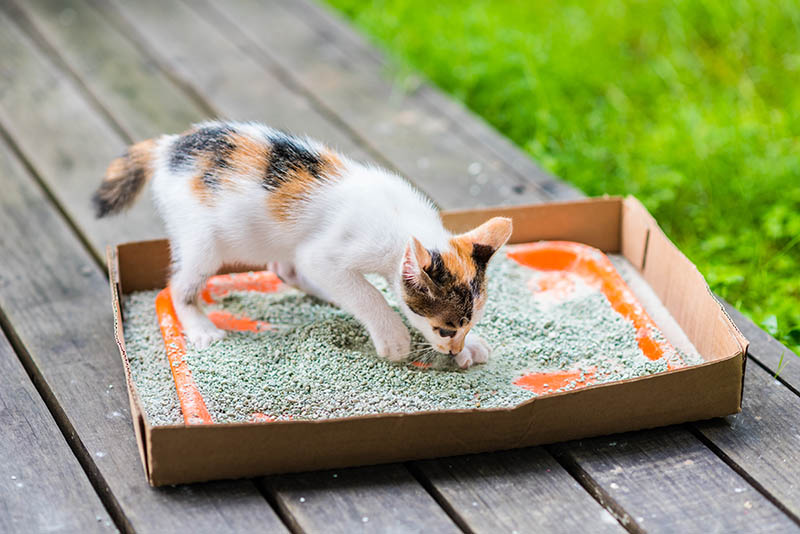
Image Source: www.catster.com
The Foundation: Creating a Safe and Inviting Space
Before you even think about introducing a litter box, the most critical element is establishing a safe and secure environment for your feral cat. This is the bedrock upon which all further training will be built. A scared or stressed cat will not learn effectively.
Building Trust and Reducing Stress
- Quiet and Calm Environment: Feral cats are often wary of loud noises and sudden movements. Designate a quiet room for their initial stay, free from excessive foot traffic, barking dogs, or rambunctious children.
- Safe Haven: Provide a small, enclosed space within the room where the cat can retreat. This could be a cat carrier with the door open, a cardboard box turned on its side, or a cozy bed tucked away in a corner. This safe haven allows them to observe their surroundings without feeling exposed.
- Gradual Introduction to Sights and Sounds: Slowly expose the cat to normal household sounds. Start by playing soft music or the television at a low volume.
- Positive Association with Your Presence: Spend time in the room without directly interacting with the cat. Sit quietly, read a book, or work on a laptop. Let them get used to your scent and presence.
- Food and Water Placement: Place their food and water dishes at a distance from their safe haven, so they don’t feel threatened while eating.
Essential Supplies for a Feral Cat’s New Home
- Comfortable Bedding: Soft blankets or towels in their safe haven.
- Food and Water Bowls: Ceramic or stainless steel are best.
- Enrichment: Interactive toys, scratching posts, and climbing opportunities (even simple cardboard boxes can be engaging).
- Litter Box and Litter: This is where our primary focus lies.
The Litter Box: Choosing the Right Tools
Selecting the correct litter box and litter is paramount for successful feral cat litter box training. What might work for a kitten or a domestic cat could be overwhelming or unappealing to a feral feline.
Litter Box Design and Placement
- Size Matters: Opt for a larger, more spacious litter box. Feral cats are accustomed to having ample space to dig and cover their waste outdoors. A small, confined box can be off-putting. Consider large storage bins or contractor-grade bins as alternatives to standard litter boxes.
- Low Entry Point: If the cat is particularly timid or has mobility issues (which can sometimes happen with feral cats), a box with a lower entry point can make it easier for them to get in and out without feeling trapped.
- Uncovered is Often Better: While covered boxes offer odor control for us, they can feel like a trap to a feral cat. An open box allows them to see their surroundings and escape if they feel threatened. This is a key aspect of making feral cats comfortable with litter.
- Strategic Placement:
- Quiet and Accessible: Place the litter box in the designated safe room, away from high-traffic areas and their food and water.
- Privacy: Position the box in a corner or against a wall, providing a sense of privacy.
- Multiple Options: If space allows, offer more than one litter box. This gives the cat choices and is a generally good practice for any cat.
Litter Selection: The Scent of Success
The type of litter you choose can significantly impact encouraging feral cat to use box.
- Unscented Clumping Litter: This is generally the best choice. Feral cats are naturally drawn to the scent of earth and soil. Perfumed litters can be overwhelming and mask the scent cues they are looking for. Unscented, clumping litter mimics this natural texture and scent profile.
- Fine-Grained Texture: Similar to soil, a fine-grained litter is usually preferred. Avoid litters with large, sharp granules that might be uncomfortable for their paws.
- Avoid Pellets or Crystals (Initially): While some cats adapt, these textures can be very different from what a feral cat is used to and may deter them.
- Consistency is Key: Once you find a litter the cat seems to accept, stick with it. Changing litters can be confusing.
Table 1: Litter Box Preferences for Feral Cats
| Feature | Recommended | Why |
|---|---|---|
| Size | Large | Mimics outdoor space, allows for digging and covering. |
| Type | Uncovered | Provides visibility, avoids feeling trapped. |
| Entry Height | Low | Easier access, reduces anxiety about getting in and out. |
| Litter Type | Unscented | Natural scent preference, avoids overwhelming the cat. |
| Litter Texture | Fine-grained | Mimics soil, comfortable for paws. |
The Training Process: Gentle Guidance and Positive Reinforcement
This is where the actual feral cat potty training methods come into play. It’s a process of gentle nudging and positive reinforcement, not force.
Step-by-Step Approach to Litter Box Introduction
- Initial Placement: Once the cat is settled in their safe room, place the litter box in its chosen quiet, private location. Do not force the cat to go near it. Let them discover it on their own terms.
- Observational Learning: Feral cats, especially kittens, often learn by watching. If you have a resident cat who is already litter-trained and well-adjusted, placing their litter box near the feral cat’s (and ensuring it’s kept impeccably clean) can sometimes encourage the feral cat to mimic the behavior. However, this should be done with caution to avoid territorial issues.
- Gentle Encouragement: If you see the cat showing signs of needing to eliminate (sniffing the ground, circling, crouching), gently guide them towards the litter box. You can do this by calmly placing them inside.
- Mimicking Digging: Once the cat is in the box, you can gently take their paw and make a digging motion. Some cats respond to this, while others find it intrusive. If they resist, stop immediately. The goal is positive association, not aversion.
- Scent Clues: If you happen to catch a small amount of urine or feces outside the box, you can gently place it in the litter box. This reinforces the idea that the box is the designated toilet area. Be discreet and avoid making the cat associate your presence with their elimination process in a negative way.
Positive Reinforcement: The Key to Success
- Praise and Treats: When you see the cat successfully using the litter box, offer calm praise and a small, high-value treat immediately afterward. This creates a positive association with the act of using the box.
- Avoid Punishment: Never scold, punish, or rub a cat’s nose in an accident. This will only make them fearful of you and the litter box, setting back your training efforts considerably.
- Cleanliness is Crucial: For feral cat litter box training, cleanliness cannot be overstated. Scoop the box at least once daily, ideally twice. A dirty litter box is one of the biggest deterrents to a cat using it. Feral cats are accustomed to burying their waste to avoid predators, so a soiled box is unnatural and unappealing.
Troubleshooting Common Challenges
Even with the best intentions, there can be bumps along the road. Feral cat behavior and litter boxes often present unique challenges.
Accidents Outside the Box
- Rule Out Medical Issues: First and foremost, any persistent accidents should prompt a veterinary visit. Urinary tract infections, kidney problems, or other medical conditions can cause a cat to avoid the litter box.
- Location, Location, Location: Is the box in too high-traffic an area? Is it too close to their food or water? Is there something frightening near the box?
- Litter Box Type: Is the box large enough? Is the litter acceptable to the cat?
- Cleanliness: Have you been diligent about scooping?
- Stress Factors: Is there a new pet, a change in the household routine, or loud noises that might be causing stress and leading to accidents?
- Confusing Scents: If an accident occurs, clean it thoroughly with an enzymatic cleaner to eliminate all traces of odor. This is crucial for helping stray cats adapt to litter, as lingering scents can attract them back to the same spot.
Refusal to Enter the Litter Box
- Fear and Timidity: The cat may still be too fearful to approach the box. Ensure the safe room is as calm and quiet as possible.
- Negative Associations: Has anything negative happened near the box?
- Litter Aversion: Try a different type of unscented, fine-grained litter. You might even sprinkle a small amount of a previously accepted litter on top of a new type to encourage exploration.
- Enrichment: Ensure the cat has other forms of stimulation and comfort. A happy, engaged cat is more likely to engage with all aspects of their environment, including the litter box.
Feral Kitten Litter Box Training
Feral kitten litter box training is generally easier than with adult feral cats, as they are more adaptable and often still have strong instincts for using a designated spot.
- Start Early: The younger the kitten, the more receptive they will be to learning.
- Smaller, Accessible Boxes: Kittens need smaller boxes with very low entry points.
- Natural Instincts: Kittens instinctively want to dig and cover. Gently encouraging this behavior is often effective.
- Positive Reinforcement: Lots of praise and small treats for correct litter box use are crucial.
- Multiple Boxes: Kittens often benefit from having more than one litter box available, especially in larger spaces.
Gradual Transition and Expansion of Space
As the feral cat becomes more comfortable with their safe room and the litter box, you can begin to gradually expand their territory.
Introducing New Areas
- Slow and Steady: Open the door to the safe room for short periods, allowing the cat to explore adjacent areas at their own pace.
- Litter Box Availability: Ensure that litter boxes are available in the new areas they are exploring. This provides a familiar and safe toileting option.
- Observe Behavior: Pay close attention to the cat’s body language. If they seem overwhelmed or stressed, retreat to the safe room.
Long-Term Success
- Consistency: Maintain a clean litter box and a calm environment.
- Patience: Remember that domesticating feral cats for litter box use is a process that can take weeks or even months. Celebrate small victories.
- Continued Positive Reinforcement: Continue to reward good behavior.
Deciphering Feral Cat Behavior and Litter Boxes
Feral cats have a different set of instincts and prior experiences that shape their approach to litter boxes compared to their domestic counterparts.
- Territorial Marking: Outside, cats may mark their territory in various ways. While not all feral cats will mark indoors, some might exhibit scent-marking behaviors if they feel insecure or if there are territorial disputes (even with other pets). A clean, appealing litter box can reduce the urge to mark elsewhere.
- Burying Instinct: The strong instinct to bury their waste is a survival mechanism. This is why a litter that allows for digging and covering is so important. If the litter is too shallow or the box too small, they may not feel they can adequately bury their waste.
- Fear of Enclosure: As mentioned, a covered box can feel like a trap. They are used to open spaces and being able to escape quickly.
- Preference for Privacy: Feral cats are naturally wary and prefer to eliminate in secluded, quiet spots where they feel safe. This translates directly to their preference for litter box placement.
Frequently Asked Questions (FAQ)
Q1: How long does it typically take to train a feral cat to use a litter box?
A1: This varies greatly depending on the individual cat’s age, temperament, past experiences, and the consistency of your training. Some feral cats may adapt within a few weeks, while others might take several months. Patience and consistency are key.
Q2: My feral cat is having accidents outside the box. What should I do?
A2: First, rule out any medical issues with a veterinarian. If no medical cause is found, assess the litter box itself: is it clean enough, large enough, and is the litter type suitable? Also, consider the location of the box and any potential stress factors in the environment. Clean accidents thoroughly with an enzymatic cleaner.
Q3: Can I use scented litter for my feral cat?
A3: It’s strongly discouraged, especially during the initial training period. Feral cats are often sensitive to strong scents and may find perfumed litter off-putting, potentially deterring them from using the box. Unscented, fine-grained clumping litter is usually the best choice.
Q4: What if my feral cat seems afraid of the litter box?
A4: Ensure the litter box is in a quiet, private location. If it’s an uncovered box, consider a lower-entry model. Avoid forcing the cat into the box. Instead, try to create positive associations by offering treats or praise when they are near or in the box. Ensure the environment is as calm and stress-free as possible.
Q5: Is it necessary to have multiple litter boxes for a feral cat?
A5: While not strictly mandatory, offering multiple litter boxes, especially in different locations within their safe space, is generally a good idea. It provides choices and can increase the likelihood of the cat finding a suitable spot when needed, which is especially helpful when helping stray cats adapt to litter.
Q6: My feral kitten isn’t using the litter box consistently. What’s the best approach for feral kitten litter box training?
A6: Kittens are more instinctive. Ensure their boxes are small, easily accessible, and kept impeccably clean. Gently guide them to the box and mimic digging motions with their paws. Immediate positive reinforcement (praise and treats) for successful use is crucial.
By following these comprehensive steps, focusing on creating a safe, comfortable environment, and employing gentle, positive reinforcement, you can successfully train a feral cat to use a litter box and help them transition into a loving indoor companion.