Can a cat be bloated? Yes, cats can experience bloating, often recognized by a swollen abdomen or abdominal distension.
Many cat parents worry about their feline friends’ well-being, and a common concern is whether their cat is experiencing discomfort. One sign that something might be wrong is a swollen belly. This condition, often referred to as bloating, can be caused by a variety of factors, from simple indigestion to more serious health issues. Knowing how to spot the signs of a bloated cat is crucial for ensuring they receive timely and appropriate care. This guide will help you identify bloated cat symptoms, recognize cat digestive issues, and know when to seek veterinary help.
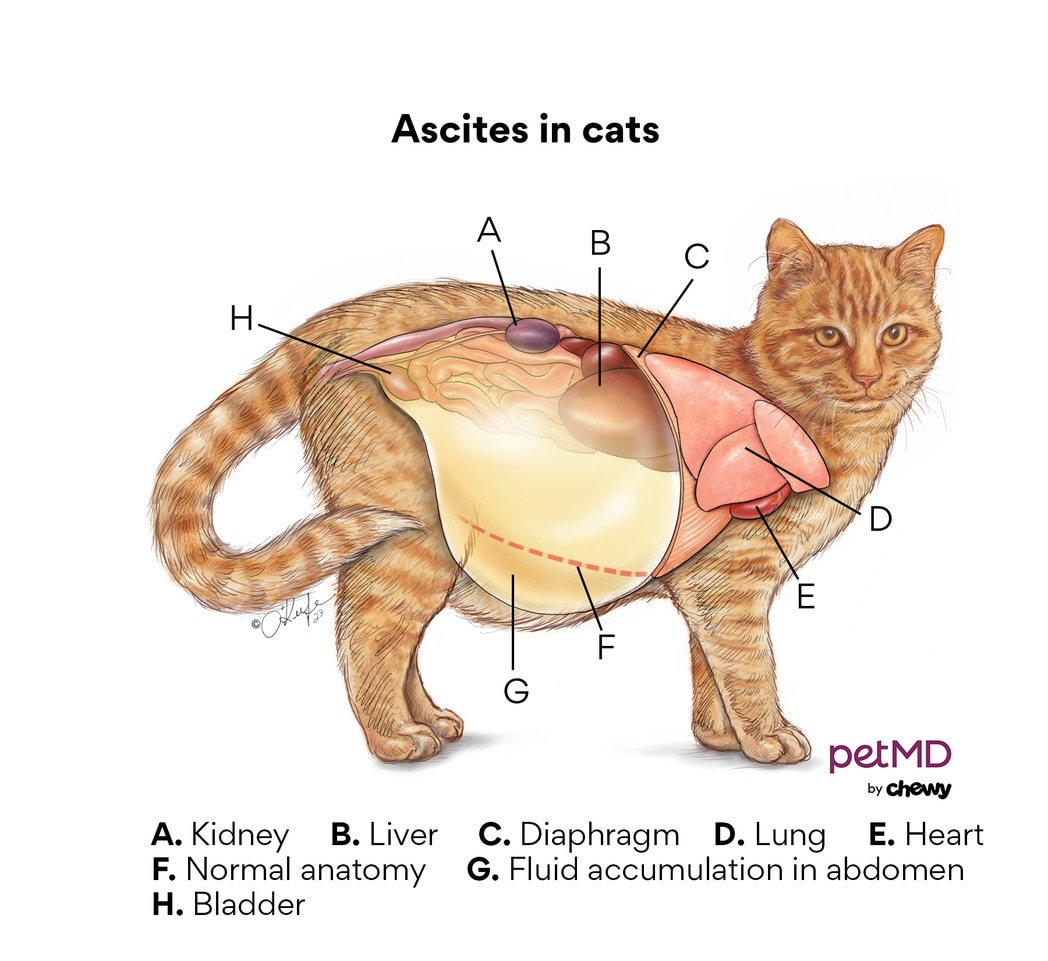
Image Source: image.petmd.com
What is Cat Bloating?
Cat bloating, or abdominal distension, refers to an increase in the size of a cat’s belly, making it appear larger or rounder than usual. This can be a sign of trapped gas, fluid buildup, or other internal issues. While occasional mild bloating might not be alarming, persistent or severe bloating requires attention.
Common Causes of Bloating in Cats
Several things can lead to a cat having a bigger-than-usual belly. These can range from eating too fast to more complex medical problems.
Gas in Cats
A very common reason for a swollen abdomen is the presence of excess gas in cats. Just like humans, cats can swallow air when they eat or groom themselves. Certain foods can also contribute to gas production in their digestive system. When this gas builds up, it can cause discomfort and make their belly appear distended.
Dietary Indiscretion and Food Sensitivities
Cats are curious creatures and can sometimes eat things they shouldn’t, leading to digestive upset. This is known as dietary indiscretion. Additionally, some cats have food sensitivities or intolerances. When they consume these foods, their digestive system can react by producing more gas, leading to bloating.
Constipation
Feline constipation is another significant contributor to a swollen abdomen. When a cat is constipated, stool can accumulate in their intestines, causing distension and discomfort. This can be due to a lack of fiber, dehydration, or other underlying health issues affecting their bowel movements.
Ingesting Foreign Objects
Cats, especially kittens, can sometimes swallow non-food items like string, small toys, or hair ties. If these objects get stuck in the digestive tract, they can cause a blockage, leading to severe bloating, pain, and potentially life-threatening complications.
Parasites
Intestinal parasites, such as roundworms or tapeworms, can irritate the digestive system and lead to inflammation and bloating. This is particularly common in kittens but can affect cats of any age, especially those who go outdoors or interact with infected animals.
Inflammatory Bowel Disease (IBD)
Inflammatory Bowel Disease (IBD) is a chronic condition that affects the gastrointestinal tract. It can cause inflammation, leading to various digestive symptoms, including bloating, vomiting, and diarrhea.
Organ Enlargement
In some cases, a swollen abdomen might be due to an enlarged organ, such as the liver or spleen. This can be a symptom of various diseases, including infections, cancer, or other systemic illnesses.
Ascites (Fluid Accumulation)
Ascites is the accumulation of fluid in the abdominal cavity. This can be caused by conditions affecting the heart, liver, or kidneys, or by certain types of cancer or infections. It leads to significant abdominal distension and can make the cat’s belly feel taut and heavy.
Recognizing Bloated Cat Symptoms
Identifying a bloated cat involves observing their physical appearance and behavioral changes. A key indicator is the enlarged cat abdomen, but other signs can also point to digestive distress.
Physical Signs of Bloating
The most obvious sign is a visibly larger belly. However, there are other physical cues to look for.
Swollen Abdomen: The Primary Indicator
The most telling sign is a noticeable increase in the size of your cat’s belly. It might look rounder, fuller, or tauter than usual.
Palpating Your Cat’s Abdomen
Gently feeling your cat’s belly can provide more information. A healthy cat’s abdomen should feel soft and pliable. If it feels firm, distended, or if your cat reacts negatively to you touching their belly, it could indicate bloating or stomach discomfort in cats.
Table 1: Comparing Normal vs. Bloated Abdomen
| Feature | Normal Cat Abdomen | Bloated Cat Abdomen |
|---|---|---|
| Size/Shape | Relatively flat to slightly rounded | Visibly larger, rounder, distended |
| Feel | Soft, pliable, yielding | Firm, taut, tense, or balloon-like |
| Reactions | Generally tolerant of touch | May show signs of pain or avoidance |
| Underlying Cause | Normal digestion/body structure | Gas, fluid, stool, organ enlargement |
Changes in Appetite and Thirst
A cat experiencing bloating might show changes in their eating habits. They might refuse food altogether, eat less, or conversely, try to eat more due to discomfort. Changes in water intake can also occur, especially if dehydration is contributing to constipation.
Vomiting and Diarrhea
While not always present with bloating, vomiting and diarrhea are common cat digestive issues that can accompany abdominal distension. Vomiting might occur as the cat tries to relieve pressure, and diarrhea can result from irritation or infection in the digestive tract.
Lethargy and Behavioral Changes
A bloated cat may become unusually quiet, less active, or show signs of pain. They might hide more than usual, be less interactive, or vocalize their discomfort. You might notice them acting restless or trying to find a comfortable position.
Difficulty Breathing
In severe cases, significant abdominal distension can put pressure on the diaphragm, making it harder for the cat to breathe properly. This is a critical sign and requires immediate veterinary attention.
Changes in Urination and Defecation
Constipation, a cause of bloating, will manifest as fewer or no bowel movements. Changes in urine output could also occur, especially if there’s kidney involvement or dehydration.
Troubleshooting: What to Do for a Bloated Cat
If you suspect your cat is bloated, it’s important to assess the situation calmly and determine the best course of action.
When to Seek Immediate Veterinary Care
Certain signs indicate a medical emergency. Don’t hesitate to contact your veterinarian or an emergency animal hospital if you observe any of the following:
- Severe abdominal pain: Your cat cries out when you touch their belly, is hunched over, or exhibits extreme discomfort.
- Difficulty breathing: Labored breathing, rapid breathing, or shallow breaths.
- Inability to defecate or urinate: This can signal a serious blockage.
- Vomiting persistently: Especially if it contains blood or is accompanied by extreme lethargy.
- Pale gums: This can indicate shock or severe anemia.
- Sudden, rapid swelling: If your cat’s belly seems to inflate very quickly.
Home Care for Mild, Non-Urgent Bloating
For mild cases where your cat appears otherwise healthy and the swelling is not severe, some home care measures might help. However, always consult your veterinarian before trying any new treatments, especially if you’re unsure of the cause.
Adjusting Diet
Sometimes, switching to a more easily digestible food or reducing certain ingredients known to cause gas can make a difference.
Exploring Hypoallergenic or Sensitive Stomach Foods
If food sensitivities are suspected, your vet might recommend a limited ingredient diet or a prescription diet for sensitive stomachs. These diets exclude common allergens and are formulated to be gentle on the digestive system, potentially offering feline gas relief.
Increasing Fiber Intake (with caution)
For constipation-related bloating, increasing dietary fiber can help. This can be done through specific high-fiber cat foods or by adding a veterinarian-approved fiber supplement. However, too much fiber without adequate hydration can worsen constipation.
Ensuring Adequate Hydration
Dehydration is a common culprit behind constipation and can exacerbate bloating. Make sure your cat always has access to fresh, clean water. You can also encourage water intake by using a pet water fountain or adding a bit of tuna juice or low-sodium chicken broth to their water.
Promoting Gentle Exercise
Light activity can help stimulate digestion and gas movement through the intestines. Encourage your cat to play with their favorite toys. Avoid strenuous activity if your cat seems uncomfortable.
What NOT to Do
It’s crucial to avoid giving your cat human medications without explicit veterinary instruction. Many human medications are toxic to cats. Do not attempt to induce vomiting or give laxatives unless directed by your vet.
Diagnostic Tools for Cat Bloating
When you visit the vet, they will use various methods to determine the cause of your cat’s enlarged cat abdomen.
Veterinary Examination and History
The first step is a thorough physical examination and a detailed history of your cat’s symptoms, diet, and any recent changes.
Diagnostic Imaging
Imaging techniques are vital for visualizing the internal organs and identifying the source of the bloating.
X-rays (Radiographs)
X-rays can reveal gas accumulation, foreign objects, stool buildup, or signs of organ enlargement. They are often the first imaging tool used.
Ultrasound
An abdominal ultrasound provides more detailed images of soft tissues, allowing the veterinarian to assess organ structure, identify fluid, and detect masses or inflammation.
Blood and Fecal Tests
These tests help identify underlying medical conditions, infections, or parasite presence.
Blood Work
Complete blood count (CBC) and biochemical profiles can indicate inflammation, infection, organ dysfunction (like kidney or liver issues), or anemia.
Fecal Analysis
This checks for intestinal parasites, which can contribute to digestive upset and bloating.
Specific Conditions Causing Bloating
Delving deeper into specific conditions can help you better grasp what might be happening with your cat.
Gastrointestinal Issues
Many digestive problems can lead to a swollen abdomen.
Gastric Dilatation-Volvulus (GDV) – The Danger of Bloat
While rare in cats compared to dogs, GDV is a life-threatening condition where the stomach fills with gas and fluid and then twists. This prevents gas from escaping and cuts off blood supply. Symptoms include extreme abdominal distension, retching without vomiting, pain, and shock. This is a medical emergency.
Bacterial Overgrowth
An imbalance of bacteria in the small intestine can lead to excessive gas production and bloating.
Intestinal Blockages
As mentioned earlier, foreign objects or severe constipation can cause blockages, leading to severe distension and pain.
Other Medical Conditions
Beyond the digestive tract, other health problems can manifest as a bloated belly.
Heart Disease
Certain heart conditions can lead to fluid buildup in the chest and abdomen (ascites), causing a swollen appearance.
Liver Disease
A diseased liver may not function properly, leading to fluid accumulation in the abdomen.
Kidney Disease
Impaired kidney function can also contribute to fluid imbalances and abdominal distension.
Cancer
Tumors within the abdominal cavity or cancers that spread to the organs can cause enlarged abdomens and fluid buildup.
Proactive Care and Prevention
While not all causes of bloating are preventable, certain practices can significantly reduce the risk.
Choosing the Right Food
Selecting a high-quality cat food appropriate for your cat’s age and health needs is fundamental.
Slow Feeder Bowls
If your cat tends to eat too quickly, a slow feeder bowl can help them eat at a slower pace, reducing the amount of air they swallow and potentially preventing gas and bloating.
Gradual Diet Changes
When switching your cat’s food, do so gradually over a week to allow their digestive system to adjust, minimizing the risk of upset.
Regular Veterinary Check-ups
Routine vet visits are essential for catching potential health issues early.
Parasite Prevention
Regular deworming and parasite control are vital, especially for cats that go outdoors.
Monitoring Weight and Body Condition
Keeping track of your cat’s weight and body condition can help you notice subtle changes that might indicate an underlying problem.
Frequently Asked Questions (FAQ)
Q1: How quickly can a cat become bloated?
A1: The speed at which a cat becomes bloated can vary. Mild gas-related bloating might develop over a few hours, while conditions like GDV can progress very rapidly, often within hours. Fluid accumulation or blockages can also cause swelling to appear over days or weeks.
Q2: Can my cat have gas without being bloated?
A2: Yes, a cat can experience gas in cats internally without showing obvious abdominal distension. They might show signs of stomach discomfort in cats, such as restlessness, vocalizing, or passing more gas than usual.
Q3: What is the difference between a bloated cat and a fat cat?
A3: A fat cat has excess body fat distributed evenly. A bloated cat has a disproportionately swollen abdomen that feels firm or taut, often with discomfort. The key difference is the suddenness of the swelling and the presence of pain or distress in a bloated cat, which isn’t typically seen in a simply overweight cat.
Q4: Can I give my cat over-the-counter remedies for bloating?
A4: It is strongly advised not to give your cat any over-the-counter remedies, human or pet, without first consulting your veterinarian. Many common medications can be harmful or toxic to cats. Your vet can diagnose the cause and prescribe appropriate feline gas relief or treatment.
Q5: My cat seems constipated and bloated. What can I do?
A5: If your cat is constipated and bloated, it’s best to consult your veterinarian. They can determine the cause of the constipation, which might range from dehydration and diet to more serious underlying issues. They can recommend appropriate treatment, which may include dietary changes, hydration management, or medication.
Q6: What are the signs of stomach discomfort in cats other than bloating?
A6: Other signs of stomach discomfort in cats include changes in appetite, lethargy, grooming more or less than usual, avoiding touch in the abdominal area, pawing at their mouth, lip licking, or changes in their posture (e.g., a hunched appearance).
By staying vigilant and knowing the signs, you can help ensure your feline companion stays healthy and comfortable. If you ever suspect your cat is bloated or experiencing any significant discomfort, prompt veterinary consultation is always the best course of action.