
Can a dog eat cat food? While a dog eating cat food occasionally is unlikely to cause serious harm, it’s not a healthy or recommended practice. Cat food is formulated differently, with higher protein and fat content that can upset a dog’s digestive system over time, leading to issues like vomiting, diarrhea, and even more serious health problems. The question of how to stop your dog from eating cat food is a common one for multi-pet households. This guide will provide simple, effective tips to prevent your dog from raiding the cat’s bowl and keep the peace in your home.
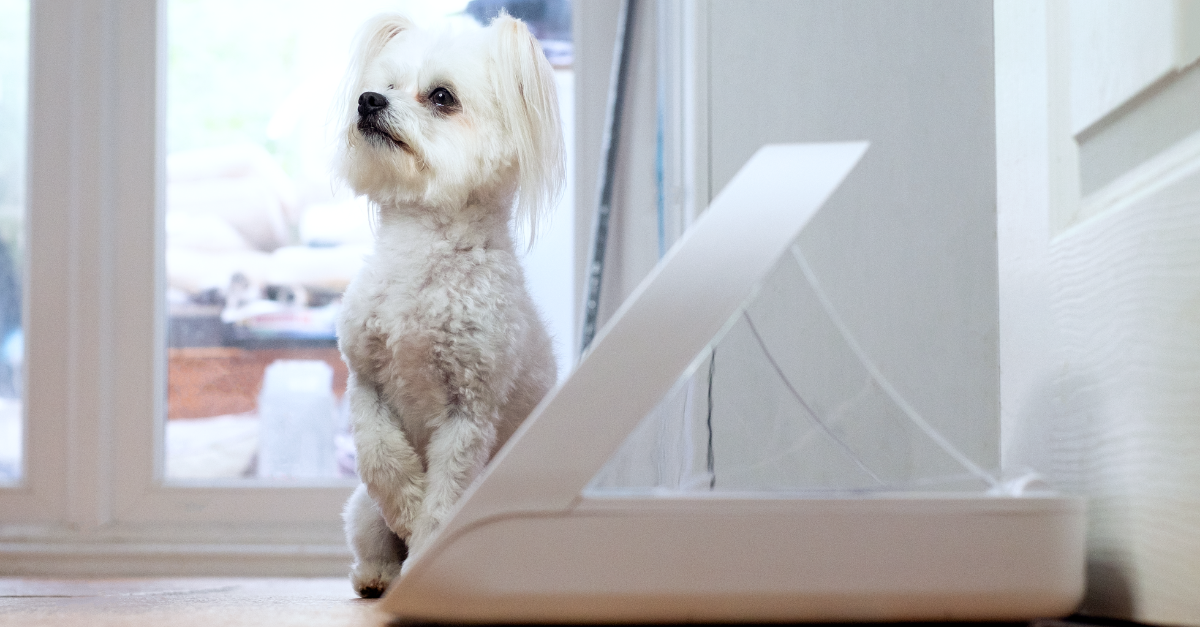
Image Source: www.surepetcare.com
Why Do Dogs Eat Cat Food?
Dogs are opportunistic eaters, and cat food presents a tempting target. Several factors contribute to dog eating cat food.
Nutritional Differences
Cat food is typically richer in protein and fat than dog food. This higher concentration can be appealing to dogs, especially those who are always hungry or have a strong drive to scavade. Cats have different nutritional needs than dogs, and their food is formulated to meet those specific requirements. For instance, cats are obligate carnivores, meaning they must eat meat to survive and thrive. Their food reflects this, with higher levels of animal-based protein and essential nutrients like taurine, which dogs can synthesize on their own. While this high-protein, high-fat content might seem like a treat to your dog, it can lead to an upset stomach, pancreatitis (especially in certain breeds or older dogs), or weight gain if consumed regularly.
Sensory Appeal
The aroma and taste of cat food can be highly enticing to dogs. The concentrated ingredients and often fish-based proteins used in many cat foods can be more pungent and flavorful than standard dog kibble, making it a highly desirable snack for a curious canine nose. Dogs also tend to be less picky than cats, and if it smells good and is readily available, they’ll often investigate.
Behavioral Reasons
Sometimes, dog eating cat food is simply a matter of opportunity. If the cat’s food is easily accessible, a dog might learn that it’s a readily available source of food, especially if they are bored, experiencing anxiety, or seeking attention. It can become a learned behavior, especially if the dog is not adequately stimulated or fed with a balanced diet.
Resource Guarding
In some cases, a dog might exhibit dog cat food aggression by trying to steal the cat’s food. This can be a form of resource guarding, where the dog perceives the cat’s food as a valuable item they need to protect or acquire. This behavior needs careful management and training to prevent conflict between pets.
Proven Strategies to Prevent Dog from Eating Cat Food
Successfully implementing strategies to prevent dog from eating cat food requires a multi-faceted approach. Combining environmental management with training is key.
Environmental Management: Creating Barriers
The simplest way to stop dog raiding cat food is to make it inaccessible. This involves physically separating the feeding areas or using specialized equipment.
Elevated Feeding Stations
One effective method is to feed the cat in a location that is difficult for the dog to access. This could be on top of a washing machine, a counter, or a sturdy shelf. Ensuring the surface is stable and the cat can easily jump up and down is crucial. However, consider the mobility of your cat, especially if they are elderly or have joint issues.
Cat Doors and Cat Doors for Rooms
Installing a cat door that only the cat can use is an excellent way to grant them exclusive access to their feeding area. These doors can be programmed to recognize the cat’s microchip or a special collar tag, ensuring only your feline friend can enter. Alternatively, dedicating a room for the cat to eat in, with a standard door that can be closed or a smaller pet gate that only the cat can navigate, works well.
Using Raised Cat Bowls for Dogs
Specialized cat food bowls for dogs and raised feeding stations are designed to elevate the cat’s food bowl. While some are simply taller versions of regular bowls, others are more sophisticated, featuring a design that makes it difficult for a dog to reach the food without significant effort or manipulation. Some raised feeders have a small opening that only allows a cat to access the food.
Secure Feeding Enclosures
Consider a feeding enclosure or crate for the cat’s food. This could be a wire crate with openings small enough for the cat to pass through but too small for the dog. Ensure the enclosure is large enough for the cat to eat comfortably without feeling trapped.
Nutritional Adjustments and Feeding Schedules
Sometimes, adjusting the dog’s diet or feeding schedule can indirectly reduce their interest in the cat’s food.
Consistent Feeding Times
Feeding both pets at the same time can help. If both meals are provided simultaneously and then removed, the opportunity for the dog to steal cat food is significantly reduced. This also helps establish a routine, which can be beneficial for both animals.
Adequate Dog Nutrition
Ensure your dog is receiving a high-quality, balanced diet appropriate for their age, breed, and activity level. A dog that is well-fed and satisfied with their own food is less likely to seek out other food sources. Consult with your veterinarian to ensure your dog’s diet meets all their nutritional needs.
Portion Control for Dogs
Overfeeding your dog can contribute to weight gain and a general feeling of constant hunger. Stick to recommended portion sizes and avoid free-feeding your dog, as this can encourage them to graze and potentially seek out other food sources when they feel hungry.
Training and Behavior Modification
Teaching your dog commands and redirecting their behavior are vital components of keeping dog out of cat food.
Teaching “Leave It”
The “Leave It” command is invaluable. Practice this command with your dog using low-value treats first, then gradually increasing the difficulty. Once mastered, you can use it to deter them from the cat’s food. When your dog shows interest in the cat’s food, calmly say “Leave It” and redirect their attention with a high-value treat or a favorite toy.
Positive Reinforcement
Reward your dog for ignoring the cat’s food or for responding to commands when near the cat’s feeding area. Positive reinforcement is much more effective than punishment. When your dog walks past the cat’s food without a second glance, offer praise and a small treat.
Redirection
If you catch your dog attempting to eat the cat food, don’t punish them. Instead, redirect their attention. Clap your hands, call their name, or offer a toy. The goal is to associate the cat’s food area with redirection and reward, rather than fear or punishment.
Leash and Crate Training
During meal times, especially in the initial stages of managing this behavior, you might need to use a leash to keep your dog under control or crate train them during the cat’s feeding time. This provides a safe, contained space for your dog while your cat eats undisturbed.
Socialization and Play
Ensure your dog is getting enough physical and mental stimulation. A bored or anxious dog is more likely to engage in destructive or problematic behaviors, including dog stealing cat food. Regular exercise, puzzle toys, and interactive play can help reduce their motivation to seek out forbidden snacks.
Products and Tools for Managing Dog Eating Cat Food
A variety of products can assist in keeping dog out of cat food.
Smart Feeders and Pet Gates
- Smart Feeders: Some advanced pet feeders allow you to schedule feeding times and dispense food only when the designated pet is present (often via microchip or RFID tag). This can be a game-changer for multi-pet households.
- Pet Gates: While a standard pet gate can offer a physical barrier, consider specialized gates designed for pets. Some have a small opening at the bottom that only a cat can fit through, allowing them access to their feeding station while keeping the dog out. Others are tall enough to prevent most dogs from jumping over.
Odor and Taste Deterrents
While not a primary solution, dog food deterrents for cats (though this phrasing is a bit inverted, as we’re deterring the dog from the cat food, not the other way around for the cat) can be used cautiously. However, it’s important to use these products responsibly and ensure they are pet-safe. Applying a pet-safe, bitter-tasting spray to the outside of the cat food bowls or the immediate area around them might deter the dog. Always test a small area first and monitor your pets for any adverse reactions.
Elevated and Inaccessible Feeding Stations
- Cat Furniture with Integrated Feeding Areas: Some cat trees or shelves have designated platforms or enclosed spaces perfect for a cat’s food bowl.
- Custom Solutions: Homeowners have also created custom solutions, like modifying cabinets to have small openings for cats or building raised platforms.
Table 1: Comparison of Feeding Solutions for Multi-Pet Households
| Solution Type | Pros | Cons | Best For |
|---|---|---|---|
| Elevated Feeding Stations | Simple, can be cost-effective, good for smaller dogs. | May not be sufficient for tall or determined dogs. | Cats of varying ages and mobility, smaller dogs. |
| Cat Doors/Microchip Feeders | Highly effective, provides exclusive access for the cat. | Can be expensive, requires installation, relies on technology. | Households with determined dogs, cats who need a safe space to eat. |
| Designated Cat-Only Room | Creates a complete barrier, reduces potential for conflict. | Requires dedicating a room, cats might feel isolated if not managed. | All multi-pet households, especially where dogs are persistent. |
| Scheduled Feeding & Removal | Simple, cost-effective, reinforces routine. | Requires strict adherence to schedule, potential for competition. | All multi-pet households, especially when owners are home to supervise. |
| Training (“Leave It”) | Builds good behavior, empowers the owner. | Requires time, consistency, and patience. | All dog owners, as it’s a fundamental command. |
| Dog Food Deterrents (Pet-Safe) | Can add an extra layer of deterrence for some dogs. | Not a standalone solution, requires careful product selection. | As a supplementary measure for persistent dogs. |
Addressing Dog Cat Food Aggression
When dog cat food aggression is a factor, simply blocking access might not be enough. It’s crucial to address the underlying behavioral issues.
Identifying Triggers
Observe when the aggression occurs. Is it only when the cat is eating? Or when the dog sees the cat’s food bowl at all? Knowing the triggers is the first step.
Counter-Conditioning
This involves changing the dog’s emotional response to the cat’s food. When the dog sees the cat eating or the food bowl, offer a high-value treat to the dog. The goal is to create a positive association: “When the cat eats, good things happen to me!”
Desensitization
Gradually expose your dog to the cat’s food at a distance where they don’t react negatively. Slowly decrease the distance over time, always rewarding calm behavior. If the dog shows any signs of stress or aggression, you’ve moved too quickly and need to back up.
Professional Help
If dog cat food aggression is severe or you’re struggling to manage it, consult a certified professional dog trainer or a veterinary behaviorist. They can provide personalized strategies and ensure the safety of all pets and household members.
Frequently Asked Questions (FAQ)
What happens if my dog eats cat food?
A small amount of cat food is unlikely to cause significant harm, but it can lead to an upset stomach, vomiting, or diarrhea. Regular consumption can cause more serious health issues due to the different nutritional balance.
Is cat food bad for dogs?
Yes, regularly feeding cat food to dogs is detrimental to their health. It’s too rich in protein and fat, which can lead to digestive upset, obesity, pancreatitis, and other health problems.
How can I stop my dog from stealing cat food?
To stop your dog from stealing cat food, you need to implement environmental management (like elevated feeders or separate rooms), provide your dog with adequate nutrition and mental stimulation, and train them with commands like “Leave It.”
Can I feed my dog and cat the same food?
No, dogs and cats have different nutritional needs. Dog food lacks essential nutrients like taurine that cats require, and cat food is too rich for dogs, potentially causing health problems.
What are good feeding solutions for multi-pet households?
Effective solutions include using elevated feeders, installing cat doors, dedicating a cat-only feeding room, using microchip-activated feeders, and implementing strict feeding schedules with immediate food removal.
How do I prevent dog cat food aggression?
To prevent or manage dog cat food aggression, focus on counter-conditioning, desensitization, ensuring your dog’s needs are met, and seeking professional guidance if the aggression is severe.
Are there specific dog food deterrents for cats?
The term is usually used the other way around. For preventing dogs from eating cat food, consider pet-safe bitter sprays applied to the area around the bowls, but these are supplementary aids, not primary solutions.
By employing a combination of these strategies, you can effectively stop dog raiding cat food and create a more harmonious living environment for all your pets. Consistency and patience are key to success.