
Image Source: www.hepper.com
How To Make Cat Gain Weight Fast Safely
Can you make a cat gain weight fast safely? Yes, you can help your cat gain weight quickly and safely by working with your veterinarian to identify the cause of weight loss and implement a tailored feeding plan. The key is to approach it systematically, prioritizing your cat’s overall health and well-being.
Why Is Your Cat Underweight?
Several factors can contribute to a cat being underweight. It’s crucial to pinpoint the root cause before starting any weight gain program.
Medical Conditions
Illness is a primary culprit behind unexplained weight loss. Many diseases can affect a cat’s ability to absorb nutrients or increase their energy expenditure, leading to a thinner physique.
- Gastrointestinal Issues: Conditions like inflammatory bowel disease (IBD), parasitic infections, or malabsorption syndromes hinder the gut’s ability to process food and absorb essential nutrients. This means even if your cat is eating, they aren’t benefiting from the calories.
- Hyperthyroidism: This common endocrine disorder in older cats speeds up metabolism. Affected cats often have a voracious appetite but still lose weight because their bodies burn calories too quickly.
- Diabetes Mellitus: While some diabetic cats gain weight, others lose it, especially if their blood sugar is poorly controlled. They can’t effectively use glucose for energy, leading to muscle wasting.
- Kidney Disease: Chronic kidney disease (CKD) often leads to poor appetite, nausea, and nutrient loss, all of which contribute to weight loss.
- Dental Problems: Painful teeth or gums can make eating difficult or uncomfortable, leading a cat to eat less, even if they are hungry.
- Cancer: Various cancers can cause weight loss due to increased metabolic demands, loss of appetite, or interference with nutrient absorption.
- Infections: Chronic infections, whether bacterial, viral, or fungal, can drain a cat’s energy reserves and lead to weight loss.
Dietary Factors
What and how your cat eats plays a significant role in maintaining a healthy weight.
- Insufficient Calorie Intake: Simply not feeding enough calories for your cat’s age, activity level, and metabolic needs will result in weight loss. This can happen if the food quality is poor or the portions are too small.
- Poor Quality Food: Not all cat food is created equal. Low-quality ingredients or formulas that lack essential nutrients won’t provide the necessary building blocks for healthy weight gain.
- Dietary Intolerance or Allergies: If a cat has an allergy or intolerance to a specific ingredient, it can lead to digestive upset and hinder nutrient absorption, resulting in weight loss.
Environmental and Behavioral Factors
Stress and changes in routine can also impact a cat’s appetite and overall health.
- Stress and Anxiety: A stressed or anxious cat may reduce their food intake. This can be triggered by changes in the household, new pets, loud noises, or a lack of a safe, predictable environment.
- Competition for Food: In multi-cat households, a timid cat might be intimidated by more assertive housemates, preventing them from eating their fill.
- Age: Very young kittens and senior cats have different nutritional needs. Kittens require calorie-dense food for growth, while older cats might experience a decline in appetite or have underlying health issues that affect weight.
The Crucial Role of Veterinary Consultation
Before you even think about changing your cat’s diet to promote weight gain, a visit to your veterinarian is absolutely essential. They are your primary resource for ensuring any weight gain is healthy and safe.
Why Vet Involvement is Non-Negotiable
- Diagnosis: Your vet can perform a thorough physical examination, blood tests, urine tests, and possibly imaging to determine the underlying cause of your cat’s underweight condition. Treating the root cause is paramount for any successful weight gain strategy.
- Tailored Nutritional Plan: Based on your cat’s specific health status, age, and any diagnosed conditions, your vet can recommend the most appropriate high-calorie cat food, feeding schedule, and any necessary supplements.
- Monitoring Progress: Regular check-ups allow your vet to monitor your cat’s weight gain, assess their overall health, and make adjustments to the diet as needed. This prevents overfeeding or feeding the wrong types of nutrients, which can be detrimental.
- Addressing Underlying Illnesses: If an illness is the cause of weight loss, your vet will prescribe treatment. For example, a cat with hyperthyroidism will need medication, and a cat with parasites will need deworming. Weight gain can only occur effectively once the underlying medical issue is managed.
What to Expect During a Vet Visit for Weight Gain
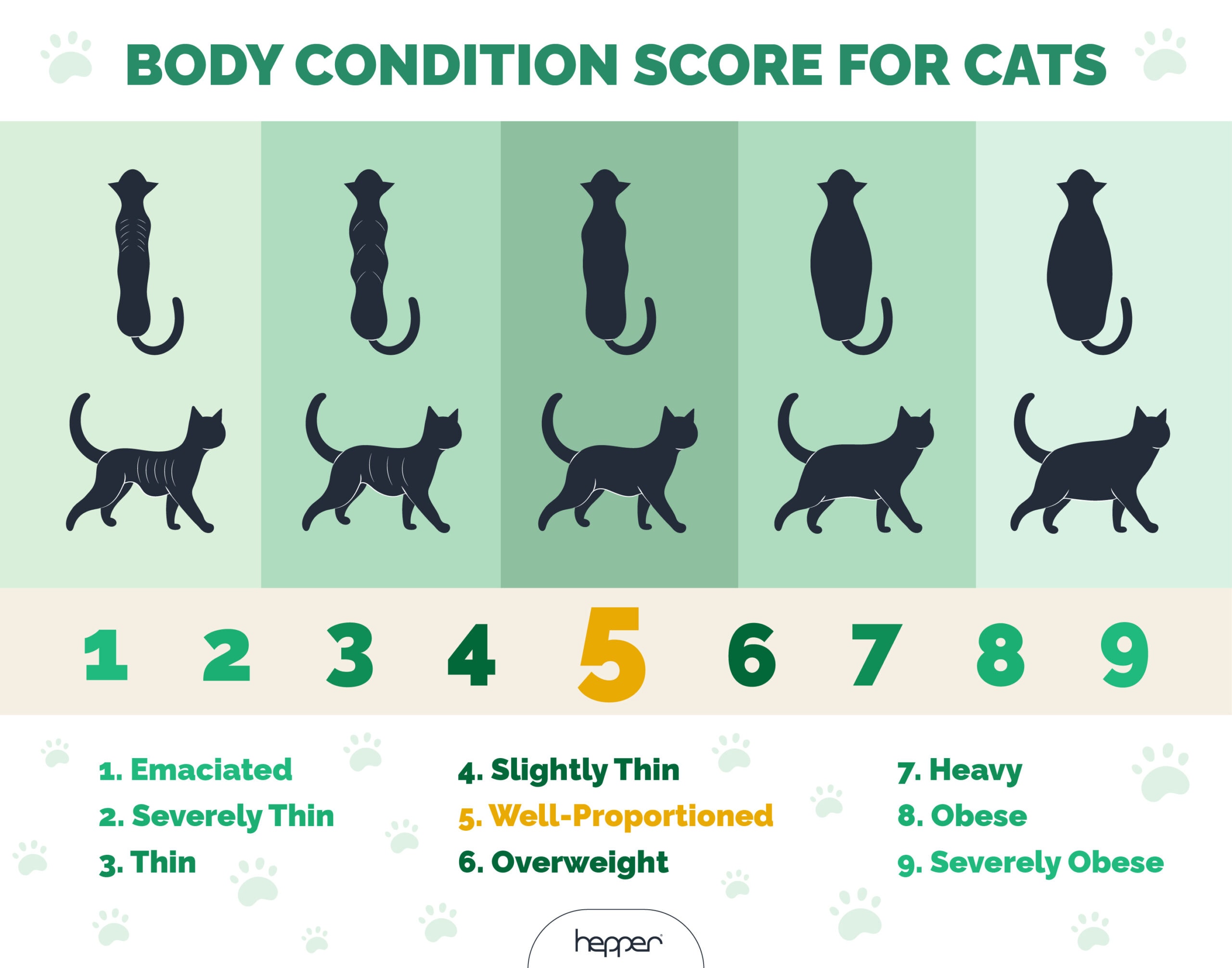
- Physical Exam: The vet will assess your cat’s body condition score, check their teeth and gums, palpate their abdomen, and listen to their heart and lungs.
- History Taking: They will ask detailed questions about your cat’s diet, eating habits, energy levels, litter box habits, and any recent changes in the household.
- Diagnostic Tests: Depending on the initial findings, your vet might suggest blood work (to check organ function, blood counts, thyroid levels, and glucose), urinalysis, fecal tests (for parasites), or imaging like X-rays or ultrasounds.
Strategies for Healthy Cat Weight Gain
Once your vet has ruled out serious medical issues or provided treatment for them, you can focus on implementing dietary strategies to help your cat gain weight. The goal is gradual, consistent weight gain rather than rapid, unhealthy fat accumulation.
Choosing the Right Food
The type of food you choose is critical for effective and safe weight gain.
- High-Calorie Cat Food: These are specially formulated foods that pack more calories into each bite. They are ideal for underweight cats as they allow for increased calorie intake without significantly increasing food volume, which can be beneficial if appetite is still a concern. Look for formulas designed for:
- Kitten weight gain: Kittens have high energy requirements for growth.
- Recovery diets: These are often highly palatable and digestible, with increased calories and nutrients.
- Senior cats: Some senior formulas are calorie-dense to combat age-related weight loss.
- Wet Food vs. Dry Food:
- Wet Food: Often more palatable and contains higher moisture content, which can be beneficial for cats with kidney issues or who don’t drink enough. Many high-calorie diets come in wet food formulations.
- Dry Food: Can be easier to leave out for free-feeding if your cat grazes. Some dry foods are formulated to be calorie-dense.
- Palatability: The best high-calorie food is useless if your cat won’t eat it. Try different brands and flavors, focusing on those with appealing textures and aromas. Warming wet food slightly can also enhance its smell and encourage eating.
- Nutrient Density: Beyond just calories, ensure the food provides balanced protein, fats, and essential vitamins and minerals. Protein is vital for muscle building for cats.
Adjusting the Feeding Schedule
How and when you feed your cat can significantly impact their calorie intake.
- Frequent Small Meals: Instead of two large meals a day, try offering several smaller meals throughout the day. This can be easier on their digestive system and may encourage them to eat more if their appetite is still somewhat suppressed. A kitten feeding schedule is often based on this principle, with multiple small meals.
- Free-Feeding (with Caution): If your cat is not prone to overeating and has no underlying conditions that require portion control, you might consider leaving dry food available for them to graze on throughout the day. However, monitor intake to ensure they are eating enough and not just pushing food around.
- Scheduled Meal Times: For cats who respond better to routine, stick to set meal times. This can help regulate their appetite and ensure they are present and ready to eat when food is offered.
Enhancing Food Appeal and Intake
Making food more enticing is key to increasing your cat’s calorie consumption.
- Add Toppers: A small amount of a highly palatable topper can make their regular food more appealing. Options include:
- A tiny bit of tuna water (in moderation, as tuna lacks complete nutrition).
- Low-sodium chicken broth.
- A sprinkle of nutritional yeast.
- A small amount of pureed meat baby food (ensure it contains no onion or garlic).
- Warm the Food: Gently warming wet food (to body temperature, not hot) releases aromas that can stimulate appetite.
- Interactive Feeders: Puzzle feeders or slow feeders can make mealtime more engaging, especially for cats who are bored or easily distracted. However, for a cat needing to gain weight rapidly, simple, easy access to food is often preferred initially.
- Separate Feeding Areas: If you have multiple pets, ensure your underweight cat has a quiet, safe place to eat without being bothered or competing for food.
Considering Supplements and Aids
Under veterinary guidance, supplements or appetite stimulants might be considered.
- Nutritional Supplements: Your vet may recommend specific supplements like:
- High-calorie pastes: These are concentrated sources of calories and nutrients, often given directly by mouth.
- Omega-3 Fatty Acids: Can help improve appetite and have anti-inflammatory benefits, particularly useful for recovery diet for cats.
- Probiotics: Support gut health, aiding in nutrient absorption.
- Cat Appetite Stimulant: In cases of severe appetite loss that doesn’t improve with dietary changes, your vet might prescribe a cat appetite stimulant. These medications can help increase a cat’s desire to eat. Use these strictly as directed by your veterinarian.
Monitoring and Adjusting
Weight gain is an ongoing process that requires consistent monitoring and flexibility.
- Regular Weigh-ins: Weigh your cat regularly (e.g., weekly) at home using a baby scale or by weighing yourself, then weighing yourself while holding your cat, and subtracting the difference. Record the weights to track progress.
- Body Condition Scoring: Beyond just weight, assess your cat’s body condition. You should be able to feel their ribs easily under a thin layer of fat, and they should have a visible waist tuck when viewed from above. Your vet can show you how to do this.
- Observe Appetite and Behavior: Keep an eye on your cat’s eating habits, energy levels, and overall demeanor. Are they more playful? More lethargic? Any changes should be discussed with your vet.
- Patience is Key: While you want to help your cat gain weight quickly, remember that healthy cat weight gain is a gradual process. Aim for a steady increase of about 1-2% of their body weight per week. Rapid weight gain can sometimes lead to other health problems.
Special Considerations for Kittens
Kitten weight gain requires a slightly different approach due to their rapid growth and development.
- High-Energy Kitten Food: Always feed a high-quality kitten-specific food, as it’s formulated with the necessary calories and nutrients for growth.
- Frequent Feeding Schedule: Kittens have small stomachs and high energy needs. A kitten feeding schedule typically involves offering food 4-6 times a day, or even more frequently for very young kittens.
- Monitor Growth: Kittens should gain weight consistently. If a kitten isn’t growing as expected, veterinary intervention is crucial to rule out congenital issues or diseases.
- Weaning Process: Ensure a smooth transition during weaning, introducing kitten-specific wet or softened dry food gradually.
The Long-Term Goal: Sustaining Healthy Weight
Once your cat has reached a healthy weight, the goal shifts to maintaining it.
- Transition to Adult Maintenance Food: Gradually transition your cat from a high-calorie or kitten food to a high-quality adult maintenance food. Mix the new food with the old food, slowly increasing the proportion of the new food over a week to avoid digestive upset.
- Regular Feeding Amounts: Feed appropriate portion sizes for your cat’s age, activity level, and metabolism. Consult your vet or the food packaging for recommendations.
- Continued Monitoring: While not as intensive as during the weight gain phase, continue to monitor your cat’s weight and body condition periodically. If you notice unintentional weight loss or gain, consult your veterinarian.
- Environmental Enrichment: Providing an enriching environment with plenty of play and mental stimulation can help maintain a healthy metabolism and appetite.
Common Pitfalls to Avoid
When trying to help your cat gain weight, it’s easy to make mistakes. Being aware of these pitfalls can help ensure a safer and more effective process.
- Overfeeding Unbalanced Diets: Feeding only high-fat treats or human food can lead to nutritional deficiencies and an unhealthy accumulation of fat without building muscle.
- Ignoring Veterinary Advice: Skipping vet visits or self-diagnosing and treating can be dangerous, especially if an underlying medical condition is present.
- Rapid, Unsupervised Weight Gain: Trying to make your cat gain weight too quickly can lead to hepatic lipidosis (fatty liver disease), a serious and potentially fatal condition.
- Forcing Food: Never force-feed a cat unless specifically instructed by your vet using appropriate methods (like syringe feeding very small amounts). This can create a negative association with food and stress.
- Not Addressing Underlying Issues: If your cat is not eating due to pain, nausea, or stress, simply offering more food won’t solve the problem.
Frequently Asked Questions (FAQ)
Q1: How quickly can I expect my cat to gain weight?
A1: Healthy weight gain is gradual, typically around 1-2% of body weight per week. The exact timeline depends on the underlying cause of weight loss, your cat’s metabolism, and how well they respond to the dietary plan.
Q2: Can I give my cat human food to help them gain weight?
A2: It’s generally not recommended. Human foods are often unbalanced in nutrients for cats, can be too fatty or salty, or may contain toxic ingredients (like onions and garlic). Stick to veterinarian-approved cat foods or supplements.
Q3: My cat is a picky eater. How can I get them to eat more?
A3: Focus on highly palatable foods, warm wet food slightly, try different textures, and consider small amounts of vet-approved toppers. In severe cases, a prescription appetite stimulant might be necessary, as directed by your vet.
Q4: Is it okay to free-feed my underweight cat?
A4: It can be an option if your cat grazes and doesn’t overeat, and if they have no medical conditions requiring portion control. However, monitor intake and ensure they are actually eating enough. Scheduled meals might be better for some cats to ensure consistent intake.
Q5: What are signs that my cat is gaining weight healthily?
A5: You should be able to feel their ribs easily with gentle pressure, and they should have a visible waist. Their energy levels should increase, and they should appear more robust, not just fatter.
By following these guidelines and working closely with your veterinarian, you can help your cat achieve and maintain a healthy weight safely and effectively. Remember, the focus is always on your cat’s overall health and well-being throughout the process.