
Can my cat have allergies? Yes, cats can and do develop allergies, just like humans. These allergies can manifest in various ways, impacting their skin, respiratory system, and overall well-being. Feline allergies are a common concern for cat owners, and recognizing the signs is the first step toward helping your furry friend feel better.
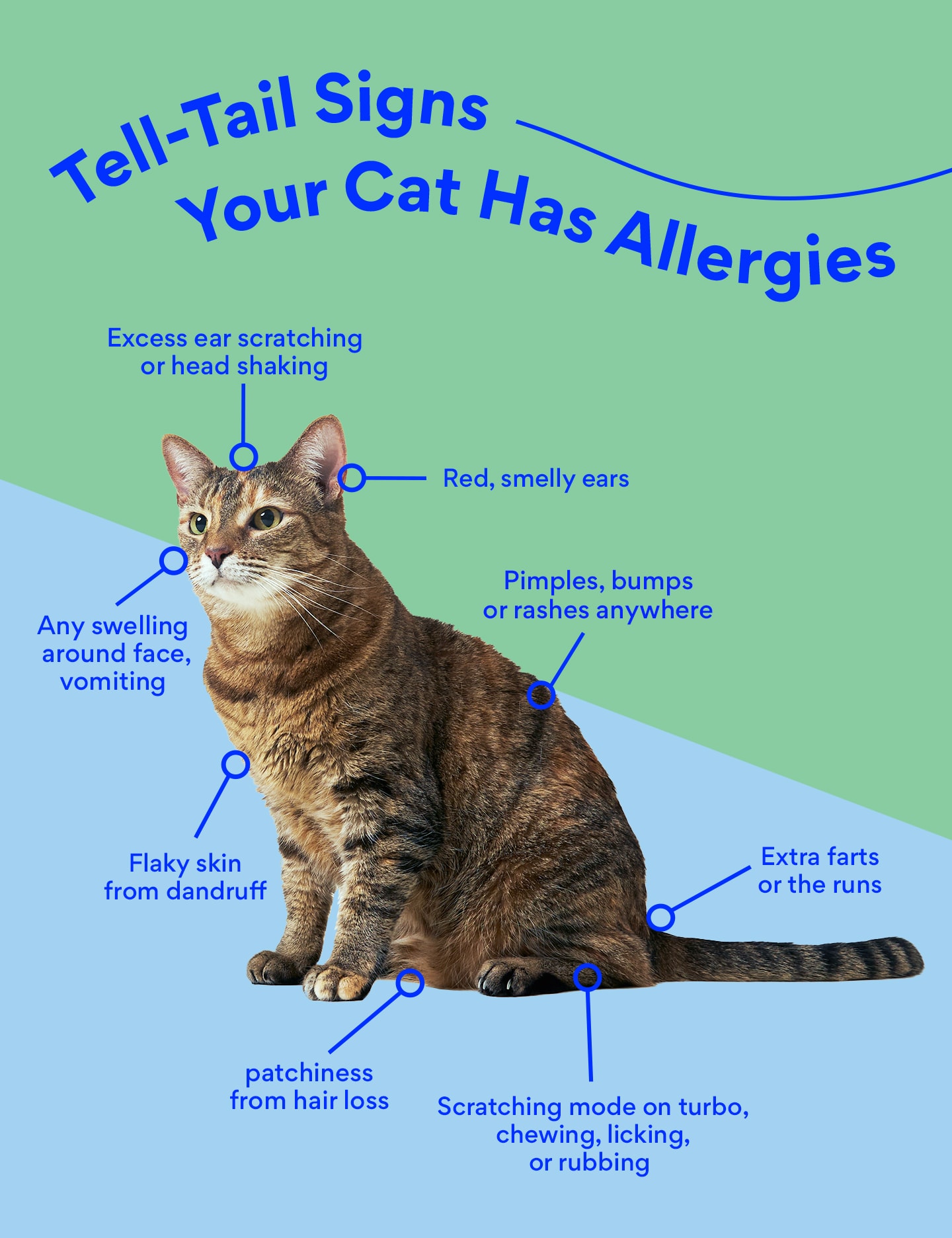
Image Source: media-be.chewy.com
Deciphering Cat Allergy Symptoms
Feline allergies can be tricky to diagnose because the symptoms often overlap with other health issues. However, by paying close attention to your cat’s behavior and physical changes, you can start to piece together whether allergies might be the culprit. The key is to observe a pattern of specific symptoms that seem to arise or worsen under certain conditions or over time.
Common Cat Allergens: What to Look For
Cats can be allergic to a surprisingly wide range of things, both environmental and dietary. Identifying these common cat allergens is crucial for effective management and treatment.
Environmental Allergens:
- Pollen: From trees, grasses, and weeds, especially during certain seasons.
- Dust Mites: Tiny creatures found in household dust, bedding, and carpets.
- Mold Spores: Present in damp areas like bathrooms, basements, and even in soil.
- Flea Saliva: Even a single flea bite can trigger a severe allergic reaction in sensitive cats. This is one of the most frequent causes of allergic skin issues.
- Certain Fabrics and Cleaning Products: Chemicals in detergents, air fresheners, and synthetic materials can irritate sensitive cats.
- Perfumes and Smoke: Strong scents and tobacco smoke are common irritants.
Food Allergens:
- Proteins: Commonly chicken, beef, fish, and dairy.
- Grains: While less common, some cats can react to wheat, corn, or soy.
Interpreting the Signs of Cat Allergies
The manifestation of feline allergies can vary significantly from one cat to another. Some cats might show subtle signs, while others experience severe discomfort. Recognizing these signs of cat allergies is vital for prompt intervention.
Skin Issues: The Most Visible Clues
Cat itchy skin is perhaps the most prevalent sign of allergies. When a cat’s immune system overreacts to an allergen, it can cause inflammation and intense itching.
Excessive Scratching and Licking
- Constant Scratching: Your cat may scratch frequently, often with their hind legs, targeting specific areas.
- Over-Grooming: They might lick, chew, or bite at their skin obsessively, particularly around their paws, belly, or hindquarters. This can lead to bald patches.
- Irritation: The skin may appear red, inflamed, or bumpy in areas of excessive scratching.
Hair Loss and Skin Lesions
- Cat hair loss: This can occur due to the constant scratching and chewing. It often appears in symmetrical patterns, commonly on the flanks, abdomen, and thighs.
- Miliary Dermatitis: This is a specific type of skin reaction characterized by small, hard bumps that feel like millet seeds under the fur, often accompanied by crusting and itching.
- Sores and Scabs: Persistent scratching can break the skin, leading to open sores, scabs, and secondary bacterial infections.
- Eosinophilic Granuloma Complex: This can present as raised, pink-to-red or yellowish-white linear lesions, often on the back of the thighs, face, or in the mouth.
Respiratory Signs: When Breathing is Affected
While skin issues are more common, some cats may experience respiratory symptoms if allergens are inhaled.
- Cat sneezing: Frequent sneezing can be a sign of irritation in the nasal passages due to airborne allergens.
- Runny Nose: A clear nasal discharge can accompany sneezing.
- Watery Eyes: Similar to sneezing, irritated eyes can lead to increased tear production.
- Coughing or Wheezing: In more severe cases, inflammation in the airways can cause coughing or wheezing, mimicking asthma.
Other Indicators of Feline Allergies
Beyond skin and respiratory issues, allergies can contribute to other problems:
- Cat ear infections: Allergens can cause inflammation and increased wax production in the ear canals, making them prone to infections. Signs include head shaking, scratching at the ears, and a foul odor.
- Gastrointestinal Upset: While less common for environmental allergies, food allergies can manifest as vomiting, diarrhea, or appetite changes.
- Behavioral Changes: A cat experiencing constant itchiness or discomfort may become irritable, withdrawn, or even aggressive.
Diagnosing Feline Allergies: A Veterinary Approach
Pinpointing the exact cause of your cat’s symptoms requires professional help. A veterinarian is essential for a proper diagnosis and to rule out other potential health problems.
The Diagnostic Process
Veterinarians employ several methods to diagnose allergies:
- History and Physical Examination: The vet will ask detailed questions about your cat’s symptoms, diet, environment, and any recent changes. A thorough physical exam will assess the skin, ears, eyes, and overall health.
- Rule-Outs: It’s crucial to rule out other conditions that can cause similar symptoms, such as parasites (fleas, mites), fungal infections (ringworm), bacterial infections, or other systemic diseases.
- Flea Allergy Dermatitis Testing: If flea allergy is suspected, the vet may try a strict flea control regimen.
- Dietary Elimination Trials: For suspected food allergies, a strict hypoallergenic diet is the gold standard. This involves feeding a novel protein or hydrolyzed protein diet for 8-12 weeks. If symptoms improve, allergens are reintroduced one by one to identify the offending ingredient.
- Intradermal Skin Testing: Similar to human allergy testing, small amounts of allergens are injected under the skin to observe for reactions. This is more commonly performed by veterinary dermatologists.
- Blood Testing (Serology): While less reliable for environmental allergies in cats compared to dogs, some blood tests can detect antibodies to certain allergens.
Treating Cat Allergies: Strategies for Relief
Once a diagnosis is made, the focus shifts to managing and treating cat allergies. The goal is to alleviate symptoms and improve your cat’s quality of life.
Eliminating or Reducing Allergen Exposure
The most effective treatment is to remove or minimize exposure to the allergen.
- Flea Control: Rigorous and consistent flea prevention is paramount for flea allergies. Use vet-recommended products year-round.
- Dietary Management: Strict adherence to a hypoallergenic diet is key for food allergies.
- Environmental Control:
- Dust Mites: Vacuum regularly with a HEPA filter, wash bedding in hot water weekly, and consider air purifiers.
- Pollen: Keep windows closed during high pollen seasons, and groom your cat after they’ve been outside.
- Irritants: Avoid strong perfumes, air fresheners, and harsh cleaning chemicals. Use unscented, pet-safe products.
Medications and Therapies
Veterinarians may prescribe various medications to manage allergic reactions and their symptoms.
- Antihistamines: While not as effective in cats as in humans, some antihistamines can provide mild relief.
- Corticosteroids: These are potent anti-inflammatory drugs that can quickly reduce itching and inflammation. However, they have potential side effects and are usually used for short-term relief or in severe cases.
- Immunosuppressants: Drugs like cyclosporine or oclacitinib can be used to suppress the immune system’s overreaction to allergens, offering long-term relief with fewer side effects than steroids in some cases.
- Oclacitinib (Apoquel): This newer medication targets specific pathways involved in itch and inflammation, offering targeted relief for allergic skin disease.
- Monoclonal Antibody Therapy (Lokivetmab/Cytopoint): This innovative therapy involves injecting antibodies that specifically target and neutralize a key protein involved in itch signaling, providing sustained relief.
- Antibiotics/Antifungals: If secondary infections develop due to compromised skin, appropriate medications will be prescribed.
- Medicated Shampoos and Wipes: Topical treatments can help soothe irritated skin, reduce inflammation, and remove allergens.
- Omega-3 Fatty Acids: Supplements like fish oil can help improve skin barrier function and reduce inflammation.
At-Home Care and Supportive Measures
Beyond veterinary treatments, you can implement several at-home strategies to support your cat’s comfort.
- Gentle Grooming: Brush your cat regularly to remove loose fur and allergens from their coat.
- Wipe Down: After outdoor exposure, gently wipe your cat with a damp cloth to remove pollen and other environmental irritants.
- Comfortable Environment: Provide a clean, comfortable, and allergen-free resting space for your cat.
Frequently Asked Questions About Cat Allergies
Q: How quickly do cat allergy symptoms appear?
A: Symptoms can appear suddenly or develop gradually over time. Some cats might show immediate reactions after exposure to an allergen, while others may develop symptoms over weeks or months of consistent exposure.
Q: Can I test my cat for allergies at home?
A: While there are at-home allergy test kits available, their accuracy for cats is often debated, and they are not as reliable as veterinary diagnostics. It’s always best to consult your veterinarian for a proper diagnosis.
Q: How can I tell if my cat’s symptoms are from allergies or something else?
A: This is where veterinary expertise is invaluable. Symptoms like sneezing, watery eyes, and itchy skin can indicate various health issues. A veterinarian can perform diagnostic tests to differentiate allergies from other conditions like infections, parasites, or other diseases.
Q: Are all cats prone to allergies?
A: No, not all cats are prone to allergies. Like humans, some cats have a genetic predisposition, while others may develop sensitivities later in life.
Q: My cat is constantly scratching. Does this always mean allergies?
A: While excessive scratching is a hallmark of allergies, it can also be caused by fleas, skin infections, or pain. A veterinarian can help determine the underlying cause.
Q: What is the most common allergy in cats?
A: Flea allergy dermatitis is the most common allergy in cats. Many cats react severely to the saliva of fleas, even after just one bite.
Q: Can I give my cat human allergy medicine?
A: Never give your cat human medications without explicit instructions from your veterinarian. Many human medications are toxic to cats.
Q: How long does it take to diagnose a food allergy in cats?
A: A dietary elimination trial, the gold standard for diagnosing food allergies, typically takes 8 to 12 weeks to complete.
By staying observant and working closely with your veterinarian, you can effectively identify and manage your cat’s allergies, ensuring they live a happy and healthy life.