
Can you keep an outside cat warm in winter? Yes, absolutely! With the right preparations and resources, you can significantly improve an outdoor cat’s chances of staying safe and comfortable during the coldest months. This guide will walk you through essential strategies for keeping your feline friend warm and protected from winter’s harsh bite.
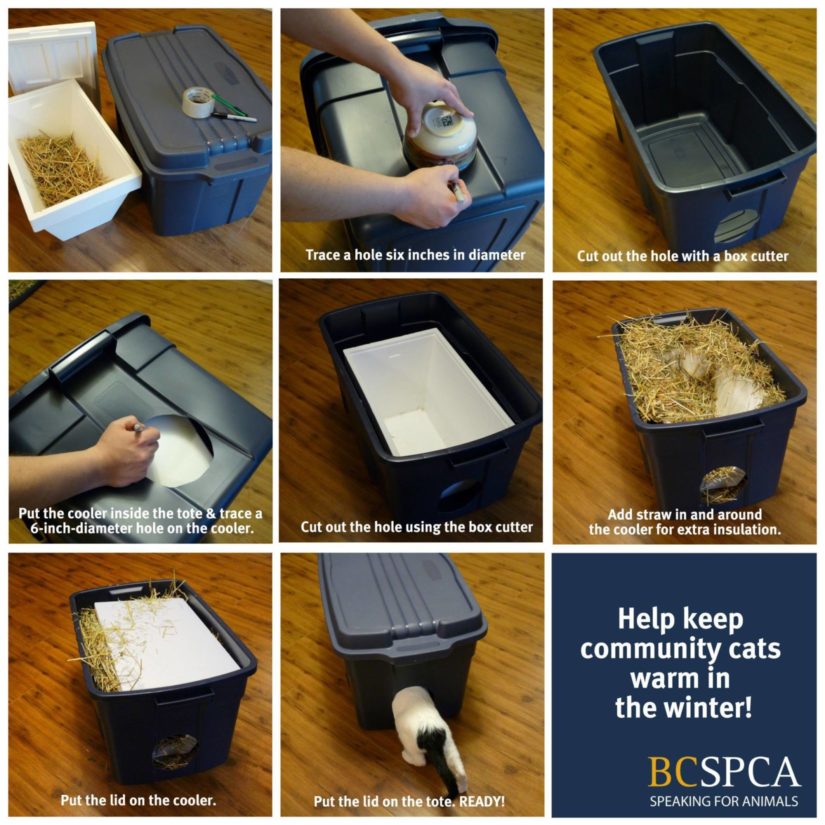
Image Source: b1157417.smushcdn.com
Preparing Your Outdoor Cat for Winter
Cats are surprisingly resilient creatures, but even the most rugged outdoor cat needs help when temperatures plummet. Their natural instincts for survival are a great starting point, but human intervention can make a world of difference. Let’s explore how to best prepare your outdoor cat for the chill.
Assessing Your Cat’s Needs
Before you start building a winter paradise, take a moment to consider your specific cat. Is it a seasoned outdoor explorer or a newcomer to the elements? Is it young, elderly, or does it have any underlying health conditions? These factors will influence the level of protection and warmth you need to provide.
- Age: Kittens and senior cats have a harder time regulating their body temperature. They require more focused attention and warmth.
- Health: Cats with chronic illnesses, injuries, or poor nutrition will be more vulnerable to the cold. Consulting a veterinarian is a wise step.
- Coat Type: While all cats benefit from warmth, those with thicker, denser fur might fare slightly better initially than short-haired breeds. However, even fluffy cats can suffer from extreme cold.
- Temperament: Some cats are naturally more adventurous and will venture further, potentially exposing them to greater risks. Others prefer to stay close to familiar shelters.
Nutrition and Hydration
A well-fed cat has the energy reserves to stay warm. Ensure your outdoor cat has access to plenty of high-quality food.
Feeding Strategies
- Increased Caloric Intake: During colder weather, cats naturally burn more calories to stay warm. You might need to increase the amount of food you offer.
- High-Fat, High-Protein Food: Opt for premium cat food that is rich in fats and proteins. This provides essential fuel for warmth.
- Warm Meals: While challenging for outdoor cats, if you can offer a warm meal, it can provide a temporary boost. Be mindful of food freezing outdoors.
- Dry Food Preference: Wet food can freeze solid in very cold temperatures. Dry kibble is generally more practical for outdoor feeding stations.
Water Access
Keeping water from freezing is crucial. Dehydration can occur just as easily in winter as in summer, and it exacerbates the effects of cold.
- Heated Water Bowls: These are a game-changer for outdoor cats. They use low wattage to keep water from freezing.
- Insulated Containers: Double-walled containers can slow down the freezing process.
- Frequent Checks: If you don’t have heated options, check water sources multiple times a day to break ice and provide fresh, unfrozen water.
- Salt (Use with Caution): A tiny amount of rock salt can lower the freezing point of water, but use this sparingly and ensure it doesn’t contaminate the water in a way that could harm your cat.
Creating a Safe and Warm Shelter
The cornerstone of keeping an outdoor cat warm is providing a safe, dry, and insulated shelter. This is where a well-designed outdoor cat shelter becomes indispensable.
The Ideal Outdoor Cat Shelter
An outdoor cat shelter should offer protection from wind, rain, snow, and extreme cold. It needs to be cozy and inviting.
Essential Features of a Winter Shelter:
- Size Matters: The shelter should be large enough for the cat to stand, turn around, and lie down comfortably, but not so large that their body heat dissipates too quickly. A snug fit is key to trapping warmth.
- Insulation: This is paramount. Walls, floor, and ceiling should be insulated to prevent heat loss.
- Waterproofing: The exterior must be waterproof to keep the interior dry. A leaky shelter is worse than no shelter.
- Elevated Floor: Raising the shelter off the ground prevents cold and dampness from seeping in from the earth.
- Single Entrance: A single, small entrance helps to keep drafts out and retain body heat. Avoid multiple openings.
- Offset Entrance: An entrance that is not directly in line with the opposite wall can block wind and create a more sheltered area. A “door flap” can also be effective.
- Ventilation: While you want to keep drafts out, some minimal ventilation is necessary to prevent moisture buildup from the cat’s breath and body heat, which can lead to condensation and dampness.
Building Your Own Outdoor Cat Shelter
You don’t need to be a master carpenter to build a functional outdoor cat shelter. Simple designs are often the most effective.
Materials You’ll Need:
- Plywood or untreated lumber
- Insulation (Styrofoam, fiberglass, or natural materials like straw)
- Waterproof sealant or paint
- Fasteners (screws, nails)
- A saw, drill, and measuring tape
Simple Shelter Design Tips:
- Base: Start with a sturdy base, perhaps elevated on bricks or wooden blocks.
- Walls and Roof: Construct a box-like structure using plywood. Ensure the roof is sloped to allow rain and snow to run off.
- Insulate: Line the inside walls, floor, and ceiling with insulation. You can sandwich insulation between two layers of plywood.
- Entrance: Cut a single, small entrance. Consider adding a flap made from heavy-duty vinyl or rubber to further block drafts.
- Weatherproof: Paint or seal the exterior to protect it from the elements.
- Straw is Best for Bedding: While some materials can hold moisture, straw is excellent for cat bedding because it’s insulating and relatively dry. Avoid hay, as it can mold and rot.
Purchasing a Commercial Outdoor Cat Shelter
If DIY isn’t your forte, there are many excellent commercially available outdoor cat shelter options. Look for those specifically advertised as insulated and weatherproof.
What to Look For in a Purchased Shelter:
- Durable Materials: Choose shelters made from sturdy, weather-resistant plastic or treated wood.
- Good Insulation: Check product descriptions for insulation ratings or features.
- Easy to Clean: A shelter that can be easily opened or disassembled for cleaning will be more hygienic.
- Heated Options: Some advanced shelters come with built-in pet heating pads or heating elements.
Enhancing Shelter Warmth: Cat Warm Bedding and Beyond
Once the shelter is in place, the next step is to make it as warm and inviting as possible. This involves choosing the right cat bedding and incorporating additional cat warmth solutions.
Choosing the Right Cat Bedding
The cat bedding inside the shelter is crucial for retaining body heat.
Top Choices for Cat Bedding:
- Straw: As mentioned, straw is an excellent insulator. It’s dry, retains heat well, and doesn’t hold moisture like some fabrics. Fill the shelter with a generous amount of straw.
- Fleece Blankets: Soft fleece blankets can be comfortable. However, they can absorb moisture if the shelter isn’t perfectly dry. If using blankets, ensure they are dry and consider layering them.
- Old Sweaters or Towels: These can also provide comfort. Again, the key is to keep them dry.
Layering for Maximum Warmth:
- Start with a base layer of straw to provide insulation from the cold ground.
- Add a layer of soft blankets or towels on top for comfort.
- Ensure the bedding is deep enough for the cat to burrow into.
Utilizing Pet Heating Pads and Heated Cat Beds
For an extra layer of warmth, consider powered heating solutions. These offer consistent, safe heat for your outdoor feline.
Pet Heating Pads:
- Safety First: Always choose a heating pad specifically designed for pets. These are typically low-wattage and have safety features to prevent overheating.
- Placement: Place the heating pad underneath the primary bedding. This allows the cat to move off the heat if they get too warm. Some cats prefer to lie on the warmer spot.
- Covering: Ensure the heating pad is covered by a protective layer of cat bedding so the cat doesn’t lie directly on it.
- Chew-Proofing: Some cats like to chew. Look for pads with chew-resistant cords or place them in a way that discourages chewing.
Heated Cat Beds:
- These are self-contained beds with a built-in heating element.
- They offer a cozy, all-in-one solution.
- Again, prioritize safety and ensure they are rated for outdoor use if applicable.
Other Cat Warmth Solutions
- Reflective Barriers: Placing reflective insulation material (like Mylar blankets or radiant barrier foil) against the inner walls of the shelter can reflect the cat’s body heat back into the space, making it warmer.
- Door Flaps: A heavy vinyl or rubber flap over the entrance can significantly reduce drafts and keep the internal temperature more stable.
Winterizing Your Cat Shelter: Extra Precautions
Beyond the basic shelter, there are specific steps to take to fortify it against severe winter weather. This process is often referred to as winterizing cat shelter.
Securing the Shelter
Ensure the shelter is stable and won’t blow over in strong winds. Anchor it to the ground if necessary.
Placement is Key
- Wind Protection: Position the shelter so that the entrance is shielded from prevailing winds. Natural windbreaks like bushes or fences can be helpful.
- Sun Exposure: If possible, orient the shelter to receive sunlight during the day. This can provide passive solar warming.
- Avoid Low-Lying Areas: Don’t place the shelter in a spot that tends to collect water or snow.
Keeping it Dry Inside
- Check for Leaks: Before winter sets in, inspect the shelter for any signs of leaks or damage. Repair them promptly.
- Ventilation: As mentioned earlier, some minimal ventilation is needed. Ensure vents aren’t blocked by snow or ice.
- Bedding Maintenance: Change out damp or soiled bedding regularly.
Draft Stoppers
Small gaps and cracks can let in a surprising amount of cold air. Use draft stoppers around the entrance or any potential gaps in the shelter’s construction.
What are Draft Stoppers for Cats?
These are typically long, fabric tubes filled with insulating material that can be placed along the bottom of doors or windows to block air leaks. You can make your own using old fabric and stuffing them with straw or fabric scraps.
Maintaining Your Outdoor Cat’s Well-being
Providing a warm shelter is essential, but it’s also important to monitor your outdoor cat’s health and behavior throughout the winter.
Monitoring Your Cat’s Health
- Body Condition: Is your cat maintaining a healthy weight? Weight loss can be a sign they are struggling to stay warm or find enough food.
- Activity Levels: While cats might be less active in the cold, a complete lack of movement or lethargy could indicate a problem.
- Grooming: A cat that is too cold may stop grooming itself properly. Look for matted fur or a generally unkempt appearance.
- Signs of Illness: Watch for sneezing, coughing, discharge from the eyes or nose, or limping. Cold weather can exacerbate existing health issues.
Encouraging Shelter Use
Some cats are naturally wary of new shelters.
- Familiar Scents: Place a familiar blanket or toy inside the shelter.
- Catnip: A sprinkle of catnip can entice them to explore.
- Positive Reinforcement: If you can safely interact with the cat, offer treats near the shelter.
- Consistency: Make sure the shelter is always accessible and inviting.
Socialization and Interaction
Even if your cat is primarily feral or a stray, some interaction can help you monitor their well-being and ensure they are using their shelter.
- Gentle Approach: Always approach shy or feral cats with caution and gentleness.
- Observe from a Distance: If direct interaction is not possible, observe the cat’s behavior from afar to assess their comfort level and shelter usage.
Frequently Asked Questions (FAQ)
Q1: What is the best bedding for an outdoor cat in winter?
A: Straw is widely considered the best bedding for outdoor cats in winter. It’s highly insulating, wicks away moisture, and doesn’t clump or freeze like some fabrics.
Q2: Can I use a regular dog house for an outdoor cat?
A: A dog house can be adapted, but it needs modifications. Ensure it’s properly insulated, has a smaller entrance, and is raised off the ground. Many dog houses are too large, allowing body heat to escape too quickly.
Q3: How often should I check on my outdoor cat’s shelter?
A: Daily checks are recommended, especially during periods of extreme cold or inclement weather. This allows you to refill food and water, clear any ice, and ensure the bedding is dry.
Q4: My outdoor cat doesn’t seem to be using the shelter. What can I do?
A: Try making it more inviting by adding familiar scents, a few treats, or a heated cat bed inside. Ensure the entrance is unobstructed and that the shelter is placed in a location the cat frequents.
Q5: Is it safe to use electric pet heating pads outdoors?
A: Only use heating pads specifically designed and rated for outdoor use. These have safety features to protect against moisture and overheating. Always follow manufacturer instructions.
Q6: How do I keep water from freezing in an outdoor cat bowl?
A: Use a heated water bowl designed for pets, or place a regular bowl inside a larger, insulated container. Checking and breaking ice frequently is another method, though less reliable in extreme cold.
By implementing these strategies, you can provide a vital lifeline for outdoor cats during the winter months, ensuring they stay warm, safe, and as comfortable as possible. Your efforts can make a significant difference in their survival and well-being.