
Can you help a lonely cat? Yes, absolutely! By providing enrichment, social interaction, and understanding their needs, you can significantly improve a lonely cat’s well-being. Lonely cats can experience various issues, from behavioral problems to physical health declines. Feline isolation is a common concern, especially for cats living indoors without enough stimulation or companionship. This comprehensive guide will delve into the reasons behind feline isolation, identify the signs of a lonely cat, and offer practical, actionable strategies to help your feline friend thrive.
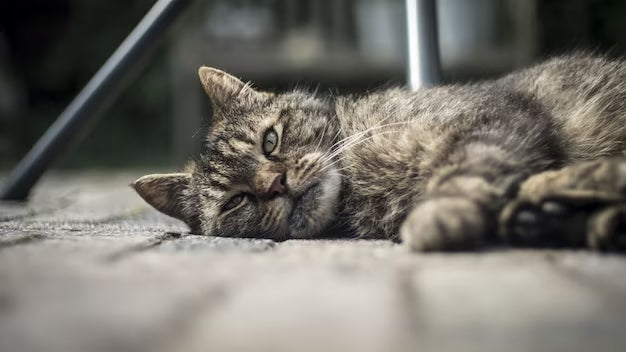
Image Source: rexipets.com
Identifying Signs of a Lonely Cat
Cats, by nature, are complex creatures. While some may seem independent, many thrive on interaction and stimulation. When this is lacking, they can exhibit specific behaviors that signal distress or loneliness. Recognizing these signs is the first step in addressing the issue.
Behavioral Changes
A sudden or gradual shift in a cat’s behavior can be a strong indicator of loneliness. These changes might be subtle at first, but they can escalate if left unaddressed.
- Increased Vocalization: A lonely cat might meow or cry more frequently than usual, often directed at empty spaces or when you are present but not engaging with them. This can be a bid for attention or a way to express their unhappiness.
- Lethargy and Reduced Activity: While cats enjoy naps, a persistently low energy level, a lack of interest in play, and general disinterest in their surroundings can signify boredom and loneliness.
- Over-grooming or Under-grooming: Some cats cope with stress and loneliness by excessively grooming themselves, leading to bald patches or skin irritation. Conversely, a neglected cat might stop grooming altogether, resulting in a dull or matted coat.
- Destructive Behavior: Chewing, scratching furniture excessively, or knocking things over can be a cat’s way of releasing pent-up energy or seeking attention. These actions often stem from a lack of appropriate outlets for their instincts.
- Changes in Eating Habits: A lonely cat might eat more or less than usual. Changes in appetite can be linked to stress or depression.
- Aggression: Uncharacteristic aggression towards humans or other pets can sometimes be a manifestation of anxiety and frustration due to isolation.
- Hiding More Than Usual: While cats are masters of finding cozy hiding spots, an increase in hiding, especially when they used to be more social, can signal a desire to withdraw due to loneliness.
- Inappropriate Urination or Defecation: This is a serious sign that can indicate stress, anxiety, or medical issues. If your cat starts eliminating outside the litter box, a veterinary check-up is essential, but loneliness can also be a contributing factor.
Emotional Indicators
Beyond overt behaviors, there are subtler emotional cues to watch for:
- Lack of Interest in Play: A cat that once enjoyed chasing toys or engaging in play sessions might now seem indifferent. This loss of enthusiasm for activities they once loved is a significant sign.
- Seeking Excessive Attention: Conversely, some lonely cats become clingy, constantly demanding attention, following you around, and meowing incessantly. This can be their way of trying to fill the void.
- Appearing Restless or Anxious: Pacing, dilated pupils, or twitching tails can indicate a cat is not feeling settled or content.
Addressing Feline Isolation: Practical Strategies
Once you’ve identified that your cat might be experiencing loneliness, the good news is there are many ways to help them thrive. The key is to provide a stimulating, safe, and engaging environment that caters to their natural instincts and needs.
Enhancing Cat Companionship
For many cats, the ideal solution for loneliness is the presence of another feline companion. However, this isn’t a decision to be taken lightly.
Introducing a Second Cat
- Consider Personality: Not all cats are suited for cohabitation. Assess your current cat’s personality. Is they generally friendly and tolerant of other animals, or do they prefer to be the sole focus of attention?
- Age and Temperament: A younger, more energetic cat might be a good match for a playful cat, while an older, calmer cat might prefer a similar companion.
- Gradual Introductions: Never just put two cats together and expect them to get along. Scent swapping, feeding on opposite sides of a door, and supervised brief encounters are crucial for a successful introduction. This process can take weeks or even months.
- Provide Separate Resources: Ensure each cat has their own food bowls, water bowls, litter boxes, scratching posts, and resting spots. This prevents competition and reduces stress.
Social Interaction for Cats (with Humans)
Even if a second cat isn’t an option, your interaction with your existing cat is paramount.
- Dedicated Playtime: Aim for at least two 10-15 minute play sessions per day. Use toys that mimic prey, such as feather wands, laser pointers (used responsibly with a physical toy reward at the end), or crinkle balls.
- Grooming: Regular brushing not only keeps your cat’s coat healthy but also provides a bonding experience. Many cats find gentle grooming relaxing.
- Petting and Cuddling: Pay attention to your cat’s body language to understand when they enjoy petting and when they’ve had enough. Some cats are more affectionate than others.
- Talking to Your Cat: Even if they don’t understand the words, the sound of your voice can be comforting and reassuring.
Preventing Cat Boredom Through Enrichment
Stimulating indoor cats is vital to prevent boredom and the resulting loneliness. Enrichment involves providing opportunities for cats to engage in natural behaviors.
Creating an Enriching Environment
- Vertical Space: Cats love to climb and perch. Provide cat trees, shelves, or sturdy window perches. This gives them vantage points to observe their surroundings and feel secure.
- Scratching Posts: Offer a variety of scratching surfaces – sisal rope, cardboard, carpet. Place them in areas where your cat likes to scratch naturally.
- Hiding Spots: Cats feel safe when they have places to retreat and hide. Cardboard boxes, tunnels, or covered beds can provide this security.
- Window Views: Ensure your cat has access to windows where they can watch birds, squirrels, and the world go by. This is a form of “cat TV” that can be incredibly stimulating.
- Rotate Toys: Keep things interesting by rotating your cat’s toys. Don’t leave all toys out all the time. Storing some and bringing them out periodically can make them feel new and exciting.
Cat Enrichment Activities
- Puzzle Feeders: These feeders require cats to work for their food, engaging their problem-solving skills and slowing down their eating. This is an excellent way to combat boredom and encourage natural foraging behavior.
- Interactive Feeders: Hide small portions of their daily kibble in different locations around the house, encouraging your cat to “hunt” for their meals.
- “Hunt” for Treats: Similar to interactive feeding, hide treats around the house for your cat to discover.
- Catnip and Silvervine: Many cats respond positively to catnip or silvervine, which can provide a temporary burst of playful energy.
- DIY Enrichment: Old cardboard boxes can be turned into tunnels or forts. You can also create DIY toys from safe household items.
Play Therapy for Cats
Play is not just fun; it’s a crucial part of a cat’s mental and physical well-being. Play therapy can significantly combat loneliness and boredom.
The Power of Interactive Play
- Mimic Hunting: The most effective play sessions mimic the natural hunting sequence: stalk, chase, pounce, and “kill” (capturing the toy).
- Variety is Key: Use different types of toys to keep your cat engaged. Feather wands, toy mice, balls, and crinkle toys can all be effective.
- Respect Their Pace: Some cats are high-energy hunters, while others prefer shorter, less intense play sessions. Observe your cat’s cues and play at their pace.
- The “Kill” Moment: Always allow your cat to “catch” the toy at the end of a play session. This provides a sense of accomplishment and prevents frustration. If using a laser pointer, always end with a physical toy they can grab and bite.
Interactive Cat Toys
Interactive cat toys are designed to engage your cat’s mind and body, providing mental stimulation even when you’re not actively playing with them.
- Battery-Operated Toys: Many toys move erratically or emit sounds to capture a cat’s attention, such as robotic mice or moving feather toys.
- Electronic Toys: Some advanced toys can be programmed to operate at different times, providing stimulation even when you’re away.
- Food Dispensing Toys: As mentioned earlier, these require cats to manipulate the toy to release treats, offering both mental and physical engagement.
Addressing Cat Adoption Loneliness
Cats adopted from shelters or rescues may have experienced prior abandonment or trauma, making them more susceptible to loneliness and anxiety in a new environment.
Making the Transition Smooth
- Safe Room: Upon arrival, set up a “safe room” for your newly adopted cat. This should be a quiet space with their food, water, litter box, and a comfortable bed. This allows them to acclimate to their new surroundings without feeling overwhelmed.
- Slow Introductions: Gradually introduce them to the rest of your home and family members (both human and animal) over time.
- Patience and Positive Reinforcement: Be patient. It may take time for a rescued cat to feel comfortable and secure. Use positive reinforcement, such as treats and gentle praise, to build trust.
- Routine: Cats thrive on routine. Establish a consistent feeding schedule, playtime, and bedtime.
Providing Consistent Comfort
- Feliway Diffusers: These emit synthetic feline facial pheromones that can help create a sense of calm and security.
- Comfort Items: A soft bed, a favorite blanket, or even a worn t-shirt of yours can provide comfort and a familiar scent.
- Quiet Time: Respect their need for quiet time. Avoid loud noises or excessive visitors during the initial adjustment period.
Long-Term Well-being
Helping a lonely cat thrive is an ongoing commitment that extends beyond immediate fixes.
Regular Veterinary Check-ups
- Rule Out Medical Issues: It’s crucial to rule out any underlying medical conditions that might be contributing to behavioral changes or lethargy.
- Monitor Overall Health: Regular check-ups allow your veterinarian to monitor your cat’s overall health and catch any potential problems early.
Ongoing Enrichment and Interaction
- Adapt to Changes: As your cat ages, their needs may change. Continue to adapt their environment and activities to keep them engaged.
- Observe and Respond: Consistently observe your cat’s behavior and be prepared to adjust your strategies if you notice new signs of loneliness or boredom.
Frequently Asked Questions (FAQ)
Q1: Can a single cat be happy living alone?
Yes, a single cat can be happy and well-adjusted, provided they receive sufficient attention, stimulation, and a rich environment from their human companions. The key is to compensate for the lack of feline companionship with ample human interaction and carefully curated enrichment.
Q2: How many hours a day should I play with my cat?
Aim for at least two play sessions a day, each lasting 10-15 minutes. The quality of the play is more important than the quantity. Engaging, interactive play that mimics hunting behavior is most beneficial.
Q3: What are the best interactive cat toys?
The best interactive cat toys are those that engage your cat’s natural instincts. This includes feather wands, laser pointers (used with a tangible reward), puzzle feeders, battery-operated “prey” toys, and balls or mice that they can chase and “capture.” Rotating these toys helps maintain novelty and prevent boredom.
Q4: How can I tell if my cat is bored?
Signs of a bored cat include excessive sleeping, lack of interest in play, over-grooming, destructive behavior (scratching furniture, knocking things over), increased vocalization, and changes in eating or litter box habits.
Q5: Is it possible to have too many cats?
Yes, it’s possible to have too many cats. Overcrowding can lead to increased stress, competition for resources, and potential health issues, all of which can contribute to feline isolation and behavioral problems. It’s important to ensure you have the resources and space to adequately care for each individual cat.
By implementing these strategies, you can transform a lonely cat’s life, fostering a happy, healthy, and thriving companion who enjoys their time with you and their enriched environment.