
Can you use regular household cleaners on cat urine in concrete? While some cleaners might help with surface stains, they often don’t break down the uric acid crystals responsible for the persistent odor. For effective concrete cat urine odor removal, specialized cleaners are usually needed.
Cat urine on concrete is a tough problem. The smell can linger, spreading through your home or outdoor space. This guide will show you how to tackle it, getting rid of that unwelcome odor for good. We’ll cover everything from quick fixes to deep cleaning methods, ensuring your concrete is fresh and odor-free.
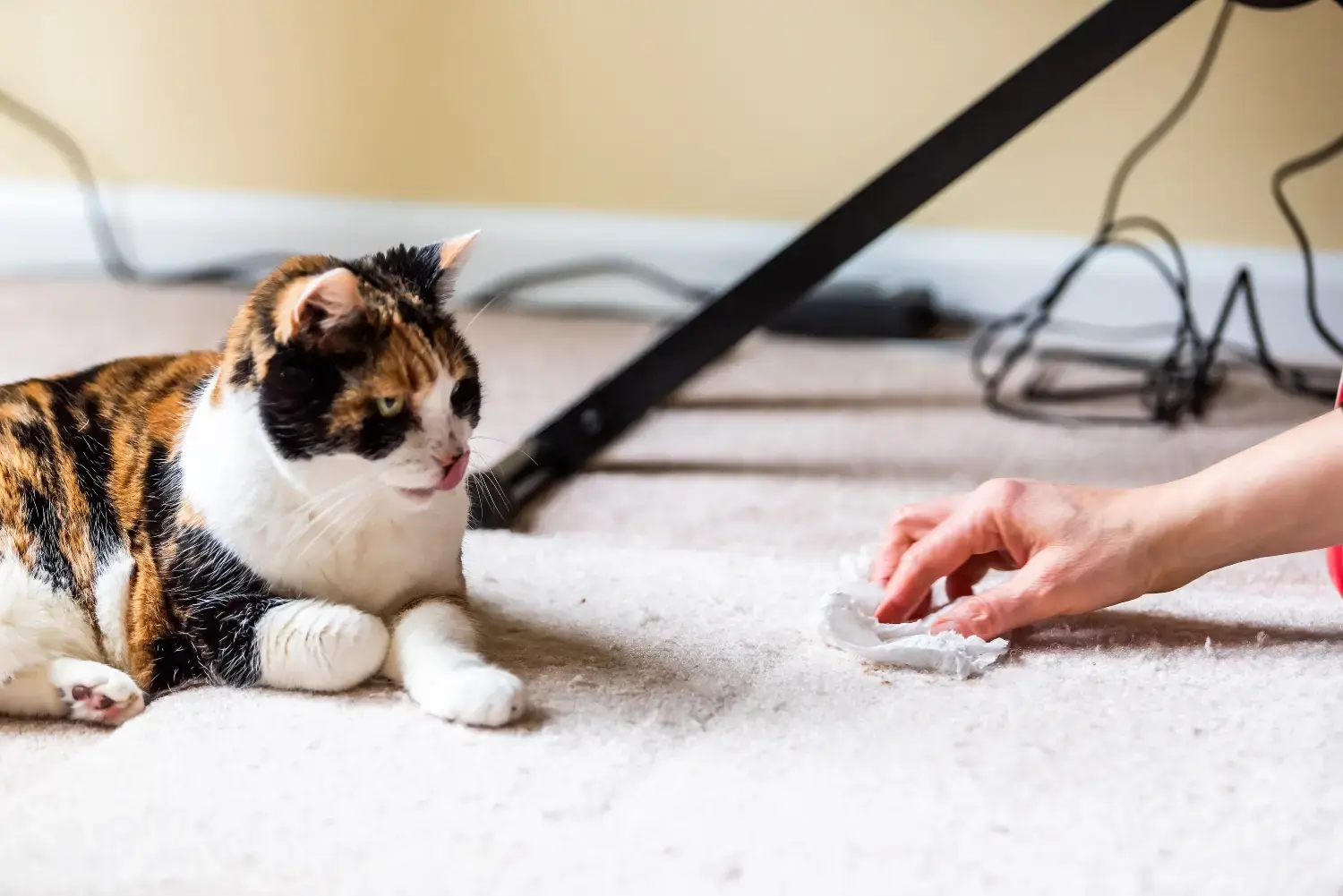
Image Source: blog.homesalive.ca
Why Cat Urine Lingers on Concrete
Cat urine contains uric acid. This acid forms crystals that don’t dissolve in water. When these crystals are exposed to humidity or moisture, they reactivate, releasing that strong ammonia smell. Concrete is porous, meaning it has tiny holes and cracks. Cat urine soaks into these pores, making the odor harder to remove than on non-porous surfaces. This is why eliminating cat urine smell from concrete floors requires more than just a simple wipe-down.
Quick Fixes for Fresh Cat Pee on Concrete
If you catch the accident right away, you have a better chance of a quick fix. The key is to act fast before the urine soaks in and dries.
Immediate Cleanup Steps
- Blot Up Excess Urine: Use paper towels or old rags to soak up as much liquid as possible. Press down firmly.
- Rinse with Water: Flood the area with plain water and blot again. This helps dilute the urine.
Effective Cleaning Solutions for Cat Urine on Concrete
When quick fixes aren’t enough, or the urine has already dried, you need stronger solutions. The goal is to break down the uric acid.
The Best Cleaner for Cat Pee on Concrete
The best cleaner for cat pee on concrete is often an enzymatic cleaner. These cleaners contain special enzymes and bacteria that eat away at the organic matter in urine, including the uric acid crystals.
How Enzyme Cleaners Work
Enzymes are like tiny biological machines. They break down complex substances into simpler ones. For cat urine, enzymes target the uric acid, proteins, and fats, effectively neutralizing the odor source.
How to Use Enzyme Cleaners
- Saturate the Area: Pour or spray the enzyme cleaner generously onto the affected concrete. Make sure to cover the entire spot and a little beyond.
- Allow Dwell Time: Follow the product instructions. Most enzyme cleaners need several hours, or even overnight, to work. Keep pets and people away from the area during this time.
- Wipe or Rinse: After the dwell time, wipe up any excess liquid or rinse the area with water. Let it air dry completely.
DIY Concrete Cat Pee Cleaner Options
If you don’t have an enzyme cleaner on hand, you can try some DIY solutions. These might not be as effective as specialized products but can help in a pinch.
Vinegar Solution
White vinegar is acidic and can help neutralize the alkaline ammonia in urine.
- Mix: Combine equal parts white vinegar and water in a spray bottle.
- Apply: Spray the solution generously on the affected concrete.
- Wait: Let it sit for 15-30 minutes.
- Rinse: Rinse the area with water and blot dry.
Baking Soda Paste
Baking soda is a natural deodorizer. It absorbs odors and can help lift stains.
- Make Paste: Mix baking soda with a little water to create a thick paste.
- Apply: Spread the paste over the urine spot.
- Dry: Let the paste dry completely.
- Scrub: Gently scrub the dried paste away with a stiff brush and rinse with water.
Hydrogen Peroxide (Use with Caution)
Hydrogen peroxide can break down organic matter, but it can also lighten or bleach concrete. Test in an inconspicuous area first.
- Mix: Mix 1 part 3% hydrogen peroxide with 2 parts water in a spray bottle. Add a few drops of dish soap if desired.
- Apply: Spray onto the urine stain.
- Scrub: Gently scrub with a brush.
- Rinse: Rinse thoroughly with water.
Important Note: Never mix ammonia-based cleaners with bleach or hydrogen peroxide, as this can create dangerous toxic fumes.
Deep Cleaning Concrete Cat Urine
For tough, old, or widespread cat urine odors, deep cleaning is necessary. This involves ensuring the cleaner penetrates the concrete’s pores.
How to Neutralize Cat Pee in Concrete
The key to how to neutralize cat pee in concrete is to break down the uric acid crystals. This requires a cleaner that can penetrate the pores and react with the urine solids.
Penetrating Cleaners
Look for cleaners specifically designed for porous surfaces or pet odor removal. These often have a slightly different formulation to work deeper into the material.
Using a Stiff Brush or Scrubber
After applying a cleaner, use a stiff-bristled brush or a concrete scrubber to work the solution into the pores and any cracks. This agitation helps the cleaner reach all the urine deposits.
Multiple Applications
Stubborn odors might require several cleaning sessions. Be patient and repeat the cleaning process until the smell is gone.
Removing Stubborn Cat Urine Smell from Concrete
When you’re dealing with removing stubborn cat urine smell from concrete, persistence is key. Old urine can penetrate deeply, and the crystals can be resilient.
Step-by-Step Deep Cleaning
- Initial Rinse: If the area is very dirty, rinse it with plain water first.
- Apply Chosen Cleaner: Use an enzymatic cleaner or a strong DIY solution. For heavily soiled areas, consider a cleaner specifically labeled for concrete or outdoor use.
- Scrub Vigorously: Use a stiff brush to scrub the entire affected area. Work the cleaner into any visible cracks or porous sections.
- Allow Dwell Time: Let the cleaner sit for the recommended time, ensuring it stays moist if possible (you might cover it with plastic wrap).
- Rinse Thoroughly: Rinse the area completely with clean water.
- Repeat if Necessary: If the odor persists, repeat the process. You might need to try a different type of cleaner if one isn’t working.
Specialized Products for Cat Urine Smell Remediation Concrete
There are specific products designed for cat urine smell remediation concrete. These are often stronger and formulated to tackle the unique challenges of urine on concrete.
Enzyme Cleaners for Concrete Cat Urine
As mentioned earlier, enzyme cleaner for concrete cat urine is often the most effective. Look for products that specifically state they are for pet odors and porous surfaces. Some brands are formulated for outdoor use and can handle larger areas.
Odor Neutralizers
Some products are pure odor neutralizers. These don’t necessarily clean the urine but can help capture and eliminate the odor molecules. They are often used as a final step or for lighter odors.
Concrete Sealers for Cat Urine Odor
For areas where cat urine is a recurring problem, a concrete sealer for cat urine odor can be a preventative measure. Once the concrete is thoroughly cleaned and dried, applying a good quality concrete sealer can help prevent future urine from soaking into the pores.
Benefits of Sealing Concrete
- Prevents Soaking: A sealer creates a barrier, stopping liquids from penetrating the concrete.
- Easier Cleaning: Future spills and accidents will be easier to wipe up from the surface.
- Long-Term Protection: Helps protect the concrete from stains and damage.
Applying Concrete Sealer
- Clean Thoroughly: Ensure the concrete is completely free of urine, dirt, and debris.
- Dry Completely: Allow the concrete to dry for at least 24-48 hours, depending on the weather.
- Apply Sealer: Follow the manufacturer’s instructions for applying the sealer. This usually involves rolling or spraying it onto the surface.
- Cure: Allow the sealer to cure fully before allowing traffic or exposure to moisture.
Tackling Odors in Different Concrete Areas
The best approach might vary slightly depending on where the cat urine has occurred.
Patio and Driveway Concrete
Outdoor concrete surfaces can be exposed to rain, which can sometimes mask or reactivate urine odors.
Power Washing
For large outdoor areas, a power washer can be very effective.
- Pre-treat: Apply a strong enzymatic cleaner or a diluted bleach solution (1 part bleach to 10 parts water, with extreme caution and good ventilation) to the affected areas first. Let it soak for 15-30 minutes.
- Power Wash: Use the power washer on a medium setting, holding it at an angle to the concrete to force the cleaner and urine residue out of the pores.
- Rinse: Rinse the entire area with clean water.
Caution: Be careful with bleach. It can discolor concrete and is harmful if inhaled. Always wear protective gear and ensure good ventilation. Do not mix bleach with other cleaners.
Garage Floors
Garage floors often have a sealed coating, which can make cleaning easier. However, if the urine has penetrated, it can still be a problem.
Cleaning Sealed Concrete
- Wipe Up: Absorb as much as possible with rags.
- Use Enzyme Cleaner: Apply an enzyme cleaner suitable for sealed surfaces.
- Scrub Gently: Use a soft-bristled brush to avoid scratching the sealant.
- Rinse: Wipe clean with a damp cloth.
Cleaning Unsealed Garage Floors
Treat unsealed garage floors like any other porous concrete surface, following the deep cleaning methods described earlier.
Indoor Concrete (Basements, Entryways)
Indoor concrete needs careful cleaning to avoid spreading the odor or damaging finishes.
Ventilation is Key
Ensure good airflow by opening windows and using fans during the cleaning process.
Protecting Surrounding Areas
Use plastic sheeting to protect carpets or walls near the affected concrete.
What NOT to Do When Cleaning Cat Urine on Concrete
Avoiding common mistakes is as important as using the right methods.
Avoid Ammonia-Based Cleaners
Ammonia is a component of urine. Using ammonia-based cleaners can actually attract your cat back to the same spot, thinking it’s still a place to relieve itself.
Avoid Steam Cleaners (Initially)
While steam can kill bacteria, the heat can also set the protein stains and make the odor permanent by bonding it to the concrete fibers. Use steam cleaners only after you are certain all urine has been neutralized by other methods, and even then, use with caution.
Avoid Harsh Bleaching Agents Without Testing
While bleach can kill odors, it can also damage concrete, discolor it, and create toxic fumes when mixed with other chemicals. Always test in a small, hidden area first and ensure proper ventilation.
Frequently Asked Questions (FAQ)
Q: How long does cat urine odor on concrete last?
A: Without proper treatment, cat urine odor on concrete can last indefinitely. The uric acid crystals reactivate with moisture, releasing the smell repeatedly.
Q: Can I use bleach on concrete for cat urine?
A: You can use bleach diluted with water (1:10 ratio) as a last resort for disinfection and odor control on exterior concrete. However, it can discolor concrete, and mixing it with other cleaners is dangerous. Always test in an inconspicuous area first and ensure excellent ventilation. For indoor concrete, enzyme cleaners are generally safer and more effective.
Q: Will rain wash away cat urine smell from concrete?
A: Rain might temporarily dilute the odor, but it won’t permanently remove the uric acid crystals embedded in the pores. The smell often returns when the concrete dries and humidity increases.
Q: How do I know if I’ve removed the entire urine spot?
A: A blacklight (UV light) can help detect dried urine stains. Urine will glow under a blacklight. Repeat cleaning in any areas that still glow.
Q: Can pet odor eliminators for carpet work on concrete?
A: Some pet odor eliminators might work, especially enzymatic ones. However, products specifically formulated for porous surfaces or outdoor concrete will likely be more effective due to their ability to penetrate deeper.
Q: Should I seal my concrete after cleaning cat urine?
A: Yes, sealing your concrete after it’s thoroughly cleaned and dried is highly recommended. It creates a barrier that prevents future urine from soaking in, making future cleanups much easier.
By following these comprehensive steps, you can effectively tackle cat urine odors on concrete and restore freshness to your space. Remember to choose the right products and be persistent for the best results.