
Can I feed my cat while it’s wearing a cone? Yes, you absolutely can feed your cat while it’s wearing a cone, but it requires patience and some adjustments to make the process easier and less stressful for both of you.
When your feline friend is recovering from surgery or an injury, they might need to wear a protective cone, often called an Elizabethan collar or “E-collar.” While these cones are crucial for preventing licking or chewing at wounds, they can make everyday activities like eating a bit tricky. This guide will walk you through simple, effective steps to ensure your cat continues to get the nutrition they need without frustration.
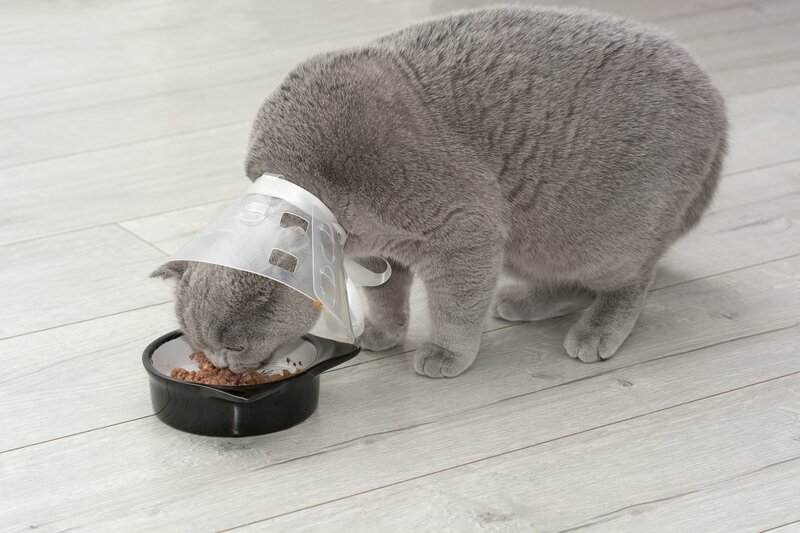
Image Source: www.catster.com
Why Cones Make Eating Difficult
The primary challenge with feeding a cat in a cone is the physical barrier. The cone, by design, extends outwards from the cat’s head, making it difficult to reach into a standard food bowl. This can lead to:
- Frustration: Cats are creatures of habit, and suddenly struggling to access their food can be upsetting.
- Reduced Intake: If eating becomes too difficult, some cats may eat less, which is detrimental to their recovery.
- Mess: Cats might try to scoop food out with their paws or push the bowl around, creating a mess.
- Neck Strain: Trying to contort themselves to eat can cause discomfort or strain.
Preparing for Mealtime: What You Need
Before you even bring the food, gather a few essential items. This prep work will make the feeding process smoother.
Essential Supplies:
- Appropriate Food: Discuss with your vet if your cat needs a special recovering cat diet. This might be a prescription diet or a higher-calorie food to aid healing. For many cats, wet food cone feeding is often easier because it’s softer and requires less chewing.
- Shallow, Wide Bowls: These are key. A shallow bowl cat can easily access without the cone hitting the sides is ideal. Wide bowls prevent the cone from scraping against the edges.
- Elevated Feeding Station: An elevated bowl cat can access without bending their neck too much can be a lifesaver, especially if the cone is a bit longer.
- Non-Slip Mat: To keep bowls from sliding around.
- Treats (Vet Approved): For positive reinforcement.
- Patience and a Calm Environment: This is perhaps the most important ingredient!
Step-by-Step Feeding Guide
Feeding your cat with a cone requires a slightly different approach. Here’s how to do it effectively:
Step 1: Choose the Right Food Consistency
As mentioned, wet food cone feeding is often the easiest.
- Why Wet Food? It’s softer, requires less effort to eat, and can be mashed slightly to make it even more accessible.
- Moistening Dry Food: If your cat strictly eats dry food, you can try moistening it with a little warm water or low-sodium chicken broth (ensure it’s pet-safe). This makes it softer and easier to scoop.
Step 2: Select the Ideal Bowl
The type of bowl you use can make a huge difference.
The Perfect Bowl Features:
- Shallow Depth: A shallow bowl cat can comfortably reach into without the cone bumping. Aim for bowls that are no more than 1-2 inches deep.
- Wide Opening: A wider opening means less chance of the cone hitting the sides.
- Stable Base: A bowl that won’t slide around is crucial. Look for ceramic or stainless steel bowls with a heavy base or place them on a non-slip mat.
Table 1: Bowl Recommendations for Cats in Cones
| Bowl Type | Pros | Cons | Best For |
|---|---|---|---|
| Shallow Ceramic | Stable, easy to clean, won’t scrape sensitive whiskers. | Can be heavier, might break if dropped. | Cats who are particular about their food |
| Shallow Stainless Steel | Durable, hygienic, lightweight, won’t absorb odors. | Can slide if not on a mat, some cats dislike the metallic sound. | Most cats, especially those with allergies |
| Slanted Bowl | Can help cats reach food more easily, reducing neck strain. | May not be suitable for all cone sizes; can still be too deep. | Cats with mobility issues or neck discomfort |
| Slow Feeder Bowl | Can prevent messy eating and gulping, but may be too deep initially. | The maze-like structure might be difficult with a cone. Needs careful testing. | Cats prone to eating too fast (use with caution) |
Step 3: Adjust Bowl Placement
Where you put the bowl matters just as much as the bowl itself.
Optimal Bowl Placement:
- Ground Level: For most cats, placing the bowl directly on the floor is fine.
- Elevated Feeding: An elevated bowl cat can access without excessive bending is often beneficial, especially if the cone is large or your cat is experiencing post-surgery fatigue. A simple elevated stand or even a sturdy box can work. Ensure the elevation is just enough to make eating comfortable, not so high that it becomes awkward.
- Quiet Area: Always ensure the feeding spot is in a quiet, low-traffic area of your home where your cat feels safe and unobserved.
Step 4: Introduce the Food Gradually
Don’t just plop the bowl down and expect your cat to figure it out.
Gentle Introduction:
- Place the Bowl: Position the bowl in the chosen location.
- Guide Your Cat: Gently lead your cat to the food.
- Observe: Watch how they approach it. Do they bump the cone? Do they seem hesitant?
- Encourage: If they’re unsure, you can try a gentle verbal cue or a reassuring stroke.
Step 5: Consider Hand-Feeding or Assisted Feeding
If your cat is still struggling or seems particularly stressed, assisted feeding cat or hand-feeding cat techniques can be very helpful, especially in the initial days of wearing a cone.
Hand-Feeding Techniques:
- Use Your Fingers: Take a small amount of food on your fingertip.
- Offer Gently: Gently bring your finger to your cat’s mouth.
- Be Patient: Let them lick the food off your finger.
- Repeat: Continue offering small amounts until they have eaten a good portion.
Syringe Feeding (If Necessary):
If your cat is very weak or refusing to eat even from your hand, your vet might recommend syringe feeding cat.
- Vet Guidance is Crucial: Never attempt syringe feeding without explicit instructions from your veterinarian. They will show you the correct technique and the appropriate type of food to use (often a highly palatable, smooth pate).
- How it Works: A special syringe (without a needle) is filled with liquid or pureed food. The tip of the syringe is gently placed inside the cat’s mouth, at the side, and a small amount of food is slowly dispensed.
- Take Your Time: This should be done slowly to prevent choking and aspiration.
Step 6: Monitor Intake and Hydration
It’s vital to ensure your cat is eating and drinking enough.
- Track Food: Keep a rough estimate of how much food your cat is consuming at each meal.
- Fresh Water: Always provide fresh water. Some cats might prefer a different water bowl or a fountain if their regular one is hard to access with the cone.
- Report Concerns: If your cat is consistently eating very little or not drinking, contact your veterinarian immediately. This is particularly important for cats as they can develop serious health issues if they don’t eat.
Dealing with Sensitive Cats and Cone Aversion
Some cats are naturally more anxious or picky. A cone can amplify these traits.
For Sensitive or Picky Eaters:
- Familiar Foods: Stick to foods they already love and recognize.
- Warming Food: Slightly warming wet food can enhance its aroma and appeal.
- High-Value Treats: Use small amounts of vet-approved, highly palatable treats mixed into their food or offered by hand to encourage eating.
- Quiet Environment: Minimize all external stressors during meal times.
- Gradual Cone Introduction: If possible, introduce the cone for short periods before it’s medically necessary, so they get somewhat used to it.
Cone Aversion Strategies:
- Positive Reinforcement: Reward any attempt to eat or any calm behavior around the food bowl with praise and gentle petting.
- Avoid Forcing: Never force your cat to eat. This will create negative associations.
- Cone Modifications (Vet Approval Only): In some cases, your vet might be able to recommend a lighter, more flexible cone, or a softer fabric collar if it’s suitable for your cat’s specific condition. Do not make any changes to the cone without consulting your vet.
Post-Surgery Cat Care: Feeding and Comfort
Post-surgery cat care often involves managing their diet and comfort closely. A cat in a cone is a cat that needs extra attention.
Key Considerations for Recovery:
- Dietary Needs: Your vet will advise on the best diet. This might include high-protein foods for tissue repair or supplements.
- Pain Management: Ensure your cat is comfortable. If they seem to be in pain, this can affect their appetite.
- Monitoring: Regularly check the surgical site as directed by your vet, but avoid any actions that might cause them to rub against the cone.
- Patience: Recovery takes time. Be patient with your cat’s adjustments to the cone and feeding routine.
Frequently Asked Questions (FAQ)
Q1: My cat is refusing to eat with the cone on. What should I do?
First, double-check your bowl placement cone and the type of bowl. Ensure it’s shallow and wide. Try hand-feeding cat small amounts of their favorite wet food cone option. If they continue to refuse food for more than 24 hours, contact your veterinarian immediately, as persistent lack of appetite in cats can lead to serious health issues like hepatic lipidosis.
Q2: Is it okay to give my cat treats while they are in a cone?
Yes, as long as the treats are approved by your veterinarian and are appropriate for your cat’s current health status. Treats can be a great way to encourage eating and provide positive reinforcement.
Q3: How long will my cat need to wear the cone?
The duration your cat needs to wear the cone depends entirely on their specific medical condition and your veterinarian’s recommendations. It’s typically worn until the wound is fully healed and there’s no risk of them interfering with it.
Q4: Can I use a softer, fabric cone instead?
While softer cones and surgical suits exist, they are not always suitable for every situation. Some cats can chew through fabric cones or reach wounds even with them. Always consult your veterinarian before switching from a traditional E-collar, as they can advise on the best option for your cat’s safety and healing.
Q5: My cat is having trouble drinking water with the cone. What can I do?
Similar to food bowls, ensure the water bowl is shallow and wide. Some cats find it easier to drink from a larger, heavier bowl that doesn’t move. You can also try placing the water bowl in a slightly different location, perhaps near where they rest. If the problem persists, discuss assisted feeding cat strategies for hydration with your vet.
Q6: My vet mentioned syringe feeding. Is this difficult?
Syringe feeding cat requires careful technique and patience. Your veterinarian or a vet technician will be able to demonstrate the proper method. It’s essential to go slowly and ensure the food is smooth to prevent choking. It’s a valuable tool for ensuring nutrition during recovery but should only be done under veterinary guidance.
Conclusion: Patience is the Best Medicine
Feeding a cat with a cone might seem challenging at first, but with the right approach and a little patience, you can make meal times manageable and ensure your beloved companion receives the nourishment they need for a speedy recovery. Remember to always consult your veterinarian for specific advice regarding your cat’s diet and post-operative care. Your care and attention are the most important factors in their healing journey.