
Can you flush cat litter down the toilet? Generally, it’s best to avoid flushing most types of cat litter, especially clay-based or silica gel litters, as they can clog plumbing and harm septic systems. However, some plant-based, biodegradable litters may be safe for flushing in small quantities, but always check the product’s packaging first for specific disposal instructions. When it comes to cat litter disposal, making environmentally conscious choices is crucial for reducing waste and protecting our planet.
Disposing of cat feces removal and soiled litter responsibly is an important aspect of being a pet owner. Traditional methods often contribute to landfill waste, but there are greener alternatives available. This guide will explore various eco-friendly approaches to disposing of used cat litter and managing your feline friend’s waste effectively.
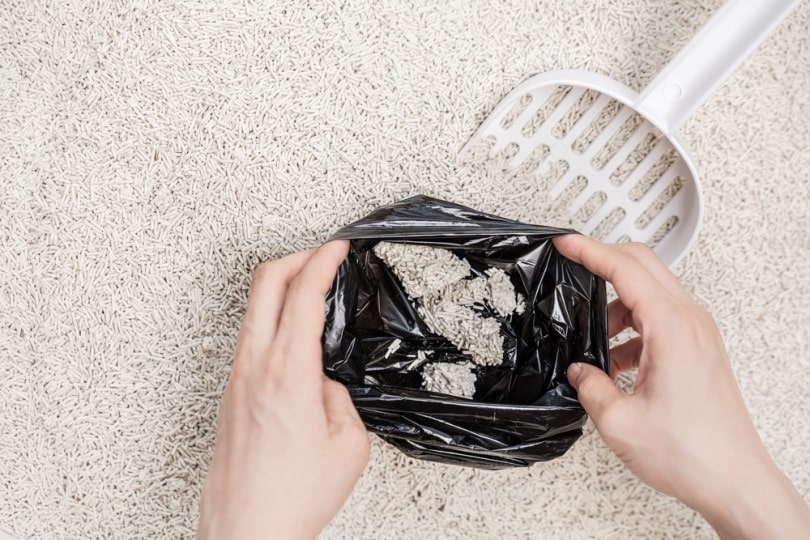
Image Source: www.catster.com
The Environmental Impact of Traditional Cat Litter Disposal
Most cat owners traditionally bag used litter and toss it into the household trash. While this seems like a simple solution, the cumulative effect of this practice can be significant.
- Landfill Burden: Billions of pounds of cat litter end up in landfills annually. Clay litters, in particular, are non-biodegradable and can persist in landfills for hundreds of years.
- Resource Consumption: The production of traditional clay cat litter involves mining, which can have environmental consequences.
- Microplastic Concerns: Some litters, especially crystal or silica gel varieties, can break down into microplastics, which are harmful to ecosystems.
- Water Contamination: If cat feces are not properly managed, they can contain harmful bacteria and parasites like Toxoplasma gondii. When these enter waterways, they can pose risks to wildlife and even human health.
Exploring Eco-Friendly Cat Litter Disposal Methods
Fortunately, several innovative and sustainable methods can help reduce the environmental footprint of your pet waste disposal.
1. Biodegradable Cat Litter Options
Choosing a litter made from natural, biodegradable materials is a significant step towards eco-friendly cat litter management. These litters break down more easily in the environment compared to traditional clay.
Common Biodegradable Litter Materials:
- Wood Pellets/Shavings: Made from recycled wood products, these are highly absorbent and can be composted or disposed of in a more eco-conscious way.
- Corn Cob: A natural product, corn cob litter is biodegradable and often compostable.
- Wheat or Grass Seed: These litters are plant-based, biodegradable, and generally safe for composting.
- Paper Pellets: Made from recycled paper, these are lightweight and break down easily.
- Walnut Shells: Crushed walnut shells offer good odor control and are biodegradable.
Benefits of Biodegradable Litter:
- Reduced Landfill Waste: They break down naturally, lessening the burden on landfills.
- Sustainable Sourcing: Often made from recycled or rapidly renewable resources.
- Compostability: Many types can be added to compost bins, enriching the soil.
2. Composting Cat Litter: A Greener Approach
Cat litter composting might sound unusual, but it’s a viable eco-friendly option for specific types of litter, particularly those made from biodegradable materials. It’s crucial to note that you should never compost cat feces from cats that eat raw meat or have unknown health statuses, as Toxoplasma gondii can survive the composting process if temperatures are not consistently high enough. However, for litter boxes used by cats on a balanced kibble or cooked diet, and when done correctly, composting can be a fantastic way to recycle waste.
What You’ll Need:
- A separate compost bin: Dedicated solely to pet waste.
- Biodegradable cat litter: Wood, corn, wheat, grass, or paper-based litters are suitable. Avoid clay and silica gel litters.
- Carbon-rich “brown” materials: Dry leaves, shredded newspaper, sawdust.
- Nitrogen-rich “green” materials: Grass clippings, vegetable scraps.
The Composting Process:
- Dedicated Bin: Set up a sturdy, enclosed compost bin to contain the materials and prevent pests.
- Layering is Key: Start with a base layer of brown materials.
- Add Soiled Litter: Add a layer of used, biodegradable cat litter.
- Cover and Mix: Cover the cat litter with more brown materials and then add some green materials. Mix everything thoroughly. The goal is to balance carbon (browns) and nitrogen (greens) to encourage decomposition. A good ratio is roughly 2 parts brown to 1 part green.
- Maintain Moisture: Keep the compost moist, like a wrung-out sponge.
- Regular Turning: Turn the compost pile regularly (at least once a week) to aerate it and ensure even decomposition.
- Hot Composting: For effective pathogen destruction, aim for hot composting. This means the internal temperature of the compost pile should reach at least 130-160°F (54-71°C) for several days. This kills harmful bacteria and parasites. Use a compost thermometer to monitor the temperature.
- Patience: It can take anywhere from 6 months to 2 years for the compost to fully break down, depending on the materials, temperature, and turning frequency. The finished compost should be dark, crumbly, and smell earthy.
- Usage: Once fully composted, the material can be used to fertilize non-edible plants, shrubs, or trees. Do not use it on vegetable gardens or anything you plan to eat.
Important Considerations for Composting:
- Cat’s Diet: Only compost litter from cats fed a cooked or kibble diet. Raw meat diets can harbor pathogens that high-temperature composting may not reliably eliminate.
- Health Status: If your cat has any known health issues or parasites, it’s safer to avoid composting their litter.
- Local Regulations: Check your local ordinances regarding composting pet waste, as some areas have restrictions.
3. Flushable Options: With Caution
As mentioned earlier, some specialized litters are marketed as flushable. These are typically made from natural materials like corn, wheat, or wood.
- How they work: They are designed to break apart quickly in water, similar to toilet paper.
- Important caveats:
- Small Quantities Only: Never flush large amounts of litter at once. Scoop out solid waste and only flush small clumps of the litter itself.
- Plumbing System: If you have an older plumbing system, a septic tank, or live in an area with strict wastewater regulations, it’s still best to avoid flushing altogether.
- Product Instructions: Always adhere to the manufacturer’s specific flushing recommendations. If it doesn’t explicitly state it’s flushable, don’t risk it.
4. Specialized Cat Litter Disposal Systems
Several products are designed to make cat litter management more convenient and eco-friendly.
Cat Litter Bins and Disposal Systems:
- Litter Genie/Litter Locker: These systems use special multi-layered bags that lock away odors. You scoop waste into the bin, and it’s sealed in a continuous liner. When the bin is full, you cut the liner and dispose of the bag in your regular trash. While not eliminating trash entirely, they significantly reduce odor and the need for frequent small baggings.
- Odor-Controlling Litter Bags: Many brands offer biodegradable and odor-locking cat litter bags. These are often thicker and use activated charcoal or other materials to trap smells.
Biodegradable Cat Litter Bags:
These bags are a step up from regular plastic bags. They are made from plant-based materials that break down over time in the environment.
- Materials: Typically made from corn starch or other plant polymers.
- Disposal: Can be disposed of in regular trash, compost (if certified), or buried.
- Odor Control: Some come with added odor-absorbing features.
5. Burying Cat Litter: A Natural Alternative (with caveats)
For those with gardens or outdoor space, burying used cat litter can be an option, but it requires careful consideration.
- Suitable for: Small amounts of biodegradable litter.
- Location: Choose a spot away from water sources, vegetable gardens, and areas where children or other pets might dig.
- Depth: Bury the waste at least 6-8 inches deep to help prevent animals from digging it up and to encourage decomposition.
- What to avoid: Never bury clay or silica litter, as they won’t break down and can contaminate the soil. Also, avoid burying feces if your cat consumes a raw diet or has parasites.
6. Utilizing Charcoal Filters
While not a disposal method itself, using activated charcoal filters in litter boxes or cat litter bin systems can significantly reduce odors. This can make other disposal methods, like using specialized bags or even temporarily storing litter before composting, more pleasant.
Choosing the Right Eco-Friendly Approach for You
The best eco-friendly disposal method depends on your living situation, your cat’s health and diet, and your local waste management infrastructure.
Factors to Consider:
- Type of Litter: Is it biodegradable? Can it be composted?
- Cat’s Diet: Raw vs. kibble/cooked food.
- Your Resources: Do you have a garden for burying? Space for a compost bin?
- Local Regulations: Are there rules about composting pet waste or flushing certain materials?
- Odor Control Needs: Some methods are better at odor control than others.
Table: Comparing Eco-Friendly Cat Litter Disposal Methods
| Method | Biodegradable Litter Needed? | Compostable? (with caveats) | Flushable? (with caveats) | Odor Control Aids | Landfill Reduction | Ease of Implementation |
|---|---|---|---|---|---|---|
| Biodegradable Litter (Trash) | Yes | Sometimes | No | Bags, Bins | Moderate | Easy |
| Composting Cat Litter | Yes | Yes (Strict rules apply) | No | Bin management | High | Moderate-Difficult |
| Flushable Litter (Specialized) | Yes | No | Yes (Small amounts) | Litter type | Low | Easy |
| Specialized Litter Bins | No (but works best with some) | No | No | Yes | Moderate | Easy |
| Biodegradable Bags | No | No | No | Yes | Moderate | Easy |
| Burying | Yes | No | No | None | Moderate | Easy (if space allows) |
Tips for Effective Cat Litter Management
Beyond disposal, good cat litter management practices can make the process more hygienic and less impactful.
- Scoop Daily: Remove solid waste and soiled litter clumps at least once a day. This reduces odors and makes the litter last longer.
- Regular Litter Changes: Completely change the litter and wash the litter box regularly (typically every 1-4 weeks, depending on the litter type and usage).
- Use Eco-Friendly Cleaners: When washing the litter box, opt for natural, unscented cleaners.
- Proper Storage: Store unused litter in a cool, dry place to maintain its absorbency and odor-control properties.
- Odor Control: Consider adding baking soda to the litter box for extra odor absorption.
Frequently Asked Questions (FAQ)
What are the safest cat litter disposal methods for the environment?
The safest methods generally involve using biodegradable cat litter and either composting it correctly (with strict temperature controls and for cats on kibble/cooked diets) or disposing of it in biodegradable bags in the trash. Avoiding traditional clay litters and excessive flushing is key.
Can I reuse used cat litter?
No, used cat litter should never be reused. Once it becomes soiled, it loses its absorbency and odor-control properties and can harbor bacteria.
How often should I change my cat’s litter box?
This depends on the type of litter used and the number of cats. Generally, you should scoop daily and do a full litter change and box cleaning every 1-4 weeks. For clumping litter, you can often go longer between full changes than with non-clumping types.
Is it safe to put cat litter in my backyard compost bin?
It is only safe to compost cat litter if it is made from 100% biodegradable materials (like wood, corn, wheat, or grass) AND if your cat eats a cooked or kibble diet. Crucially, you must ensure your compost pile reaches and maintains high temperatures (130-160°F or 54-71°C) for several days to kill harmful pathogens like Toxoplasma gondii. If these conditions cannot be met, it’s safer to dispose of it in the trash.
What is the best eco-friendly cat litter?
The “best” eco-friendly cat litter depends on your cat’s preference and your disposal capabilities. Popular choices include wood pellet, corn, wheat, grass, and recycled paper litters due to their biodegradability and often compostable nature.
How do I dispose of clumping cat litter eco-friendly?
Clumping cat litter, especially clay-based, is not compostable or flushable. The most eco-friendly way to dispose of it is to bag it securely in biodegradable cat litter bags and then place that bag into your regular household trash. Minimizing the amount of plastic used in packaging and choosing brands with sustainable sourcing can also contribute to a more eco-friendly approach.
By adopting these eco-friendly practices for cat litter disposal, you can significantly reduce your environmental impact while still providing a clean and comfortable environment for your beloved feline companions. Making conscious choices about disposing of cat waste is a small step that contributes to a larger, healthier planet.