
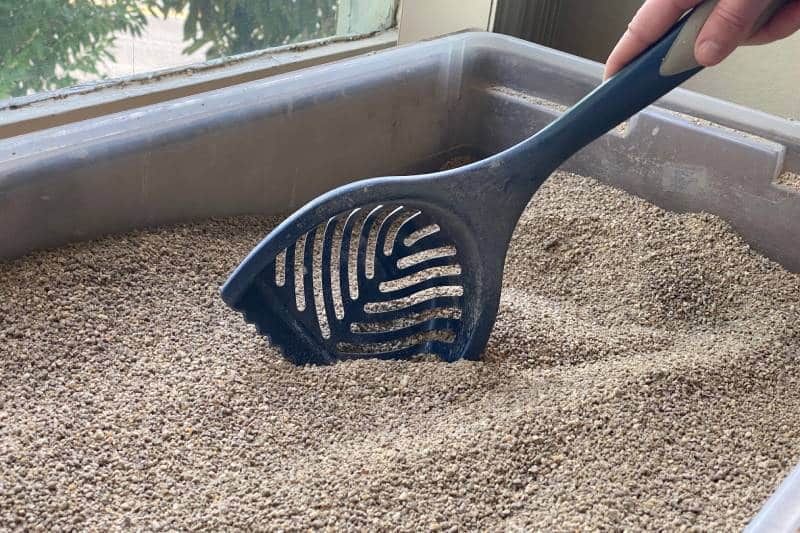
Image Source: www.catster.com
Eco-Friendly Cat Litter Disposal: How To Dispose Of Cat Litter Without Plastic Bags
Can you dispose of cat litter without plastic bags? Yes, you can! Many alternative methods exist to manage cat litter waste, significantly reducing your plastic footprint.
Are you tired of the endless stream of plastic bags used for cat litter disposal? Many cat owners are seeking more sustainable ways to manage their furry friend’s waste. The good news is that reducing plastic waste from cat litter is achievable with a little planning and a shift in habits. This comprehensive guide will explore various eco-friendly cat litter disposal methods, focusing on how to dispose of cat litter without relying on single-use plastic bags. We’ll delve into everything from biodegradable cat litter bags to compostable cat litter disposal, eco-friendly cat litter bins, and cat litter waste management strategies that prioritize the planet.
The Problem with Plastic Bags
Single-use plastic bags are a major contributor to environmental pollution. They take hundreds of years to decompose, breaking down into microplastics that contaminate soil and water. For cat owners, the daily task of scooping litter often means using two, three, or even more plastic bags per day. This adds up quickly, creating a significant amount of plastic waste.
Embracing Natural Cat Litter Alternatives
A crucial step in eco-friendly cat litter disposal begins with the litter itself. Many conventional litters contain silica or are made from non-renewable resources. Opting for natural cat litter alternatives can make a substantial difference.
Types of Eco-Friendly Cat Litters:
- Wood Pellets: Made from compressed sawdust, these are highly absorbent and often compostable. They are a great option for disposing of clumping litter naturally if they are designed to break down.
- Corn-Based Litter: Made from dried corn, this is a renewable resource that is also biodegradable and often flushable.
- Wheat-Based Litter: Similar to corn litter, this is made from processed wheat, offering good odor control and biodegradability.
- Walnut Shell Litter: This unique option is made from crushed walnut shells, providing excellent odor absorption and is biodegradable.
- Paper-Based Litter: Made from recycled paper products, this litter is lightweight, absorbent, and biodegradable. It’s a fantastic choice for reducing waste.
- Pine Litter: Often sold as pellets, pine litter offers natural odor control and is biodegradable.
When choosing a natural cat litter alternative, always check the packaging for claims of biodegradability or compostability. This information is key to ensuring your chosen litter can be disposed of sustainably.
Innovative Methods for Litter Disposal Without Plastic
Now that we’ve considered the litter itself, let’s explore how to handle the waste without resorting to plastic bags.
1. Biodegradable Cat Litter Bags
While the goal is to eliminate plastic, biodegradable cat litter bags offer a transitional or alternative solution if you still prefer to bag the waste. These bags are designed to break down naturally in the environment over time.
Key Features of Biodegradable Bags:
- Material Composition: Often made from plant-based materials like cornstarch or potato starch.
- Decomposition Rate: Varies depending on the brand and environmental conditions (temperature, moisture, microbes).
- Certification: Look for certifications like ASTM D6400 or EN 13432, which indicate compostability.
However, it’s important to note that “biodegradable” can sometimes be a misleading term. True compostable bags break down into natural elements without leaving harmful residues. Always research the brand and their specific claims. Even with biodegradable cat litter bags, consider the overall cat litter waste management strategy.
2. Compostable Cat Litter Disposal
This is one of the most environmentally friendly ways to handle cat litter waste. However, not all cat litters are suitable for composting, and there are crucial safety considerations to keep in mind.
Can You Compost Cat Litter?
Yes, you can compost cat litter, but with important caveats:
- Only Natural Litters: Never compost clay-based or silica-based litters, as these do not break down and can harm your compost. Stick to litters made from corn, wheat, wood, or paper.
- Feline Feces Contain Pathogens: Cat feces can contain parasites like Toxoplasma gondii, which can be harmful to humans. Proper composting temperatures and methods are essential to kill these pathogens.
Composting Process for Cat Litter:
- Choose the Right Litter: Select 100% natural, biodegradable, or compostable cat litter.
- Designated Compost Bin: Use a separate compost bin specifically for pet waste. This prevents cross-contamination.
- Hot Composting Method: This involves maintaining high temperatures (130-160°F or 55-70°C) for an extended period (several weeks to months). This heat is crucial for killing harmful pathogens.
- Balance Your Compost: Mix the cat litter with “brown” materials (like dried leaves, shredded paper, or sawdust) and “green” materials (like grass clippings or vegetable scraps). This provides the necessary carbon and nitrogen for effective composting.
- Turn Regularly: Aerating the compost pile by turning it regularly promotes efficient decomposition and heat distribution.
Compostable cat litter disposal is an excellent way to reduce landfill waste. However, ensure you are committed to the proper hot composting method for safety.
3. Reusable Cat Litter Containers and Systems
For those who want to avoid bagging altogether, reusable containers are a practical solution.
Types of Reusable Systems:
- Sealed Litter Pails: Many brands offer specialized pails designed to seal in odors and waste. You scoop the litter into the pail, and when it’s full, you can dispose of the contents as a whole unit into your main trash, often using a liner that can be made of biodegradable material or even repurposed cloth bags.
- Specialized Disposal Systems: Some systems use a continuous bag liner that is sealed off after each disposal, minimizing exposure to odors and making transport easier. While these might use a continuous plastic film, they drastically reduce the number of individual plastic bags used.
When selecting reusable cat litter containers, prioritize those with good sealing mechanisms for odor control.
4. Eco-Friendly Cat Litter Bins
These are specialized bins designed for managing cat litter waste more sustainably. They often focus on odor containment and ease of disposal of the waste itself.
Features of Eco-Friendly Litter Bins:
- Odor-Sealing Technology: Many bins use multi-layer systems or special liners to trap odors effectively, providing better cat litter odor control without plastic.
- Durable Construction: Made from robust, often recycled, materials that are built to last, reducing the need for frequent replacement.
- Compatibility with Biodegradable Bags: Some bins are designed to work with specific biodegradable or compostable liners, further enhancing their eco-friendliness.
These bins are a great way to manage your cat litter waste management in a cleaner, more odor-controlled, and less plastic-dependent manner.
5. Disposing of Clumping Litter Naturally
Disposing of clumping litter naturally requires a different approach than non-clumping varieties. Since clumping litter forms solid masses when wet, it can be tempting to flush it. However, this is generally not recommended for standard plumbing systems as it can lead to clogs.
Natural Disposal of Clumping Litter:
- Composting (with caveats): If you use a clumping litter made from natural, biodegradable materials (like corn or wheat), you might be able to compost it following the rigorous hot composting methods described earlier.
- Burying Cat Litter Safely: In some rural or semi-rural areas, burying cat litter safely can be an option. This means digging a hole at least 6-8 inches deep, well away from water sources (wells, streams, rivers) and any vegetable gardens. The depth helps prevent animals from digging it up and allows for natural decomposition. Ensure local regulations permit this practice. Never bury it in areas where it could contaminate groundwater.
6. Reducing Plastic Waste from Cat Litter: The Litter Lok System
One innovative product that helps in reducing plastic waste from cat litter is the Litter-Lok system. This system uses a continuous trapping system. You scoop waste into a cartridge, and the system seals it off in a neat, odor-contained package. While the film is plastic, the cartridges are designed to be reused, and the overall reduction in the number of small plastic bags used can be significant.
7. The Ultimate Goal: No Bags at All
For the truly dedicated, the goal is to eliminate bags entirely. This is most feasible when using natural cat litter alternatives that are compostable or flushable (if local plumbing and waste treatment systems allow for it).
Flushable Litter:
Some litters made from corn, wheat, or paper are marketed as flushable.
Can you flush cat litter?
- Check Manufacturer Instructions: Always follow the manufacturer’s guidance.
- Local Regulations: Some municipalities have regulations against flushing pet waste due to potential contamination of water systems.
- Plumbing System: Older or less robust plumbing systems may be more susceptible to clogs from flushable litters.
If your litter is truly flushable and your local regulations permit it, this is a bag-free disposal method. However, always flush in small quantities to avoid blockages.
Cat Litter Odor Control Without Plastic
Odor is a primary concern for cat owners, and plastic bags are often used to contain it. However, you can achieve excellent cat litter odor control without plastic through various means:
- Natural Litter Choices: Many natural cat litter alternatives have inherent odor-controlling properties (e.g., pine, walnut shells).
- Activated Carbon Filters: Many eco-friendly cat litter bins and disposal systems incorporate activated carbon filters, which are highly effective at trapping odor molecules.
- Baking Soda: Adding a layer of baking soda to the bottom of your litter box or mixing a small amount with your litter can neutralize odors.
- Regular Scooping: The most effective odor control is diligent, daily scooping of solid waste and urine clumps.
- Ventilation: Ensure good ventilation in the room where the litter box is located.
- Litter Box Maintenance: Clean the litter box thoroughly with mild soap and water regularly.
Making the Switch: Tips for Success
Transitioning to eco-friendly cat litter disposal might seem daunting, but here are some tips to make it smoother:
- Gradual Transition: If changing your cat’s litter, mix the new litter with the old gradually over a week or two to avoid upsetting your cat.
- Experiment with Litters: Different cats have different preferences. Try a few natural cat litter alternatives to see which one your cat likes best.
- Invest in Good Scooping Tools: A high-quality litter scoop makes the daily task easier and more efficient.
- Educate Yourself: Stay informed about local composting facilities and regulations.
- Small Steps, Big Impact: Even small changes, like switching to biodegradable cat litter bags or using fewer plastic bags, contribute to a larger environmental goal.
Weighing the Options: A Comparison Table
To help you decide, here’s a comparison of different disposal methods:
| Method | Pros | Cons | Best For |
|---|---|---|---|
| Biodegradable Cat Litter Bags | Reduces plastic waste compared to standard bags; readily available. | Still generates waste; decomposition time varies; not all are truly compostable. | Those who prefer bagging but want a greener option. |
| Compostable Cat Litter Disposal | Highly eco-friendly; diverts waste from landfills; natural decomposition. | Requires specific natural litters; strict composting methods needed for safety; potential pathogen concerns. | Dedicated eco-conscious owners with space/means for hot composting. |
| Reusable Cat Litter Containers | Reduces the number of bags used; odor containment. | Requires disposal of the entire contents; initial investment cost. | Cat owners wanting to minimize bag usage and odor. |
| Eco-Friendly Litter Bins | Excellent odor control without plastic; durable; often uses biodegradable liners. | Initial cost; may still require some form of bagging for main disposal. | Those seeking superior odor management and reduced plastic bag dependence. |
| Flushable Natural Litters | Bag-free disposal; convenient; environmentally friendly if approved. | Potential plumbing issues; not suitable for all homes or areas; risk of water contamination if not managed properly. | Homes with robust plumbing and local approval for flushing pet waste. |
| Burying Cat Litter Safely | Natural decomposition; no artificial waste products. | Requires suitable outdoor space; potential for animal disturbance; strict adherence to depth and location is critical. | Rural/semi-rural residents with appropriate land and local permissions. |
Frequently Asked Questions (FAQ)
Q1: What is the most eco-friendly way to dispose of cat litter?
The most eco-friendly methods involve compostable cat litter disposal using natural litters and a proper hot composting system, or using flushable natural litters if your plumbing and local regulations allow. Using reusable cat litter containers also significantly reduces plastic bag usage.
Q2: Can I put cat litter in my garden compost?
You can put natural, compostable cat litter in a garden compost pile, but only if you are practicing a hot composting method that reaches and maintains high temperatures (130-160°F) for several weeks. This is crucial to kill harmful pathogens present in cat feces. Do not compost clay or silica-based litters.
Q3: Is corn-based cat litter safe to flush?
Many corn-based litters are designed to be flushable. Always check the product packaging and your local wastewater treatment plant’s guidelines before flushing. Flush only small amounts at a time to avoid potential plumbing issues.
Q4: How do I control cat litter odor without plastic bags?
Achieve cat litter odor control without plastic by using natural litters with odor-absorbing properties, employing litter boxes with activated carbon filters, regularly cleaning the litter box, and maintaining a daily scooping routine. Baking soda is also an effective natural odor neutralizer.
Q5: Are there alternatives to plastic litter bags that are truly biodegradable?
Yes, look for biodegradable cat litter bags made from plant-based materials like cornstarch. However, it’s important to understand that “biodegradable” can mean different things. For the best environmental impact, opt for bags that are certified compostable.
Q6: What if I can’t compost or flush my cat litter?
If composting or flushing isn’t an option, focus on reducing plastic use by investing in reusable cat litter containers or specialized eco-friendly cat litter bins that use fewer or more sustainable liners. When you do need to bag, use the smallest, most efficient bags possible and consider the most natural cat litter waste management practices available to you.
By adopting these practices, you can significantly reduce your environmental impact while ensuring your cat’s comfort and well-being. Making the switch to eco-friendly cat litter disposal is a rewarding step towards a more sustainable lifestyle.