
A male cat should typically urinate between two to four times per day. If you’re noticing your cat peeing too much or not urinating enough, it’s time to investigate further. This guide will help you decipher your male cat’s litter box habits and recognize when something might be amiss with his cat bladder health.
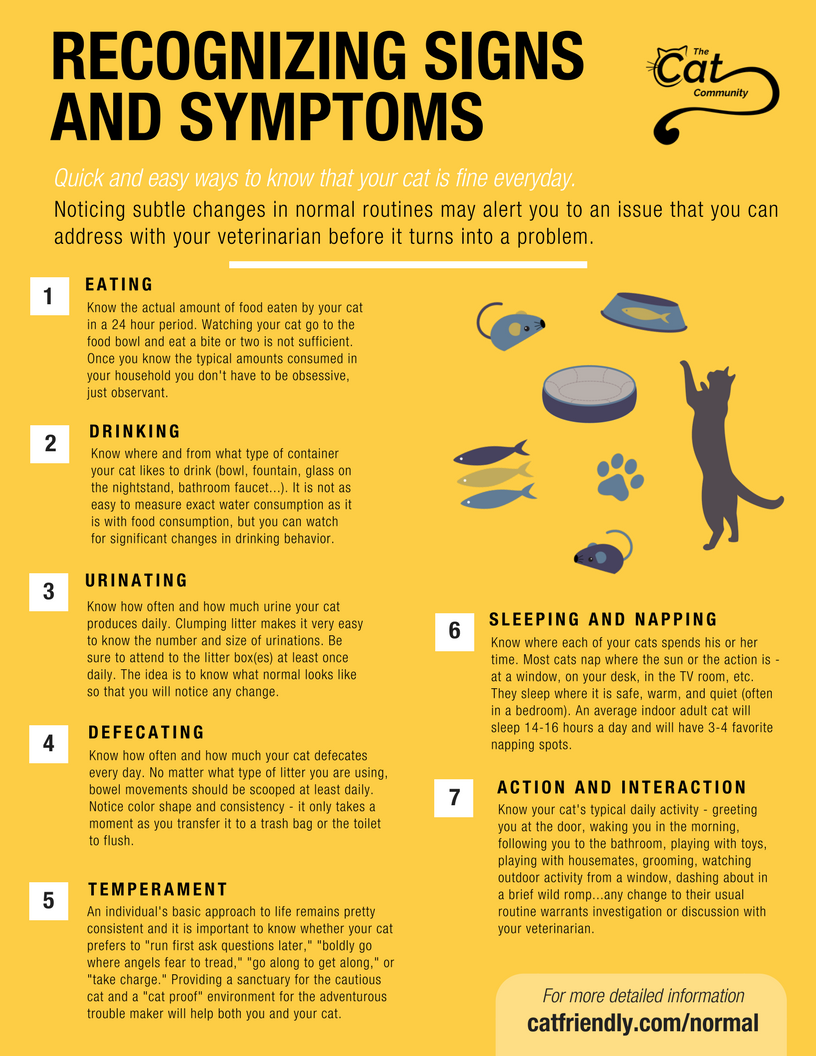
Image Source: catfriendly.com
Decoding Your Male Cat’s Urination Habits
It’s natural for cat owners to wonder about their feline friend’s daily routines, and cat urination frequency is a common point of curiosity. While there’s no single, rigid number that applies to every cat, understanding the general range of normal male cat urine output is crucial for recognizing deviations. Your male cat litter box habits are a key indicator of his overall well-being.
Factors Influencing Urination Frequency
Several elements can sway how often a male cat needs to relieve himself. These include:
- Age: Kittens, like human babies, have less control and may need to go more often. Senior cats might also experience changes in bladder function.
- Diet: The type of food your cat eats plays a significant role. Wet food, with its high moisture content, will naturally lead to more urination than dry kibble.
- Water Intake: A well-hydrated cat will urinate more than one who isn’t drinking enough.
- Activity Level: More active cats might have slightly different patterns.
- Underlying Health Conditions: This is perhaps the most critical factor to consider. Various health issues can drastically alter a cat’s urination habits.
- Stress and Anxiety: Emotional states can sometimes manifest physically, affecting bathroom habits.
What is Normal Male Cat Urine Output?
As mentioned, a typical healthy adult male cat will urinate approximately two to four times a day. The volume of urine can vary. A good way to gauge this is by observing the litter box. A healthy urine output should result in one to two medium-sized clumps of litter being deposited each day. These clumps should be a pale yellow color and have a mild, not overpowering, ammonia scent.
When to Worry: Signs of Urinary Issues in Male Cats
Changes in your cat’s bathroom behavior can be subtle or alarming. Recognizing these signs early can make a significant difference in diagnosing and treating feline urinary tract problems.
Cat Peeing Too Much (Increased Frequency)
If you notice your male cat is suddenly visiting the litter box much more often than usual, this could signal a problem. This is often referred to as frequent urination in male cats.
Potential Causes for Increased Urination:
- Diabetes Mellitus: Uncontrolled diabetes can lead to increased thirst (polydipsia) and consequently, increased urination (polyuria). The body tries to flush out excess sugar through the urine.
- Kidney Disease: Impaired kidney function can affect the kidneys’ ability to concentrate urine, leading to more frequent and dilute urination.
- Urinary Tract Infections (UTIs): While less common in male cats than in females, UTIs can cause irritation and a constant urge to urinate, even if little urine is expelled.
- Hyperthyroidism: An overactive thyroid gland can increase metabolism and thirst, leading to more frequent urination.
- Certain Medications: Some drugs, like diuretics, are designed to increase urine output.
- Behavioral Issues: In some cases, stress or anxiety can lead to an increased urge to urinate, though this is often accompanied by inappropriate urination outside the litter box.
What to Observe:
- Litter Box Visits: How many times is he going compared to his baseline?
- Urine Volume: Is each visit producing a large amount of urine?
- Urine Concentration: Is the urine very dilute or pale?
- Other Symptoms: Is he drinking more water? Has his appetite changed? Is he lethargic?
Cat Not Urinating Enough (Decreased Frequency or Straining)
Conversely, a significant decrease in urination or any signs of difficulty when urinating are serious red flags. This can be particularly concerning in male cats due to their anatomy.
Critical Causes for Decreased Urination/Straining:
- Urinary Blockage (Urethral Obstruction): This is a life-threatening emergency, especially in male cats. Their urethra is narrower than a female cat’s, making it more susceptible to blockages from crystals, stones, or inflammation. A blocked cat will strain to urinate, may cry out in pain, and produce little to no urine. This requires immediate veterinary attention.
- Kidney Failure (Acute or Chronic): As kidney function declines, the ability to produce urine diminishes.
- Dehydration: If a cat is severely dehydrated, urine production will decrease significantly.
- Bladder Stones or Crystals: These can cause pain and inflammation, leading to a reluctance to urinate or a feeling of incomplete voiding.
- Severe Inflammation or Infection: Swelling in the urinary tract can impede urine flow.
What to Observe:
- Litter Box Visits: Is he going significantly less often?
- Straining: Is he entering the litter box, posturing to urinate, but only passing a few drops or nothing at all?
- Vocalization: Is he crying out in pain while in the litter box?
- Lethargy: Is he unusually quiet or unresponsive?
- Abdominal Discomfort: Does his belly seem tender or distended?
Common Feline Urinary Tract Problems in Males
Male cats are anatomically predisposed to certain urinary tract issues due to the length and narrowness of their urethra.
Feline Lower Urinary Tract Disease (FLUTD)
FLUTD is an umbrella term that encompasses a group of conditions affecting a cat’s bladder and urethra. This can include:
- Feline Idiopathic Cystitis (FIC): This is inflammation of the bladder without a clear cause like infection or stones. Stress is a major contributing factor. Symptoms can include frequent urination, straining, urinating outside the box, and blood in the urine.
- Urinary Stones (Urolithiasis): Crystals or mineral deposits can form stones in the bladder or urethra, leading to pain, inflammation, and potential blockage.
- Urinary Tract Infections (UTIs): While less common in younger, healthy male cats, UTIs can occur, especially in older cats or those with underlying health issues.
- Urethral Plugs: These are often a mixture of crystals, mucus, and debris that can lodge in the urethra, causing a blockage.
The Criticality of Blockages in Male Cats
The long, narrow penile urethra in male cats is a significant concern. If a plug, stone, or inflammation causes a blockage, urine cannot exit the body. This leads to a rapid buildup of toxins (uremia) and potassium in the blood. High potassium levels can cause fatal heart rhythm abnormalities. A cat that is straining to urinate and producing no urine is a medical emergency.
Supporting Your Cat’s Bladder Health
Maintaining good cat bladder health is vital for preventing many of these issues. Proactive measures can go a long way.
Hydration is Key
Ensuring your cat drinks enough water is paramount.
- Provide Fresh Water: Always have clean, fresh water available.
- Multiple Water Sources: Offer water in several locations around the house. Some cats prefer running water, so a pet drinking fountain might be beneficial.
- Wet Food: Incorporating wet food into your cat’s diet significantly increases his fluid intake.
- Water Flavoring (Use Sparingly): You can add a small amount of low-sodium chicken or tuna broth to his water, but monitor to ensure he doesn’t develop an aversion.
Diet and Nutrition
The right diet can prevent the formation of crystals and stones.
- Prescription Diets: If your cat has a history of urinary issues, your veterinarian may recommend a prescription diet formulated to manage urine pH and reduce crystal formation.
- Balanced Commercial Diets: Choose high-quality cat foods that provide balanced nutrition.
- Avoid Overfeeding: Obesity can contribute to various health problems, including urinary issues.
Stress Management
As FIC demonstrates, stress can significantly impact feline urinary health.
- Environmental Enrichment: Provide plenty of toys, scratching posts, climbing structures, and interactive play sessions.
- Predictable Routine: Cats thrive on routine. Try to maintain consistent feeding times, playtime, and quiet periods.
- Safe Spaces: Ensure your cat has quiet, safe places to retreat to when feeling overwhelmed.
- Pheromone Diffusers: Products like Feliway can help create a calming environment.
- Address Household Stressors: Identify and minimize sources of stress, such as loud noises, unfamiliar people or pets, or changes in the home environment.
Litter Box Management
Proper litter box maintenance is crucial for encouraging appropriate male cat litter box habits.
- Number of Boxes: The general rule is one litter box per cat, plus one extra.
- Cleanliness: Scoop solid waste daily and completely change and wash the litter box weekly.
- Litter Type: Most cats prefer unscented, clumping litter. Experiment if your cat seems hesitant.
- Box Location: Place boxes in quiet, easily accessible locations away from high-traffic areas and food/water bowls.
- Box Type: Ensure the boxes are large enough for your cat to comfortably turn around and dig. Avoid covered boxes if your cat seems to dislike them, as they can trap odors.
When to Seek Veterinary Care
This cannot be stressed enough: any significant deviation from your male cat’s normal urination habits warrants a veterinary visit.
Red Flags Requiring Immediate Attention:
- Straining to urinate with little or no urine output.
- Crying out in pain while attempting to urinate.
- Blood in the urine.
- Lethargy, vomiting, or loss of appetite combined with urinary changes.
- Inappropriate urination (outside the litter box) that is persistent or accompanied by other symptoms.
What to Expect at the Vet:
Your veterinarian will perform a thorough physical examination, which may include palpating the abdomen for bladder distension or pain. Diagnostic tests might include:
- Urinalysis: To check for crystals, blood, infection, and kidney function.
- Urine Culture and Sensitivity: To identify and treat bacterial infections.
- Blood Work: To assess kidney function, blood sugar, and overall organ health.
- X-rays or Ultrasound: To detect bladder stones, tumors, or other structural abnormalities.
- Urethral Culture: If an infection is suspected.
Common Questions About Male Cat Urination
Here are some frequently asked questions related to your male cat’s urinary habits.
How much water should a male cat drink daily?
A general guideline is that a cat should consume approximately 3.5 to 4.5 ounces of water per 5 pounds of body weight per day. However, this can vary based on diet, activity level, and environmental temperature.
Can a male cat have a UTI?
Yes, while less common than in female cats, male cats can develop Urinary Tract Infections (UTIs). These are often secondary to other underlying issues like bladder stones, FLUTD, or kidney disease.
What does it mean if my male cat is urinating outside the litter box?
Urinating outside the litter box can be a sign of several things:
* Medical issues: Such as UTIs, bladder stones, FLUTD, or kidney problems.
* Litter box aversion: The box might be too dirty, the litter type might be disliked, the location might be undesirable, or there might not be enough boxes.
* Stress or anxiety: Changes in the household, new pets, or a lack of environmental enrichment can lead to behavioral urination.
My male cat pees a lot. Is this normal?
Occasional increased urination can be due to increased water intake or a change to a wetter diet. However, if your cat is consistently peeing too much and drinking significantly more water than usual, it’s important to consult your veterinarian to rule out conditions like diabetes, kidney disease, or hyperthyroidism.
My male cat is straining to pee but not much is coming out. What should I do?
This is a critical symptom that indicates a potential urinary blockage and is a medical emergency. Contact your veterinarian immediately. Delaying treatment can be life-threatening.
Conclusion: Vigilance for Urinary Health
Monitoring your male cat’s cat urination frequency and litter box habits is a vital part of responsible pet ownership. While a typical pattern exists, individual variations are common. However, any significant changes – whether it’s cat peeing too much or cat not urinating enough, especially with signs of straining or discomfort – should be a prompt for veterinary consultation. By staying informed about normal male cat urine output, recognizing signs of urinary issues male cat, and actively supporting cat bladder health, you can help ensure your feline companion lives a long, comfortable, and healthy life. Remember, early detection and intervention are key to successfully managing many feline urinary tract problems.