
A cat should typically receive a rabies shot every one to three years, depending on the type of vaccine used and local regulations. Your veterinarian will determine the most appropriate schedule for your feline friend.
Keeping your cat safe from rabies is a crucial part of responsible pet ownership. Rabies is a serious, fatal viral disease that can affect mammals, including cats, and can be transmitted to humans. Fortunately, vaccination is a highly effective way to protect your cat and prevent the spread of this dangerous illness. But knowing how often should a cat get a rabies shot can be confusing with different vaccine types and recommendations. This comprehensive guide will break down the cat rabies vaccine schedule, explain the importance of feline rabies booster shots, and answer your questions about keeping your beloved feline protected.
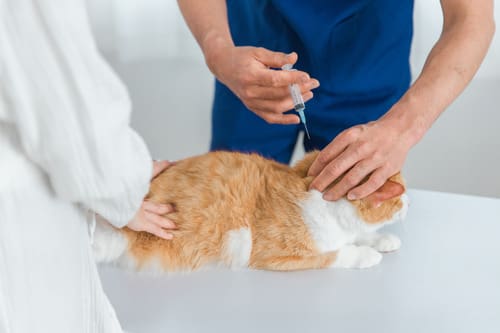
Image Source: heartofchelsea.com
Why Rabies Vaccination is Essential for Cats
Rabies is a devastating neurological disease caused by a virus that attacks the central nervous system. It is almost always fatal once symptoms appear. While dogs are often thought of as primary carriers, cats are susceptible and can contract rabies from infected wildlife like bats, raccoons, foxes, and skunks. Outdoor cats or cats with access to the outdoors are at a higher risk, but even indoor cats can be exposed if a rabid animal enters their home or if they escape.
The good news is that rabies is preventable through vaccination. Vaccinating your cat not only protects them but also acts as a barrier against the potential transmission of rabies to other animals and humans, making it a critical public health measure.
The Kitten Rabies Vaccination Timeline
The journey to lifelong rabies protection begins in kittenhood. The kitten rabies vaccination is a vital first step.
- Initial Vaccination: Kittens typically receive their first rabies vaccine between 12 weeks and 6 months of age. The exact timing can vary depending on the vaccine used and the veterinarian’s recommendation.
- Booster Shot: A crucial follow-up is the feline rabies booster. This is usually given one year after the initial vaccination. This booster ensures that the immunity developed from the first shot is strengthened and maintained.
This initial series of vaccinations establishes a strong foundation of immunity against the rabies virus.
Adult Cat Rabies Shot Frequency: What to Expect
Once your cat has completed their initial kitten vaccinations and received their first booster, you might wonder about the adult cat rabies shot frequency. This is where understanding the different types of rabies vaccines becomes important.
Types of Rabies Vaccines and Their Duration
There are two main types of rabies vaccines commonly used in cats:
- Killed (Inactivated) Vaccines: These vaccines contain inactivated rabies virus particles. They are safe and effective but generally require more frequent boosters.
- Modified-Live Vaccines (MLV): While MLV rabies vaccines are available for some species, killed vaccines are more commonly used for cats due to safety and efficacy considerations.
The rabies vaccine for cats duration is directly linked to the type of vaccine administered. This duration dictates how often your cat will need cat rabies re-vaccination.
How Long Does Cat Rabies Vaccine Last?
The duration of immunity provided by a rabies vaccine can vary.
- One-Year Vaccines: Some rabies vaccines are labeled for a one-year duration of immunity. If your cat receives this type, they will need a annual cat rabies vaccination or booster every year.
- Three-Year Vaccines: More commonly now, veterinarians use vaccines that provide a three-year duration of immunity. This means your cat will only need a booster shot every three years after the initial one-year booster.
Your veterinarian will always use the vaccine that is approved by regulatory bodies and has proven efficacy and safety for the longest duration possible, while adhering to local laws.
Determining the Cat Rabies Vaccine Schedule
The cat rabies vaccine schedule is not a one-size-fits-all approach. Several factors influence when your cat needs their next shot.
Key Factors Influencing the Schedule
- Age of the Cat: Kittens have a different vaccination schedule than adult cats.
- Type of Vaccine Used: As mentioned, one-year versus three-year vaccines dictate the frequency of boosters.
- Local Laws and Regulations: Many states and municipalities have specific laws regarding rabies vaccination for pets, often requiring proof of current vaccination for licensing. These laws might mandate annual or triennial vaccinations regardless of vaccine type.
- Cat’s Lifestyle: An indoor-only cat generally has less risk of exposure than an outdoor cat or a cat that frequently interacts with other animals. However, even indoor cats can be at risk if exposed to wildlife.
- Veterinarian’s Recommendation: Your vet will consider all these factors and your cat’s individual health status to create the most appropriate vaccination plan.
When to Revaccinate Cat Rabies: A Practical Approach
So, when to revaccinate cat rabies?
- Kittens: Receive their first dose between 12 weeks and 6 months, followed by a booster one year later.
- Adult Cats: After the one-year booster, if a three-year vaccine was used, the next feline rabies booster is due in three years. If a one-year vaccine was used, boosters are needed annually.
It’s essential to keep track of your cat’s vaccination records and consult with your veterinarian for personalized advice.
Understanding Cat Rabies Shot Intervals
The intervals between rabies vaccinations are crucial for maintaining effective immunity.
Standard Intervals for Rabies Vaccination
- Initial Kitten Vaccination: Typically at 12 weeks to 6 months.
- First Booster: One year after the initial vaccination.
- Subsequent Boosters: This is where the vaccine type and local laws come into play.
- If a 1-year vaccine is used: Boosters are needed every year.
- If a 3-year vaccine is used: Boosters are needed every three years.
These cat rabies shot intervals ensure that your cat’s immune system remains prepared to fight off the rabies virus.
The Importance of Consistent Feline Rabies Booster Shots
The feline rabies booster is not just a formality; it’s a critical component of long-term immunity. Even if a vaccine is labeled for three years, immunity can wane over time. Regular boosters are necessary to ensure your cat remains protected throughout their life.
Missing a booster can leave your cat vulnerable. If your cat is exposed to rabies and is not up-to-date on their vaccinations, the consequences can be severe, including mandatory euthanasia for observation or post-exposure quarantine, which can be lengthy and stressful for both the cat and owner.
When to Revaccinate Cat Rabies: Navigating Different Scenarios
Deciding when to revaccinate cat rabies can sometimes involve specific circumstances.
Revaccination After a Missed Appointment
If you miss your cat’s scheduled rabies booster appointment, don’t panic. Contact your veterinarian immediately. They will assess the situation based on:
- How long ago the previous vaccine was given.
- The cat’s current health status.
- Local regulations.
In many cases, your cat may need to be revaccinated immediately, and the vaccination history will be reset.
Rabies Vaccination for Indoor vs. Outdoor Cats
While outdoor cats face a higher risk of encountering rabid animals, indoor cats are not entirely immune. Wildlife can find their way into homes, and cats can escape through open doors or windows. Therefore, vaccination is recommended for all cats, regardless of their indoor or outdoor status. The cat rabies vaccine schedule should be followed consistently for both.
Legal and Public Health Considerations
Rabies vaccination is not just about your cat’s health; it’s also a legal requirement in many places and a vital part of public health.
Rabies Tag and Health Certificate
Upon vaccination, your veterinarian will typically provide a rabies vaccination certificate and a rabies tag for your cat’s collar. These serve as proof of vaccination, which is often required for:
- Pet licensing.
- Veterinary visits.
- Boarding or grooming facilities.
- Travel with your pet.
Keeping these records up-to-date is essential.
What to Do if Your Cat is Bitten by a Wild Animal
If your cat is bitten or scratched by a wild animal, it’s crucial to contact your veterinarian and local animal control immediately.
- If your cat is up-to-date on rabies vaccinations: Your vet will advise on post-exposure prophylaxis (PEP), which might involve a booster vaccination and a short period of observation.
- If your cat is not vaccinated or is overdue: The situation is more serious. Your cat may need to be quarantined for an extended period (often 3-6 months) or, in some cases, euthanized for rabies testing. This highlights the importance of adhering to the cat rabies vaccine schedule.
Common Questions About Cat Rabies Shots
Let’s address some frequently asked questions regarding cat rabies vaccinations.
FAQ Section
Q1: Do all cats need a rabies shot?
A: Yes, it is highly recommended that all cats be vaccinated against rabies, regardless of whether they are indoor or outdoor cats. This is for their protection and to prevent the potential spread of the disease.
Q2: Can my kitten get rabies before their vaccination?
A: While kittens are protected by maternal antibodies for a short period, they can be susceptible to rabies. The kitten rabies vaccination is given at an age when they are less reliant on maternal immunity and can mount their own protective response. It’s vital to follow the recommended cat rabies vaccine schedule to ensure timely protection.
Q3: What are the side effects of the rabies vaccine in cats?
A: Like any vaccine, rabies vaccines can cause mild side effects, such as temporary lethargy, mild fever, or soreness at the injection site. More severe reactions are rare but can include vomiting, diarrhea, or facial swelling. Always monitor your cat after vaccination and contact your veterinarian if you have concerns.
Q4: Does the rabies vaccine prevent my cat from getting other diseases?
A: No, the rabies vaccine specifically protects against the rabies virus. Cats need other vaccinations to protect them from common feline diseases like feline distemper, feline herpesvirus, and feline leukemia virus. Your veterinarian will recommend a comprehensive vaccination plan.
Q5: My cat is very old. Does it still need a rabies shot?
A: Yes, age is not a barrier to rabies vaccination. Older cats can still be susceptible to rabies and pose a risk if they contract it. Your veterinarian will assess your senior cat’s health to ensure vaccination is appropriate and safe. The adult cat rabies shot frequency applies, but the veterinarian will consider any pre-existing health conditions.
Q6: Can I give my cat a rabies shot myself?
A: It is strongly advised against giving your cat any vaccinations yourself. Vaccinations require proper storage, administration techniques, and accurate record-keeping. Your veterinarian is trained to administer vaccines safely and effectively and to monitor for any adverse reactions. Rely on your vet for cat rabies re-vaccination and all vaccination needs.
Q7: What happens if my cat bites someone?
A: If your cat bites someone, the person bitten should seek medical attention immediately. Your local health department will likely require your cat to be quarantined and assessed for rabies. If your cat is up-to-date with their rabies vaccination according to the recommended cat rabies vaccine schedule, the quarantine period is usually shorter and less intensive.
Q8: Is an annual rabies vaccination required for all cats?
A: Not necessarily. While some annual cat rabies vaccination protocols exist, many modern vaccines offer three years of protection. The requirement for annual or triennial vaccination is often dictated by the specific vaccine used and local/state laws. Always consult your veterinarian.
Conclusion: Proactive Protection for Your Feline Companion
Protecting your cat from rabies is a critical responsibility. By understanding the cat rabies vaccine schedule, the importance of feline rabies booster shots, and the factors influencing cat rabies shot intervals, you can ensure your feline friend remains safe and healthy. Regular check-ups with your veterinarian are key to maintaining up-to-date vaccinations and discussing the best approach for your cat’s ongoing protection against this deadly disease. A proactive approach to vaccination is the most effective way to safeguard your cat’s life and contribute to public health.