
A healthy cat typically urinates between 2 to 5 times a day, though this can vary based on several factors. This guide will help you understand normal cat pee habits and recognize potential issues.
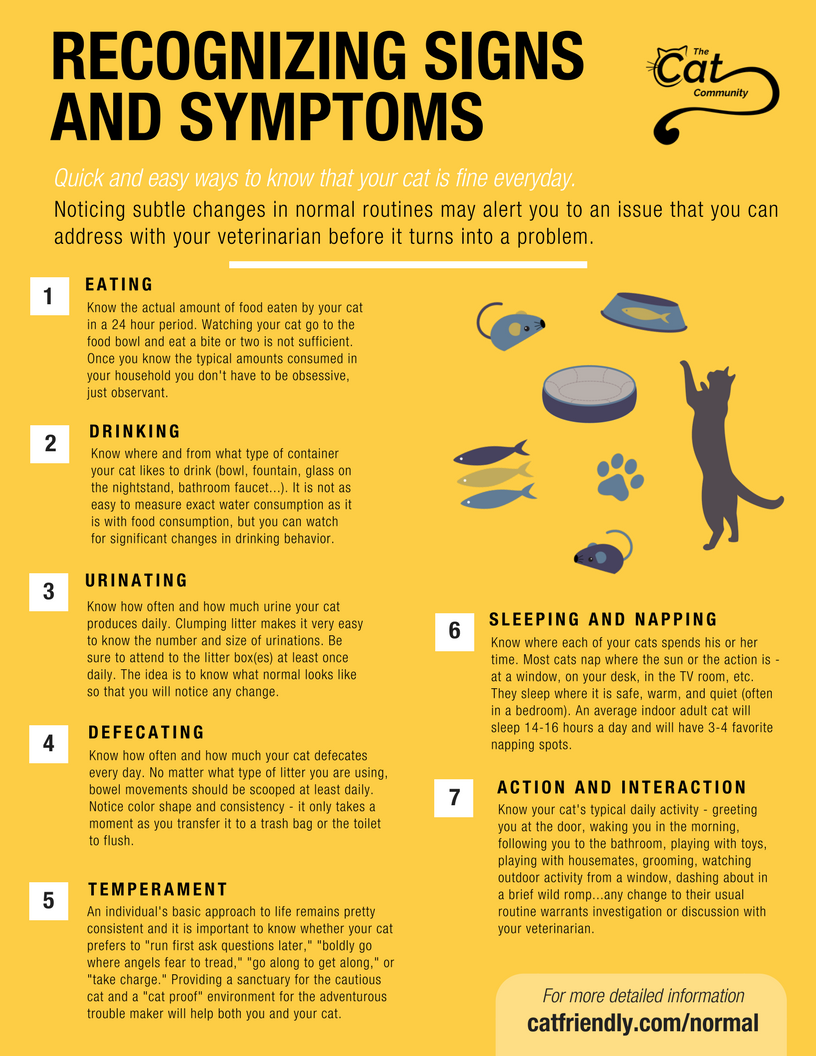
Image Source: catfriendly.com
Fathoming Your Feline’s Bathroom Habits
It’s natural for cat owners to wonder about their furry friends’ daily routines, especially when it comes to bathroom breaks. Knowing how often a cat should urinate is key to ensuring their well-being. This article delves into the typical cat urination frequency, exploring what’s considered normal and what might signal a problem. We’ll look at feline urinary output, average cat urine volume, and daily urination in cats.
What Constitutes Normal Cat Pee Habits?
For a healthy adult cat, urinating 2 to 5 times a day is generally considered within the normal range. This frequency can be influenced by diet, age, activity level, and overall health. Some cats might naturally pee a bit more or less, and as long as there are no other concerning symptoms, a slight deviation from the average isn’t always a cause for alarm.
Deciphering Daily Urination in Cats
The act of urination is a vital bodily function that helps cats eliminate waste products and excess fluids. The frequency and volume of this process are good indicators of their health. When we talk about daily urination in cats, we’re looking at the overall pattern and volume of urine passed within a 24-hour period.
Factors Influencing Cat Urination Frequency
Several elements can affect how many times cats pee in a day. It’s not a one-size-fits-all scenario.
- Diet: This is a major factor.
- Wet Food: Cats fed primarily wet food tend to urinate more frequently. This is because wet food has a high moisture content, leading to increased fluid intake.
- Dry Food: Cats on a dry food diet will naturally drink more water to compensate for the lack of moisture in their kibble, but they might still urinate less frequently than wet-food-fed cats.
- Age: Kittens and senior cats may have different urination patterns than adult cats. Kittens have smaller bladders and may need to go more often. Older cats might experience changes in kidney function or other age-related health issues that can affect urination.
- Activity Level: More active cats might drink slightly more water, potentially leading to more frequent urination.
- Health Conditions: This is a crucial area. Underlying health issues are the most common reason for changes in urination habits.
- Hydration: Adequate water intake is directly linked to urinary output.
Average Cat Urine Volume
The average cat urine volume per urination can also vary. A typical urination might yield anywhere from 5 to 30 milliliters of urine. Over a 24-hour period, a healthy cat might produce anywhere from 150 to 300 milliliters of urine, depending on their size and fluid intake.
Cat Urination Frequency Chart: A General Guideline
While a strict cat urine frequency chart isn’t definitive due to individual variations, the following provides a general overview:
| Factor | Typical Urination Frequency (per day) | Notes |
|---|---|---|
| Adult Cat (Wet Food) | 3-5 times | Higher moisture intake leads to more frequent voiding. |
| Adult Cat (Dry Food) | 2-4 times | May drink more water, but potentially less frequent than wet food eaters. |
| Kittens | 4-6 times | Smaller bladders, higher metabolic rate. |
| Senior Cats | Varies greatly | Can be influenced by kidney function, diabetes, or mobility issues. |
Note: These are general estimates. Your veterinarian can provide the most accurate assessment for your individual cat.
How Many Times Cats Pee: The Importance of Observation
The question of how many times cats pee is best answered by careful observation of your pet. It’s not just about the number; it’s also about the character of the urination.
Observing Cat Urinary Behavior
Cat urinary behavior encompasses more than just frequency. It includes:
- Straining to urinate: This is a serious sign.
- Urinating outside the litter box: This can indicate a medical issue or stress.
- Blood in the urine: Always a cause for immediate veterinary attention.
- Small amounts of urine passed frequently: Could indicate a urinary tract infection or blockage.
- Increased thirst and urination (polyuria and polydipsia): Can be a sign of diabetes or kidney disease.
- Urinating very infrequently or not at all: This is an emergency.
Cat Hydration and Urination: A Crucial Link
Cat hydration and urination are inextricably linked. Cats are naturally desert animals and evolved to conserve water. This means their urine is often concentrated. However, they still require adequate fluid intake for healthy kidney function and to flush out waste products.
Ensuring Adequate Hydration
- Provide fresh water at all times: Clean water bowls are essential.
- Consider multiple water sources: Some cats prefer drinking from different bowls or even running water.
- Invest in a pet drinking fountain: The movement of water can encourage some cats to drink more.
- Feed wet food: As mentioned, this is a highly effective way to increase fluid intake.
- Add water to wet food: A little extra water can boost hydration.
Signs of Cat Urinary Problems: What to Watch For
Recognizing signs of cat urinary problems is paramount for early intervention and better outcomes. Changes in frequency, volume, or the act of urination itself are red flags.
Common Urinary Issues in Cats
- Urinary Tract Infections (UTIs): While less common in cats than in dogs, UTIs can cause frequent, painful urination, sometimes with blood.
- Feline Lower Urinary Tract Disease (FLUTD): This is an umbrella term for a group of conditions affecting a cat’s bladder and urethra. It can include:
- Cystitis (inflammation of the bladder): Often caused by stress or idiopathic (unknown cause).
- Urethral stones or crystals: These can block the urethra, preventing urination.
- Feline Idiopathic Cystitis (FIC): This is a common cause of cystitis in cats, often linked to stress.
- Kidney Disease: Chronic kidney disease can affect a cat’s ability to concentrate urine, leading to increased thirst and urination.
- Diabetes Mellitus: Uncontrolled diabetes can cause increased thirst and urination due to high blood sugar levels.
- Urinary Blockage (especially in male cats): This is a life-threatening emergency. Male cats have narrower urethras, making them more prone to blockages from crystals or stones. Symptoms include straining, unproductive attempts to urinate, vocalization, and lethargy. If your cat is straining to urinate and producing little to no urine, seek veterinary care immediately.
When to Contact Your Veterinarian
You should contact your veterinarian if you observe any of the following:
- A significant increase or decrease in urination frequency.
- Straining to urinate or crying out while in the litter box.
- Blood in the urine.
- Urinating outside the litter box.
- Inability to urinate.
- Lethargy, vomiting, or loss of appetite accompanying urinary changes.
- Increased thirst.
The Role of the Litter Box in Monitoring
The litter box is your primary window into your cat’s urinary habits. Regular checks can provide vital clues.
Litter Box Hygiene and Observation Tips
- Scoop daily: This encourages your cat to use the box and makes it easier to spot changes in urine or feces.
- Monitor urine volume and color: Are the urine clumps larger or smaller than usual? Is the color normal (pale yellow)?
- Note the number of urine clumps: A sudden increase or decrease in clumps can be significant.
- Ensure you have enough litter boxes: The general rule is one litter box per cat, plus one extra.
- Location matters: Boxes should be in quiet, accessible locations.
Age-Related Changes in Urination
As cats age, their bodily functions can change, impacting their urinary habits.
Kittens and Senior Felines
- Kittens: Young kittens have less control over their bladders and will urinate more frequently, often every few hours. Their bladders are small and they may have accidents as they learn to use the litter box.
- Senior Cats: Older cats may develop conditions like kidney disease or diabetes, which can lead to increased thirst and urination. They might also experience a decline in bladder control, similar to what humans experience with aging. Mobility issues can also affect their ability to get to the litter box, potentially leading to accidents.
Stress and Its Impact on Cat Urinary Behavior
Stress can significantly influence a cat’s cat urinary behavior. Cats are creatures of habit and can be sensitive to changes in their environment.
Stressors for Cats
- Changes in routine: A new pet, a new baby, moving house, or even a change in your work schedule can be stressful.
- Inadequate resources: Not enough litter boxes, food bowls, or resting spots can cause stress.
- Inter-cat conflict: If you have multiple cats, territorial disputes can lead to anxiety.
- Loud noises or unfamiliar visitors.
When stressed, cats may develop FIC, leading to cystitis. This can manifest as increased urination frequency, straining, or urinating outside the litter box. Providing a safe, predictable environment and addressing stressors is crucial for these cats.
Frequently Asked Questions About Cat Urination
Q1: How much water should a cat drink per day?
A: A general guideline is about 3.5 to 4.5 ounces of water per 5 pounds of body weight per day. However, much of this fluid intake often comes from their food, especially if they eat wet food.
Q2: Is it normal for my cat to pee more when it’s hot outside?
A: Yes, if your cat is drinking more water due to heat, they may urinate more frequently. Ensure they always have access to fresh, cool water.
Q3: My cat used to pee 3 times a day, but now it’s 6. Should I be worried?
A: Yes, a sudden doubling of urination frequency warrants a visit to the veterinarian. It could indicate an underlying health issue.
Q4: Can I tell if my cat is dehydrated just by looking at them?
A: While subtle signs like slightly tacky gums can be an indicator, it’s best to monitor their water intake and urine output. A veterinarian can assess hydration status accurately.
Q5: What are the most common causes of increased urination in cats?
A: The most common causes include diabetes mellitus, chronic kidney disease, and hyperthyroidism. Infections and FLUTDI can also play a role.
Q6: My cat only urinates once a day. Is this too little?
A: For most cats, urinating only once a day would be considered too infrequent. If your cat seems otherwise healthy and is producing a normal volume, it might be acceptable, but it’s always best to discuss this with your vet.
Q7: What is the difference between frequent urination and urinary incontinence?
A: Frequent urination (pollakiuria) refers to an increased number of urination attempts, often with small volumes, which can be a symptom of medical issues. Urinary incontinence is the inability to control the bladder, resulting in involuntary urine leakage, which is less common in cats and often linked to neurological or physical problems.
By paying close attention to your cat’s cat urination frequency, cat urinary behavior, and overall health, you can be a proactive guardian of their well-being. Always consult your veterinarian if you have concerns about your cat’s urinary habits.