
What is the lethal dose of xylitol for a cat? There is no definitive established lethal dose for xylitol in cats because the amount required to cause severe toxicity or death can vary significantly between individual animals. However, even small amounts of xylitol can be extremely dangerous and potentially fatal for cats.
Xylitol is a popular sugar substitute found in many everyday products, from sugar-free gum and candies to baked goods, toothpaste, and even some peanut butters. While it’s generally considered safe for humans, it poses a grave danger to our feline companions. Xylitol toxicity in cats is a serious concern for pet owners, and it’s crucial to know the risks and how to respond if ingestion occurs. This comprehensive guide aims to shed light on how much xylitol can be detrimental to cats, the signs to watch for, and what steps to take.
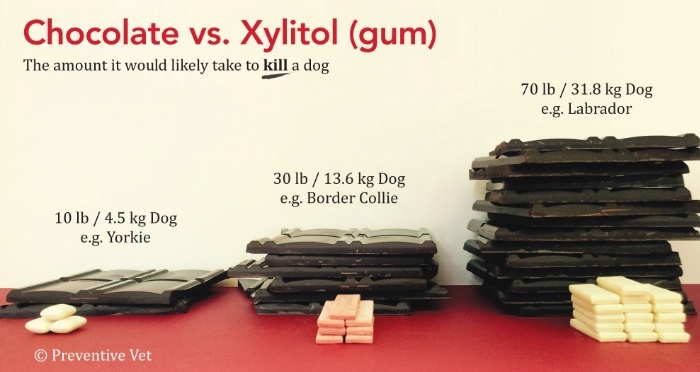
Image Source: www.preventivevet.com
The Devastating Impact of Xylitol on Feline Health
Xylitol’s harmful effect on cats stems from how their bodies process this artificial sweetener. Unlike in humans, where xylitol doesn’t significantly affect blood sugar levels, cats experience a rapid and dramatic response. When a cat ingests xylitol, it is quickly absorbed into the bloodstream, triggering the pancreas to release a surge of insulin. This excessive insulin release leads to a precipitous drop in blood glucose levels, a condition known as hypoglycemia.
This rapid drop in blood sugar can occur within minutes to hours of ingestion and is a medical emergency. Even small amounts can cause significant problems.
Xylitol Sugar Substitute Cats: The Dangers
The danger of xylitol as a xylitol sugar substitute for cats cannot be overstated. Cats are particularly sensitive, and the consequences of ingestion can be severe and rapid. The primary concerns are:
- Hypoglycemia (Low Blood Sugar): As mentioned, the massive insulin release causes dangerously low blood sugar. This deprives the brain and other vital organs of their primary energy source.
- Hepatic Necrosis (Liver Damage): In higher doses, xylitol can also cause acute liver failure in cats. The liver plays a crucial role in metabolizing substances, and xylitol overwhelms its capacity, leading to cell death.
Symptoms of Xylitol Poisoning in Cats
Recognizing the symptoms of xylitol poisoning in cats is vital for prompt action. These signs can appear quickly, sometimes within 30 minutes of ingestion, and can worsen if not treated. Owners should be aware of the following indicators:
- Vomiting: This is often one of the earliest signs.
- Lethargy and Weakness: The cat may appear unusually tired or have difficulty moving.
- Loss of Coordination (Ataxia): Stumbling, wobbling, or difficulty maintaining balance.
- Weakness or Collapse: The cat may become unable to stand or move.
- Tremors or Seizures: Uncontrolled shaking or convulsions.
- Pale Gums: Indicative of poor circulation or shock.
- Increased Thirst and Urination: Though less common, it can occur.
- Jaundice (Yellowing of the Skin/Eyes): A sign of liver damage, appearing later.
If you observe any of these symptoms after suspecting your cat may have ingested xylitol, contact your veterinarian or an emergency animal hospital immediately.
Xylitol Lethal Dose for Cats: A Closer Look
Pinpointing an exact xylitol lethal dose for cats is challenging due to variations in individual sensitivity, metabolism, and the specific product ingested. However, veterinary research indicates that toxicity can occur at very low doses.
While dogs are more commonly affected, studies and case reports suggest that as little as 0.1 grams of xylitol per kilogram of body weight can cause significant hypoglycemia in cats. To put this into perspective:
- A typical 10-pound cat weighs approximately 4.5 kilograms.
- A mere 0.45 grams of xylitol (less than half a gram!) could potentially cause a dangerous drop in blood sugar.
To illustrate further, consider the xylitol content in common products:
- Sugar-Free Gum: A single piece of sugar-free gum can contain between 0.2 to 1 gram of xylitol or more. This means even a small chew could be toxic.
- Sugar-Free Candies: Similar to gum, the concentration can be high.
- Baked Goods: If a cake or cookie is sweetened with xylitol, even a small crumb could contain a dangerous amount for a cat.
- Peanut Butter: Some brands of peanut butter, especially those marketed as sugar-free or low-calorie, may contain xylitol. This is particularly concerning as cats are often attracted to peanut butter.
The cumulative effect of multiple small exposures could also be dangerous. Therefore, xylitol ingestion cat danger is a constant threat if these products are not stored safely away from pets.
Xylitol Side Effects Cats Experience
The immediate xylitol side effects cats can exhibit are directly related to the rapid onset of hypoglycemia and, in more severe cases, liver damage. These effects manifest as:
- Neurological Signs: Due to the brain’s dependence on glucose, symptoms like incoordination, weakness, and seizures are prominent.
- Gastrointestinal Upset: Vomiting is common as the body tries to expel the toxin or as a direct result of the metabolic disruption.
- Cardiovascular Changes: In severe cases, the stress on the body can lead to changes in heart rate and blood pressure.
- Organ Damage: The most critical long-term concern is xylitol liver damage cats can sustain. This can lead to complete liver failure, which is often irreversible.
Fathoming the Mechanism: How Xylitol Harms Cats
The biological pathway through which xylitol exerts its toxic effects in cats is quite specific. It’s a process that highlights the significant physiological differences between species.
Insulin Spike and Hypoglycemia
The primary mechanism involves the pancreas. When xylitol enters a cat’s bloodstream, the pancreas recognizes it as a sugar and releases insulin. Insulin’s job is to help cells absorb glucose from the blood. However, xylitol is not metabolized like glucose. The insulin released in response to xylitol continues to act on the body’s existing glucose reserves.
This creates a feedback loop:
- Xylitol Ingestion: Xylitol enters the cat’s system.
- Pancreatic Insulin Release: The pancreas releases a large amount of insulin.
- Glucose Uptake: Insulin prompts body cells to take up glucose from the bloodstream.
- Blood Glucose Drop: With excessive insulin and no replacement of utilized glucose (as xylitol isn’t a sugar), blood glucose levels plummet, leading to severe hypoglycemia.
This is why prompt veterinary intervention is so critical. The goal is to raise blood glucose levels quickly and prevent further insulin-driven glucose depletion.
Xylitol Liver Damage Cats: A Secondary, Severe Outcome
While hypoglycemia is the immediate threat, xylitol liver damage cats can suffer is a more insidious danger. The liver is the primary organ responsible for detoxification and metabolism. When a significant amount of xylitol is ingested, the liver can become overloaded.
The exact mechanism of xylitol-induced liver damage is still being researched, but it’s believed to involve:
- Depletion of ATP (Adenosine Triphosphate): Xylitol metabolism in the liver can deplete the cell’s energy currency, ATP, leading to cell dysfunction and death.
- Oxidative Stress: The metabolic process might also induce oxidative stress, further damaging liver cells.
This liver damage can be progressive and may not become apparent until days after the initial ingestion. Signs of liver failure can include jaundice, lethargy, decreased appetite, and vomiting.
Xylitol Safe for Cats: When is it a Non-Issue?
The simple answer to “Is xylitol safe for cats?” is no. Cats are inherently sensitive to xylitol, and there is no universally recognized safe threshold for ingestion. Even trace amounts present in some products could theoretically cause an issue, especially in smaller or more sensitive cats.
However, it’s important to differentiate between xylitol itself and products that might contain it.
- Xylitol-Free Products: Many commercially available pet foods, treats, and human foods are formulated without xylitol. These are generally safe.
- Human Food Ingredients: While many fruits and vegetables are safe for cats in moderation, it’s always best to check ingredient lists of any processed human food before offering it to your pet. If a product does not list xylitol on its ingredient label, it is presumed to be xylitol-free.
The key is vigilance and strict prevention. If you consume products containing xylitol, ensure they are stored securely and that your cat has absolutely no access to them. This includes chewing gum wrappers, candy containers, and any food items.
Preventing Xylitol Ingestion in Your Cat
Prevention is paramount when it comes to xylitol ingestion cat danger. Since cats are curious and can be opportunistic eaters, keeping xylitol-containing products out of their reach is essential.
Here are some key preventative measures:
- Secure Storage: Store all xylitol-containing products in secure, latched cabinets or containers that your cat cannot open. This includes drawers, pantries, and countertops.
- Mindful Disposal: Be careful when disposing of wrappers, containers, or remnants of xylitol products. Ensure they are in securely tied trash bags and placed in a bin that your cat cannot access.
- Educate Household Members: Ensure everyone in your household, including children and guests, understands the dangers of xylitol for cats and the importance of keeping these items away from them.
- Read Labels Diligently: Always check the ingredient lists of human foods, medications, and dental products before giving them to your cat or leaving them unattended. Look for “xylitol” or “sugar alcohol.”
- Pet-Specific Products: When purchasing treats, toothpaste, or other products for your cat, opt for those specifically formulated for feline consumption and verified to be xylitol-free.
- Peanut Butter Caution: If you use peanut butter in toys or as a treat for your cat, always choose a brand that explicitly states it is xylitol-free. Natural, unsweetened peanut butter is usually a safer choice.
Cat Xylitol Poisoning Treatment: What to Do
If you suspect your cat has ingested xylitol, acting quickly is critical. Cat xylitol poisoning treatment requires immediate veterinary attention. Do not wait for symptoms to appear.
- Contact Your Veterinarian Immediately: Call your vet or the nearest emergency animal hospital. Describe what your cat may have ingested, the estimated amount, and when it happened.
- Provide Information: Be ready to provide your cat’s weight, age, and any pre-existing health conditions.
- Follow Veterinary Advice: Your vet will guide you on whether to induce vomiting (only do this if specifically instructed by a veterinarian, as it can be dangerous) and advise you to bring your cat in immediately.
Veterinary Treatment for Xylitol Toxicity
Veterinary treatment for xylitol poisoning typically involves:
- Inducing Vomiting (if ingestion is very recent): If the xylitol was ingested within the last 1-2 hours, the vet may induce vomiting to remove as much of the substance as possible from the stomach.
- Activated Charcoal: This can be administered to bind to any remaining xylitol in the digestive tract, preventing further absorption.
- Intravenous (IV) Fluids: These are crucial to maintain hydration and support kidney function, especially if xylitol kidney failure cats develop as a complication.
- Glucose Supplementation: For hypoglycemia, intravenous dextrose (sugar) will be administered to rapidly increase blood glucose levels.
- Frequent Blood Glucose Monitoring: Blood sugar levels will be monitored closely for at least 24-48 hours, as the risk of hypoglycemia can persist.
- Liver Support: If liver damage is suspected or confirmed, supportive care for the liver may include medications like SAMe (S-Adenosylmethionine) or milk thistle.
- Anti-seizure Medications: If seizures occur, they will be managed with appropriate anticonvulsant drugs.
The prognosis depends heavily on the amount of xylitol ingested, the time to treatment, and the individual cat’s response. Early intervention significantly improves the chances of a positive outcome.
Frequently Asked Questions About Xylitol and Cats
Q1: Can a tiny amount of xylitol hurt my cat?
A1: Yes, even very small amounts of xylitol can cause hypoglycemia in cats. It’s best to assume that any ingestion is potentially dangerous.
Q2: What human foods are typically safe for cats?
A2: Generally, plain cooked meats (like chicken or turkey without seasonings) and some cooked fish can be safe in moderation. However, always research specific foods, as many human foods can be toxic to cats. Avoid anything with added sugar, artificial sweeteners (including xylitol), onions, garlic, and high-fat foods.
Q3: If my cat chews on something containing xylitol but doesn’t swallow much, is it safe?
A3: It’s still a risk. Even chewing can expose your cat to enough xylitol to cause harm. If you suspect any ingestion, it’s best to contact your veterinarian.
Q4: Are xylitol-containing dental products dangerous for cats?
A4: Yes, if a cat ingests xylitol-containing toothpaste or mouthwash, it can lead to xylitol toxicity. Keep all dental products out of your cat’s reach.
Q5: Can xylitol cause long-term health problems in cats?
A5: The primary long-term concern is liver damage, which can lead to chronic liver issues or failure if severe. Hypoglycemia itself is an acute emergency and not typically a long-term problem if treated effectively.
Q6: My cat ate something with xylitol. Should I try to make it vomit at home?
A6: Only induce vomiting if your veterinarian explicitly instructs you to do so. Improperly induced vomiting can cause aspiration pneumonia or other complications. The safest course of action is to call your vet immediately.
Q7: How long does xylitol poisoning last in cats?
A7: The effects of hypoglycemia can last for 12-48 hours, requiring close monitoring and supportive care. Any liver damage may have longer-lasting consequences and require ongoing veterinary management.
Conclusion: Vigilance is Key to Feline Safety
The presence of xylitol in a wide range of consumer products presents a significant, often hidden, danger to our feline friends. The xylitol sugar substitute cats can encounter is potent, with even small amounts capable of triggering severe hypoglycemia and potentially fatal liver damage. Understanding the risks, recognizing the symptoms of xylitol poisoning in cats, and implementing strict preventative measures are crucial for protecting your pet.
If xylitol ingestion cat danger is suspected, immediate veterinary attention is paramount. Prompt cat xylitol poisoning treatment can be life-saving, mitigating the severe xylitol side effects cats experience and preventing lasting harm, such as xylitol kidney failure cats might develop. By staying informed and vigilant, you can ensure your beloved cat remains safe from this ubiquitous but dangerous artificial sweetener.