
A healthy adult cat typically urinates between 2 to 5 times per day. However, this is just a general guideline, and factors like age, diet, water intake, and overall health can influence cat urination frequency. If you’re wondering how often do cats pee, this comprehensive guide will delve into normal cat peeing, cat urine output, and what to watch out for regarding feline urinary habits.
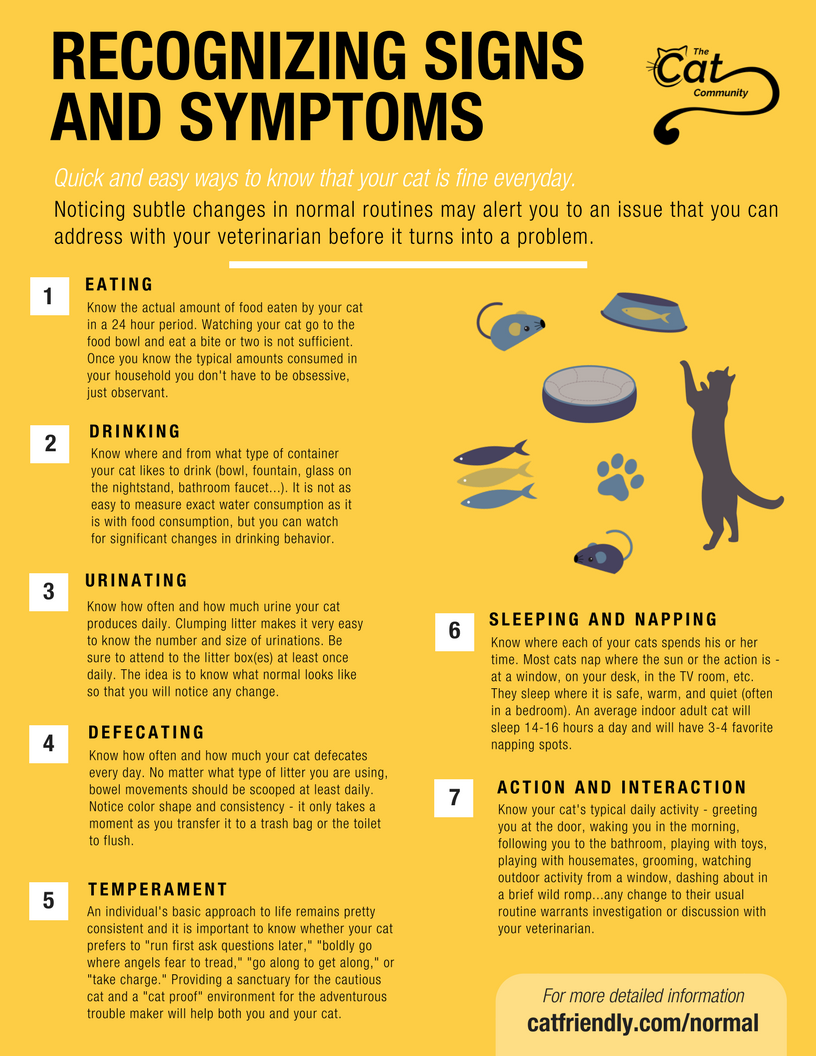
Image Source: catfriendly.com
Exploring Typical Cat Bathroom Habits
Your feline friend’s trip to the litter box is a crucial indicator of their well-being. Cat bathroom habits can reveal a lot about their health. While the average cat urinates a few times a day, some variation is perfectly normal. Let’s explore what constitutes normal litter box usage cats exhibit and what might signal a concern.
Factors Influencing Cat Peeing Frequency
Several elements contribute to how often a cat feels the urge to urinate:
- Hydration Levels: The most significant factor influencing cat urine output is water intake. Cats that drink more water will naturally produce more urine and need to empty their bladder more frequently.
- Diet: Dry kibble diets contain less moisture than wet food. Cats fed primarily dry food may need to drink more to compensate and might urinate less frequently than those on a wet food diet. Wet food contributes to hydration, potentially increasing cat voiding frequency.
- Age: Kittens have smaller bladders and may need to urinate more often than adult cats. Senior cats might experience changes in kidney function or other health issues that affect their urination patterns.
- Activity Level: More active cats may drink more water and, consequently, urinate more often.
- Environmental Factors: Stress, changes in routine, or competition for litter boxes can sometimes alter feline urinary habits.
- Medical Conditions: As we’ll discuss later, various health problems can drastically change a cat’s urination frequency.
A Closer Look at Normal Cat Peeing
What does “normal” really mean when it comes to your cat’s peeing habits? It’s about consistency and the absence of distress.
- Volume: The amount of urine produced can vary. A healthy cat’s urine is typically light yellow and clear, with a mild ammonia smell.
- Litter Box Visits: Most cats will visit their litter box a few times a day to urinate. They might also defecate once a day, though some cats go less often. The key is that their habits are regular for them.
- No Straining or Discomfort: During urination, a cat should squat comfortably and pass urine without apparent difficulty, pain, or excessive meowing.
Deciphering Cat Urine Output and What It Means
Cat urine output is a direct reflection of how well their kidneys are functioning and how hydrated they are. Healthy kidneys filter waste products from the blood and produce urine.
Typical Daily Urine Production
For an average-sized adult cat (around 10 pounds or 4.5 kg), daily urine production can range from 150 to 300 milliliters (approximately 5 to 10 fluid ounces). This means that if your cat urinates 2-5 times a day, each urination might be a few tablespoons to a quarter cup of urine.
What Affects Urine Concentration?
- Dehydration: If a cat isn’t drinking enough, their urine will be more concentrated, darker in color, and have a stronger smell. This can happen if water bowls are not kept clean or if a cat has a condition that reduces thirst.
- Kidney Disease: Impaired kidney function can lead to the inability to concentrate urine, resulting in increased urine volume and a lighter color. This means the cat will need to urinate more frequently.
- Diabetes Mellitus: Uncontrolled diabetes causes high blood sugar. The kidneys try to excrete the excess sugar, pulling more water with it, leading to increased thirst and urination.
How Often Do Cats Pee? Variations on a Theme
While the 2-5 times a day benchmark is useful, there are always exceptions to the rule.
Kittens and Young Cats
Kittens have developing bladders and a faster metabolism. They might urinate more frequently, perhaps 6 to 10 times a day, especially after waking up or after meals. Their small size means they can’t hold as much urine.
Senior Cats
As cats age, their bodies change. Senior cats might experience:
- Reduced Kidney Function: This can lead to increased thirst and urination as the kidneys struggle to concentrate urine effectively.
- Incontinence: Some older cats may develop urinary incontinence, leading to accidents outside the litter box and more frequent trips to urinate.
- Arthritis: Pain from arthritis can make it difficult for older cats to get into and out of litter boxes, which might be perceived as a change in feline urinary habits, even if the underlying cat voiding frequency hasn’t changed dramatically.
Breed and Size Differences
While less pronounced than other factors, some very large breeds might have slightly larger bladders. However, cat urination frequency is generally more influenced by individual health and hydration than breed alone.
Fathoming Feline Urinary Habits: What’s Normal for Your Cat?
The most important aspect of normal cat peeing is recognizing what is normal for your individual cat. If your cat has always urinated once a day, and suddenly starts going 5 times a day, that’s a change to note. Conversely, if your cat typically urinates 5 times a day and suddenly drops to once, that’s also significant.
Observing Litter Box Usage Cats
Regularly monitoring your cat’s litter box usage cats is key. Here’s what to look for:
- Number of Urinations: Keep a mental note of how many times you see your cat using the litter box to pee.
- Volume of Urine: Observe the size of the urine clumps in the litter box. Are they consistently small, large, or changing?
- Ease of Urination: Does your cat strain, cry out, or take an unusually long time to urinate?
- Urine Appearance: Note the color and clarity. Is it pale, dark, cloudy, or bloody?
Creating a Healthy Litter Box Environment
A positive litter box experience encourages normal cat bathroom habits. Ensure you have:
- Enough Litter Boxes: The general rule is one litter box per cat, plus one extra.
- Appropriate Litter: Most cats prefer unscented, clumping clay litter.
- Cleanliness: Scoop litter boxes at least once a day, and completely change the litter and wash the box weekly.
- Quiet Location: Place litter boxes in quiet, accessible areas away from food and water bowls and high-traffic zones.
Signs of Cat Urinary Issues: When to Seek Veterinary Advice
Changes in cat voiding frequency or the act of urination are often the first signs of cat urinary issues. It’s crucial to act promptly if you notice any of the following:
Increased Urination (Pollakiuria)
If your cat is peeing much more often than usual, it could indicate:
- Urinary Tract Infection (UTI): Bacteria can infect the bladder, causing inflammation and a frequent, urgent need to urinate.
- Diabetes Mellitus: As mentioned earlier, high blood sugar leads to increased urination.
- Kidney Disease: Compromised kidneys can’t concentrate urine, leading to more frequent voiding.
- Hyperthyroidism: This condition can increase metabolism and water intake.
- Certain Cancers: Some tumors can affect kidney or bladder function.
- Polydipsia/Polyuria (Excessive Drinking/Urination): This symptom can be a sign of various underlying diseases.
Decreased Urination or Straining (Stranguria/Anuria)
A sudden drop in cat urination frequency or the inability to urinate is a serious medical emergency, especially in male cats. This can be a sign of:
- Urinary Blockage: Urethral stones, crystals, or inflammation can block the flow of urine. This is a life-threatening condition.
- Bladder Stones: These can cause irritation, pain, and blockage.
- Constipation: Severe constipation can sometimes put pressure on the bladder, hindering urination.
- Neurological Issues: Problems with nerve signals to the bladder can affect cat bladder emptying.
Pain or Discomfort During Urination
If your cat cries, yowls, or seems to be in pain while trying to pee, it’s a clear sign something is wrong. This is often seen with:
- UTIs: Inflammation causes pain.
- Cystitis (Inflammation of the Bladder): This can be caused by stress (Feline Idiopathic Cystitis – FIC), infections, or stones.
- Urinary Stones or Crystals: These can irritate and block the urinary tract.
Blood in the Urine (Hematuria)
Seeing red or pink tinged urine in the litter box is a serious concern and can indicate:
- UTIs
- Bladder Stones
- Trauma
- Kidney Disease
- Tumors
Urinating Outside the Litter Box (Inappropriate Urination)
While sometimes behavioral, this can also be a sign of cat urinary issues. Cats often associate pain or discomfort with their litter box if they have a urinary problem, leading them to avoid it. If your cat suddenly starts peeing on carpets, beds, or other surfaces, investigate thoroughly.
Comprehending Cat Bladder Emptying
Cat bladder emptying is a complex process involving the bladder muscles and nerves. When the bladder fills, nerve signals are sent to the brain, creating the urge to urinate. The bladder then contracts, and the sphincter muscles relax, allowing urine to flow out.
What Disrupts Bladder Emptying?
- Blockages: Physical obstructions in the urethra (the tube that carries urine from the bladder out of the body) are the most common cause of disrupted cat bladder emptying.
- Nerve Damage: Spinal cord injuries, nerve diseases, or even certain infections can affect the nerve signals controlling urination.
- Muscle Weakness: In some older or very ill cats, the bladder muscles may not contract effectively.
- Inflammation: Swelling within the urinary tract can impede urine flow.
Interpreting Litter Box Usage Cats: A Daily Check-in
Your cat’s litter box is a window into their health. By paying attention to the details of litter box usage cats exhibit, you can catch potential problems early.
What to Document if You Suspect an Issue
If you notice any changes, jot down details to share with your veterinarian:
- Date and Time: When did you notice the change?
- Frequency: How many times has your cat used the litter box?
- Litter Box Behavior: Did they strain, cry, or take a long time?
- Urine Appearance: Color, amount, any blood?
- Diet and Water Intake: Any changes there?
- Other Symptoms: Vomiting, diarrhea, lethargy, changes in appetite?
Frequently Asked Questions (FAQs)
Q1: Can my cat pee too much?
Yes, a cat peeing significantly more frequently than their usual pattern, or drinking excessive amounts of water, can be a sign of an underlying health issue like diabetes, kidney disease, or a urinary tract infection.
Q2: My cat only pees once a day. Is that normal?
While 2-5 times a day is average, some cats may have different patterns. If your cat is otherwise healthy, eating well, and not showing any signs of discomfort, urinating once a day might be their normal. However, if this is a new behavior or if you notice any other changes, it’s wise to consult a vet.
Q3: How can I tell if my cat is having trouble urinating?
Signs include straining in the litter box, crying out in pain, urinating small amounts frequently, blood in the urine, or urinating outside the litter box. A significant decrease in urination is also a major concern.
Q4: Is it normal for my cat to pee a lot after surgery or illness?
Cats recovering from surgery or illness might experience temporary changes in urination due to medications, anesthesia, or their body’s recovery process. However, persistent or extreme changes should always be discussed with your veterinarian.
Q5: What should I do if I think my cat has a urinary problem?
Contact your veterinarian immediately. Urinary issues, especially blockages, can be life-threatening and require prompt medical attention. Provide your vet with as much information as possible about your cat’s symptoms and habits.
By familiarizing yourself with normal cat peeing and diligently observing your cat’s feline urinary habits, you can be a proactive guardian of their health. Remember, any significant deviation from their usual cat bathroom habits warrants a call to your veterinarian to ensure your beloved feline friend stays healthy and happy.