
So, you’ve opened a new bag of dry cat food. How long can you keep it before it goes bad? Generally, once opened, dry cat food is best used within 4 to 6 weeks. However, this timeframe can vary depending on how you store it.
It’s natural to wonder about the longevity of your feline friend’s kibble. After all, you want to provide the freshest, most nutritious meals. This article will delve deep into the factors affecting the shelf life of opened cat food, provide essential storage tips for maintaining pet food freshness, and explain the importance of food safety to keep your cat healthy. We’ll also touch upon unopened dry cat food and how to decipher those important dates.
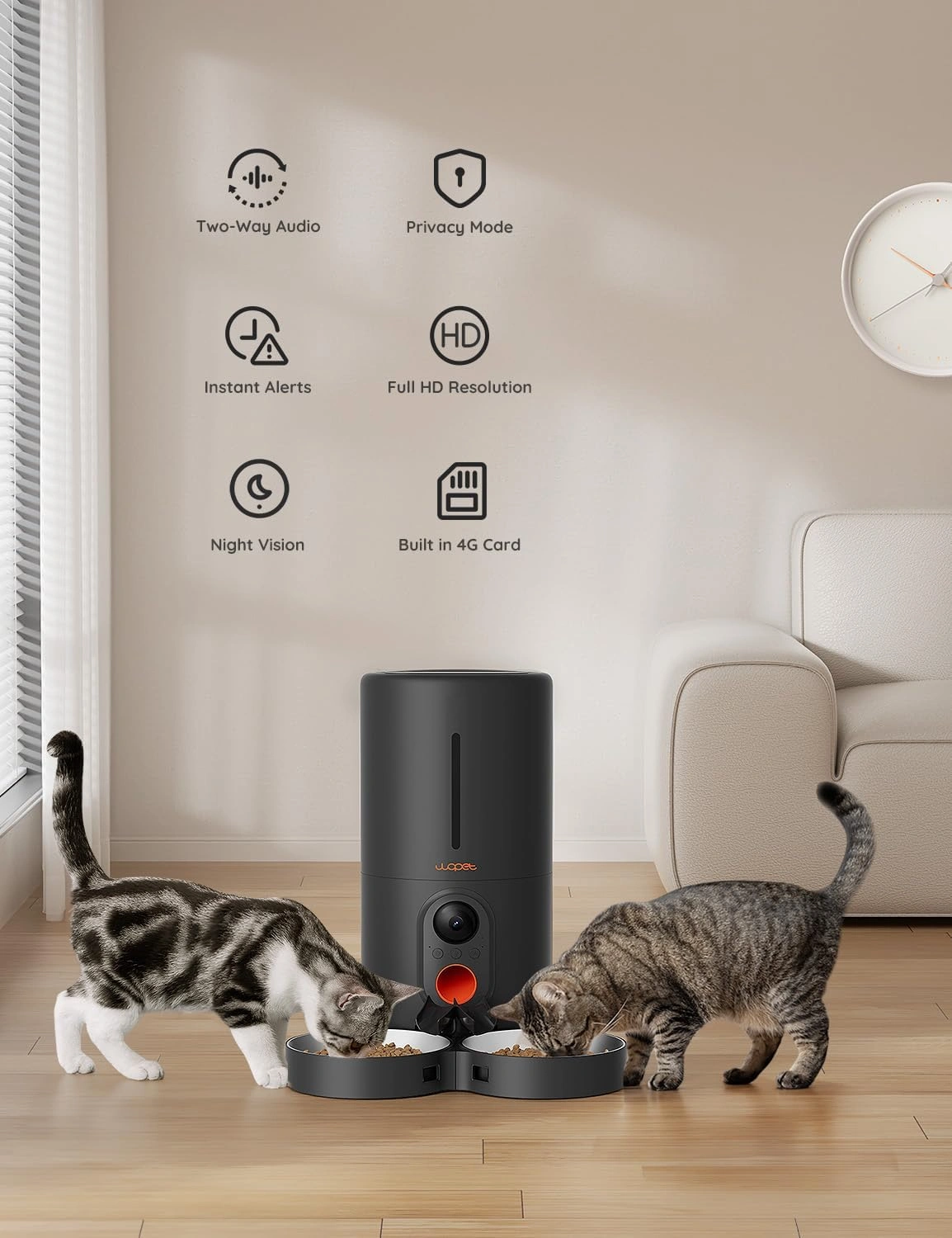
Image Source: wopet.com
Factors Influencing Dry Cat Food Longevity
Several elements play a critical role in how long dry cat food remains palatable and safe for your cat after the bag is opened. These are the key players to consider:
1. Exposure to Air (Oxidation)
Once a bag of dry cat food is opened, the kibble is immediately exposed to oxygen. This exposure leads to a process called oxidation. Oxidation breaks down the fats and nutrients in the food, leading to a loss of flavor and nutritional value. Think of it like cutting an apple and leaving it out – it turns brown due to oxidation. The same principle applies to cat food.
- Impact:
- Nutrient Degradation: Essential vitamins and fatty acids can be destroyed.
- Palatability Decrease: The food can develop a stale, rancid taste and smell that cats, with their sensitive noses, will notice.
- Rancidity: Fats can become rancid, which is not only unappealing but can also be harmful.
2. Moisture Content and Humidity
Dry cat food, by definition, has a low moisture content. This is what allows it to have a long shelf life in its sealed packaging. However, when exposed to ambient humidity, the kibble can absorb moisture.
- Impact:
- Mold and Bacteria Growth: Increased moisture creates an environment where mold, yeast, and bacteria can thrive. This is a significant food safety concern.
- Texture Changes: Kibble can become soft and mushy, which many cats dislike.
- Accelerated Spoilage: Moisture speeds up the degradation process, shortening the usable life of the food.
3. Temperature and Light
Like many perishable items, dry cat food is sensitive to temperature fluctuations and direct sunlight. Storing food in a warm, humid environment or in direct light can accelerate spoilage.
- Impact:
- Fat Breakdown: Higher temperatures can speed up the rancidity of fats.
- Nutrient Loss: Heat can degrade certain vitamins.
- Increased Microbial Activity: Warmth can encourage the growth of bacteria.
4. Ingredient Quality and Formulation
The quality of the ingredients used in the dry cat food and how it’s formulated also impacts its shelf life. Foods with higher fat content, for instance, may become rancid faster than those with lower fat. The presence of natural preservatives (like mixed tocopherols, a form of Vitamin E) versus artificial preservatives can also play a role in how long the food maintains its freshness.
How Long Does Dry Cat Food Truly Last?
Let’s break down the timeline for opened cat food.
The 4-6 Week Guideline: Why and When
The widely recommended 4-6 week timeframe after opening is a good general rule of thumb for maintaining optimal pet food freshness and food safety. This period assumes the food is stored correctly. Within these weeks, the food is generally still palatable and retains most of its nutritional value, provided it hasn’t been exposed to adverse conditions.
Signs of Food Spoilage: What to Look For
It’s crucial to be able to recognize when dry cat food has gone bad. Food spoilage can happen faster than you might think if proper storage is neglected.
- Smell: The most obvious indicator is a change in smell. Fresh kibble has a neutral or slightly savory aroma. If it smells rancid, musty, or unpleasant, it’s time to discard it.
- Appearance: Look for any signs of mold, discoloration, or clumping. While some kibble has natural color variations, sudden or unusual changes can signal a problem.
- Texture: If the kibble feels unusually soft, sticky, or has started to clump together, it may have absorbed too much moisture or is starting to break down.
- Your Cat’s Reaction: If your cat suddenly refuses to eat their food, or shows signs of digestive upset (vomiting, diarrhea) after eating it, this could be a sign that the food is no longer good.
Mastering Cat Kibble Storage: The Best Practices
Proper cat kibble storage is the most critical factor in extending the life of your opened dry cat food and ensuring its quality. Here are the best strategies:
1. The Original Bag: Love it or Leave it?
Many pet owners assume the original bag is the best place to store dry food. While it offers a barrier, it’s not ideal for long-term freshness once opened.
- Pros:
- Contains important information (ingredients, expiration date, feeding guidelines).
- Designed to keep moisture out initially.
- Cons:
- Often not airtight once opened and refolded.
- The material can be permeable to air and moisture over time.
- Can be prone to pests if not stored properly.
2. Airtight Containers: Your Best Friend
Investing in a good quality, airtight container is the single most effective storage tip for keeping opened dry cat food fresh.
- Types of Containers:
- Plastic Containers: Look for food-grade, BPA-free plastic containers with a tight-fitting lid and a good seal. Many brands offer dedicated pet food storage bins.
- Glass Containers: Glass is inert and won’t absorb odors, but can be heavy and breakable. Ensure lids have a reliable seal.
- Metal Containers: Stainless steel containers with airtight lids are also an excellent option.
- How to Use:
- Pour the dry kibble directly from the original bag into the clean, dry airtight container.
- Crucially, do NOT leave the bag inside the container. This introduces more air and moisture.
- Seal the lid tightly after each use.
3. Location, Location, Location: Where to Store
The environment where you store your cat food can significantly impact its shelf life.
- Cool: Aim for a consistent, cool temperature. Avoid storing food near stoves, ovens, or in direct sunlight. A pantry or a cupboard away from heat sources is ideal.
- Dry: Humidity is the enemy of dry kibble. Ensure the storage area is dry and free from dampness.
- Dark: Light can degrade some nutrients. Storing food in opaque containers or in a dark cupboard helps preserve its quality.
- Pest-Free: Keep storage areas clean and seal containers to prevent pests like rodents and insects from accessing the food.
4. Portioning and Rotation: Smart Strategies
Managing larger bags of kibble can be challenging. Consider these strategies:
- Smaller Containers: If you buy a very large bag, transfer a week’s or two weeks’ worth of food into a smaller airtight container and store the rest of the bag in a cool, dry place (or even the refrigerator/freezer for longer-term storage – see below).
- First-In, First-Out (FIFO): Always use the oldest food first. When you open a new bag, place it behind any existing opened bags.
The Refrigerator and Freezer: Friend or Foe?
Many people wonder if refrigerating or freezing opened dry cat food is a good idea.
Refrigeration
- Pros:
- Lower temperatures can slow down fat oxidation and bacterial growth.
-
Cons:
- Condensation Risk: The biggest danger is condensation. When you take the cold food out, the temperature change can cause moisture to form on the kibble, which accelerates spoilage and mold growth.
- Odor Absorption: Kibble can absorb odors from the refrigerator.
-
Recommendation: Generally, refrigeration is not recommended for dry cat food due to the high risk of condensation unless you are extremely careful. If you do choose to refrigerate, use a very well-sealed container and allow it to come to room temperature before opening to minimize condensation.
Freezing
- Pros:
- Significantly Extends Shelf Life: Freezing effectively halts the oxidation process and kills most bacteria and mold spores.
- Preserves Nutrients: Freezing is excellent for preserving the nutritional integrity of the food.
-
Cons:
- Thawing and Condensation: Similar to refrigeration, you must be cautious about condensation when thawing.
- Texture Changes: While minor, some slight texture changes can occur after freezing and thawing.
-
How to Freeze Effectively:
- Divide the dry food into smaller, portion-controlled, airtight, freezer-safe bags or containers.
- Remove as much air as possible from the packaging before sealing.
- Label with the date.
- When ready to use, transfer a portion to the refrigerator to thaw slowly overnight.
- Once thawed, allow it to come to room temperature before feeding it to your cat. Never refreeze thawed food.
-
Duration: Properly frozen dry cat food can maintain good quality for up to 6 months, sometimes even longer, although the ideal window for optimal freshness is generally considered within 3-4 months.
Deciphering Dates: Expiration vs. Best By
You’ll often see dates printed on cat food packaging. It’s important to know what they mean.
The Expiration Date
- This date indicates the last day the manufacturer guarantees the product is at its peak quality and safety. After this date, consuming the food may pose a food safety risk. While less common on dry food than wet, it’s still present on some packaging.
The Best By/Best Before Date
- This date is more common for dry cat food. It indicates the date until which the manufacturer expects the product to retain its optimal pet food freshness and quality. The food is often still safe to eat after this date, but its nutritional value and palatability may have begun to decline.
What About “Manufacture Date”?
Some bags might only have a manufacture date. In this case, you can generally add a year to the manufacture date to estimate the best by date. For unopened dry cat food, the general shelf life is typically 12-18 months from the manufacture date if stored correctly. Once opened, this timeline is significantly reduced.
Food Safety: Why It Matters for Your Cat
Ensuring your cat eats safe, unadulterated food is paramount. Feeding spoiled or contaminated food can lead to serious health issues.
Risks of Feeding Spoiled Food
- Bacterial Contamination: Bacteria like Salmonella or E. coli can grow in moist, warm environments and cause severe gastrointestinal upset, including vomiting and diarrhea.
- Mold and Mycotoxins: Mold can produce toxins (mycotoxins) that are harmful, even in small amounts, and can affect the liver, kidneys, and nervous system.
- Nutritional Deficiencies: As food degrades, its nutritional content decreases. Your cat might not be getting the vitamins, minerals, and protein they need for optimal health.
- Digestive Issues: Even if not overtly spoiled, stale or rancid food can be harder for your cat to digest, leading to stomach upset.
Maintaining a Clean Feeding Environment
Beyond just storing the food correctly, maintaining a clean feeding environment is also key to food safety.
- Wash Bowls Daily: Cat food bowls should be washed with hot, soapy water every day to prevent bacterial buildup.
- Wipe Down Storage Areas: Regularly clean the area where you store your cat food containers.
Can I Refreeze Opened Dry Cat Food?
No, you should never refreeze opened dry cat food that has already been thawed. The thawing process can introduce moisture and encourage bacterial growth, and refreezing will not make it safe again. It’s best to only thaw the amount you intend to use.
Feeding Unopened Dry Cat Food
Unopened dry cat food has a much longer shelf life, typically 12 to 18 months from the date of manufacture, provided it’s stored in a cool, dry place away from direct sunlight. Always check the expiration date or best by date on the packaging. If the bag is intact and the dates are still valid, it’s generally safe and fresh.
Frequently Asked Questions (FAQ)
Q1: How long can I leave dry cat food out in the bowl?
It’s generally recommended not to leave dry cat food out indefinitely. While it’s dry, leaving it out for more than a few hours can expose it to moisture, dust, and potential contaminants, reducing its freshness and food safety. It’s best to feed your cat appropriate portions and store the rest.
Q2: Does the type of kibble matter for its shelf life?
Yes, the formulation can matter. Foods with higher fat content might become rancid faster. Foods with more natural preservatives may hold up better than those relying solely on artificial ones. However, proper storage is still the most significant factor for all types of dry cat food.
Q3: What if my cat is a picky eater and only eats a little at a time?
This is where portioning into smaller containers and utilizing the refrigerator/freezer for bulk storage becomes very helpful. You can thaw a small amount as needed, ensuring your cat always has access to the freshest possible food.
Q4: Can I mix old and new dry cat food?
While not ideal, if the old food is still within its safe consumption window (4-6 weeks after opening and stored properly), you can mix it with new food. However, it’s best to finish the older portion first before introducing a new bag to ensure you are rotating stock and consuming the oldest food first.
Q5: Are there specific airtight containers that are better than others?
Containers with a locking mechanism and a rubber or silicone gasket seal generally offer the best airtight protection. Look for features that ensure a good, tight seal against air and moisture.
By following these storage tips and being mindful of food safety, you can ensure your cat enjoys delicious, nutritious meals for as long as possible, even after opening the bag. Remember, maintaining pet food freshness is a key component of your cat’s overall health and well-being.