
Can a coyote kill a cat? Yes, coyotes are opportunistic predators and domestic cats are a potential prey item within their diet, especially in areas where coyotes and cats coexist. This blog post will delve into the specifics of how coyotes hunt and kill cats, the factors that increase a cat’s risk, and crucial steps you can take to keep your feline friend safe.
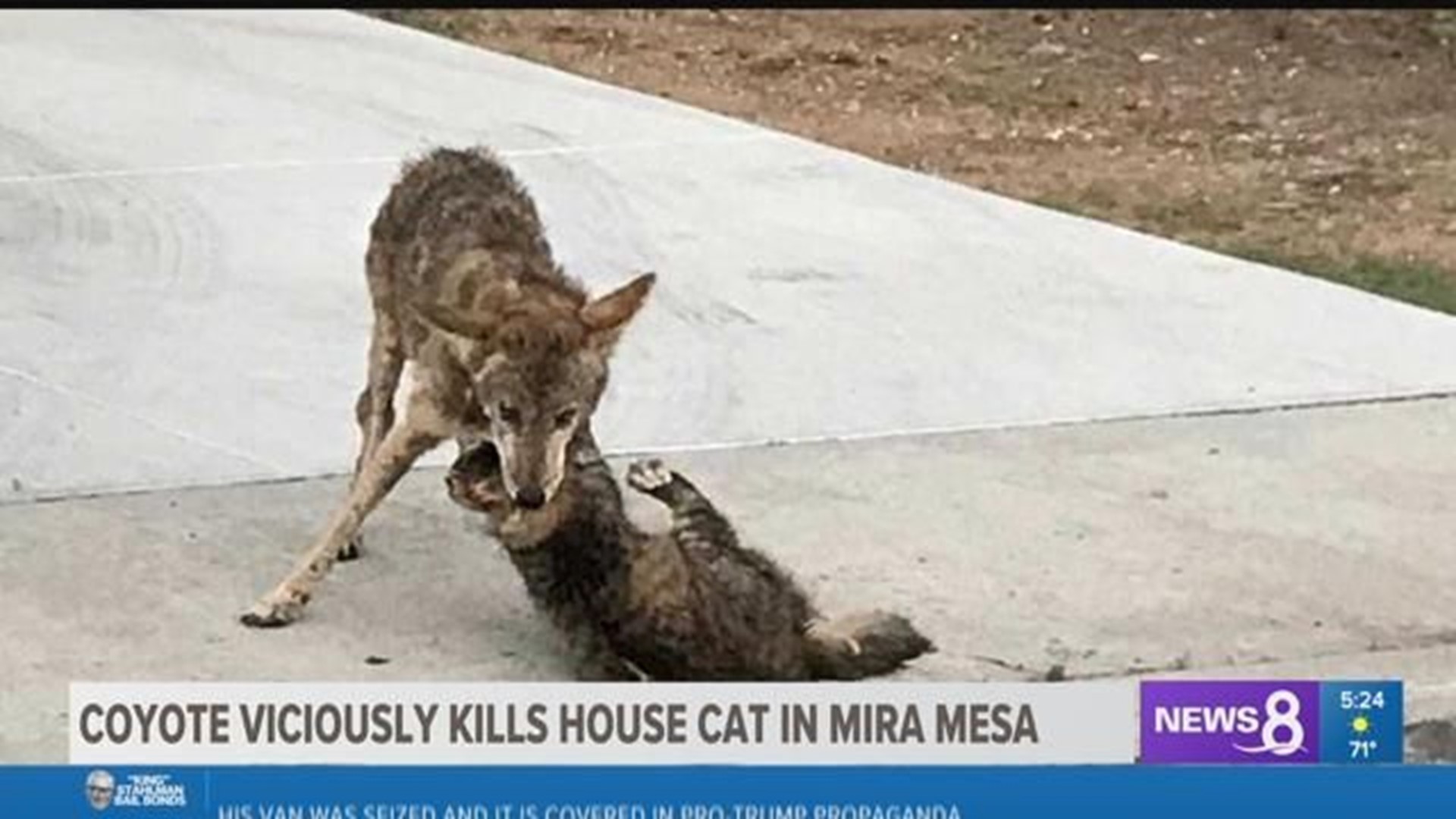
Image Source: media.cbs8.com
Deciphering Coyote Predation on Cats
Coyote predation on cats is a natural part of wildlife predator-prey interactions, particularly as coyote populations adapt to human-dominated landscapes. While often perceived as solely hunters of rabbits and rodents, coyotes are remarkably adaptable and their coyote diet and hunting strategies include a wide range of smaller animals. This adaptability is key to their survival in diverse environments.
The Coyote’s Hunting Toolkit
Coyotes are intelligent and efficient predators, utilizing a combination of senses and tactics to capture prey. Their success relies on:
- Keen Senses:
- Excellent hearing: Coyotes can detect the faint rustling of prey hidden in grass or underbrush from a considerable distance.
- Sharp eyesight: They have good vision, particularly for detecting movement.
- A strong sense of smell: This helps them locate prey, even if it’s not visible.
- Speed and Agility: Coyotes are fast runners and can make quick turns, allowing them to pursue and corner prey effectively.
- Stealth and Ambush: They are masters of moving silently through their environment, often stalking prey unseen before launching an attack.
Coyote Prey Behavior
Understanding coyote prey behavior is crucial to grasping how they approach hunting. Coyotes generally target animals that are:
- Small and vulnerable: This includes rodents, rabbits, birds, and, unfortunately, domestic cats.
- Unaware or distracted: Prey that is not vigilant or is focused on other activities is an easier target.
- Isolated: Animals away from the safety of their dens or group protection are more susceptible.
The Mechanics of a Coyote Attack on a Cat
When a coyote targets a cat, its hunting instincts take over. The process is typically swift and decisive.
The Stalk and Chase
The attack usually begins with the coyote spotting the cat. This might happen when the cat is exploring, grooming, or simply unaware of its surroundings. The coyote will then:
- Observe and Assess: The coyote will likely watch the cat for a moment to gauge its alertness and proximity.
- The Stalk: Moving low to the ground, the coyote will creep closer, using any available cover to remain hidden. Its body will be tense, ready to spring.
- The Ambush/Chase: Once within striking distance, the coyote will burst from its cover and chase the cat. Coyotes are persistent hunters and will often pursue prey for a short distance.
The Capture and Kill
The method of killing varies slightly depending on the size of the prey and the coyote’s experience.
-
For a Cat:
- Bite to the Neck: The most common killing method is a swift, powerful bite to the back of the neck. This is designed to sever the spinal cord or crush the trachea, incapacitating the animal quickly.
- Powerful Jaws: Coyote jaws are strong enough to inflict fatal damage.
- Subduing with Paws: They may also use their front paws to pin smaller prey down.
-
Coyote Hunting Small Animals: This neck bite technique is effective for a wide range of coyote hunting small animals, from rodents to fawns, and it translates directly to how they would handle a domestic cat.
Factors Influencing Coyote Attacks on Cats
Several factors can increase the likelihood of coyote predation on cats. Recognizing these is key to implementing effective prevention strategies.
1. Proximity to Coyote Habitats
- Suburban Coyote Encounters: Coyotes are increasingly prevalent in suburban and even urban environments. Their adaptability means they can thrive where food sources (including unsecured pets) and shelter are available. Areas with natural corridors, parks, or undeveloped land adjacent to residential areas are prime locations for suburban coyote encounters.
- Habitat Fragmentation: As human development encroaches on natural habitats, coyotes are forced to adapt, leading to more frequent interactions with human settlements.
2. Time of Day and Season
- Crepuscular and Nocturnal Activity: Coyotes are most active during dawn and dusk (crepuscular) and at night (nocturnal). Cats left outdoors during these times are at a higher risk.
- Seasonal Needs: During breeding season (winter) or when raising pups (spring/summer), coyotes may hunt more aggressively to secure food for their families. This can increase the frequency of attacks on readily available prey like cats.
3. Cat Behavior and Environment
- Domestic Cat Vulnerability: A domestic cat vulnerability to predators like coyotes is significant. Unlike wild animals, domestic cats may not possess the innate fear or the extensive survival skills needed to evade a determined predator. They may wander too far from home, be less vigilant, or underestimate the threat.
- Outdoor Access: Cats that are allowed to roam freely outdoors, especially unsupervised and for extended periods, are at the greatest risk.
- Attractants: Unsecured garbage, pet food left outdoors, and even fallen fruit can attract coyotes to your yard, increasing the chances of them encountering a pet.
4. Coyote Population Density and Food Availability
- High Coyote Populations: In areas with dense coyote populations, the pressure to find food increases, making smaller animals, including cats, more attractive prey.
- Scarcity of Natural Prey: If natural prey like rabbits or rodents are scarce, coyotes may expand their diet to include more readily available options.
Safeguarding Your Feline Friend: Cat Safety from Coyotes
Fortunately, there are many proactive measures you can take to ensure cat safety from coyotes. The goal is to minimize exposure and make your property less appealing and accessible to coyotes.
Keeping Your Cat Indoors: The Ultimate Protection
The most effective way to prevent coyote predation on cats is to keep your cat indoors. This eliminates any possibility of an encounter.
- Indoor-Only Lifestyle: A well-enriched indoor environment with plenty of toys, scratching posts, and vertical space can provide a stimulating and fulfilling life for your cat.
- Supervised Outdoor Time: If you do allow your cat supervised time outside, it should always be on a leash or within a secure “catio” (cat patio).
Securing Your Outdoor Space
If your cat does spend time outdoors, or if you want to deter coyotes from your property, these steps are vital:
- Strictly Supervised Outdoor Time: Never leave your cat unattended outdoors, especially at dawn, dusk, or night. Always be present to supervise and intervene if necessary.
- Leash Training and Harnesses: Acclimate your cat to a harness and leash for controlled outdoor excursions.
- Secure Outdoor Enclosures (Catios): These provide a safe, enclosed space for your cat to enjoy fresh air and stimulation without the risk of predation. Ensure they are well-constructed with enclosed tops to prevent coyotes from reaching in or cats from climbing out.
- Remove Food Sources:
- Secure Trash Cans: Use bins with locking lids.
- Do Not Feed Pets Outdoors: Bring all pet food bowls inside immediately after feeding.
- Clean Up Bird Feeders: Spilled seed can attract rodents, which in turn attract coyotes. Clean up spills promptly.
- Avoid Leaving Pet Food or Water Outside: This is a direct attractant.
- Secure Your Yard:
- Repair Fences: Ensure fences are in good repair and at least 6 feet tall. Coyotes are good jumpers, so consider adding an outward-facing extension at the top of your fence.
- Trim Shrubbery: Dense bushes and undergrowth can provide hiding places for coyotes. Keep your yard tidy.
- Close Off Access Points: Block access to crawl spaces under decks or sheds where coyotes might den.
Deterrent Strategies
- Motion-Activated Lights and Sprinklers: Sudden light or a spray of water can startle and deter coyotes.
- Noise Deterrents: While less reliable, certain ultrasonic devices or loud noises can sometimes discourage coyotes.
- Guard Animals: Dogs can sometimes act as deterrents, but ensure they are well-trained and do not provoke an attack.
- Mylar Balloons or Reflective Tape: These can sometimes startle coyotes, though their effectiveness can wane over time.
Educating Yourself and Your Neighbors
- Awareness: Be aware of coyote activity in your area. Local wildlife agencies often provide information on coyote presence and behavior.
- Community Effort: Encourage neighbors to adopt similar safety measures. A neighborhood-wide approach to deterring coyotes is more effective.
Urban Wildlife Predation and Coyote Adaptation
The increase in urban wildlife predation is a testament to the remarkable adaptability of species like the coyote. They are no longer confined to remote wilderness areas but are successfully integrating into human-modified landscapes. This means that even if you don’t live near a forest, you might still encounter coyotes.
Coyotes in Human Landscapes
Coyotes have learned to exploit resources found in urban and suburban settings. This includes:
- Food Availability: Garbage, pet food, fruit from trees, and even unsecured compost piles can be significant food sources.
- Shelter: Dense landscaping, under decks, and abandoned structures offer denning sites and resting places.
- Reduced Competition: In many urban areas, natural predators of coyotes (like wolves or mountain lions) are absent, leading to less competition for resources.
The Impact on Domestic Animals
This proximity inevitably leads to increased wildlife predator-prey interactions involving domestic animals. Cats, being smaller and often less wary than dogs, become particularly vulnerable targets. Domestic cat vulnerability is a serious concern in these environments.
A Comparative Look at Coyote Prey
To further illustrate the coyote’s dietary breadth and how a cat fits into it, consider this table:
| Prey Type | Typical Size (lbs) | Coyote Hunting Strategy Adaptation |
|---|---|---|
| Rabbit | 3-6 | Stalk, chase, quick bite to neck |
| Squirrel | 1-2 | Quick pounce, bite to neck |
| Mouse/Vole | <1 | Pounce, bite to neck/head |
| Bird | 1-5 | Quick chase, grab with jaws |
| Domestic Cat | 5-15+ | Stalk, chase, powerful bite to neck |
| Small Dog | 10-20 | Stalk, chase, incapacitate with bite |
| Fawn | 10-30 | Pack or persistent solo chase, bite to throat/neck |
This table highlights that a cat, while larger than a rabbit or mouse, falls well within the size range of animals coyotes routinely hunt and kill. The coyote prey behavior is consistent across various small to medium-sized animals.
Addressing Common Concerns and Questions
What does a coyote do after it kills a cat?
After a successful hunt, a coyote will typically consume its prey. The kill is often made in a secluded area to avoid competition or disturbance. Coyotes are efficient eaters and will consume most of the carcass.
Are coyotes afraid of humans?
Coyotes generally exhibit a healthy wariness of humans, especially in areas where they are frequently exposed to people. However, habituation can occur, meaning they become less fearful. Feeding coyotes, intentionally or unintentionally, can lead to this habituation, making them bolder and more likely to approach human settlements and pets.
How can I tell if a coyote is in my yard?
Look for signs such as:
* Tracks in soft soil or snow.
* Scat (droppings), which may contain fur and bone fragments.
* Hearing their distinctive yips and howls, especially at night.
* Seeing them directly, particularly during dawn or dusk.
Can a coyote kill a large dog?
While coyotes primarily target smaller prey, they can and do attack larger animals, including dogs, especially if the dog is small, elderly, sick, or if the coyote is in a group. A healthy, adult large dog is less likely to be targeted, but encounters can still be dangerous.
When are coyotes most active?
Coyotes are most active during crepuscular hours (dawn and dusk) and at night. However, they can be active at any time of day, especially if they are hungry or have become habituated to human activity.
Conclusion: Proactive Protection for Your Feline Companion
Coyote predation on cats is a natural phenomenon, but one that can be effectively managed through vigilance and preventative measures. By understanding coyote hunting strategies, recognizing domestic cat vulnerability, and implementing cat safety from coyotes practices, you can significantly reduce the risk to your beloved feline friend. Prioritizing your cat’s safety by keeping them indoors or under strict supervision, securing your property, and being a responsible neighbor are the cornerstones of coexistence in areas where urban wildlife predation is a reality. Remember, an ounce of prevention is worth a pound of cure when it comes to protecting your cherished pet.