
Can your cat be radioactive? Yes, it’s possible, but highly unlikely and usually not a cause for alarm for the average pet owner. This post will explore the scenarios where a cat might become contaminated with radioactive materials, the potential health risks, and what you need to do to ensure pet safety and your own.
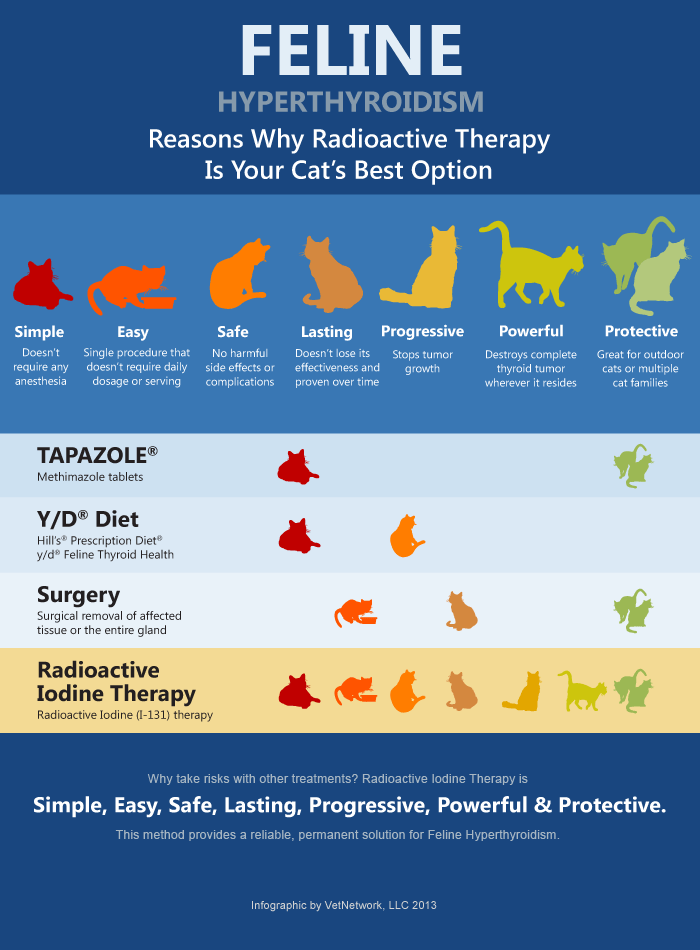
Image Source: thyrocat.com
Deciphering the Possibility: When Can a Cat Be Radioactive?
The idea of a “radioactive cat” likely conjures images from science fiction, but the reality is grounded in science. A cat becomes radioactive if it comes into contact with or ingests radioactive materials. This isn’t something that happens naturally; it requires external contamination. The primary concern for pet owners in this context is radiation exposure and how it might affect their beloved companions and themselves.
Sources of Radioactive Materials
Radioactive materials are not common household items. They are typically found in:
- Industrial settings: Used in certain manufacturing processes or research.
- Medical treatments: Radioactive isotopes are used in some diagnostic tests and therapies, both for humans and animals.
- Accidental spills or releases: Though rare, accidents involving radioactive substances can occur.
- Nuclear fallout: In the catastrophic event of a nuclear explosion, radioactive particles can spread through the atmosphere.
Cat-Specific Scenarios
Let’s break down how your feline friend might encounter radioactive materials:
Medical Treatments and Diagnostics
One of the most common and safest ways a pet might be exposed to low levels of radioactive materials is through medical procedures.
- Radiopharmaceuticals: Veterinarians may use radiopharmaceuticals for diagnostic imaging (like PET scans) or therapeutic treatments (like treating hyperthyroidism in cats, particularly with Iodine-131).
- Radioactive Iodine Therapy (I-131): This is a common treatment for hyperthyroidism in cats. After receiving the treatment, the cat will excrete the radioactive iodine through its urine and feces. While the levels are carefully controlled and designed to be safe, it means the cat is temporarily a contaminated animal.
Important Note on Medical Treatments: When a cat undergoes I-131 therapy, veterinarians provide strict guidelines for pet safety during the isolation period. This typically involves keeping the cat in a controlled environment until the radioactivity levels decrease to safe limits. Following these instructions is paramount.
Accidental Exposure
Accidents, while uncommon, are a potential pathway for contamination.
- Industrial or Laboratory Accidents: If a cat somehow gains access to an area where radioactive materials are stored or used, direct contact or ingestion could occur.
- Contaminated Food or Water: In very rare scenarios, pets might ingest food or water that has been contaminated by radioactive materials from a spill or release.
Nuclear Fallout Scenarios
This is the most extreme and least likely scenario for a domestic pet.
- Impact of Nuclear Events: In the event of a nuclear detonation, nuclear fallout would be the primary concern. Radioactive particles would fall from the sky, contaminating everything they touch, including soil, water, air, and living organisms.
- Direct Contact: A cat outdoors during or immediately after a fallout event would be directly exposed.
- Ingestion of Contaminated Substances: If a cat eats grass, drinks from puddles, or licks its fur after it has been contaminated by fallout, it would ingest radioactive materials.
Assessing the Danger: Health Risks of Radiation Exposure in Cats
The danger posed by a radioactive cat depends entirely on the type of radioactive material, the amount it has been exposed to, and the duration of exposure.
How Radiation Affects Cats
Radiation can damage living cells. In higher doses, this damage can lead to:
- Radiation Sickness: Symptoms can include vomiting, diarrhea, hair loss, lethargy, decreased appetite, and a weakened immune system.
- Increased Cancer Risk: Similar to humans, prolonged or high-level exposure to radiation can increase the risk of developing cancer later in life.
- Genetic Mutations: Radiation can damage DNA, potentially leading to genetic mutations that could be passed on to offspring.
Direct Exposure vs. Contamination
It’s crucial to differentiate between a cat being exposed to radiation (like passing through an X-ray machine) and being contaminated with radioactive materials.
- Exposure: This is transient. Once the source is removed, the exposure stops. It’s like being in a room with a brief X-ray.
- Contamination: This means radioactive material is on or inside the cat. The cat itself becomes a source of radiation, emitting radiation until the material decays. This is the scenario for a “radioactive cat.”
What Level of Risk Are We Talking About?
For the vast majority of pet owners, the risk of their cat being dangerously radioactive is extremely low, bordering on non-existent. The scenarios where this is a genuine concern are highly specific and rare.
- Medical Treatments: For cats undergoing approved veterinary treatments with radiopharmaceuticals, the risk is managed through strict protocols and temporary isolation. The levels of radioactivity are designed to be therapeutic for the condition being treated and to decay rapidly to safe levels.
- Nuclear Fallout: In a widespread fallout event, the risks to pets would be similar to the risks to humans in the affected area. The primary goal would be to protect yourself and your pets from direct exposure and contamination.
Your Cat and Radiation: Practical Steps and Safety Measures
If you’re concerned about your cat’s potential exposure to radiation, here’s what you need to know and do.
Identifying Potential Contamination
How would you even know if your cat was radioactive?
- Post-Medical Procedure: If your cat has recently undergone a medical procedure involving radioactive isotopes, follow your veterinarian’s instructions precisely. They will advise on any necessary precautions for you and other pets in the household.
- Accidental Discovery: If you suspect your cat has encountered radioactive materials outside of a medical context, your first action should be to prevent further contact and isolate the animal if possible.
- Symptoms: While not definitive, if your cat exhibits signs of illness (lethargy, vomiting, etc.) after a potential exposure, it warrants veterinary attention.
Using a Geiger Counter
A Geiger counter is a device that detects and measures ionizing radiation.
- Purpose: It can help determine if there is a source of radiation present and, in some cases, the intensity of that radiation.
- Home Use: For most pet owners, owning a Geiger counter is unnecessary and likely won’t provide much useful information unless you are in a situation where a radiation source is known to be present (e.g., following a major nuclear incident or working with radioactive materials yourself).
- Interpretation: If you were to use one, remember that it detects radiation, not the specific type or danger level of the material. Professional interpretation might be needed.
Decontamination Procedures
If your cat is found to be contaminated, prompt action is crucial.
- Seek Professional Help Immediately: If you suspect your cat is contaminated, do not attempt extensive decontamination procedures on your own without expert guidance. Contact your veterinarian or local emergency services (depending on the suspected cause and scale of contamination).
- Veterinary Guidance: Veterinarians are trained to handle situations involving animal radiation. They will have protocols for assessing contamination, administering any necessary treatments, and managing the waste.
- Personal Protection: When handling a potentially contaminated animal, wear protective gear such as gloves and a mask to prevent secondary contamination.
For Veterinarians and Emergency Responders:
- Isolation: The contaminated animal should be immediately isolated in a controlled area.
- Assessment: A Geiger counter or similar radiation detection equipment would be used to measure the level and type of contamination.
- Decontamination: This can involve:
- External Washing: Gently washing the animal’s fur with mild soap and water to remove surface contamination. All wash water and materials used must be collected and disposed of as hazardous waste.
- Internal Contamination: If radioactive material has been ingested or inhaled, treatment might involve flushing the system or administering substances that bind to the radioactive isotopes to help excrete them.
- Waste Disposal: All contaminated bedding, waste, and cleaning materials must be handled and disposed of according to strict regulations for radioactive waste.
Pet Safety in Radioactive Environments
In scenarios involving widespread nuclear fallout, the primary focus is keeping your pet (and yourself) away from the source and preventing contamination.
Before an Event (Preparedness)
- Emergency Kit: Include pet food, water, medications, a leash, a carrier, and a first-aid kit for your pet in your family’s emergency preparedness kit.
- Shelter Plan: Identify safe places where you can shelter with your pet if an emergency occurs.
During and After a Nuclear Event
- Stay Indoors: If you are advised to shelter in place due to nuclear fallout, keep your cat indoors. Seal windows and doors to minimize the entry of radioactive particles.
- Avoid Outdoor Activities: Do not let your cat (or yourself) go outside until authorities deem it safe.
- Limit Contact with Contaminated Surfaces: If you must go outside, wear protective clothing, and upon returning, remove outer layers of clothing before entering the main living area. Wipe down your pet if they were briefly exposed.
- Water and Food: Ensure your pet has a supply of stored food and water. Do not let them drink from puddles or eat food left outdoors.
FAQ: Your Burning Questions About Radioactive Cats
Q1: Can my cat get cancer from medical treatments involving radiation?
While there’s always a theoretical risk with any medical procedure, the doses used in veterinary radiology and nuclear medicine are carefully calculated to be effective for treatment while minimizing long-term risks. Veterinarians weigh the benefits against the risks for each individual patient.
Q2: If my cat had radioactive iodine therapy, how long is it dangerous?
For a few days to a week or two after Iodine-131 therapy, your cat will still be excreting radioactive iodine. This is why veterinarians provide strict isolation guidelines for you and other pets in the household. The levels of radioactivity decrease significantly over time as the iodine decays. Your vet will specify when it is safe to resume normal contact.
Q3: Can I use my home smoke detector if I suspect radiation?
No. Smoke detectors are designed to detect smoke particles, not radioactive particles or radiation. A Geiger counter is the appropriate tool for detecting radiation.
Q4: What if my cat licks itself after being outside in a contaminated area?
If your cat has been outside in an area where radioactive materials might be present, it’s important to prevent it from grooming itself. If you suspect contamination, try to gently wipe down its fur with a damp cloth (wearing gloves) and contact a veterinarian immediately. Do not use soap unless advised, as it can sometimes spread contamination if not handled correctly.
Q5: Is it safe to touch my cat if it has been near a nuclear incident?
This depends heavily on the circumstances. If your cat was outdoors during nuclear fallout, it may be contaminated. It is safest to avoid direct contact until you have been advised by authorities or a veterinarian. Use protective gear if you must handle the animal.
Q6: Can a radioactive cat make me sick?
Yes, if you come into close or prolonged contact with a contaminated animal, you can be exposed to radiation. The degree of risk depends on the level of contamination on the cat and the duration of your contact. This is why isolation and decontamination procedures are so critical.
Conclusion: Peace of Mind for Pet Owners
The concept of a radioactive cat is often sensationalized, but in reality, it’s a concern tied to very specific and usually medically administered scenarios, or in extreme, unlikely cases, catastrophic events. For the typical pet owner, the most relevant consideration is the safe administration of veterinary treatments that involve radioactive materials, adhering strictly to the veterinarian’s instructions. By staying informed and prepared, you can ensure the utmost pet safety and well-being for your furry companions, even in the face of unusual circumstances. Your primary role is to be aware of the rare possibilities and to follow expert guidance when necessary, ensuring that any potential radiation exposure is managed effectively.