
Can you stop a cat from shedding entirely? No, you cannot completely stop a cat from shedding. Shedding is a natural biological process for cats, similar to how humans lose hair. However, you can significantly reduce the amount of cat fur loss and manage excessive cat shedding with the right strategies. This comprehensive guide will delve into how to reduce cat shedding and achieve cat hair control for a cleaner home and a happier, healthier feline companion.
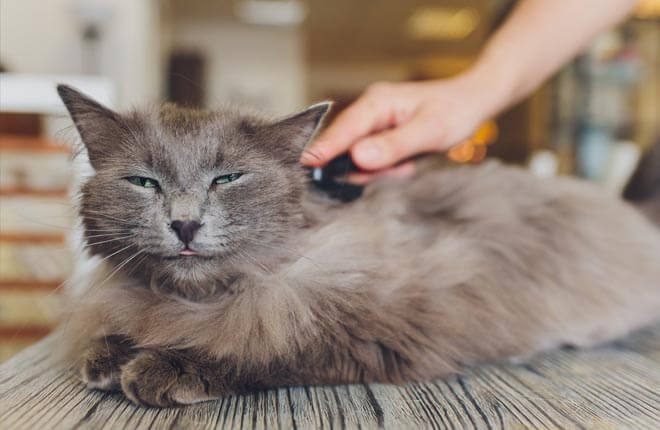
Image Source: images.contentstack.io
Why Do Cats Shed? Deciphering the Natural Process
Cats shed as part of their natural cycle. This shedding helps them get rid of old, damaged, or dead fur. It also plays a role in regulating their body temperature. As seasons change, cats often shed more to adapt to warmer or cooler weather. While some shedding is normal, excessive cat shedding can sometimes indicate underlying issues.
The Cat’s Coat: A Living System
A cat’s fur isn’t just for show; it’s a vital part of their health and well-being. It protects their skin from the elements, provides insulation, and can even be a form of communication. Different breeds have different coat types, and this influences how much they shed. For example, long-haired cats might appear to shed more because their longer hairs are more noticeable.
Seasonal Shedding Cycles
Most cats experience periods of heavier shedding, often in spring and fall.
- Spring Shedding: Cats shed their thick winter coat to prepare for warmer weather.
- Fall Shedding: They grow a denser winter coat, shedding the lighter summer fur.
This seasonal shedding is perfectly normal, but it can be overwhelming for cat owners.
Common Causes of Excessive Cat Shedding
While natural shedding is expected, several factors can contribute to excessive cat shedding. Identifying these causes is the first step towards effective cat hair control.
Nutritional Deficiencies and Diet
A cat’s diet is crucial for maintaining a healthy cat coat. Poor nutrition can lead to a dull, dry coat and increased shedding.
- Low-Quality Food: Foods lacking essential fatty acids (like Omega-3 and Omega-6) can negatively impact skin and coat health.
- Dehydration: Not drinking enough water can also affect skin elasticity and fur health.
- Allergies: Food allergies or sensitivities can manifest as skin irritation and excessive shedding.
Stress and Anxiety in Cats
Cats are sensitive creatures, and stress can manifest physically, including increased shedding.
- Environmental Changes: Moving to a new home, new pets, or changes in routine can cause stress.
- Loud Noises: Fireworks, construction, or even arguments can upset a cat.
- Lack of Stimulation: Boredom or insufficient playtime can lead to anxiety.
Health Conditions and Illnesses
Underlying medical issues are a common cause of excessive cat shedding. It’s essential to consult a veterinarian if you suspect a health problem.
- Parasites: Fleas, mites, and ringworm can irritate the skin, leading to scratching and shedding.
- Skin Infections: Bacterial or fungal infections can cause inflammation and hair loss.
- Hormonal Imbalances: Conditions like hyperthyroidism can affect coat quality and shedding patterns.
- Autoimmune Diseases: These can sometimes affect the skin and hair follicles.
- Cancer: Certain types of cancer can lead to generalized hair loss.
Grooming Habits and Practices
How you groom your cat significantly impacts shedding.
- Infrequent Brushing: Not brushing regularly allows loose fur to accumulate.
- Improper Brushing: Using the wrong tools or techniques can damage the coat and skin.
Age and Breed Predispositions
Some cats are genetically predisposed to shedding more than others.
- Long-Haired Breeds: Cats like Persians, Maine Coons, and Ragdolls naturally have more fur and will shed more noticeably.
- Senior Cats: Older cats may experience changes in their coat and shedding patterns.
Effective Cat Grooming Strategies for Shedding Control
Cat grooming is your most powerful weapon against excessive cat shedding. Regular and proper grooming not only removes loose fur but also promotes a healthy cat coat and strengthens the bond between you and your feline friend.
The Art of Cat Brushing: Techniques and Tools
Cat brushing techniques are key to effective cat hair control. The right approach can remove loose fur before it ends up on your furniture.
Selecting the Best Cat Brushes
Choosing the right brush is crucial. The best cat brushes depend on your cat’s coat type.
- Slicker Brushes: These have fine, short wires. They are great for removing loose undercoat and tangles, especially for cats with medium to long hair.
- Pros: Effective at removing mats and loose fur.
- Cons: Can be harsh if used too aggressively, especially on sensitive skin.
- Bristle Brushes: These have natural or synthetic bristles. They are good for short-haired cats to remove loose hair and distribute natural oils, promoting a shiny coat.
- Pros: Gentle on the skin, good for finishing.
- Cons: Less effective on long or thick fur, may not remove much undercoat.
- Pin Brushes: These have longer, widely spaced pins. They are suitable for cats with longer fur to detangle and remove loose hair without pulling.
- Pros: Good for detangling long fur without excessive pulling.
- Cons: Can be less effective for thick undercoats.
- Undercoat Rakes/Deshedding Tools: These tools are specifically designed to reach through the topcoat and remove loose undercoat fur. They are highly effective for breeds prone to heavy shedding.
- Pros: Highly effective at removing shedding undercoat.
- Cons: Can be too aggressive if used improperly, potentially irritating the skin.
- Grooming Mitts: These are gloves with rubber or silicone nubs. They are excellent for short-haired cats and are a great way to introduce grooming to hesitant cats.
- Pros: Gentle, good for cats who dislike brushes, great for distribution of oils.
- Cons: Not effective for removing significant amounts of undercoat.
- Combs: Metal combs with varying tooth spacing can be useful for detangling and removing loose hair, especially in specific areas.
Table 1: Best Cat Brushes by Coat Type
| Coat Type | Recommended Brush Types | Key Benefits |
|---|---|---|
| Short Hair | Bristle Brush, Grooming Mitt, Fine-toothed Comb, Rubber Brush | Removes loose hair, distributes oils, gentle stimulation, good for sensitive cats. |
| Medium Hair | Slicker Brush, Undercoat Rake, Pin Brush, Comb | Removes loose undercoat, detangles, prevents matting, general grooming. |
| Long Hair | Slicker Brush, Pin Brush, Undercoat Rake, Wide-toothed Comb | Detangles effectively, removes loose undercoat, prevents mats, keeps fur smooth. |
| Double Coat | Undercoat Rake, Slicker Brush, Furminator-type tool | Essential for removing dense undercoat, significantly reduces shedding, prevents mats. |
Effective Brushing Techniques
- Start Young: Introduce brushing to your kitten early to get them accustomed to it.
- Gentle Approach: Always be gentle. If your cat shows signs of discomfort, stop and try again later.
- Direction of Hair Growth: Brush in the direction of your cat’s hair growth.
- Regularity is Key: Aim to brush your cat at least a few times a week, ideally daily, especially during peak shedding seasons.
- Positive Reinforcement: Offer praise, treats, or playtime after brushing to create a positive association.
- Check for Mats: Pay close attention to areas prone to matting, such as behind the ears, under the arms, and around the tail.
- Professional Grooming: For long-haired cats or those with particularly stubborn mats, professional grooming might be necessary occasionally.
The Role of Diet in a Healthy Cat Coat
What you feed your cat directly impacts their fur and skin health, thereby influencing shedding.
Essential Nutrients for a Healthy Coat
- Omega-3 and Omega-6 Fatty Acids: These are crucial for skin hydration and maintaining a lustrous coat. They can be found in fish oil and other animal fats.
- High-Quality Protein: Fur is made of protein, so a diet rich in animal-based protein is vital.
- Vitamins and Minerals: Vitamins A, E, and B vitamins, along with minerals like zinc and copper, play important roles in skin and hair growth.
Choosing the Right Food
- Read Labels: Look for foods that list a specific meat source as the first ingredient.
- Consider Supplements: If your vet recommends it, consider adding fish oil supplements to your cat’s diet. Always consult your veterinarian before giving any supplements.
- Hydration: Ensure your cat has constant access to fresh, clean water. Some cats may benefit from a water fountain to encourage drinking.
Bathing Your Cat: A Delicate Balance
While cats are meticulous self-groomers, occasional baths can help remove loose fur. However, cat grooming that involves bathing needs careful consideration.
- Frequency: Most cats don’t need frequent baths. Over-bathing can strip natural oils, leading to drier skin and potentially more shedding. A bath every few months, or only when necessary (e.g., if they get into something messy), is usually sufficient.
- Cat-Specific Shampoo: Always use a shampoo formulated for cats. Human shampoos can be too harsh for a cat’s skin pH.
- Lukewarm Water: Ensure the water is lukewarm, not hot or cold.
- Gentle Handling: Be calm and gentle. Have towels ready to dry your cat thoroughly.
- Rinse Thoroughly: Ensure all shampoo residue is removed to prevent skin irritation.
Environmental Enrichment and Stress Reduction
A happy and relaxed cat is often a healthier cat with a healthier coat.
- Provide Scratching Posts: This helps them maintain their claws and can be a stress reliever.
- Vertical Space: Cat trees and shelves allow them to climb and feel secure.
- Interactive Play: Engage your cat in daily play sessions to burn energy and reduce anxiety.
- Safe Havens: Ensure your cat has quiet places to retreat to when they feel overwhelmed.
- Routine: Cats thrive on routine. Try to keep feeding, playtime, and grooming sessions consistent.
Advanced Cat Hair Control: Beyond Brushing
When simple brushing isn’t enough, or you’re looking for additional cat hair control solutions, consider these options.
Shedding Control Shampoos and Conditioners
There are specialized grooming products designed to help reduce shedding.
- Shampoos: Some shampoos contain ingredients that strengthen hair follicles or help loosen dead undercoat for easier removal.
- Conditioners/Rinses: These can help moisturize the skin and coat, making fur less prone to breakage and shedding. Look for products containing oatmeal or other soothing ingredients.
- Application: Always follow product instructions and rinse thoroughly.
Deshedding Tools: When to Use Them
Deshedding tools, like the FURminator, can be incredibly effective for removing vast amounts of loose undercoat.
- Usage: Use them on dry fur, and follow the tool’s specific instructions.
- Caution: Do not overuse them. Excessive use can damage the topcoat or irritate the skin. Aim for once or twice a week, especially during heavy shedding seasons.
In-Home Air Quality
A clean home environment can also contribute to cat hair control.
- Air Purifiers: High-efficiency particulate air (HEPA) filters can capture airborne pet dander and fur.
- Regular Cleaning: Vacuuming carpets and upholstery frequently with a good vacuum cleaner designed for pet hair is essential. Consider a vacuum with a HEPA filter.
- Furniture Covers: Use washable throws or covers on furniture where your cat likes to lounge.
- Lint Rollers: Keep lint rollers handy for quick clean-ups of clothing and furniture.
When to Seek Veterinary Advice for Cat Shedding
While some shedding is normal, it’s important to know when to consult a veterinarian. Excessive cat shedding that occurs suddenly, is accompanied by bald patches, or is associated with other symptoms warrants professional attention.
Red Flags Indicating a Health Problem
- Sudden Increase in Shedding: A significant, abrupt change in your cat’s shedding pattern.
- Bald Patches or Thinning Fur: Areas where fur is noticeably missing, rather than just loose.
- Skin Irritations: Redness, scabs, rashes, or excessive scratching.
- Lethargy or Changes in Appetite: These can be signs of underlying illness.
- Dull, Brittle Coat: The fur loses its shine and feels dry or rough.
- Compulsive Licking or Grooming: This can indicate pain, anxiety, or skin irritation.
Diagnostic Tools and Treatments
Your veterinarian may perform various tests to determine the cause of excessive cat shedding and recommend treatment:
- Physical Examination: To assess the skin, coat, and overall health.
- Skin Scrapes/Biopsy: To check for parasites or infections.
- Allergy Testing: To identify food or environmental allergies.
- Blood Tests: To check for hormonal imbalances or other internal issues.
- Fungal/Bacterial Cultures: To identify and treat skin infections.
Frequently Asked Questions about Cat Shedding
Here are some common questions cat owners have about shedding:
Q1: My cat is shedding a lot, is it normal?
A1: Some shedding is always normal. However, if you notice a sudden increase, bald spots, or skin irritation, it’s best to consult your veterinarian to rule out any underlying health issues.
Q2: How often should I brush my cat?
A2: For short-haired cats, brushing a few times a week is generally sufficient. For long-haired cats or those with thick undercoats, daily brushing is recommended to prevent mats and reduce shedding effectively.
Q3: What are the best cat brushes for shedding?
A3: The best cat brushes depend on your cat’s coat type. Slicker brushes and undercoat rakes are excellent for removing loose undercoat, especially in double-coated breeds. Bristle brushes and grooming mitts are good for short-haired cats and for distributing natural oils.
Q4: Can I stop my cat from shedding completely?
A4: No, it is impossible to stop a cat from shedding entirely. Shedding is a natural biological process. However, you can significantly reduce the amount of shedding through regular grooming, a proper diet, and managing stress.
Q5: Is my cat’s diet affecting their shedding?
A5: Absolutely. A diet rich in essential fatty acids (like Omega-3 and Omega-6), high-quality protein, and essential vitamins and minerals will contribute to a healthier coat and can help minimize shedding.
Q6: When should I consider professional grooming for my cat?
A6: You might consider professional grooming if your cat has a very thick or long coat, if they are prone to severe matting, or if you are struggling to manage their shedding effectively at home.
Conclusion: Embracing Your Shedding Companion
Managing cat shedding is an ongoing part of being a responsible cat owner. By implementing consistent cat grooming practices, providing a nutritious diet, ensuring a stress-free environment, and knowing when to seek veterinary advice, you can effectively control excessive cat shedding. While you can’t stop the natural shedding process, you can ensure your cat has a healthy cat coat and significantly reduce the amount of fur in your home, leading to a more harmonious living space for both you and your beloved feline friend. Remember, patience and consistency are key to successful cat hair control.