
Moving a cat to a new home can be a stressful experience for both the cat and the owner. What is the best way to introduce a cat to a new environment to minimize anxiety? Creating a safe, predictable, and enriching space is key to a successful transition. This guide will walk you through the essential steps to help your feline friend feel at home quickly and comfortably.
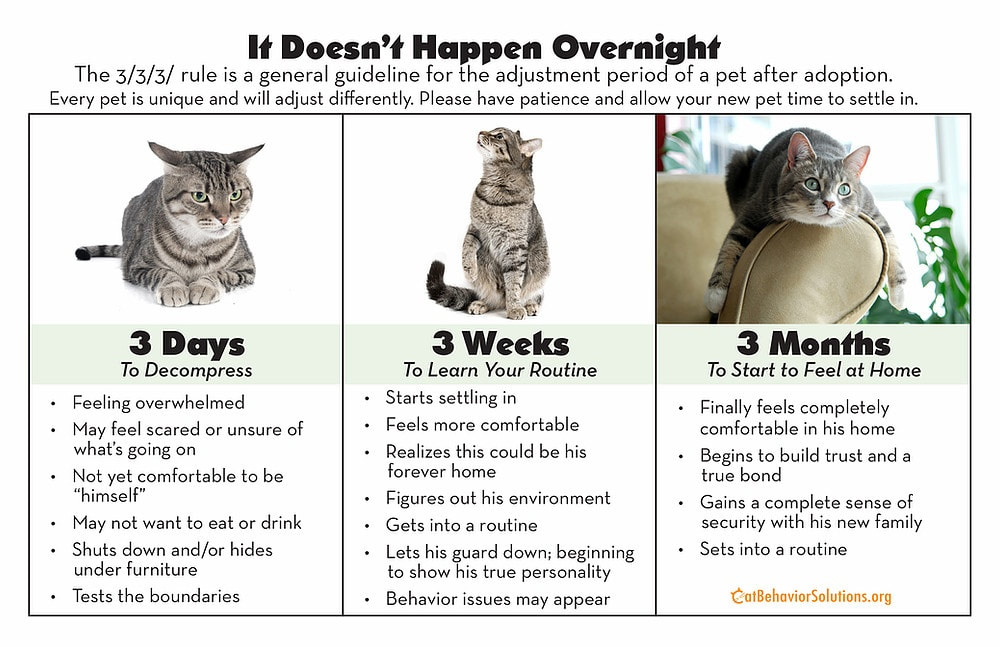
Image Source: www.clarionpaws.org
Preparing Your Home Before Arrival
Before your cat even steps paw into their new surroundings, preparation is crucial. This proactive approach minimizes potential stressors and sets the stage for a calm introduction.
Creating a Safe Haven Room
Think of this as your cat’s initial “base camp.” This dedicated room should offer everything your cat needs to feel secure and begin adjusting at their own pace.
Essential Supplies for the Safe Haven Room:
- Litter Box: Place it in a quiet, accessible corner, away from food and water.
- Food and Water Bowls: Separate them slightly to mimic natural feeding behavior. Ensure they are clean and filled.
- Comfortable Bedding: Soft blankets, a cozy bed, or even an old sweater that smells like their previous home can be comforting.
- Scratching Post: Vertical and horizontal options are ideal to satisfy their natural scratching instincts.
- Toys: A few familiar toys can help with engagement and distraction.
- Hiding Places: Cardboard boxes, tunnels, or enclosed cat beds provide much-needed security.
Cat Territory Considerations
Cats are territorial creatures. The safe haven room should be a contained area where they can begin to establish their cat territory without feeling overwhelmed by the entire house. This controlled introduction allows them to explore and mark their space without the pressure of a larger, unknown environment.
Cat Safety First
Before your cat arrives, conduct a thorough sweep of your home, especially the designated safe haven room, for any potential hazards.
- Secure Windows and Doors: Ensure they are properly latched to prevent escapes.
- Remove Toxic Plants: Many common houseplants are poisonous to cats. Research and remove any dangerous flora.
- Hide Electrical Cords: Cats, especially kittens, may chew on cords, posing an electrocution risk.
- Check for Small Objects: Anything small enough to be swallowed should be put away.
The Initial Introduction: A Gradual Process
The first few days are critical for a cat’s cat adjustment. Rushing the process can exacerbate cat stress and lead to long-term behavioral issues.
Bringing Your Cat Home
- Carrier Comfort: Keep the carrier door open in the safe haven room.
- Gentle Release: Allow your cat to exit the carrier when they feel ready. Don’t force them.
- Quiet and Calm: Minimize noise and activity. Avoid having too many people present.
The First Few Days
- Limited Interaction: Let your cat dictate the pace of interaction. Sit quietly in the room, read a book, or just be present without direct engagement.
- Observe Behavior: Pay attention to your cat’s body language. Signs of stress include:
- Hiding extensively
- Hissing or growling
- Dilated pupils
- Ears flattened back
- Excessive grooming or lack thereof
- Loss of appetite
Introducing Cat Pheromones
Consider using synthetic cat pheromones (like Feliway) in the safe haven room. These mimic natural feline facial pheromones that signal a sense of familiarity and security, helping to reduce cat stress and anxiety.
Expanding Their World: Gradual Exploration
Once your cat seems more relaxed in their safe haven, you can begin to introduce them to other areas of the house.
Step-by-Step Exploration
- Open the Door: Leave the door to the safe haven room open. Allow your cat to venture out when they feel brave enough.
- Supervised Exploration: When they do venture out, supervise them closely. Keep the initial exploration sessions short.
- Positive Reinforcement: Reward brave behavior with treats, gentle praise, or play.
- Return to Base: Encourage them to return to their safe haven by placing food or treats just inside the doorway.
Fostering Cat Enrichment
As your cat becomes more confident, introduce new cat enrichment activities to keep them stimulated and engaged.
- Interactive Play: Use wand toys, laser pointers (used responsibly, ending with a physical toy catch), or puzzle feeders.
- Vertical Space: Cat trees, shelves, and window perches provide opportunities for climbing and observing.
- Variety of Toys: Rotate toys to maintain interest.
Identifying Cat Hiding Places
As your cat explores, they will naturally seek out new cat hiding places. These are essential for their sense of security. Don’t discourage this behavior; instead, ensure these spots are safe and accessible.
Introducing Other Pets and People
This is often the most challenging aspect of cat socialization and requires careful management.
Cat Introduction to Other Cats
- Separate Spaces: Initially, keep cats completely separate with their own resources.
- Scent Swapping: Exchange bedding or blankets between their areas so they can get used to each other’s scent.
- Controlled Visuals: Allow brief visual contact through a baby gate or crack in the door.
- Supervised Interactions: When they are allowed together, supervise closely and be prepared to separate them if tensions rise.
- Positive Associations: Feed them on opposite sides of a door or gate, so they associate each other’s presence with good things.
Cat Introduction to Dogs
- Gradual Acclimation: Keep them in separate rooms initially.
- Scent Introduction: Allow them to smell each other under doors or through baby gates.
- Controlled Visuals: Leash your dog and allow them to see the cat at a distance. Reward calm behavior in both.
- Supervised Face-to-Face: With leashes on, allow brief, controlled introductions. Keep sessions short and positive.
Introducing Other People
- Calm and Quiet: Ask visitors to be calm and avoid sudden movements or loud noises.
- Let the Cat Initiate: Encourage visitors to ignore the cat initially, allowing the cat to approach them on their own terms.
- Offer Treats: If the cat is comfortable, visitors can offer treats from an outstretched hand.
Establishing a Cat Routine
A predictable cat routine is vital for reducing cat stress and building trust.
Feeding Schedule
Establish consistent feeding times. This predictability helps your cat feel secure and know when to expect nourishment.
Playtime
Regular interactive play sessions are crucial for physical and mental well-being. Aim for at least two short sessions per day.
Litter Box Maintenance
Scoop the litter box daily and perform a full litter change and box cleaning regularly (typically weekly or bi-weekly, depending on the litter type). Cats are very particular about their litter boxes, and a dirty box can cause significant cat stress.
Addressing Common Challenges During Cat Adjustment
Even with the best preparation, some challenges may arise.
Excessive Hiding
If your cat continues to hide excessively after several days or weeks, they may still be feeling insecure.
- Assess the Environment: Is there enough cat enrichment? Are there enough cat hiding places?
- Increase Pheromone Use: Ensure diffusers are in place and consider using spray on bedding or carriers.
- Slow Down Introductions: If you’ve introduced them to other pets or areas, go back a step.
- Consult a Vet or Behaviorist: Persistent, extreme hiding could indicate an underlying medical issue or significant behavioral anxiety.
Lack of Appetite
A temporary decrease in appetite is normal for a stressed cat. However, if it persists for more than 24-48 hours, it’s a concern.
- Offer Tempting Foods: Try wet food, tuna water, or warmed food to increase palatability.
- Ensure Quiet Feeding: Make sure their food and water bowls are in a peaceful, undisturbed location.
- Rule Out Medical Issues: Consult your veterinarian to ensure there isn’t an underlying health problem.
Litter Box Avoidance
This is a common sign of cat stress or a medical issue.
- Cleanliness: Is the litter box clean enough?
- Location: Is it in a quiet, accessible spot?
- Litter Type: Does your cat dislike the type of litter you’re using? Some cats prefer unscented, fine-grained litter.
- Medical Check: Always rule out urinary tract infections or other medical problems with your vet.
Long-Term Success: Ongoing Care and Attention
Making your cat comfortable in a new home is an ongoing process that extends beyond the initial settling-in period.
Continued Cat Enrichment
- New Toys: Introduce new textures, sounds, and interactive elements.
- Puzzle Feeders: These provide mental stimulation and slow down fast eaters.
- Window Views: Ensure access to windows with bird feeders outside can provide hours of entertainment.
Socialization and Bonding
- Daily Play: Maintain regular play sessions.
- Grooming: Gentle brushing can be a bonding experience.
- Positive Interactions: Continue to offer praise and gentle petting when your cat seeks attention.
Monitoring for Changes
Keep an eye out for any subtle changes in your cat’s behavior, appetite, or litter box habits. Early detection of issues can prevent them from escalating.
Frequently Asked Questions (FAQ)
Q1: How long does it take for a cat to adjust to a new home?
A1: Cat adjustment times vary greatly. Some cats settle in within a few days, while others may take several weeks or even a few months to feel completely at ease. Patience and a consistent, supportive environment are key.
Q2: Can I let my cat roam the whole house immediately?
A2: No, it’s best to start with a designated safe haven room. Gradually introduce your cat to the rest of the house as they show signs of confidence. This prevents them from feeling overwhelmed and reduces cat stress.
Q3: What should I do if my cat is hiding constantly?
A3: Ensure they have plenty of cat hiding places and resources in their safe space. Use cat pheromones, minimize noise and activity, and avoid forcing interaction. If the hiding is extreme and persistent, consult a veterinarian or a feline behaviorist.
Q4: Is it okay to force my cat out of hiding?
A4: No, never force your cat out of hiding. This will likely increase their anxiety and distrust. Allow them to come out on their own terms.
Q5: How do I introduce my new cat to my existing cat?
A5: Cat introduction should be gradual. Start with scent swapping, then controlled visual introductions, and finally supervised short interactions, always ensuring each cat has their own resources and safe spaces.
Q6: What are cat pheromones and how do they help?
A6: Cat pheromones are chemical signals that cats use to communicate. Synthetic versions mimic natural pheromones that create a sense of security and calm, reducing cat stress and aiding in cat adjustment.
Q7: My cat isn’t eating much. Should I be worried?
A7: A slight dip in appetite can be normal due to cat stress. However, if your cat refuses to eat for more than 24-48 hours, it’s important to contact your veterinarian to rule out any underlying medical issues.
By following these steps, you can significantly ease your cat’s transition into their new home, fostering a happy, healthy, and harmonious relationship for years to come. Remember that cat safety, comfort, and predictability are paramount throughout this process.