
If you notice your cat limping on a back leg, it’s important to know the potential causes and what you can do. Cat hind leg pain can stem from various issues, ranging from minor injuries to more serious conditions.
Cats are agile creatures, known for their graceful movements. When they start limping on a back leg, it’s a clear sign something is wrong and they need your attention. This guide aims to help you decipher the reasons behind your feline friend’s discomfort and guide you on the next steps. Feline hindquarter lameness is a common concern for cat owners, and pinpointing the source is key to providing effective care.
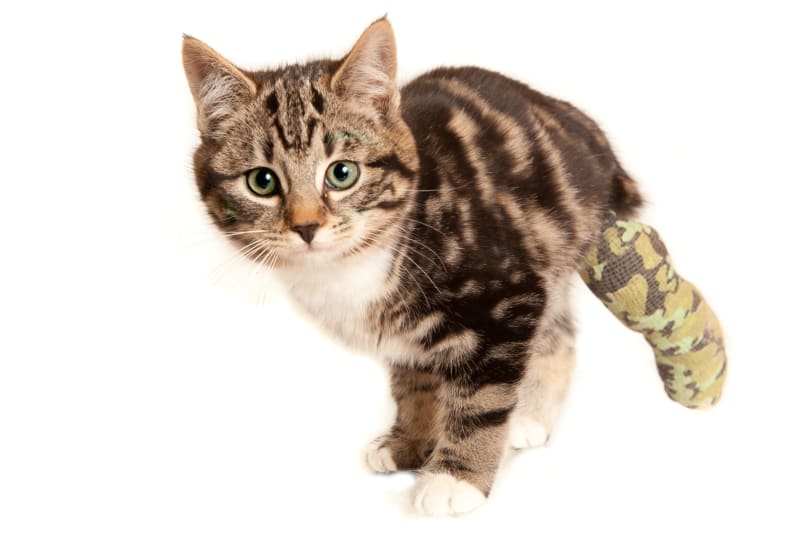
Image Source: d2zp5xs5cp8zlg.cloudfront.net
Common Culprits Behind Cat Hind Leg Pain
A cat limping on its back leg is often experiencing pain or discomfort in that limb. Several factors can contribute to this, and identifying the specific reason is crucial for proper treatment.
Paw Problems and Foot Injuries
The paws are the primary point of contact with the ground, making them vulnerable to injury. A cat paw injury can manifest as limping, and it’s often one of the first things to check.
Types of Paw Injuries:
- Cuts and Abrasions: Sharp objects like glass, thorns, or rough surfaces can cause cuts on the paw pads or between the toes. These can become infected if not cleaned.
- Foreign Objects: Splinters, burrs, or even small stones can get lodged in the paw, causing irritation and pain.
- Burns: Exposure to hot surfaces like asphalt in summer, heating elements, or chemicals can cause burns.
- Frostbite: In colder climates, prolonged exposure to cold can damage paw tissues.
- Insect Bites or Stings: Bee stings or bites from other insects can cause localized swelling and pain.
- Broken Claws: A claw can break off at the quick, leading to bleeding and significant pain.
What to Look For: Redness, swelling, bleeding, visible foreign objects, a change in the paw’s shape, or your cat licking the paw excessively are all signs of a paw injury.
Traumatic Injuries and Fractures
Accidents happen, and cats can sustain serious injuries that affect their back legs. These are often more severe and require immediate veterinary attention.
Cat Fracture Symptoms:
- Severe Limping or Non-Weight Bearing: The cat will refuse to put any weight on the affected leg.
- Swelling: The area around the injury may be visibly swollen.
- Deformity: The leg might look bent at an unnatural angle or shorter than the other.
- Pain: The cat may cry out, hiss, or react aggressively when the leg is touched.
- Lethargy: The cat may seem generally unwell, unwilling to move, or hiding more than usual.
- Open Wounds: In severe cases, the bone may break through the skin, which is a medical emergency.
Traumatic events like falls from heights, being hit by a car, or fights with other animals can lead to these kinds of injuries.
Joint and Musculoskeletal Issues
The complex structure of a cat’s hindquarters, including hips, knees, and ankles, can be prone to various conditions that cause lameness. Cat joint pain is a common complaint, especially in older cats.
Cat Joint Pain and Arthritis:
Cat arthritis (osteoarthritis) is a degenerative condition where the cartilage in the joints wears down, leading to inflammation, pain, and stiffness. This is particularly prevalent in older cats, but can also affect younger cats due to injury or genetic predisposition.
Signs of Arthritis:
- Reduced activity levels.
- Difficulty jumping or climbing.
- Stiffness, especially after resting.
- Limping, particularly after exertion.
- Changes in grooming habits (they may stop grooming around painful joints).
- Irritability or aggression when touched near the affected joints.
Cat Hip Dysplasia:
Cat hip dysplasia is a genetic condition where the hip joint develops abnormally. The ball and socket of the hip joint don’t fit together properly, leading to looseness, pain, and eventually arthritis. While more common in certain breeds like Persians and Maine Coons, it can occur in any cat.
Symptoms:
- Waddling gait.
- Difficulty jumping into high places.
- Bunny-hopping when running.
- Pain when the hips are manipulated.
- Muscle wasting in the hind legs.
Muscle Strains and Sprains
Overexertion, sudden movements, or minor accidents can lead to soft tissue injuries like muscle strains or ligament sprains. A cat muscle strain can be painful and cause limping.
Causes of Muscle Strains:
- Jumping and landing awkwardly.
- Running or playing too vigorously.
- Minor falls.
Symptoms:
- Limping that may be intermittent.
- Tenderness in the affected muscle.
- Swelling, though this may be subtle.
- Reluctance to use the leg.
Neurological Issues and Nerve Damage
Problems with the nervous system can also affect a cat’s ability to use its back leg properly, leading to weakness or an unusual gait. Cat nerve damage can result from trauma, infections, or other underlying diseases.
Types of Neurological Causes:
- Spinal Cord Injury: Trauma to the spine can compress or damage nerves controlling the hind legs.
- Peripheral Nerve Damage: Nerves in the legs themselves can be injured, for example, during a difficult birth or from a deep wound.
- Neurological Diseases: Conditions like Feline Infectious Peritonitis (FIP) or certain types of cancer can affect the nervous system.
- Degenerative Myelopathy: A progressive neurological disorder that affects the spinal cord, leading to hind limb weakness and paralysis.
Symptoms:
- Cat back leg weakness: This can range from a subtle wobbliness to complete inability to support weight.
- Dragging a paw.
- Knuckling (walking on the top of the paw).
- Loss of muscle mass.
- Uncoordinated movements.
- Incontinence.
Other Contributing Factors
Beyond these common issues, other problems can also manifest as limping.
Infections:
- Abscesses: Puncture wounds from fights can become infected, leading to painful abscesses that make walking difficult.
- Bone Infections (Osteomyelitis): Although less common, infections can affect the bones, causing pain and lameness.
Metabolic and Systemic Diseases:
- Nutritional Deficiencies: Lack of certain vitamins or minerals can impact bone and muscle health.
- Cancer: Tumors affecting bones, joints, or nerves in the hindquarters can cause pain and limping.
- Blood Clots (Thromboembolism): A clot can block blood flow to a hind limb, causing sudden pain, coldness, and paralysis. This is a medical emergency.
Diagnosing the Cause of Limping
When your cat is limping on its back leg, a thorough veterinary examination is essential. Vets have a systematic approach to diagnose the root cause.
The Veterinary Examination
Your veterinarian will start with a comprehensive history of your cat’s health and any observed changes in behavior or activity. This is followed by a physical examination.
History Gathering:
- Onset of Limping: When did you first notice the limp? Did it start suddenly or gradually?
- Severity: Is the cat completely avoiding the leg, or just favoring it?
- Activity Level: Has your cat’s play or movement patterns changed?
- Potential Incidents: Did you witness any falls, fights, or other accidents?
- Other Symptoms: Is your cat eating, drinking, grooming, or behaving normally otherwise?
Physical Examination:
- Gait Analysis: The vet will observe your cat walking to assess the severity and pattern of the limp.
- Palpation: The vet will gently feel the leg, joints, muscles, and spine to identify areas of pain, swelling, heat, or instability.
- Range of Motion: They will carefully move the joints to check for stiffness, crepitus (a crackling sound), or pain during movement.
- Neurological Assessment: This involves checking reflexes, muscle tone, and sensation in the hind limbs.
Diagnostic Tools
Depending on the initial findings, your vet may recommend further diagnostic tests.
Imaging Techniques:
- X-rays (Radiographs): These are crucial for identifying fractures, dislocations, arthritis, and some bone abnormalities like hip dysplasia. They can also reveal signs of tumors or infections.
- Ultrasound: Useful for examining soft tissues like muscles, tendons, ligaments, and can detect fluid accumulation or abscesses.
- CT Scan or MRI: In cases of suspected complex neurological issues or subtle bone damage, these advanced imaging techniques can provide more detailed cross-sectional views.
Laboratory Tests:
- Blood Work: Can help detect signs of infection, inflammation, or underlying systemic diseases.
- Joint Fluid Analysis: If joint inflammation is suspected, analyzing fluid from the joint can identify infection or inflammatory conditions like immune-mediated polyarthritis.
Treatment Options for Cat Hind Leg Lameness
The treatment plan will depend entirely on the diagnosed cause of your cat’s limping.
Conservative Management
For milder injuries or chronic conditions like arthritis, conservative approaches are often the first line of treatment.
Rest and Activity Modification:
- Strict Rest: For acute injuries like strains or fractures, limiting activity is vital for healing. This might involve confinement to a smaller space or a carrier.
- Gradual Return to Activity: Once healing progresses, a slow and supervised reintroduction to normal activity is recommended.
Pain Management:
- Veterinary-Prescribed Pain Relievers: Non-steroidal anti-inflammatory drugs (NSAIDs) specifically formulated for cats can help reduce pain and inflammation. Never give human pain medications to cats, as they can be toxic.
- Gabapentin: Often used for nerve-related pain.
- Amantadine: Can be used in conjunction with other pain medications for chronic pain management.
Supportive Therapies:
- Weight Management: Excess weight puts significant stress on joints, exacerbating pain from arthritis or hip dysplasia. A weight-loss program can be very beneficial.
- Environmental Modifications: Providing ramps for jumping, low-sided litter boxes, and comfortable, easily accessible bedding can make life easier for cats with mobility issues.
Medications and Supplements
Specific medications and supplements can address underlying conditions and manage pain.
Joint Supplements:
- Glucosamine and Chondroitin: These are common supplements that may help support joint cartilage health, though their effectiveness can vary.
- Omega-3 Fatty Acids (Fish Oil): Known for their anti-inflammatory properties, they can help reduce joint inflammation and pain.
Medications for Specific Conditions:
- Antibiotics: Used to treat bacterial infections causing abscesses or bone infections.
- Steroids: May be used cautiously in some inflammatory conditions, but often have significant side effects.
Surgical Interventions
For severe injuries or structural problems, surgery may be the best option for restoring function and relieving pain.
Types of Surgeries:
- Fracture Repair: This can involve plates, screws, pins, or external fixators to stabilize broken bones.
- Arthroscopy: Minimally invasive surgery to examine and repair joint damage.
- Total Hip Replacement: For severe hip dysplasia or arthritis, replacing the hip joint can provide excellent pain relief and restore mobility.
- Cruciate Ligament Repair: If the knee’s ligaments are torn.
- Amputation: In cases of severe, irreparable trauma or advanced disease where the limb cannot be saved. Many cats adapt very well to life with three legs.
Rehabilitation and Physical Therapy
Post-surgery or for chronic conditions, rehabilitation can significantly improve a cat’s recovery and quality of life.
Techniques:
- Therapeutic Exercises: Gentle exercises to rebuild muscle strength and improve joint flexibility.
- Hydrotherapy (Underwater Treadmill): Reduces weight-bearing stress on joints while allowing for exercise.
- Laser Therapy (Low-Level Laser Therapy): Can help reduce pain and inflammation.
- Massage: Can help relieve muscle tension and improve circulation.
Preventing Future Limping and Hindquarter Lameness
While not all causes of limping can be prevented, some proactive measures can reduce the risk.
Maintaining a Healthy Weight
Obesity is a major contributor to joint problems. Feed your cat a balanced diet and encourage regular play to keep them at a healthy weight.
Providing a Safe Environment
- Indoors: Keeping cats indoors significantly reduces their risk of traumatic injuries from cars, fights, or falls.
- Secure Outdoor Access: If your cat goes outdoors, ensure your property is safe and free from hazards.
- Safe Climbing Structures: Provide sturdy cat trees and perches to reduce the risk of falls.
Regular Veterinary Check-ups
Annual or semi-annual check-ups allow your vet to catch potential problems early, such as developing arthritis or subtle signs of injury, before they become severe.
Recognizing Early Signs
Be observant of your cat’s behavior. Changes in activity, hesitance to jump, or subtle stiffness can be early indicators of developing issues. Addressing these early can lead to better outcomes.
When to See a Veterinarian Immediately
Some situations require urgent veterinary care.
Red Flags:
- Complete inability to bear weight on the leg.
- Visible deformity of the limb.
- Open wounds or severe bleeding.
- Signs of extreme pain (crying, aggression).
- Sudden onset of paralysis or severe weakness in the hind limbs.
- Coldness in the affected limb.
Frequently Asked Questions (FAQ)
Q1: Can a cat’s limping get better on its own?
A1: Sometimes, minor strains or small cuts can heal with rest and supportive care. However, if the limping is severe, persistent, or accompanied by other symptoms, it’s crucial to seek veterinary advice. Many underlying causes require specific treatment.
Q2: How can I tell if my cat has arthritis?
A2: Signs of arthritis include decreased activity, reluctance to jump or climb, stiffness especially after rest, limping, changes in grooming, and increased irritability.
Q3: Is it safe to give my cat human pain medication?
A3: Absolutely not. Human pain medications like ibuprofen, acetaminophen, or aspirin are highly toxic to cats and can cause severe organ damage or even death. Always use medications prescribed by your veterinarian.
Q4: My cat seems to have lost muscle in its back leg. What could this be?
A4: Muscle loss (atrophy) in a hind leg can indicate a chronic issue where the leg is not being used properly due to pain, nerve damage, or an underlying orthopedic problem. It’s important to have this evaluated by a vet.
Q5: How long does it take for a cat to recover from a leg fracture?
A5: Recovery time varies significantly depending on the severity and type of fracture, as well as the treatment method. It can range from 6-12 weeks for bone healing, with rehabilitation continuing for several months. Your vet will provide a specific prognosis.
Q6: My cat is limping after a fight. What should I do?
A6: Fights can lead to puncture wounds, deep tissue damage, sprains, or even fractures. It’s best to have your cat examined by a veterinarian to check for injuries and to prevent potential infections like abscesses.
Q7: Can diet affect my cat’s leg health?
A7: Yes, a balanced diet is essential for overall health, including bone and muscle development and maintenance. Nutritional deficiencies can impact mobility. Additionally, maintaining a healthy weight through proper diet is crucial for preventing or managing joint issues.
Q8: What are the signs of cat nerve damage in a back leg?
A8: Signs of cat nerve damage can include weakness, dragging a paw, knuckling (walking on the top of the paw), uncoordinated movement, loss of sensation, or even paralysis in the affected leg.
By staying informed and attentive to your cat’s well-being, you can provide the best care when they experience hind leg lameness. Early detection and appropriate veterinary intervention are key to a swift and successful recovery.