Your cat plays with your hair because it’s a multi-faceted behavior stemming from instinct, affection, and environmental cues. This playful interaction can manifest in various ways, from gentle batting and stroking to more intense chewing or even pouncing. Let’s delve into the fascinating reasons behind this common feline behavior.
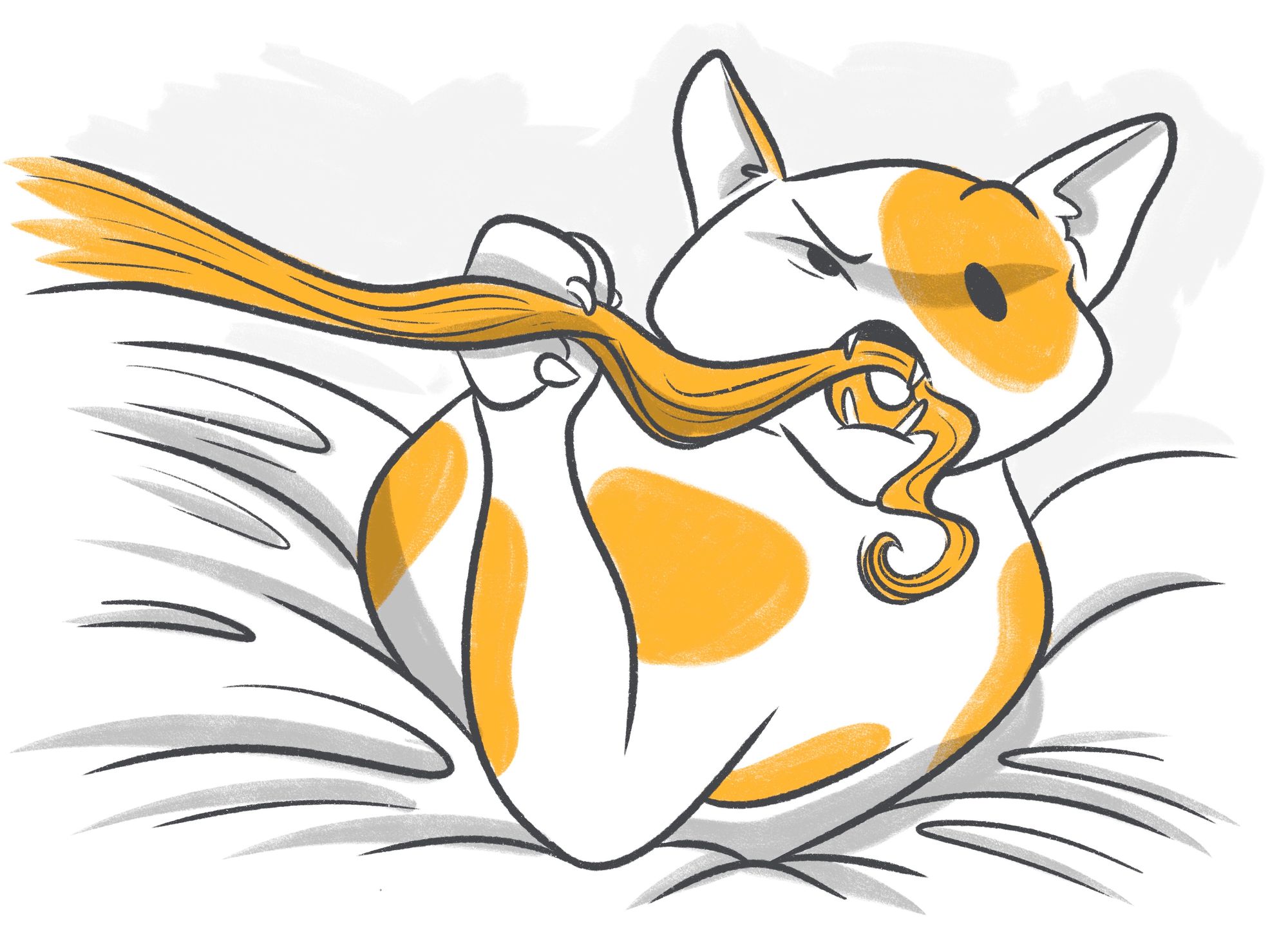
Image Source: petcube.com
The Innate Instincts at Play
Cats are predators by nature. Even the most pampered house cat retains a primal drive to hunt, stalk, and play. Your hair, with its movement and texture, can easily trigger these deeply ingrained instincts.
Kitten Batting at Hair: A Developmental Stage
For kittens, batting at your hair is a crucial part of their learning process. When they are young, kittens explore the world through their senses and play.
- Practice for Hunting: Kitten batting at hair is a way for them to practice hunting skills. They learn about cause and effect – their paw movement makes your hair move, which is like prey.
- Sensory Exploration: The soft, dangling nature of hair is a fascinating texture for a young cat to explore. It provides tactile and visual stimulation.
- Socialization: Kittens learn social cues from their mothers and littermates. If your hair moves in a way that mimics playful wrestling, they might engage with it to interact.
The Instinct to Stalk and Pounce
Longer hair, especially when it swings or blows, can appear like a tempting target for a stalking predator. Your cat might crouch low, wiggle their hindquarters, and then cat pouncing on hair, mimicking the final moments of a hunt. This isn’t aggression; it’s simply them acting on their predatory programming.
Affection and Social Bonding
Beyond instinct, your cat’s hair play often signifies a deep emotional connection with you.
Cat Head Nudging Hair: A Sign of Affection
When your cat gently bumps their head against your hair, it’s often a gesture of deep affection. This is a form of social bonding that cats exhibit with their family members, both feline and human.
- Scent Marking: Cats have scent glands on their heads and faces. By cat head nudging hair, they are depositing their scent onto you, marking you as part of their social group and territory. This is a sign of ownership and comfort.
- Grooming Behavior: It can also be a prelude to grooming. Cats groom each other as a way to strengthen social bonds. Nudging your hair can be their way of initiating a mutual grooming session, albeit in their own unique way.
Cat Stroking Hair: Mimicking Maternal Care
Some cats might gently “stroke” your hair with their paws. This behavior can be reminiscent of how kittens gently pat their mother’s belly or fur. It’s a sign of contentment and a desire for closeness. They might be trying to comfort you or themselves, replicating the security of their early days.
Grooming and Play: Intertwined Behaviors
Cat hair grooming is a fundamental aspect of feline hygiene and social interaction. Your hair can become an interesting element in this process.
Cat Kneading Hair: Comfort and Security
Cat kneading hair is a classic feline behavior often associated with comfort and happiness. This motion, also known as “making biscuits,” originates from their kittenhood when they would knead their mother’s belly to stimulate milk flow.
- Contentment Signal: When a cat kneads your hair, it’s a strong indication that they feel safe, secure, and deeply content in your presence.
- Marking Territory: Similar to head nudging, kneading also involves scent glands in their paws. They are reinforcing their scent and claiming you as their own.
Cat Playing with Hair Ties: The Allure of Small Objects
Hair ties, with their elastic nature and tendency to dangle or roll, are particularly appealing to cats. Cat playing with hair ties is a common sight because these objects mimic the movement and texture of small prey.
- Chasing and Capturing: The way hair ties can be flicked or thrown makes them ideal for a cat’s chase-and-capture instincts.
- Chewing and Mouthing: Some cats enjoy the sensation of chewing or mouthing on the elastic material.
The Sensory Appeal of Your Hair
Your hair offers a unique sensory experience for your cat.
Cat Biting Hair: Exploration and Playful Nipping
A gentle nip or a more insistent bite on your hair can have several meanings.
- Playful Teasing: Sometimes, a cat might bite your hair as a playful way to get your attention or initiate interaction. It’s similar to how kittens play-bite each other.
- Overstimulation: If a cat becomes overstimulated during petting or play, they might nip your hair as a way to express their discomfort or signal that they’ve had enough.
- Teething (for Kittens): While less common with adult cats, cat biting hair can be related to teething discomfort in very young kittens.
Cat Chewing Hair: A More Intense Engagement
Cat chewing hair is a more intense form of interaction. This can stem from a variety of reasons:
- Attention Seeking: They might be trying to get your undivided attention.
- Boredom: A bored cat might engage in chewing as a form of self-amusement.
- Stress or Anxiety: In some cases, excessive chewing can be a sign of stress or anxiety. If the behavior is compulsive or accompanied by other signs of distress, it’s worth consulting a vet.
- Mimicking Grooming: Cats often chew on things to clean them or to mimic their own grooming behaviors.
Territorial Marking and Scent Association
Cats are territorial creatures, and scent plays a vital role in their world.
Cat Territorial Marking Hair: Scent and Belonging
When your cat plays with your hair, they might also be engaging in cat territorial marking hair. By rubbing against you or nudging your hair, they are mingling their scent with yours.
- Creating a Group Scent: This creates a familiar scent profile for your cat, reinforcing the idea that you are part of their family unit and territory.
- Comfort and Security: Being surrounded by familiar scents, including their own and yours, helps cats feel secure and reduces anxiety.
When to Be Concerned
While most hair play is harmless and often endearing, there are a few instances where you might want to investigate further.
Excessive Biting or Chewing
If your cat’s biting or chewing of your hair becomes aggressive, painful, or obsessive, it might indicate a problem.
- Pain or Discomfort: Is your cat experiencing any oral discomfort that makes them want to chew?
- Anxiety or Stress: Has there been a recent change in the household that might be causing your cat stress?
- Compulsive Behavior: If the behavior seems uncontrollable or is impacting their well-being, a veterinary consultation is recommended.
Hair Ties and Ingestion Risk
Always keep hair ties and other small items out of reach. Cats can ingest these items, which can lead to serious gastrointestinal blockages requiring surgery. If you suspect your cat has swallowed a hair tie, contact your veterinarian immediately.
How to Respond to Your Cat’s Hair Play
The way you react to your cat’s hair play can shape the behavior.
Encouraging Positive Interactions
- Gentle Play: If your cat is gently playing or nudging, respond with gentle pets or soft vocalizations.
- Provide Alternatives: If they seem overly fixated on your hair, offer them appropriate toys that mimic movement and texture, such as wand toys or small plush mice.
- Redirect When Necessary: If they start biting too hard, gently redirect them to a toy. You can use a firm but not harsh “no” and then offer the toy.
Discouraging Unwanted Behavior
- Avoid Punishment: Never punish your cat for playing with your hair. This can create fear and anxiety, damaging your bond.
- Distraction: If the behavior becomes bothersome, try to distract them with a toy or a treat.
- Manage Hair Length: For some owners, keeping hair tied back or shorter can reduce the temptation for their cat.
Frequently Asked Questions (FAQ)
Q: Is it normal for my cat to play with my hair?
A: Yes, it is very normal for cats to play with your hair. This behavior is often a sign of affection, playfulness, and instinctual behaviors.
Q: Why does my cat bite my hair?
A: Your cat might bite your hair as a form of playful teasing, to get your attention, or if they are feeling overstimulated. Gentle nips are usually not a cause for concern, but excessive or aggressive biting should be addressed.
Q: My cat seems to be chewing my hair a lot. Should I worry?
A: While some chewing can be normal, excessive chewing might indicate boredom, stress, anxiety, or a desire for more attention. Observe your cat for other signs of distress. If the behavior is compulsive or concerning, consult your veterinarian.
Q: Is it safe for my cat to play with my hair ties?
A: It is not safe for your cat to play with hair ties if they ingest them. Hair ties can cause dangerous internal blockages. It’s best to keep hair ties stored away when not in use and provide your cat with safe, designated toys.
Q: My kitten constantly bats at my hair. Is this okay?
A: Yes, it’s perfectly normal and healthy for kittens to bat at your hair. It’s a key part of their development, helping them practice hunting skills and explore their environment. As they grow, this behavior may lessen or change.
Q: My cat rubs their head on my hair a lot. What does this mean?
A: When your cat head nudges your hair, it’s a sign of affection and a way of marking you with their scent. They are essentially saying you are part of their family and territory, which makes them feel secure and happy.
Q: Can playing with my hair be a sign of my cat being stressed?
A: While play is usually positive, if the hair play is accompanied by other signs of stress like hiding, changes in appetite, or excessive grooming, it could be a symptom of underlying anxiety. In such cases, it’s advisable to consult a veterinarian.
By recognizing the underlying reasons for your cat’s hair play, you can better appreciate this unique way they communicate with you, strengthening your bond and ensuring a happy, healthy relationship.