
A cat that isn’t drinking enough water can lead to serious health issues, including urinary tract infections and kidney problems. How much water should a cat drink? Adult cats typically need about 3.5 to 4.5 ounces of water per 5 pounds of body weight per day. If your cat is showing signs of lethargy, decreased appetite, or dry gums, it’s crucial to address their cat hydration immediately.
Cats are notoriously poor drinkers, a trait inherited from their desert-dwelling ancestors who obtained most of their moisture from prey. This evolutionary history means many cats don’t feel a strong thirst drive and rely on moisture from their food. When a cat’s cat water intake is insufficient, it can quickly lead to dehydration, a dangerous condition that affects every system in their body. Recognizing why your feline friend might be avoiding the water bowl and implementing strategies to encourage cat drinking are vital for their well-being. This article will delve into common reasons for low cat water consumption and provide practical, research-backed methods to ensure your cat stays properly hydrated.
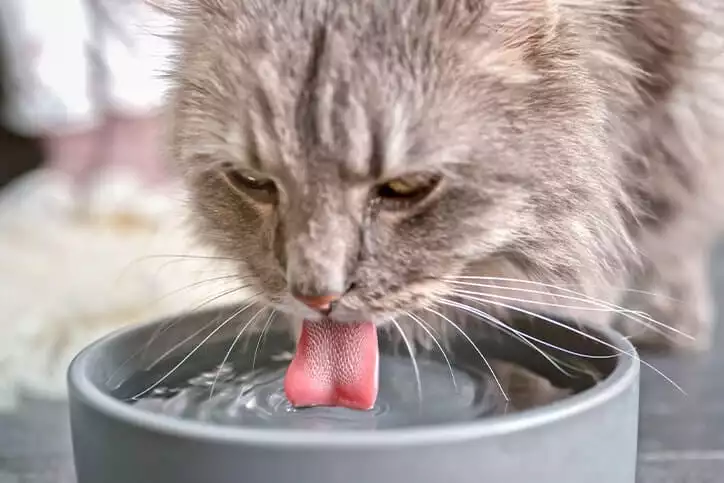
Image Source: myaltadenavet.com
Why Cats Might Avoid Drinking Water
Several factors can contribute to a cat’s reluctance to drink. It’s not always about the water itself; it can be about the bowl, the location, or even the cat’s mood.
Bowl Preferences
The type of bowl you use can make a significant difference. Many cats dislike plastic bowls because they can retain odors and chemicals, which can affect the taste of the water.
- Material: Stainless steel or ceramic bowls are generally preferred. They are non-porous, easy to clean, and don’t impart flavors. Glass bowls can also be a good option, though they are fragile.
- Shape and Size: Some cats feel uncomfortable with their whiskers touching the sides of a deep or narrow bowl. Wide, shallow bowls allow their whiskers to rest freely, which can make drinking a more pleasant experience.
Water Quality and Freshness
Just like humans, cats can be picky about their water.
- Stale Water: Water that has been sitting out for a long time can become unappealing. Bacteria can grow, and the taste can change.
- Chlorine: Some cats are sensitive to the taste of chlorine in tap water.
- Mineral Content: While less common, some cats might dislike the mineral content of their water.
Location, Location, Location
Where you place the water bowl is surprisingly important to your cat.
- Proximity to Food: Cats are natural hunters and instinctually prefer to keep their food and water sources separate. This is to avoid contaminating their water supply with prey remains. Placing the water bowl too close to their food dish might deter them from drinking.
- High-Traffic Areas: Loud noises or constant activity can make a cat feel vulnerable, discouraging them from approaching the water bowl. Quiet, low-traffic areas are ideal.
- Litter Box Proximity: Similarly, cats are fastidious creatures and will avoid drinking from a source located too close to their litter box.
Stress and Anxiety
Changes in environment or routine can cause stress in cats, leading to changes in their drinking habits.
- New Pets or People: The introduction of a new pet or a new person in the household can be unsettling.
- Home Renovations or Moves: Even seemingly minor changes can impact a sensitive cat.
- Underlying Health Issues: While we’re focusing on behavioral reasons, it’s important to remember that a sudden change in drinking habits can also be a sign of an underlying medical problem.
Age and Health
Older cats or those with certain health conditions might have reduced thirst drives or physical limitations that make drinking difficult.
Strategies to Encourage Cat Drinking
Now that we’ve explored why your cat might be avoiding water, let’s look at actionable ways to encourage cat drinking and boost their cat hydration.
Optimizing the Water Source
Making water more appealing is the first step.
- Switching Bowls: Try different materials (ceramic, stainless steel) and shapes (wide, shallow) to see what your cat prefers. Wash bowls daily with unscented soap and rinse thoroughly.
- Filtered Water: Offer filtered or bottled water if you suspect your cat dislikes the taste of your tap water.
- Ice Cubes: Some cats enjoy playing with or licking ice cubes, which can slowly release water and encourage drinking. You can even freeze small amounts of tuna water or low-sodium chicken broth (ensure no onions or garlic) in ice cube trays for an extra enticement.
Enhancing Water Appeal
Think outside the traditional water bowl.
- Cat Water Fountain: Many cats are naturally drawn to moving water. A cat water fountain mimics the appeal of running streams and can significantly increase cat water consumption.
- Benefits of Fountains:
- Encourages Drinking: The sound and movement of water are highly stimulating for many cats.
- Fresher Water: The filtration system keeps water cleaner and oxygenated.
- Variety of Styles: Available in ceramic, stainless steel, and plastic, with different flow patterns.
- Maintenance: Fountains require regular cleaning and filter changes to remain effective and hygienic.
- Benefits of Fountains:
- Adding Flavor (Sparingly):
- Tuna Water/Broth: A small amount of the water from a can of tuna (packed in water, not oil) or low-sodium chicken or beef broth can make the water more enticing. Crucially, ensure no onion or garlic is present in any broth, as these are toxic to cats.
- Wet Food Juices: Save the juices from high-quality wet food for cats and add a tiny bit to their water.
- Caution: While these can be effective, don’t overdo it, as you don’t want your cat to become reliant on flavored water or consume too much sodium.
Strategic Placement of Water Bowls
Consider your cat’s environment and habits.
- Multiple Water Stations: Place water bowls in several different locations throughout your home, especially in areas where your cat spends a lot of time. This makes water easily accessible.
- Quiet Zones: Ensure at least one water source is in a quiet, undisturbed area, away from high-traffic zones, loud appliances, and the litter box.
- Separation from Food: Always keep water bowls separate from food bowls and litter boxes.
Increasing Moisture Through Diet
Diet plays a crucial role in cat hydration, especially for cats who are reluctant to drink.
- Switch to Wet Food: Wet food for cats has a much higher moisture content than dry kibble (often 70-80% compared to 10%). This is one of the most effective ways to increase a cat’s daily water intake without them even realizing they’re drinking more.
- Benefits of Wet Food for Hydration:
- High Moisture Content: Directly contributes to a cat’s fluid intake.
- Natural Diet: Mimics the moisture content of prey, aligning with a cat’s natural dietary needs.
- Palatability: Many cats find wet food more appealing than dry food.
- Benefits of Wet Food for Hydration:
- Adding Water to Wet Food: Even if your cat is already on wet food, you can add a tablespoon or two of warm water to their meal to increase the moisture further. This can also make the food more aromatic, which can stimulate appetite and drinking.
- Hydrating Treats: Offer commercially available hydrating treats or make your own by pureeing cooked chicken or fish (again, no seasonings) and freezing small portions.
Making Drinking a Positive Experience
Associate drinking with positive reinforcement.
- Play Near Water: Sometimes, simply playing with your cat near their water bowl can stimulate cat to drink. Let them bat at a toy that rolls near the bowl, or offer a treat after they take a few laps.
- Gentle Encouragement: If your cat is drinking from a fountain, you might gently dip their paw in the water. Some cats will then lick their paw, leading them to investigate the fountain further.
Recognizing Dehydration in Cats
It’s essential to know the signs of dehydration so you can act quickly.
Cat Dehydration Symptoms
The severity of symptoms can vary depending on how dehydrated the cat is.
- Lethargy and Weakness: A dehydrated cat may seem unusually tired or weak.
- Loss of Appetite: They might refuse food and treats.
- Dry Gums and Nose: Gently pull back your cat’s lip. If their gums feel sticky or dry instead of moist, it’s a sign of dehydration. Their nose should also be moist.
- Panting: Unlike dogs, cats rarely pant unless they are overheated or experiencing significant stress or illness.
- Sunken Eyes: In severe cases, a cat’s eyes may appear sunken into their sockets.
- Loss of Skin Elasticity: A simple test is to gently pinch the skin on the back of their neck. In a well-hydrated cat, this skin will snap back into place quickly. In a dehydrated cat, it will return slowly or remain tented.
- Decreased Urination: You might notice less frequent or smaller urine clumps in the litter box.
What to Do if You Suspect Dehydration
If you observe any of these symptoms, especially the skin elasticity test or dry gums, it’s time to consult your veterinarian immediately. Dehydration can escalate quickly and become life-threatening. Your vet can assess your cat’s hydration status, administer fluids (subcutaneously or intravenously), and investigate any underlying causes.
How Much Water Should a Cat Drink? A Closer Look
As mentioned earlier, the general guideline for how much water should a cat drink is about 3.5 to 4.5 ounces per 5 pounds of body weight per day. However, this is a baseline, and several factors can influence a cat’s individual water needs.
Factors Influencing Water Intake
- Diet:
- Dry Food: Cats on a dry kibble diet will need to drink significantly more water to compensate for the low moisture content.
- Wet Food: Cats fed primarily wet food for cats will consume a large portion of their daily water requirement from their food, so their direct water bowl intake might appear lower, but their overall cat hydration is often better.
- Activity Level: More active cats who exercise more will need more water to replace fluids lost through respiration and metabolism.
- Environmental Temperature: In hot weather, cats will need to drink more to regulate their body temperature.
- Age: Kittens and senior cats may have different hydration needs than adult cats. Kittens are still growing and developing, while older cats might have underlying health issues affecting their fluid balance.
- Health Status: Medical conditions such as kidney disease, diabetes, hyperthyroidism, and urinary tract infections can significantly alter a cat’s water intake requirements, often increasing them. Conversely, some conditions might reduce thirst.
Ensuring Consistent Cat Hydration: A Practical Guide
Maintaining adequate cat hydration is an ongoing process that requires attentiveness to your cat’s habits and environment.
Daily Checks and Maintenance
- Water Bowl Refresh: Make it a habit to dump out old water and refill bowls with fresh water at least once daily.
- Bowl Cleaning: Wash water bowls thoroughly every day with unscented soap and warm water. Rinse completely to remove any soap residue.
- Fountain Care: If using a cat water fountain, follow the manufacturer’s instructions for regular cleaning and filter replacement. This ensures the water remains clean and appealing.
Monitoring Water Consumption
- Visual Observation: Pay attention to how often your cat visits their water bowl and how much they seem to drink.
- Marking Water Levels: If you’re concerned about a specific cat’s intake, you can mark the water level in the bowl at the start of the day and check it later to gauge consumption.
- Litter Box Monitoring: Observing urine output can also be an indirect indicator of hydration.
When to Seek Veterinary Advice
If you’ve tried various methods to stimulate cat to drink and your cat’s cat water intake remains persistently low, or if you notice any signs of dehydration, it’s crucial to schedule a visit with your veterinarian. They can perform a physical examination, run diagnostic tests, and provide tailored advice based on your cat’s specific health and needs. Sometimes, a lack of drinking is a symptom of a more serious underlying condition that requires professional medical attention.
Frequently Asked Questions About Cat Water Intake
Q1: How much water should a kitten drink compared to an adult cat?
Kittens, due to their rapid growth and higher metabolism, generally require more water proportionally than adult cats. While adult cats need around 3.5-4.5 oz per 5 lbs of body weight, kittens might need closer to 1 oz per pound of body weight. However, as they are often fed kitten-specific wet food which is high in moisture, their direct water intake may not seem drastically higher. It’s always best to provide constant access to fresh water for kittens.
Q2: Can I give my cat milk instead of water?
No, cats are generally lactose intolerant, and milk can cause digestive upset, including vomiting and diarrhea. Stick to fresh water as their primary source of hydration. Some specialized feline milk replacers exist, but these are typically for orphaned kittens, not for general hydration.
Q3: My cat only drinks from the faucet. Is this okay?
While your cat might enjoy drinking from a running faucet, it’s not ideal for consistent cat hydration. Faucets provide a continuous stream of fresh, oxygenated water, which is highly appealing. However, it’s impractical to rely on this. A cat water fountain is an excellent alternative that mimics this running water appeal in a controlled and hygienic manner, helping to increase their overall cat water consumption.
Q4: Is it normal for my cat to drink a lot of water?
An increase in thirst can sometimes be normal, especially in hot weather or after strenuous activity. However, a sudden or significant increase in water consumption (polydipsia) can be a symptom of underlying medical conditions like diabetes, kidney disease, or hyperthyroidism. If you notice your cat drinking excessively, it’s important to consult your veterinarian to rule out any health issues.
Q5: How can I get my shy cat to drink more?
For shy cats, focus on creating a safe and appealing environment for drinking.
* Quiet Locations: Place water bowls in secluded, quiet areas where they feel secure.
* Uninterrupted Access: Ensure they have access to water at all times without being disturbed by other pets or people.
* Preferred Bowls: Experiment with different bowl types and materials.
* Fountains: A cat water fountain can be less intimidating as it offers water away from a static bowl that might be associated with feeding or other less desirable experiences.
* Patience: Gradually introduce new water sources without forcing them, allowing them to explore at their own pace.
Q6: What are the risks of my cat not drinking enough water?
Insufficient cat water intake can lead to several health problems. The most common is cat dehydration, which can cause lethargy, loss of appetite, and constipation. More serious long-term consequences include urinary tract infections (UTIs), bladder stones, and kidney disease. Maintaining good cat hydration is crucial for organ function and overall health.
By understanding your cat’s natural preferences and implementing these practical strategies, you can effectively encourage cat drinking and ensure your beloved feline companion stays happy, healthy, and well-hydrated.