
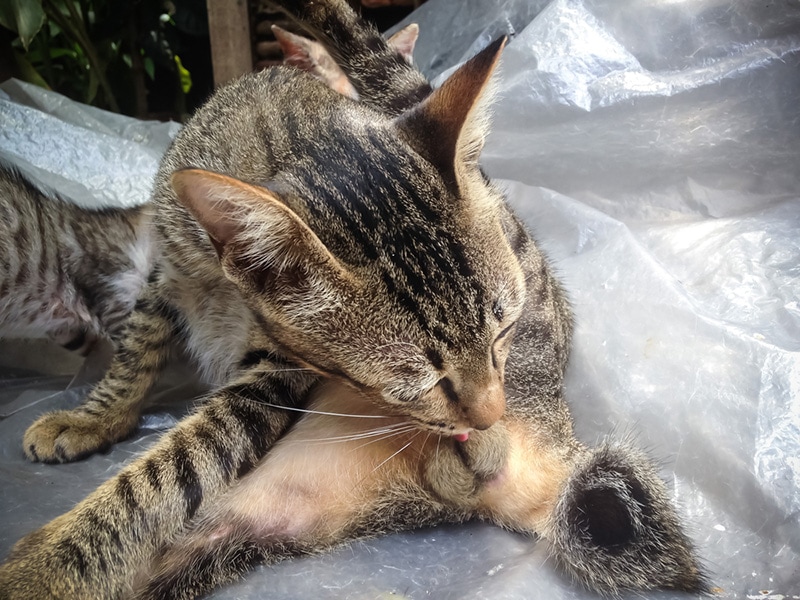
Image Source: articles.hepper.com
Why Does My Male Cat Lick My Female Cat’s Bum? Explained
Your male cat might be licking your female cat’s rear end for several reasons, including social bonding, establishing hierarchy, showing affection, or during mating periods.
Cats are complex creatures with intricate social structures and communication methods. What might appear unusual or even unsettling to us humans often has a logical explanation within the feline world. One behavior that can puzzle cat owners is when a male cat repeatedly licks a female cat’s rear end. This isn’t a sign of illness or distress; rather, it’s deeply rooted in feline grooming habits, cat social dynamics, and even reproductive instincts. Let’s delve into the various reasons behind this behavior.
Grasping Feline Social Dynamics
Cats, even when living in a human household, retain many of their wild instincts. Their social interactions are governed by a nuanced system of communication, which includes scent marking, body language, and physical contact. Licking, or allogrooming (grooming each other), is a significant part of this communication.
The Importance of Allogrooming
Allogrooming serves multiple purposes in cat colonies and multi-cat households:
- Bonding: Mutual grooming strengthens social bonds between cats. It’s a way of showing affection and reinforcing their connection.
- Hygiene: Cats are meticulous groomers. When they groom each other, they are helping to keep each other clean.
- Social Status: The direction and intensity of grooming can sometimes indicate the social standing between cats.
- Stress Reduction: Grooming can be a self-soothing behavior, and extending it to another cat can help reduce overall stress in the group.
When a male cat licks a female cat’s rear end, it’s important to look at the context of their relationship and the specific circumstances.
Deciphering Dominance Behavior in Cats
In some instances, licking can be linked to dominance behavior in cats. This doesn’t always mean aggression; rather, it’s about establishing and maintaining a social hierarchy.
Hierarchy in Feline Groups
Even in domesticated settings, cats often form social hierarchies. The dominant cat may groom subordinate cats to assert their status. This can manifest as licking a female cat’s hindquarters, which is an area rich in scent glands and can be a focal point for social signaling.
- Asserting Control: By grooming the female, the male might be subtly communicating his higher social standing.
- Peaceful Assertion: This form of dominance is usually non-confrontational and part of maintaining a stable social order within the home.
- Mutual Grooming Balance: While the male might initiate licking, the female cat may reciprocate, showing that the interaction is consensual and part of their established dynamic.
However, if the licking is excessive, accompanied by signs of aggression (hissing, swatting, growling), or if the female cat appears distressed, it could indicate an imbalance or problem.
Affectionate Licking in Cats
Not all licking is about dominance. Often, it’s a clear sign of affectionate licking in cats. Cats use their tongues to show they care about each other, much like they would groom their kittens.
Allogrooming as a Sign of Love
When cats groom each other, especially in sensitive areas, it’s a deep sign of trust and affection. The rear end, including the queen cat’s rear end, is a sensitive and intimate area. A male cat licking there suggests he feels comfortable and bonded with the female.
- Kittenhood Memories: Cats often groom their kittens, including their genital and anal areas, to stimulate elimination and clean them. This behavior can carry over into adult relationships as a nurturing act.
- Reinforcing Bonds: This licking helps to reinforce their social bond, showing that they consider each other family or close companions.
- Shared Scent: By grooming, cats also help to spread their scents, creating a shared “group scent” that enhances their feeling of belonging.
If you observe the female cat relaxing, purring, or even returning the favor by grooming the male, it’s a strong indication of affection.
The Role of Intercat Grooming
Intercat grooming is a vital social activity for cats. It’s not just about cleanliness; it’s a fundamental way they interact and maintain relationships.
Grooming the “Prime” Spots
The rear end of another cat, the queen cat’s rear end specifically if she has recently given birth, is a natural area for grooming. It contains scent glands that provide information about the cat’s health and reproductive status.
- Scent Information: The anal area holds scent glands that can convey a lot of information, including hormonal status. The male cat may be “reading” this information.
- Mutual Cleanliness: Cats are highly invested in being clean. If the female cat isn’t grooming herself thoroughly in that area, a male companion might step in to help.
- Social Ritual: In a group of cats, this behavior can become a normal part of their social ritual.
A healthy interaction involves both cats appearing relaxed and comfortable.
Cat Mating Rituals and Instincts
Perhaps the most significant reason for a male cat licking a female cat’s rear end is related to cat mating rituals. This behavior is particularly prominent when the female cat is in heat.
The Scent of Readiness
When a female cat is in estrus (heat), her body releases pheromones that signal her reproductive readiness. These potent scents are concentrated in her urine and around her anal region.
- Detecting Pheromones: Male cats have a highly developed sense of smell, which allows them to detect these pheromones. Licking the rear end is a direct way to sample these scents.
- Courtship Behavior: This licking is part of the courtship process. It’s how the male determines if the female is receptive to mating.
- Stimulating Mating: In some cases, the licking and gentle nibbling around the rear end can help stimulate the female and encourage her to adopt a receptive posture.
If you have an unspayed female cat and a male cat, and the male cat is showing heightened interest in her rear end, especially with vocalizations or persistent attention, it’s a strong indicator that she may be in heat.
Cat Anal Gland Expression: A Natural Process?
While it’s uncommon for cats to require external cat anal gland expression by their owners unless there’s a medical issue, the glands themselves are a point of interest for other cats.
Understanding Anal Glands
Cats have scent glands located on either side of their anus. These glands secrete a fluid that is released when a cat defecates, marking their territory and communicating information about their health and identity.
- Scent Marking: The unique scent from these glands is a vital part of feline communication.
- Mutual Investigation: Cats often investigate each other’s rear ends as a way of gathering information, and this includes the scent from the anal glands. The male cat might be drawn to the scent profile of the female.
However, the licking itself is not typically to “express” the glands in the way a vet would. It’s more about scent detection and social interaction. If you suspect an issue with anal glands (e.g., scooting, licking the area excessively, foul odor), consult a veterinarian.
Cat Health and Hygiene
While allogrooming is generally beneficial for cat health and hygiene, the focus on the rear end by the male cat can sometimes raise questions.
When to Be Concerned
In most cases, this behavior is normal. However, there are times when it might warrant closer observation or veterinary attention.
- Excessive Licking: If the male cat is licking the female’s rear end incessantly, to the point of causing redness, irritation, or hair loss, it could be a sign of an underlying medical issue for the female (e.g., infection, parasites, inflammation) that the male is trying to address through grooming.
- Discomfort in the Female: If the female cat shows signs of pain, flinching, or aggression when the male licks her rear, it could indicate discomfort or a health problem in that area.
- Unusual Odor or Discharge: If you notice any strange smells or discharge from the female’s rear end, it’s crucial to see a vet. The male’s attention might be a reaction to this abnormality.
It’s always wise to consult with a veterinarian or a qualified cat behaviorist advice if you have concerns about your cats’ interactions or their health.
Expert Cat Behaviorist Advice
Professional insights can shed more light on these feline behaviors. Cat behaviorist advice often emphasizes context and individual cat personalities.
Key Takeaways from Behaviorists
- Observe the Pair: The relationship dynamics between the specific male and female cats are crucial. Are they generally affectionate? Do they have established social routines?
- Consider the Environment: Stressful environments can sometimes lead to increased grooming or altered social behaviors.
- Rule Out Medical Issues: Before assuming a behavioral cause, a vet check is always recommended, especially if the behavior is new or seems extreme.
- Patience and Observation: Understanding cat behavior takes time. Pay attention to body language, vocalizations, and the overall mood of your cats.
A behaviorist can help you interpret specific interactions and provide tailored advice for your household.
When to Seek Professional Help
While licking the rear end is often a normal feline behavior, there are times when it warrants professional intervention.
Signs That Point to a Problem
- Aggression: If the male cat’s licking is aggressive or the female cat is actively trying to escape and shows fear.
- Injury or Irritation: If the licking results in skin abrasions, hair loss, or signs of infection around the female’s anal area.
- Sudden Change in Behavior: If this licking is a new behavior that appears suddenly in a previously non-interacting pair.
- Signs of Pain: If the female cat cries out, yelps, or seems in pain when the male licks her.
A veterinarian can rule out medical causes, and a certified cat behaviorist can help address any underlying behavioral issues.
Frequently Asked Questions (FAQ)
Here are some common questions related to male cats licking female cats’ rear ends:
Q1: Is it normal for my male cat to lick my female cat’s rear end?
A1: Yes, in many cases, it is perfectly normal. It can be a sign of affection, social bonding, and part of normal feline social dynamics. It is also a key component of cat mating rituals if the female is in heat.
Q2: Could my male cat be bullying my female cat by licking her rear end?
A2: While dominance behavior can be a factor, outright bullying is less common through just licking. If the licking is accompanied by aggression, hissing, swatting, or if the female cat appears genuinely distressed and unable to escape, then it might be an issue of dominance gone awry. However, if the female cat is relaxed or even grooms him back, it’s likely a social interaction.
Q3: Does this behavior mean my female cat is in heat?
A3: It can be a strong indicator. When a female cat is in heat, she emits pheromones that attract males. Licking the rear end allows the male cat to detect these pheromones, which are crucial for mating. If you have an unspayed female cat and this behavior is occurring, it’s highly probable she is in estrus.
Q4: Should I stop my male cat from licking my female cat’s rear end?
A4: Generally, no, unless it is causing distress or physical harm to the female cat, or if it’s indicative of a health issue. Interfering with natural social behaviors without cause can sometimes create more problems. Observe the interaction first. If it appears consensual and non-harmful, it’s best to let them be.
Q5: Are there any health risks associated with this behavior?
A5: For the cats themselves, this behavior is usually part of their natural hygiene and social routine. The primary health concern would arise if the female cat has an underlying medical condition in her anal region (like an infection or parasites) that is causing the male cat to focus on that area excessively, potentially leading to irritation from over-grooming.
Q6: My female cat is older. Is it still normal for a male cat to lick her rear end?
A6: Yes, it can still be normal. While reproductive instincts are strongest in younger cats, social bonding through grooming can continue throughout their lives. Older cats may also groom each other as a sign of affection and to help maintain hygiene, especially if the older female cat has mobility issues and isn’t grooming herself as effectively.
Q7: What if the female cat licks the male cat’s rear end?
A7: This is also a normal part of intercat grooming and social dynamics. It can indicate affection, comfort, or even a subtle assertion of social standing by the female. It’s a reciprocal behavior that strengthens their bond.
Q8: How do I know if the licking is a sign of a problem?
A8: Look for signs of distress from the female cat (hissing, swatting, trying to escape, yowling), excessive licking that causes redness or hair loss in the area, or any unusual discharge or odor. If you see these signs, consult a veterinarian.
By observing your cats closely and considering the various facets of feline behavior, you can gain a better appreciation for why your male cat might be showing such attention to your female cat’s rear end. It’s a window into their complex world of communication and social interaction.