
So, how often should you bathe an indoor cat? The general consensus among veterinarians and feline behaviorists is that most indoor cats do not require regular bathing. In fact, frequent bathing can actually be detrimental to their skin and coat health.
Cats are remarkably self-grooming creatures. Their rough tongues act as natural brushes, distributing essential oils, removing loose fur, and keeping their coats clean and tangle-free. This meticulous grooming behavior is a cornerstone of indoor cat hygiene. Unless your cat has a specific medical condition, gets into something particularly messy or toxic, or has mobility issues that prevent them from grooming effectively, bathing them frequently is usually unnecessary and can even strip their skin of natural oils.
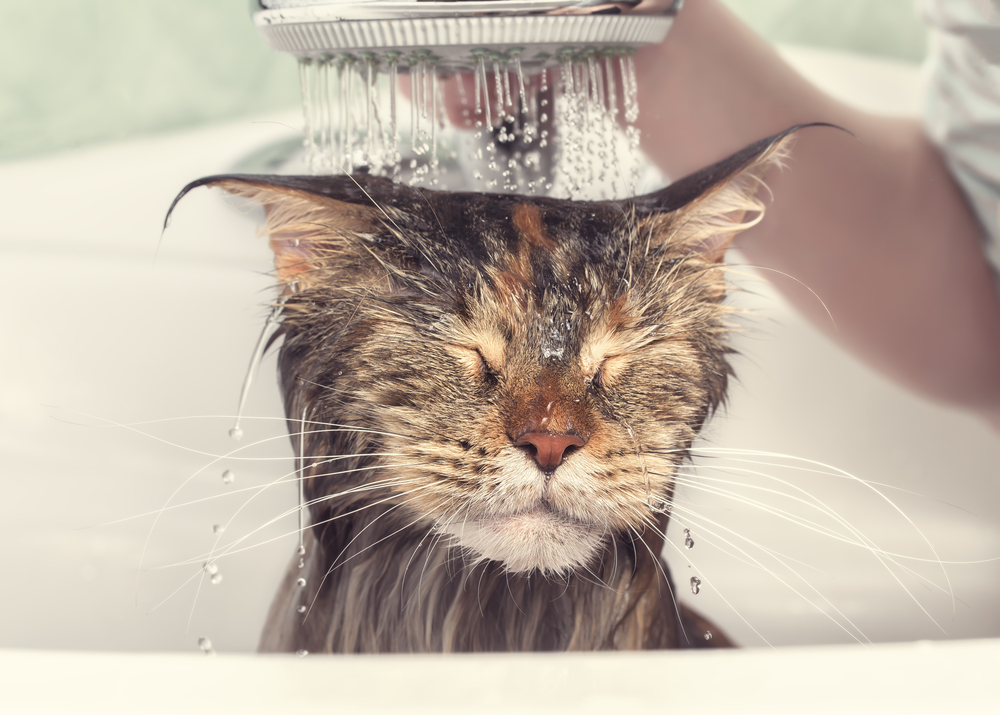
Image Source: vetericyn.com
Deciphering Your Cat’s Grooming Needs
Cats spend a significant portion of their day grooming. This isn’t just about looking good; it’s a vital part of their well-being. Their saliva contains enzymes that help break down dirt and debris, and their barbed tongues are adept at removing loose hairs, preventing hairballs and maintaining a healthy coat. This natural cleaning process is highly efficient.
The Role of Natural Oils
A cat’s skin produces natural oils that are crucial for a healthy, shiny coat. These oils help to moisturize the skin, repel water, and protect the fur from damage. Regular bathing, especially with harsh shampoos, can strip away these beneficial oils, leading to dry, flaky skin and a dull coat. This is why cat bathing frequency should be approached with caution.
When Bathing Becomes Necessary
While most cats are diligent groomers, there are specific circumstances where bathing might be recommended by a veterinarian. These situations are the exception, not the rule, when considering domestic cat bathing.
Accidental Exposure to Toxins
If your cat has come into contact with something toxic, sticky, or irritating – like paint, grease, oil, or certain chemicals – a bath might be necessary to prevent them from ingesting the substance while grooming. In such cases, prompt bathing is crucial.
Severe Matting or Dirt
For cats that have become extremely dirty or developed severe matting that they cannot manage themselves (often due to age, illness, or obesity), a bath can help remove the offending matter. This is particularly relevant for bathing long-haired cats, who are more prone to matting.
Medical Conditions
Certain skin conditions, such as ringworm, flea infestations, or severe allergies, may require medicated baths as part of a veterinary treatment plan. Your veterinarian will advise on the specific type of shampoo and the frequency of bathing needed for these conditions. Bathing cats for health reasons should always be done under veterinary guidance.
Older or Arthritic Cats
As cats age, they may develop arthritis or other mobility issues that make it difficult for them to reach all parts of their body to groom effectively. In these instances, occasional baths or spot-cleaning might be helpful to maintain cleanliness.
Cat Grooming: Beyond the Bath
Understanding your cat’s cat grooming needs involves more than just how often to bathe them. Regular brushing is a far more important and beneficial grooming activity for most indoor cats.
The Power of Brushing
Regular brushing offers numerous benefits for your cat and can significantly reduce the need for baths.
- Reduces Shedding: Brushing removes loose fur before it ends up on your furniture or in your cat’s stomach (leading to hairballs).
- Prevents Mats: Especially for long-haired breeds, regular brushing is essential to prevent painful mats from forming. Mats can pull at the skin, causing discomfort and irritation, and in severe cases, can restrict blood flow.
- Distributes Natural Oils: Brushing helps to spread the natural oils produced by the skin throughout the coat, promoting a healthy sheen and preventing dryness.
- Bonding Time: Brushing sessions can be a positive bonding experience for you and your cat, building trust and providing an opportunity to check for any lumps, bumps, parasites, or skin issues.
- Stimulates Circulation: The gentle massage from brushing can improve blood circulation to the skin.
Choosing the Right Brush
The type of brush you use depends on your cat’s coat length and type:
- For Short-Haired Cats: A bristle brush, grooming mitt, or a fine-toothed comb can be effective.
- For Long-Haired Cats: A slicker brush, an undercoat rake, or a wide-toothed metal comb are usually best. Be gentle and work through tangles carefully.
Establishing a Cat Bathing Schedule (or Lack Thereof)
The concept of a strict cat bathing schedule is generally not applicable to most healthy indoor cats. Instead, think of bathing as an occasional event driven by necessity, rather than routine. If you find yourself needing to bathe your cat more than once every few months, it might be a sign of an underlying issue that warrants a discussion with your veterinarian.
Signs Your Cat Might Need a Bath
While not a strict schedule, there are a few indicators that might suggest a bath is in order:
- Unpleasant Odor: If your cat develops a persistent, unusual smell that isn’t the typical “cat smell.”
- Visible Dirt or Grime: If they’ve gotten into something sticky, greasy, or visibly dirty that they can’t clean themselves.
- Excessive Oiliness: If their coat feels unusually greasy or matted due to a lack of self-grooming.
- Flea or Parasite Infestation: As mentioned, medicated baths may be needed for treatment.
Cat Bathing Best Practices: Making it a Smoother Experience
If a bath is necessary, approaching it calmly and with proper preparation can make the experience less stressful for both you and your cat. These cat bathing best practices are key to a successful outcome.
Preparation is Key
- Gather Supplies: Before you even bring your cat into the bathing area, have everything ready: a non-slip mat for the tub or sink, cat-specific shampoo (never human shampoo, as it has the wrong pH level), towels, and treats.
- Trim Nails: Trim your cat’s nails a day or two before the bath to minimize the risk of scratches.
- Brush Thoroughly: Brush your cat well before the bath to remove loose fur and any existing tangles, especially for long-haired breeds.
- Choose the Right Location: A sink or a small tub is often better than a large bathtub, as it feels less overwhelming for the cat. A laundry sink can also work.
- Warm Water: Ensure the water is lukewarm – not too hot and not too cold. Test it on your wrist.
During the Bath
- Be Calm and Gentle: Speak in a soft, reassuring voice. Move slowly and deliberately. Avoid sudden movements.
- Use a Gentle Shampoo: Opt for a mild, tear-free cat shampoo.
- Avoid the Face: Never pour water directly onto your cat’s face. Use a damp washcloth to gently clean around their eyes, ears, and nose if needed.
- Rinse Thoroughly: It’s crucial to rinse all shampoo residue from their coat. Leftover shampoo can irritate the skin.
- Keep it Brief: Aim to complete the bath as quickly and efficiently as possible.
After the Bath
- Towel Dry: Gently wrap your cat in a soft towel and pat them dry. Avoid vigorous rubbing, which can cause mats to form. You might need several towels to absorb most of the moisture.
- Warm Environment: Keep your cat in a warm room until they are completely dry, especially in cooler weather, to prevent them from catching a chill.
- Discourage Grooming Immediately: Try to prevent your cat from grooming themselves extensively right after the bath, as their wet fur can be prone to tangling.
- Positive Reinforcement: Offer praise and a special treat or toy after the bath to create a more positive association for the future.
Frequently Asked Questions About Cat Baths
Q1: Can I use human shampoo on my cat?
No, it is strongly advised against using human shampoo on cats. Human shampoos have a different pH balance than what is suitable for a cat’s skin and coat. Using human shampoo can strip natural oils, leading to dryness, irritation, and potential skin infections. Always use a shampoo specifically formulated for cats.
Q2: My cat hates water. How can I make bathing easier?
Many cats dislike water. Start by getting them accustomed to the bathroom environment and the presence of water without actually bathing them. You can put treats or toys in the dry tub or sink. When it’s time for a bath, ensure you are calm, prepare everything beforehand, and work quickly and gently. Positive reinforcement with treats and praise afterwards is essential. For extremely fearful cats, a professional groomer or veterinary assistance might be necessary.
Q3: How do I handle mats when bathing my cat?
It’s best to detangle mats before bathing, especially for bathing long-haired cats. If a mat is very tight or close to the skin, it might be best to carefully snip it out with blunt-nosed scissors or a de-matting tool. Never attempt to bathe a severely matted cat, as the water can tighten the mats, making them even harder to remove and potentially causing significant discomfort to the cat. Consult a groomer or vet if you are unsure how to safely remove mats.
Q4: Are there alternatives to full baths for keeping my cat clean?
Yes, absolutely! For most indoor cat hygiene needs, alternatives are far more practical and less stressful:
- Regular Brushing: This is the most effective way to keep your cat’s coat clean and healthy.
- Pet Wipes: Hypoallergenic, pet-safe wipes can be used to spot-clean small areas of dirt or dander.
- Dry Shampoo: There are dry shampoos for cats available, though they should be used sparingly and according to product instructions.
- Professional Grooming: For cats that truly require bathing due to medical reasons or severe matting, professional groomers are experienced in handling reluctant bathers and using appropriate techniques.
Q5: How often should I bathe my kitten?
Kittens generally do not need baths unless they get into something dirty. Their mothers typically keep them clean. If a bath is necessary, use a very mild, kitten-specific shampoo and keep the experience brief and positive. As with adult cats, their grooming instincts are usually sufficient for maintaining cleanliness.
Final Thoughts on Cat Bathing Frequency
In conclusion, the answer to how often to wash a cat is usually “as little as possible.” Your indoor cat is likely capable of maintaining its own cleanliness through diligent self-grooming. Prioritize regular brushing as the primary method of cat grooming, and reserve bathing for specific situations where it is medically necessary or your cat has gotten into something unmanageable. Always consult your veterinarian if you have concerns about your cat’s hygiene or coat health. By respecting their natural instincts and providing appropriate care, you can ensure your feline companion remains healthy and happy.