
Does your cat seem to shy away when you try to pick them up? Many cat owners wonder, “Why does my cat not like being held?” The answer is not a simple one, as it’s a complex interplay of genetics, personality, experiences, and species-specific communication. Feline handling tolerance and independence are key factors. While some cats are natural cuddlers, others find being held a stressful experience. This article delves into the reasons behind this behavior, exploring the nuances of cat social behavior, stress signals, and how to foster a more comfortable relationship.
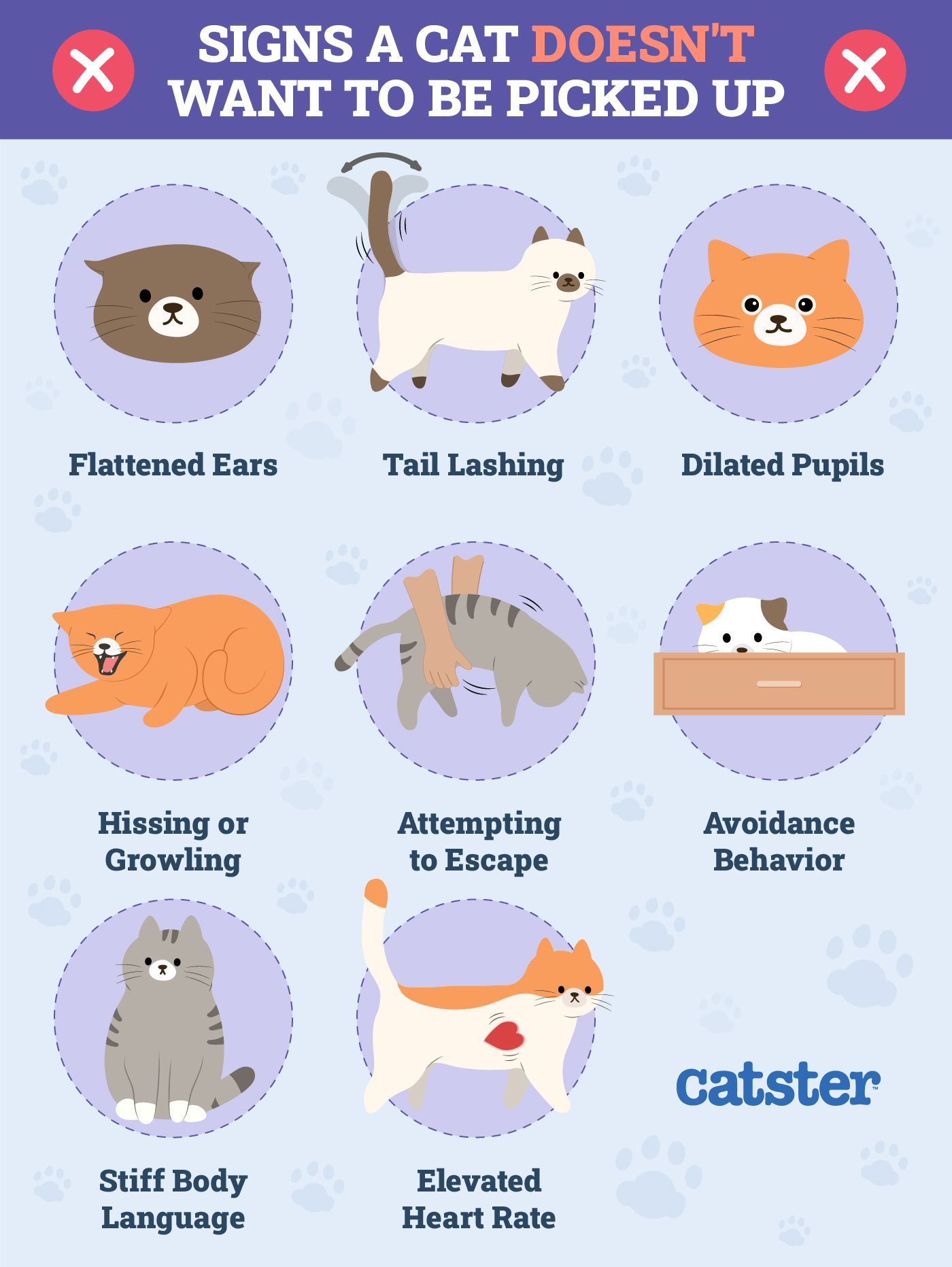
Image Source: www.catster.com
Cat Aversion to Petting and Handling: More Than Just Stubbornness
It’s a common misconception that cats who dislike being held are unloving or ungrateful. In reality, a cat aversion to petting or being held often stems from deeply ingrained instincts and learned behaviors. Unlike dogs, who have been selectively bred for millennia to be companions and often enjoy physical affection, cats retain much of their wild ancestry, where direct physical restraint could be a threat.
The Instinctual Basis of Feline Handling Tolerance
- Predator and Prey Dynamics: In the wild, a cat’s ability to escape quickly is crucial for survival. Being lifted off the ground removes their footing and mobility, making them feel vulnerable, much like a prey animal would. Even though domestic cats are safe, this instinct remains.
- Control and Autonomy: Cats are territorial and value control over their environment and their bodies. Being held against their will can feel like a loss of autonomy, which is a significant stressor for them.
- Sensory Overload: A cat’s senses are incredibly acute. Being held tightly can sometimes lead to sensory overload, especially if they are not accustomed to it or if the pressure is too much.
Factors Influencing Cat Comfort with Being Held
Several elements contribute to a cat’s individual comfort with being held.
- Early Socialization: Kittens who are gently handled and exposed to different types of touch from a young age are more likely to develop positive associations with being held. Lack of early socialization can lead to apprehension.
- Cat Personality Types: Just like humans, cats have distinct personalities. Some are naturally more outgoing and tolerant of physical contact, while others are more reserved and independent.
- Past Trauma: A cat that has experienced negative handling, rough treatment, or abuse in the past may develop a strong cat fear of being picked up or held. This trauma can create lasting anxiety around physical restraint.
Deciphering Cat Social Behavior and Affection
To truly grasp why your cat might not enjoy being held, we need to look at their broader cat social behavior. Cats express affection in ways that are often subtle and different from canine companions.
Forms of Feline Affection Beyond Being Held
- Slow Blinks: A slow blink is often called a “cat kiss” and signifies trust and relaxation.
- Head Bunting and Rubbing: When a cat rubs its head or body against you, it’s marking you with its scent, a sign of belonging and affection.
- Purring: While purring can indicate contentment, it can also be a self-soothing mechanism when a cat is stressed or in pain. Context is important.
- Kneading: The “making biscuits” behavior, or kneading, is often a remnant of kittenhood when they kneaded their mother’s belly for milk. It’s a sign of comfort and happiness.
- Tail Positions: A tail held high with a slight curl at the tip often indicates a friendly and happy mood.
- Sitting Near You or Sleeping On You: Simply choosing to be in your presence or resting on you is a significant display of trust and affection.
It’s crucial to recognize and appreciate these non-verbal cues. Your cat might be showing you love in ways that don’t involve being cradled in your arms.
Fathoming Feline Handling Tolerance: Gradual Introduction is Key
Building positive experiences with handling requires patience and a deep respect for your cat’s boundaries. This is where understanding feline handling tolerance becomes paramount.
Building Trust and Positive Associations
- Start Slowly: Never force your cat to be held. Begin by offering gentle petting when they are relaxed.
- Observe Their Signals: Pay close attention to your cat’s body language. Signs of discomfort include flattened ears, a twitching tail, dilated pupils, or tense body posture.
- Short, Positive Sessions: If your cat allows petting, try gently stroking them for short periods. End the session before they show signs of stress.
- Pairing with Rewards: Associate handling with positive reinforcement. Offer a favorite treat or a beloved toy immediately after a brief, positive handling experience.
- Let Them Come to You: Encourage your cat to initiate contact by sitting on the floor and offering your hand. Let them approach and rub against you.
Respecting Cat Boundary Setting
Every cat has their limits. Learning to recognize and respect your cat’s cat boundary setting is fundamental to a good relationship.
- Don’t Chase: If your cat moves away, let them go. Chasing can increase their anxiety and reinforce their belief that you are a threat.
- Avoid Sudden Movements: Approach your cat calmly and avoid sudden grabs or movements that might startle them.
- Recognize Overstimulation: Even a cat that enjoys petting can become overstimulated. If they start to flatten their ears or swat at you, it’s time to stop.
- Respect Their “No”: If your cat actively tries to get away or shows clear signs of distress, respect that they do not want to be held at that moment. Forcing them will only damage trust.
Interpreting Cat Stress Signals and Fear of Being Picked Up
Understanding your cat’s body language is vital to avoid causing them undue stress. A cat fear of being picked up can manifest in various subtle and not-so-subtle ways.
Common Cat Stress Signals
- Vocalization: Hissing, growling, or yowling are clear indicators of distress.
- Body Posture: A hunched back, tucked tail, or dilated pupils can signal fear or anxiety.
- Ears: Ears flattened against the head or flicking rapidly can indicate agitation.
- Tail: A thrashing or twitching tail often means your cat is annoyed or stressed.
- Hiding: A cat that suddenly starts hiding more than usual may be experiencing stress.
- Changes in Grooming: Excessive grooming or a lack of grooming can be signs of stress.
- Elimination Issues: Urinating or defecating outside the litter box is a significant stress indicator.
When it comes to being picked up, a cat might:
- Freeze: Become stiff and unmoving.
- Squirm or Wriggle: Actively try to escape your grasp.
- Arch Their Back: Push away from your body.
- Lash Out: Swat or bite if they feel trapped.
Exploring Cat Personality Types and Their Impact on Handling
Just as humans have different preferences, so do cats. Recognizing your cat’s individual cat personality types can help you tailor your approach to handling.
Common Personality Traits
| Personality Type | Description | Likelihood of Enjoying Being Held | Recommended Approach |
|---|---|---|---|
| The Social Butterfly | Confident, outgoing, seeks interaction, often enjoys petting and being held. | High | Can often tolerate being held, but always be mindful of their cues. |
| The Cautious Observer | Reserved, prefers to watch from a distance, may approach for brief interactions but is easily startled. | Low | Focus on gentle petting and interaction on their terms. Holding may be a long-term goal, built very gradually. |
| The Independent Spirit | Self-sufficient, may enjoy company but on their own terms, can be playful but often prefers not to be physically restrained. | Moderate | Respect their space. Offer interaction through play and gentle petting when they are receptive. Holding should be brief and initiated by the cat. |
| The Affectionate Lap Cat | Seeks out physical contact, enjoys being close, purrs frequently, and often likes being held. | Very High | May enjoy being held, but still pay attention to their cues to ensure they don’t become overstimulated. |
| The Sensitive Soul | Easily overwhelmed by loud noises, sudden movements, or intense interaction. May be more prone to anxiety. | Very Low | Requires extreme patience and a gentle, predictable approach. Focus on creating a calm environment and building trust through very subtle interactions. |
Impact on Handling Tolerance
A cat’s personality significantly influences their feline handling tolerance. A naturally independent or cautious cat will likely require much more time and a gentler approach to become comfortable with being held than a naturally social or affectionate cat.
The Shadow of Cat Past Trauma: Healing and Trust-Building
For cats who have experienced cat past trauma, regaining trust and comfort with handling can be a challenging but rewarding journey.
Recognizing Signs of Past Trauma
- Extreme Fear: Intense fear responses to common handling or even the sight of hands.
- Defensive Aggression: Reacting with aggression (biting, scratching) when approached or touched.
- Avoidance: Constantly hiding or fleeing from human interaction.
- Hypervigilance: Being constantly on edge, easily startled by sounds or movements.
- Displacement Behaviors: Excessive grooming, lip-licking, or yawning in social contexts.
Strategies for Healing and Building Trust
- Patience is Key: This is the most important factor. Healing takes time, and setbacks are possible.
- Safe Space: Ensure your cat has a secure place to retreat where they will not be disturbed.
- Positive Reinforcement: Use high-value treats and praise for any brave steps they take towards interacting with you.
- Controlled Interactions: Keep initial interactions short and positive. Let the cat dictate the pace.
- Avoid Punishment: Never punish a cat for fear-based reactions. This will only worsen their anxiety and damage trust.
- Enrichment: Provide plenty of environmental enrichment, such as puzzle feeders, climbing structures, and interactive toys, to help reduce overall stress.
- Professional Help: If you suspect significant past trauma, consult a veterinarian or a certified cat behaviorist for guidance.
Practical Tips for Improving Cat Comfort with Being Held
If your goal is to increase your cat’s comfort with being held, here are some actionable steps you can take, always prioritizing their well-being.
Gradual Acclimation Techniques
- The “Sit and Pet” Method: Simply sit on the floor with your cat. Let them come to you. When they are near, offer gentle pets, focusing on areas they generally enjoy, like their cheeks or behind the ears.
- The “Lift and Lower” Technique: If your cat tolerates being petted calmly, try gently placing one hand under their chest and the other under their hindquarters. Support their body weight. Hold them for just a second, then immediately lower them back to the ground and offer a treat. Gradually increase the duration by a second or two over many sessions.
- The “Lap Visit”: Encourage your cat to sit on your lap voluntarily. This is a step before lifting. Offer treats and praise when they settle on your lap.
- Carrying with Confidence: When you do pick them up, do so with confidence and a calm demeanor. Avoid hesitant or jerky movements.
Creating Positive Handling Routines
- Link Handling with Rewards: Always have a high-value treat or their favorite toy ready to offer immediately after a handling session, even if it was very brief.
- Routine Petting: Integrate petting into your daily routine, perhaps during meal times or when you are relaxing.
- Grooming as Bonding: Gentle brushing can be a great way to build tolerance for touch. Start with short sessions and reward them.
When to Seek Professional Help
While most cases of cats disliking being held are manageable with patience and understanding, there are times when professional intervention is recommended.
Indicators for Seeking Expert Advice
- Severe Aggression: If your cat displays intense aggression that poses a risk to you or others.
- Sudden Behavioral Changes: A previously cuddly cat that suddenly becomes averse to all handling might be experiencing a medical issue.
- Persistent Anxiety: If your cat shows continuous signs of stress and anxiety despite your best efforts.
- Trauma-Related Behaviors: If you suspect your cat has a history of abuse or severe neglect.
A veterinarian can rule out any underlying medical conditions. A certified cat behaviorist can provide tailored strategies for your specific cat and situation, focusing on behavior modification and building trust.
Frequently Asked Questions (FAQ)
Q1: Can I ever get my cat to like being held if they don’t now?
A1: Yes, it’s often possible to improve your cat’s comfort with being held, but it requires immense patience, positive reinforcement, and a deep respect for their boundaries. Not all cats will become avid cuddlers, but many can learn to tolerate or even enjoy brief periods of being held.
Q2: How can I tell if my cat is stressed when I’m trying to hold them?
A2: Look for signs like flattened ears, dilated pupils, a twitching or thumping tail, stiffening of the body, hissing, growling, or trying to escape your grasp. Any of these indicate they are uncomfortable.
Q3: Is it okay to let my cat be independent and not hold them if they don’t like it?
A3: Absolutely. Respecting your cat’s preferences is crucial for a healthy relationship. Your cat can show affection and bond with you in many other ways. Forcing them to be held when they are uncomfortable can damage your bond.
Q4: My kitten loves being held, but my adult cat doesn’t. Is this normal?
A4: Yes, this is very normal. Kittens are generally more adaptable and have less developed instincts regarding restraint. Adult cats may have existing preferences, have had negative experiences, or simply possess a more independent personality.
Q5: What are the best ways to interact with a cat that doesn’t like being held?
A5: Focus on interactive play, offering treats, gentle petting when they initiate contact, slow blinking, and simply being present in the same room. Let your cat guide the interaction and respect their signals.
By taking the time to learn your cat’s individual preferences and respecting their boundaries, you can build a strong, loving relationship based on trust and mutual respect, even if they’re not a fan of being held.