
Collecting a cat urine sample for your veterinarian is a common requirement for diagnosing and treating feline health issues. Can you do it yourself at home? Yes, with the right approach and a bit of patience, obtaining a feline urinary sample is achievable. This guide will walk you through the essential steps for cat urine collection, ensuring you can get a clean cat pee sample for vet without undue stress for you or your feline friend. We’ll cover various methods for obtaining feline urine sample, troubleshooting common challenges, and what to do once you have the sample.
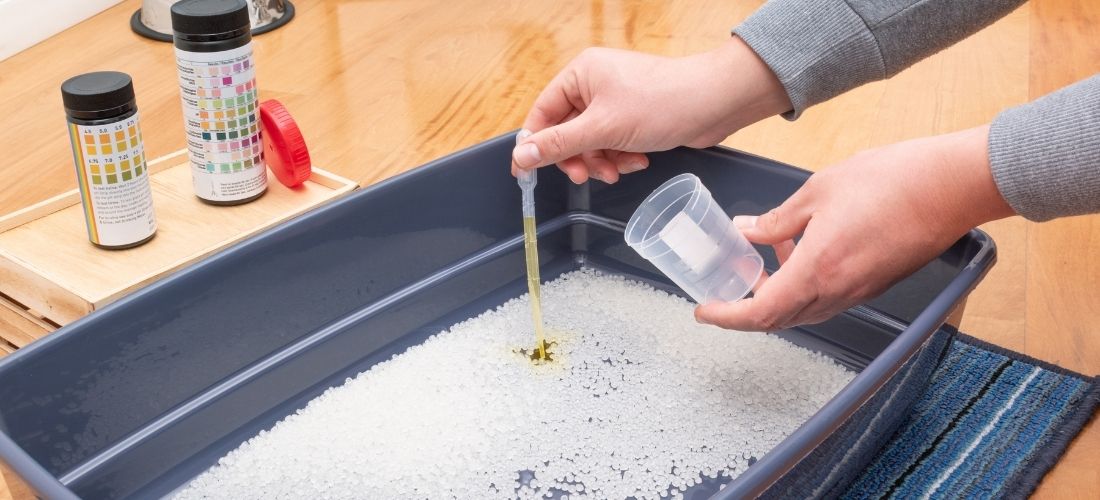
Image Source: www.pdsa.org.uk
Why Your Vet Needs a Cat Urine Sample
Your veterinarian may request a cat urine specimen for several critical reasons. Urinalysis is a powerful diagnostic tool that can reveal a great deal about your cat’s health. It helps in diagnosing conditions such as:
- Urinary Tract Infections (UTIs): Bacteria or inflammation in the urinary tract can be identified.
- Kidney Disease: Kidney function can be assessed by looking at waste products in the urine.
- Diabetes Mellitus: Glucose levels in the urine are a key indicator.
- Liver Disease: Certain byproducts of liver function can be detected.
- Crystals and Stones: The presence of crystals or stones can indicate predisposition to bladder stones.
- Bladder Inflammation (Cystitis): Blood or inflammatory cells in the urine point to this condition.
- Hydration Status: The concentration of urine provides clues about your cat’s hydration.
Obtaining a feline urine sample provides invaluable insights that can guide treatment and improve your cat’s quality of life.
Preparing for Cat Urine Collection
Success in how to collect cat urine hinges on preparation. Having the right supplies and a clear plan will make the process smoother.
Essential Supplies for Your Urine Sample Kit Cat
When you’re getting ready to collect a feline urinary sample, having the correct items on hand is crucial. Your vet might provide a specific urine sample kit cat or you can gather these common items:
- Sterile Collection Container: This is vital for preventing contamination. Your vet will likely provide a sterile cup with a lid. If not, a new, clean, leak-proof container from a pet store or pharmacy will work, though sterile is always best.
- Non-Absorbent Litter: Most cats won’t urinate in a litter box filled with their usual clumping litter if you’re trying to collect a sample. They will simply dig or avoid it. Veterinarians often recommend a special, non-absorbent litter (like plastic beads, sterile sand, or silica gel crystals) that allows urine to pool on the bottom. Ask your vet if they sell these or have recommendations.
- Plastic Syringe (without a needle): A 3ml or 5ml syringe is ideal for aspiration if direct collection from the litter box isn’t possible.
- Small, Shallow Container or Tray: This can be placed under the cat’s rear when they are in a clean litter box or carrier to catch urine.
- Gloves: For hygiene.
- Cat Carrier or Clean Litter Box: For easier collection.
- Freezer Bags or Ziploc Bags: For storing the sample if you can’t get it to the vet immediately.
- A Calm and Quiet Environment: Minimize stress for your cat.
Timing Your Collection
The best time to collect a urine sample is usually the first thing in the morning. Your cat’s bladder is typically fuller after a period of not urinating, increasing the chance of successful collection. However, if your vet needs a sample for a specific test, they may advise a different timing.
Methods for Obtaining Feline Urine Sample
There are several ways to approach how to collect cat urine. The best method for you will depend on your cat’s temperament and habits.
Method 1: The Litter Box Trick (Most Common)
This is often the most straightforward approach if your cat is cooperative.
Steps for Litter Box Collection:
- Clean the Litter Box Thoroughly: Remove all old litter and wash the litter box with mild soap and water. Rinse it very well and dry it completely. Any residue can contaminate the sample.
- Add Non-Absorbent Litter: Pour a layer of the special non-absorbent litter into the clean, dry box. Ensure there’s enough for your cat to feel comfortable.
- Place the Box Strategically: Put the box in your cat’s usual spot, or a quiet, familiar area where they feel safe and are likely to use it.
- Wait Patiently: Keep a close eye on your cat. When they go into the litter box and appear ready to urinate, be ready to act.
- Scoop the Urine: As soon as your cat finishes urinating, carefully scoop the urine from the non-absorbent litter into your sterile collection container. Try to collect a good amount, at least a few milliliters.
- Transfer to a Sterile Container: If you used a syringe, draw the urine directly from the pooled urine in the box. If you have a shallow tray underneath, use the syringe to suction it up.
- Secure the Lid: Immediately seal the sterile container tightly with its lid.
- Label and Refrigerate (if needed): Label the container with your cat’s name, the date, and time of collection. If you can’t take it to the vet within an hour or two, store it in the refrigerator.
Helpful Tips for This Method:
- Multiple Boxes: If you have multiple cats, use a separate clean box with the special litter for the cat you suspect needs a sample to avoid accidental collection from the wrong cat.
- Patience is Key: Don’t force your cat. If they seem stressed, try again later.
- Observe Habits: Try to collect when you know your cat typically urinates, such as after waking up or after a meal.
Method 2: Direct Collection via Syringe (Assisting Cat Urination)
This method is more invasive and requires more skill and your cat’s cooperation. It’s best for assisting cat urination when other methods fail or when a very clean sample is needed.
Steps for Syringe Collection:
- Prepare the Area: Have your sterile syringe and a clean, shallow container ready. A grooming table or a clean, flat surface can work.
- Gently Restrain Your Cat: Gently hold your cat, perhaps cradling them in your arms or using a towel. Ensure they feel secure.
- Identify the Urination Site: When your cat positions themselves to urinate, carefully bring the sterile syringe (without the needle) close to their vulva or penis.
- Collect the Urine: As they urinate, try to suction the urine directly into the syringe. This can be tricky and may require multiple attempts.
- Transfer to Container: Once you have collected enough urine in the syringe, carefully transfer it into the sterile collection container.
- Seal and Label: Securely lid the container and label it as described above.
Considerations for Syringe Collection:
- Cat’s Comfort: This method can be stressful for cats. If your cat is highly resistant or fearful, do not force them. Your vet can usually collect the sample more effectively.
- Practice: It may take a few tries to get the hang of it.
Method 3: Cystocentesis (Veterinary Procedure Only)
Important Note: Cystocentesis is a sterile procedure performed only by a veterinarian or qualified veterinary technician. It involves inserting a fine needle through the abdominal wall directly into the bladder to aspirate urine. This is the most sterile method and yields a cat bladder sample free from contamination, but it requires professional expertise.
If you are struggling to collect a sample at home, do not attempt this method. Contact your veterinarian for guidance or to schedule an appointment for them to collect it.
Troubleshooting Common Collection Issues
Sometimes, cat urine collection doesn’t go as planned. Here are some common problems and solutions:
Problem: My Cat Won’t Urinate in the Special Litter
- Solution: Ensure the litter box is absolutely clean and dry. Try a different type of non-absorbent litter if the first one doesn’t work. Some cats are very particular. Make sure the location is quiet and undisturbed. Try to simulate their normal toileting routine.
Problem: My Cat Urinates but I Can’t Collect Enough
- Solution: Be patient. Sometimes cats urinate very small amounts. If you have a syringe, try to collect every drop. If it’s still insufficient, you might need to try again later or on another day. Ensure you are not letting the urine soak into clumping litter if you are attempting that method (which is not recommended).
Problem: My Cat is Scared of the Litter Box with New Litter
- Solution: Introduce the new litter gradually if possible. You could place a small amount of the new litter on top of their regular litter for a day or two before cleaning the box and using only the new litter.
Problem: My Cat Won’t Let Me Near Them to Collect with a Syringe
- Solution: This is where your cat’s personality plays a big role. If your cat is highly anxious or aggressive about being handled, it’s best to rely on the litter box method or have your vet collect the sample. Forcing the issue can create lasting stress and make future vet visits more difficult.
Problem: I Accidentally Used Regular Litter
- Solution: If you realize you’ve used clumping litter and your cat has urinated, you likely won’t be able to get a clean sample. The clumping agents can interfere with the analysis. It’s best to start over with the correct litter.
What to Do After You Collect the Sample
Once you have the feline urinary sample, proper handling is crucial for accurate results.
Storing and Transporting the Sample
- Refrigeration: If you cannot deliver the sample to your veterinarian within one to two hours, store it in the refrigerator. Do not freeze it. Freezing can alter the urine’s composition, especially the crystal analysis.
- Delivery Time: Aim to deliver the sample to the vet as soon as possible, ideally within 6-12 hours of collection. The longer it sits, the more the components can degrade.
- Labeling: Always label the container with your cat’s name, the date, and the time of collection.
What Information to Provide Your Vet
When you drop off the sample, provide your veterinarian with as much information as possible:
- When was the sample collected? (Date and time)
- What method was used? (Litter box, syringe, etc.)
- What type of litter was used? (If applicable)
- How much urine was collected?
- Any recent changes in diet or water intake?
- Any changes in urination habits you’ve noticed? (Frequency, straining, accidents outside the box)
- Any behavioral changes?
This information helps the vet interpret the urinalysis results correctly.
Frequently Asked Questions About Cat Urine Collection
Here are some common questions cat owners have about collecting urine samples.
Can I use a plastic bag to collect cat urine?
While you could theoretically try to catch urine in a plastic bag, it’s generally not recommended. It’s very difficult to get a clean sample this way, and the plastic can leach substances into the urine. A sterile container or syringe is much preferred for accurate testing.
How much cat urine does the vet need?
The vet typically needs at least 1-2 milliliters of urine for a standard urinalysis. This is roughly equivalent to a few large drops. If you can collect more, it’s usually not a problem, but don’t stress if you only get a small amount.
My cat peed on the floor. Can I collect it from there?
If you find urine on a hard surface (like tile or linoleum) and can collect it very quickly (within minutes of it happening) into a sterile container using a syringe, it might be acceptable. However, urine on floors can absorb contaminants and degrade rapidly. It’s not ideal, and it’s much better to use the planned methods.
What if my cat is on medication?
If your cat is on medication, it’s crucial to inform your veterinarian before collection. Some medications can affect urinalysis results. They will advise you on whether to temporarily stop the medication before collection or how to account for it during interpretation.
How do I get a cat to pee on command?
You generally can’t train a cat to pee on command for a sample. The best approach is to create a conducive environment and be patient, using the methods described above to facilitate collection when your cat naturally needs to urinate.
Is it okay to use a disposable pee pad?
While you might be able to soak up urine from a pee pad, it’s not ideal for laboratory analysis. Pee pads are designed to absorb liquid and may contain chemicals that can interfere with test results. Stick to non-absorbent materials where urine can pool.
Conclusion: A Vital Step for Feline Health
Collecting a cat urine specimen is a crucial part of diagnosing and managing various feline health conditions. By following these detailed steps for cat urine collection, using the right supplies, and remaining patient, you can successfully obtain a feline urinary sample for your veterinarian. Remember, your vet is your best resource. If you encounter difficulties or your cat is too stressed, don’t hesitate to contact them for assistance. Your proactive approach to obtaining feline urine sample plays a significant role in ensuring your cat receives the best possible care.