
A healthy adult cat typically urinates once or twice a day, and defecates once a day. However, these numbers can vary. This guide will delve into the nuances of cat urination frequency, cat defecation habits, and what constitutes normal cat bowel movements. We’ll explore feline litter box habits, recognize signs of constipation in cats and signs of urinary issues in cats, discuss cat stool consistency, cat urine volume, and overall cat potty habits, providing a detailed look at cat toileting frequency.
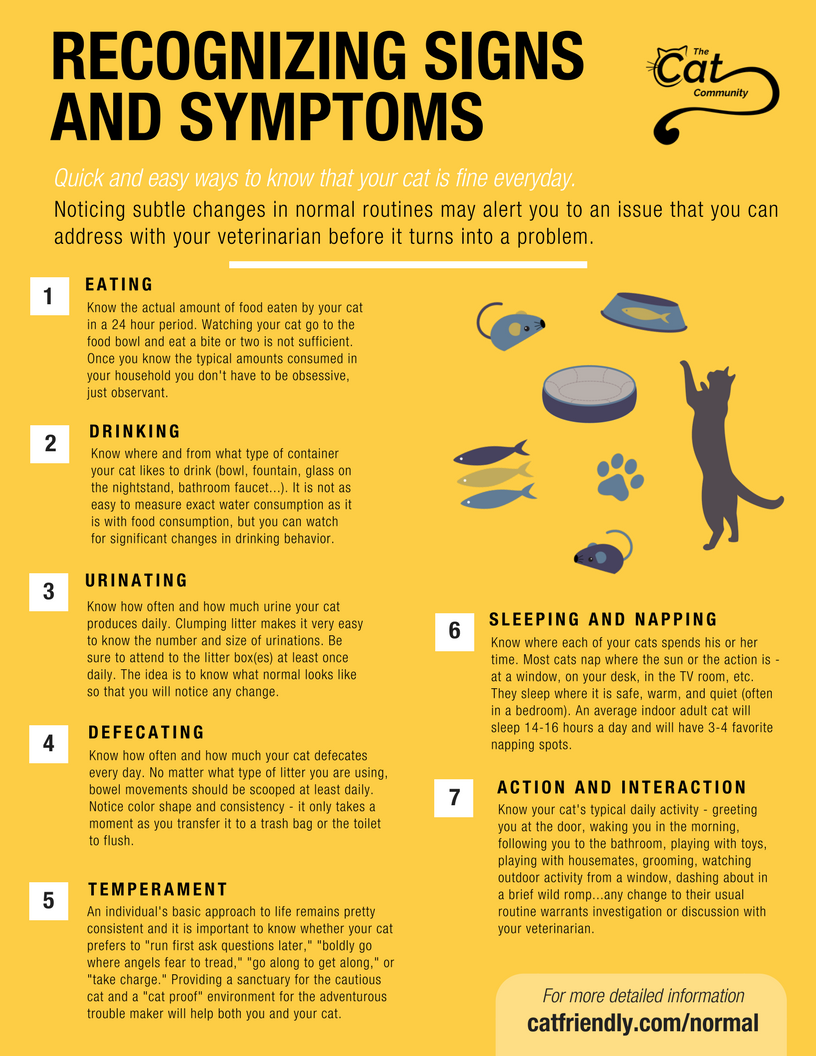
Image Source: catfriendly.com
Deciphering Your Cat’s Bathroom Routine
Your feline friend’s bathroom habits are a key indicator of their overall health. While there isn’t a single “perfect” schedule for every cat, there are certainly ranges and patterns that are considered normal. Deviations from these can sometimes be the first sign that something is amiss. Let’s break down what you should be observing.
The Frequency of Feline Urination
Cat urination frequency is influenced by several factors, including age, diet, water intake, and overall health. For a healthy adult cat, urinating once or twice a day is common. Kittens, due to their smaller bladders and developing systems, may need to go more often. Senior cats might also see changes in their urination patterns.
Factors Affecting Cat Peeing Frequency:
- Hydration: A cat that drinks more water will naturally urinate more. Dry food diets can lead to less frequent urination compared to those on wet food, as wet food contributes significantly to a cat’s daily water intake.
- Diet: Certain ingredients or types of food can influence urine production. For example, high-sodium diets might encourage increased water consumption and subsequent urination.
- Age: Kittens and senior cats may have different urination patterns than adult cats.
- Activity Level: More active cats might metabolize food differently, potentially impacting bladder habits.
- Medical Conditions: Urinary tract infections (UTIs), kidney disease, diabetes, and hyperthyroidism are just a few conditions that can drastically alter how often a cat urinates.
Typical Cat Urine Volume:
The amount of urine a cat produces can also vary. A healthy cat’s urine should be light yellow to amber in color. While exact volumes are hard to measure without special equipment, you can gauge if the amount seems significantly more or less than usual. A sudden, dramatic increase in cat urine volume could signal underlying issues like diabetes or kidney problems. Conversely, a noticeable decrease might point to dehydration or a blockage.
Gauging Cat Defecation Habits
Cat defecation habits are equally important to monitor. Most healthy adult cats will have a bowel movement once a day. However, some may go twice a day, while others might skip a day. Consistency and ease of passing stool are more critical than hitting an exact daily number.
What Constitutes Normal Cat Bowel Movements:
- Frequency: As mentioned, daily is typical, but a range is acceptable. What’s important is consistency for your individual cat.
- Consistency: Cat stool should be firm but pliable, like a well-formed log. It shouldn’t be excessively hard, dry, crumbly, or overly soft and watery. We’ll discuss cat stool consistency in more detail later.
- Ease of Passage: Your cat should be able to pass stool without straining or showing signs of discomfort.
Feline Litter Box Habits: What to Watch For
Feline litter box habits are your primary window into your cat’s toileting frequency and the health of their excretory system. Observing your cat’s behavior in and around the litter box can provide early clues if something is wrong.
Key Observations for Litter Box Habits:
- Frequency of Use: Is your cat using the box as often as they normally do?
- Amount of Urine/Feces: Does the amount of waste in the box seem normal for your cat?
- Straining or Difficulty: Does your cat seem to struggle to urinate or defecate? Are they posturing for long periods without results?
- Vocalization: Does your cat cry out or make unusual noises while in the litter box?
- Location Changes: Has your cat started avoiding the litter box or eliminating elsewhere in the house? This is a common sign of distress or medical issues.
- Cleanliness: Is the litter box clean? Cats are meticulous creatures and may avoid a dirty box.
Investigating Cat Stool Consistency
The appearance of your cat’s stool can tell you a lot about their digestive health. Examining cat stool consistency is a vital part of monitoring your pet.
Interpreting Cat Stool Consistency:
- Normal: Firm, log-shaped, moist enough to hold its form. It should be easy for your cat to pass.
- Constipation: Very hard, dry, crumbly stools. Your cat may strain significantly.
- Diarrhea: Loose, watery, or mushy stools. May be accompanied by urgency or accidents outside the box.
- Mucus or Blood: Small amounts of clear mucus might be normal, but significant mucus or any visible blood in the stool warrants immediate veterinary attention.
Recognizing Signs of Constipation in Cats
Signs of constipation in cats are typically observed around the litter box. Your cat may be:
- Straining: Spending a long time in the litter box, pushing hard, but producing little to no feces.
- Crying Out: Vocalizing during attempts to defecate.
- Producing Small, Hard Stools: If they do manage to pass stool, it’s often dry, hard, and small.
- Vomiting: In severe cases, constipation can lead to vomiting.
- Lethargy: A constipated cat may seem less active and more uncomfortable.
- Abdominal Discomfort: They might yelp or react negatively when their abdomen is touched.
Identifying Signs of Urinary Issues in Cats
Signs of urinary issues in cats can be more varied and often more urgent. If you notice any of the following, contact your veterinarian immediately:
- Frequent Urination (Pollakiuria): Urinating much more often than usual, often in small amounts.
- Straining to Urinate: Similar to straining to defecate, but focused on urination. This is a critical sign, especially in male cats, as it could indicate a life-threatening urinary blockage.
- Blood in Urine (Hematuria): Urine that appears pink, red, or bloody.
- Urinating Outside the Litter Box: Especially if they are trying to urinate in unusual places, like on cool surfaces.
- Pain or Vocalization During Urination: Crying out while in the litter box.
- Licking the Genital Area: Excessive licking can indicate irritation or pain.
- Decreased Urine Output: Producing very little urine or no urine at all, which is a medical emergency.
- Lethargy and Loss of Appetite: These are general signs of illness but can accompany urinary problems.
The Importance of Cat Potty Habits and Toileting Frequency
Your cat’s cat potty habits and their overall cat toileting frequency are crucial indicators of their well-being. By paying close attention to these daily routines, you can often catch potential health problems early.
Key Aspects of Feline Potty Habits:
- Routine: Cats are creatures of habit. A sudden change in their toileting routine – whether it’s how often they go, where they go, or the effort involved – warrants investigation.
- Hydration: Ensuring your cat has access to fresh water at all times is fundamental. If your cat doesn’t drink much, consider switching to wet food or using a pet drinking fountain.
- Litter Box Management: A clean, accessible litter box is essential. Most cats prefer unscented, clumping litter. The rule of thumb is one litter box per cat, plus one extra. The boxes should be scooped daily and fully cleaned regularly.
Factors Influencing Cat Toileting Frequency
Several elements contribute to how often your cat needs to relieve themselves. Let’s explore these in more detail.
Age-Related Changes
- Kittens: Young kittens have developing urinary and digestive systems. They will urinate and defecate more frequently than adult cats. It’s not uncommon for kittens to need to go every 2-4 hours. Housetraining can be a process, and accidents are more common.
- Adult Cats: As mentioned, adult cats typically fall into the once or twice a day for urination and once a day for defecation pattern, though variations exist.
- Senior Cats: Older cats can experience various health issues that affect their toileting. Kidney disease, arthritis (making it painful to get into the litter box), cognitive dysfunction, and other age-related ailments can lead to changes in frequency, accidents, or difficulty in the litter box.
Dietary Influences on Excretion
Your cat’s diet plays a significant role in their bathroom habits.
- Wet Food vs. Dry Food: Cats fed primarily wet food tend to urinate more because wet food has a high moisture content. This is generally beneficial for kidney and urinary tract health. Cats on a dry food diet will need to drink more water to stay adequately hydrated, which in turn can affect urination frequency.
- Fiber Content: The amount of fiber in a cat’s diet can influence their bowel movements. Adequate fiber helps maintain regular, soft stools. Too little fiber can contribute to constipation, while too much can lead to looser stools or more frequent defecation.
- Digestibility: Highly digestible foods are processed more efficiently, potentially leading to smaller, less frequent stools. Conversely, less digestible foods might result in larger, more frequent stools.
Hydration: The Cornerstone of Healthy Elimination
Adequate hydration is critical for both urinary and bowel health.
- Water Intake: Cats are naturally desert animals and often have a low thirst drive. This means they rely heavily on moisture from their food. If your cat primarily eats dry kibble, you must ensure they are drinking enough water.
- Signs of Dehydration: Lethargy, dry gums, sunken eyes, and loss of skin elasticity are signs of dehydration. A dehydrated cat will produce less urine, and their urine may be more concentrated and darker in color, increasing the risk of urinary crystals and stones.
Medical Conditions and Their Impact
Numerous medical conditions can alter a cat’s normal toileting frequency.
- Urinary Tract Infections (UTIs): Cause increased frequency of urination, straining, and pain.
- Kidney Disease: Can lead to increased thirst and urination as the kidneys struggle to concentrate urine.
- Diabetes Mellitus: Characterized by increased thirst and urination as the body tries to excrete excess sugar.
- Hyperthyroidism: Often leads to increased appetite, weight loss, and can sometimes cause changes in bowel habits, such as diarrhea or more frequent defecation.
- Inflammatory Bowel Disease (IBD): Can cause diarrhea, vomiting, and changes in stool consistency.
- Obstipation: A severe form of constipation where the cat cannot pass feces at all.
- Irritable Bowel Syndrome (IBS): Can cause fluctuating bowel habits, including diarrhea and constipation.
- Parasites: Intestinal parasites can cause diarrhea, vomiting, weight loss, and changes in defecation frequency.
Environmental and Behavioral Factors
Even a cat’s environment and emotional state can influence their bathroom habits.
- Stress and Anxiety: Stress can manifest in various ways in cats, including changes in litter box habits. Some cats may become constipated, while others may develop diarrhea or start eliminating outside the box. Major changes like moving house, the introduction of a new pet or person, or even loud noises can trigger stress.
- Litter Box Issues:
- Cleanliness: A dirty litter box is a major deterrent.
- Type of Litter: Some cats are very particular about the texture and scent of their litter.
- Location: A litter box placed in a high-traffic area, near noisy appliances, or where the cat feels trapped can lead to avoidance.
- Number of Boxes: Insufficient litter boxes can cause stress and territorial disputes.
- Type of Box: Some cats dislike covered boxes or boxes with high sides.
When to Seek Veterinary Advice
While variations are normal, certain changes in your cat’s toileting frequency or habits warrant immediate veterinary attention.
Red Flags for Urinary Issues
- Straining to urinate with little or no urine output. This is particularly critical for male cats and can indicate a life-threatening urinary blockage.
- Blood in the urine.
- Sudden onset of frequent, painful urination.
- Complete inability to urinate.
Red Flags for Bowel Issues
- Complete inability to defecate for more than 24-48 hours.
- Severe straining during defecation.
- Vomiting along with constipation.
- Blood or mucus in the stool.
- Diarrhea that persists for more than 24-48 hours or is severe.
General Signs of Illness
Any significant change in your cat’s overall behavior, such as lethargy, loss of appetite, vomiting, or hiding, in conjunction with changes in their bathroom habits, should be reported to your veterinarian.
Practical Tips for Monitoring Your Cat’s Habits
Regularly observing your cat’s toileting behavior can help you identify problems early.
- Daily Litter Box Scooping: This not only keeps the box clean but allows you to see the quantity and consistency of urine and feces.
- Monitor Water Intake: Note if your cat is drinking significantly more or less than usual.
- Observe Behavior: Pay attention to any signs of discomfort, straining, or vocalization around the litter box.
- Keep a Log: If you’re concerned about changes, keeping a log of your cat’s bathroom activities can be very helpful for your vet.
Frequently Asked Questions About Cat Bathroom Habits
How many times a day should a cat pee?
A healthy adult cat typically urinates once or twice a day. However, this can vary based on diet, water intake, and individual physiology. Kittens may urinate more frequently.
What is considered normal cat stool consistency?
Normal cat stool should be firm but pliable, like a well-formed log. It should hold its shape and not be overly dry, crumbly, or watery.
Can diet affect how often my cat poops?
Yes, diet significantly influences a cat’s bowel movements. Fiber content, digestibility, and moisture levels in food can all impact the frequency and consistency of stools.
What does it mean if my cat is straining to pee?
Straining to pee, especially if little or no urine is produced, is a serious medical emergency, particularly in male cats. It can indicate a urinary blockage that requires immediate veterinary intervention.
My cat is peeing outside the litter box. What could be wrong?
Peeing outside the litter box can be a sign of a medical issue (like a UTI or bladder stones), stress, anxiety, or a problem with the litter box itself (cleanliness, location, type of litter).
How often should I clean the litter box?
Litter boxes should be scooped at least once daily, and ideally twice. A full litter change and box wash should be done regularly, typically every 1-4 weeks depending on the litter type and number of cats.
By staying informed and observant, you can ensure your feline companion maintains healthy cat potty habits and address any potential health concerns promptly.