
Can you permanently get rid of cat pee smell in furniture? Yes, you can, by thoroughly cleaning the affected area with the right products and techniques to neutralize the odor-causing components of cat urine. This guide will walk you through how to eliminate cat urine odor and remove cat pee stains from your furniture, ensuring your home smells fresh and inviting again.
Cat urine is notoriously difficult to remove. It’s not just about the smell; it’s about the powerful uric acid crystals that form when the urine dries. These crystals are water-insoluble and reactivate with humidity, releasing that pungent ammonia smell all over again. If you’re dealing with a persistent feline marking issue, you know how frustrating it can be to find that familiar, unpleasant odor resurfacing even after you thought you’d cleaned it. This guide is your ultimate resource for tackling cat pee in furniture, from identifying the problem to preventing future accidents.
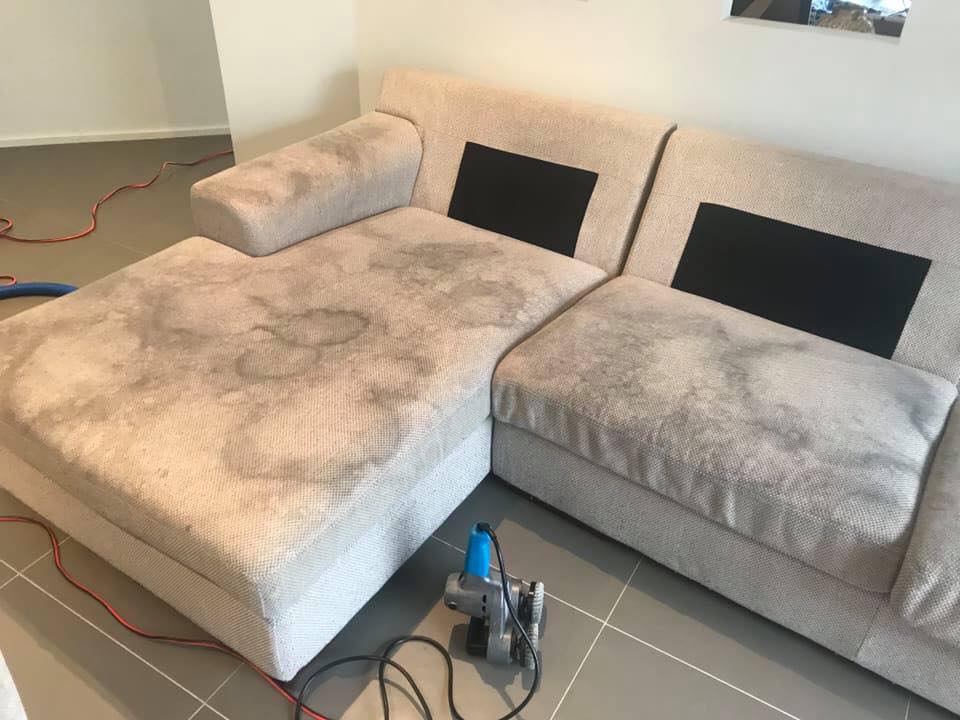
Image Source: terryscarpetcleaning.com
Why Cat Urine is So Stubborn
To truly eliminate cat urine odor, we need to grasp why it’s so persistent. Cat urine contains uric acid, which crystallizes upon drying. Unlike regular dirt or spills, these crystals don’t dissolve easily with water or regular cleaners. They lie dormant until moisture in the air (like humidity or even a subsequent cleaning attempt) reactivates them, releasing the foul smell. This is why often you might think you’ve cleaned a spot, only for the smell to return days or weeks later.
The Chemistry of Cat Pee
- Uric Acid: This is the primary culprit behind the lingering odor. It’s a salt that is not water-soluble.
- Ammonia: Initially, cat urine smells strongly of ammonia. As it breaks down, it can turn into other compounds, including thiols, which are responsible for the particularly unpleasant “cat pee” smell.
- Proteins and Bacteria: These contribute to the breakdown process and can also cause staining and further odor development.
Identifying the Affected Areas
Before you can begin freshening furniture from cat pee, you must accurately locate all the soiled spots. Cats are creatures of habit, and they often urinate in the same or similar areas.
Signs of Cat Pee on Furniture
- Visual Clues: Look for discoloration or darkening of the fabric. However, sometimes there are no visible stains, especially on darker fabrics.
- Odor Detection: This is the most obvious sign. Sniff test areas around your furniture.
- Blacklight Test: A UV blacklight is an invaluable tool. Cat urine stains will glow a greenish-yellow or blue under a blacklight, revealing even old or hidden spots. Turn off the lights, shine the blacklight over your furniture, and mark any glowing areas.
What to Do If You Can’t Find the Spot
If you’re struggling to pinpoint the source, try a systematic approach:
- Follow Your Nose: Move slowly around your furniture, sniffing for the strongest scent.
- Consider Habits: Think about where your cat spends most of its time or areas they might be stressed or marking.
- Isolate Sections: If you have a large sectional sofa, try to isolate sections to identify the problematic part.
Step-by-Step Guide to Removing Cat Pee Smell and Stains
Once you’ve identified the affected areas, it’s time for action. This process requires patience and the right products to truly remove cat pee stains and eliminate cat urine odor.
Step 1: Blotting Up Fresh Urine (If Applicable)
If you catch your cat in the act or notice a fresh accident:
- Act Fast: The quicker you blot, the less urine will soak into the upholstery.
- Use Absorbent Materials: Grab clean paper towels or a thick cloth.
- Blot, Don’t Rub: Press down firmly on the wet spot to absorb as much liquid as possible. Continue replacing the paper towels until no more moisture is absorbed. Avoid rubbing, as this can spread the urine and push it deeper into the fibers.
Step 2: Choosing the Right Cleaning Solution
This is where most people go wrong. Water alone won’t break down the uric acid. You need a specialized cat urine neutralizer or enzyme cleaner for pet stains.
Enzymatic Cleaners: The Gold Standard
Enzyme cleaners for pet stains work by using beneficial bacteria and enzymes to break down the organic molecules in urine, effectively eliminating the odor at its source. This is crucial for permanent odor removal.
- How They Work: The enzymes “eat” the waste products, converting them into odorless substances like carbon dioxide and water.
- What to Look For: Ensure the product specifically states it’s an “enzymatic cleaner” and is designed for pet stains and odors. Many are formulated as a pet odor remover.
DIY Cat Pee Smell Removal Options
While commercial enzymatic cleaners are often the most effective, some DIY methods can help in a pinch. However, be cautious, as some can mask odors temporarily or even set stains.
- Vinegar Solution: Mix equal parts white vinegar and water. Vinegar is acidic and can help neutralize ammonia odors.
- Pros: Readily available, inexpensive.
- Cons: May not break down uric acid crystals effectively, can leave a vinegar smell that also needs dissipating.
- Baking Soda: Baking soda is a natural odor absorber.
- Pros: Safe, effective for absorbing odors.
- Cons: Primarily an absorber, not a neutralizer of the source.
- Hydrogen Peroxide (Use with Caution): A mixture of hydrogen peroxide, baking soda, and a little dish soap can be effective.
- Pros: Can break down stains and odors.
- Cons: Potential to bleach fabrics. Always test on an inconspicuous area first.
What to Avoid
- Ammonia-Based Cleaners: Cat urine already contains ammonia. Using ammonia-based cleaners can actually intensify the smell, attracting your cat back to the same spot.
- Steam Cleaners (Initially): Heat from steam cleaners can permanently set protein stains and bond them to the fabric, making them even harder to remove and potentially making the odor more permanent. Only use a steam cleaner after you are confident that all urine components have been neutralized.
Step 3: Applying the Cleaner
Proper application is key to ensuring the cleaner reaches all the urine-soaked fibers.
For Upholstered Furniture
- Pre-Treatment (Optional but Recommended): If the stain is old or you suspect deep saturation, you might need to flush the area first. You can use a small amount of the vinegar solution or a specialized pet urine pre-treatment.
- Apply the Enzymatic Cleaner:
- Saturate Thoroughly: Pour or spray the enzymatic cleaner generously onto the affected area. The cleaner needs to soak as deeply as the urine did, often down to the padding or even the frame of the furniture. Don’t be shy with the product!
- Allow Dwell Time: Check the product instructions. Most enzymatic cleaners require several minutes to hours to work. Some recommend covering the area with plastic wrap to keep it moist and active for longer.
- Blot Again: After the recommended dwell time, blot the area with clean cloths or paper towels to absorb excess moisture and loosened contaminants.
- Air Dry: Allow the furniture to air dry completely. This can take 24-48 hours or longer, depending on the humidity and how saturated the fabric was. Good ventilation (open windows, fans) can speed up the process.
- Repeat if Necessary: For stubborn or old stains, you might need to repeat the enzymatic cleaning process multiple times.
For Leather Furniture
Leather is different. You need products specifically designed for leather to avoid damage.
- Blot Fresh Urine: Use a clean, absorbent cloth immediately.
- Leather Cleaner: Use a mild leather cleaner. Apply it to a cloth and gently wipe the stained area.
- Leather Conditioner: After cleaning and drying, always condition the leather to restore moisture and prevent cracking.
- Enzymatic Cleaners on Leather: Some enzymatic cleaners are safe for leather, but always check the product label and test in an inconspicuous spot first. Never saturate leather as you would fabric.
Step 4: Odor Absorption (Post-Cleaning)
Even after cleaning, a faint odor might linger, or you might want to be extra sure.
- Baking Soda: Once the furniture is dry, sprinkle a generous amount of baking soda over the treated area. Let it sit for several hours, or even overnight. Then, vacuum it up thoroughly. This will absorb any residual smells.
- Activated Charcoal: Activated charcoal is highly porous and excellent at trapping odors. Place bowls of activated charcoal near the furniture or use charcoal-infused odor absorbers.
Step 5: Freshening the Entire Piece
Sometimes, the odor has spread or settled into areas that weren’t directly soiled.
- Fabric Refresher Sprays: Use a high-quality pet odor remover fabric spray. Look for ones that neutralize odors rather than just masking them.
- Ventilation: Open windows and use fans to circulate fresh air throughout the room.
What are the Best Products for Cat Urine?
When looking for best products for cat urine, always prioritize enzymatic cleaners.
Top Enzymatic Cleaners
Here are some highly-rated and effective enzymatic cleaners known for their ability to eliminate cat urine odor:
- Nature’s Miracle Advanced Stain and Odor Remover: A long-standing favorite, effective for a wide range of pet messes.
- Rocco & Roxie Supply Co. Stain & Odor Eliminator: Often praised for its pleasant scent and powerful enzymatic action.
- Simple Solution Extreme Pet Stain and Odor Remover: Another popular choice that tackles tough odors and stains.
- Angry Orange Pet Odor Eliminator: While not strictly enzymatic for deep cleaning, it’s excellent for surface odors and freshening.
Specialized Upholstery Cleaners for Cat Urine
When dealing with furniture, an upholstery cleaner for cat urine that is specifically formulated to penetrate fabric and padding is essential. The enzymatic cleaners listed above often come in formulas suitable for upholstery. Always check the product description to ensure it’s safe for your furniture type.
How to Clean Cat Urine on Carpet
The principles are similar for carpets, but the application might differ slightly.
- Blot Excess Urine: Absorb as much as possible with paper towels.
- Apply Enzymatic Cleaner: Saturate the affected area and a perimeter around it, allowing the cleaner to soak into the carpet backing and padding.
- Dwell Time & Blotting: Follow product instructions. Blot up excess.
- Dry: Allow to air dry completely. Use fans for faster drying.
- Baking Soda: Once dry, sprinkle baking soda and vacuum.
For how to clean cat urine on carpet, depth saturation is critical, as urine can easily seep through carpet fibers to the underlayment.
Frequently Asked Questions (FAQ)
Q1: How long does it take for cat urine smell to go away?
A1: With proper treatment using enzymatic cleaners, the odor should significantly diminish within 24-48 hours as the cleaner works. However, complete neutralization might take multiple treatments over a week or two, especially for older or deeper stains. Residual odors that return with humidity indicate incomplete removal.
Q2: Can I use a carpet cleaner machine on cat urine?
A2: Yes, but only after you’ve pre-treated the area with an enzymatic cleaner. Using a carpet cleaner machine alone might not break down the uric acid crystals. If you use a machine with a cleaning solution, ensure it’s also enzymatic or pet-specific. Avoid using hot water or steam cleaners initially, as heat can set the stain and odor.
Q3: My furniture still smells after cleaning. What did I do wrong?
A3: This usually happens for one of two reasons:
* Insufficient Saturation: The cleaner didn’t reach all the urine-soaked fibers. You need to saturate the area as deeply as the urine did.
* Not Using an Enzymatic Cleaner: Standard cleaners or even vinegar might mask the smell but don’t break down the uric acid. You need a cat urine neutralizer or enzyme cleaner for pet stains.
Q4: How do I prevent my cat from peeing on the furniture again?
A4: Prevention is key to permanently solving the problem:
* Veterinary Check-up: Rule out any medical issues like UTIs or bladder infections that could cause inappropriate urination.
* Litter Box Issues: Ensure litter boxes are clean, accessible, and appealing. Many cats prefer unscented litter and specific box types. The number of litter boxes should ideally be one more than the number of cats.
* Stress Reduction: Identify and address stressors for your cat. This could include changes in the household, new pets, or territorial issues.
* Territorial Marking: If it’s marking behavior, cleaning thoroughly and using deterrents in the area can help.
Q5: Is there a way to permanently freshen furniture from cat pee?
A5: Yes, permanent freshness comes from completely eliminating the source of the odor. This means using an enzymatic cleaner that breaks down the uric acid crystals. Once the crystals are gone, the odor won’t reactivate with humidity. Regular cleaning and maintenance with pet odor remover products can also help keep your furniture smelling fresh.
Conclusion
Tackling cat urine odor and stains on furniture requires a strategic approach. By understanding why cat urine is so persistent and utilizing the right tools, particularly enzyme cleaner for pet stains, you can effectively remove cat pee stains and eliminate cat urine odor for good. Remember to thoroughly saturate the affected areas, allow adequate dwell time for the enzymes to work, and be patient. With consistent effort and the best products for cat urine, you can restore your furniture and your home’s pleasant atmosphere. For those struggling with persistent issues, consulting with your veterinarian to rule out underlying medical conditions is always a crucial first step in truly freshening furniture from cat pee.