
Figuring out the perfect amount of cat litter for your feline friend’s box is a common question for cat owners. The general consensus for cat litter depth is between 2 to 4 inches, ensuring your cat has enough to comfortably dig and cover their waste. This cat litter depth provides a good balance for both your cat’s needs and efficient litter box cat litter maintenance.
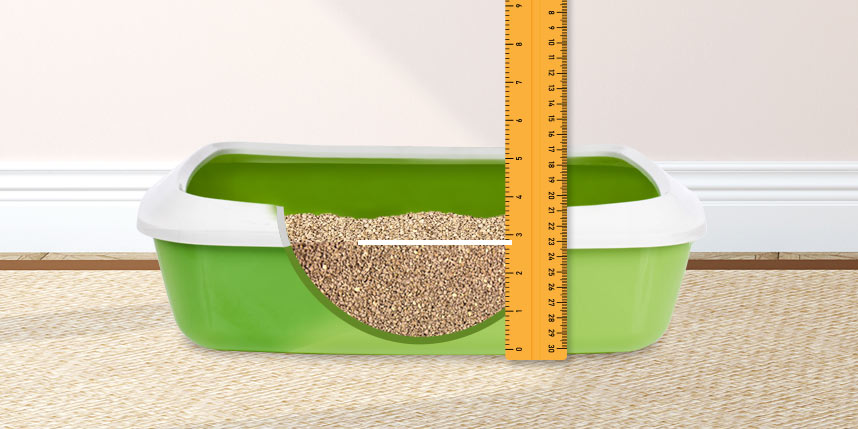
Image Source: www.worldsbestcatlitter.com
The Foundation of a Happy Cat: Getting the Cat Litter Depth Right
Providing the right amount of cat litter in the litter box is more than just a chore; it’s a crucial aspect of your cat’s comfort, hygiene, and overall well-being. Too little litter, and your cat might refuse to use the box or perform their business in less-than-ideal locations. Too much, and you might be wasting product and dealing with unnecessary tracking. This guide will delve into the specifics of cat litter quantity, helping you achieve the optimal litter amount for your furry companion. We’ll explore the factors that influence the ideal litter depth and how to adjust your cat litter box filling practices for the best results.
Why Litter Depth Matters to Your Cat
Cats are creatures of habit and possess strong instincts. In the wild, they bury their waste to avoid predators and to prevent other cats from knowing their territory. This innate behavior translates to their litter box habits.
- Digging and Burying Instincts: A sufficient depth of litter allows your cat to satisfy their natural urge to dig and cover. When there isn’t enough litter, they might feel insecure or frustrated, leading to avoidance of the box.
- Odor Control: A deeper layer of litter helps to absorb and trap odors more effectively. This is essential for maintaining a pleasant environment for both you and your cat.
- Comfort and Cleanliness: A good depth ensures that urine is wicked away from the surface, preventing clumps from sticking to the bottom of the box. This makes cleaning easier and keeps the litter box more appealing to your cat.
- Minimizing Tracking: While some tracking is inevitable with most litters, a proper depth can help contain stray granules within the box, reducing the amount that gets scattered around your home.
Determining the Ideal Litter Depth: More Than Just a Number
While the 2-4 inch guideline is a good starting point, the right amount of cat litter can vary based on several factors.
H4: Type of Cat Litter Used
The material of your cat litter significantly impacts how much you should use. Different types have different absorbent and clumping properties.
- Clumping Clay Litter: This is the most common type. It forms solid clumps when wet, making scooping easier. For clumping litters, aiming for the 2-4 inch range is generally ideal to allow for effective clumping without being too deep and causing extra effort for your cat to dig.
- Non-Clumping Clay Litter: This type absorbs moisture but doesn’t form hard clumps. It requires more frequent full litter changes. You might need a slightly deeper layer (around 3-4 inches) to maximize absorption between changes.
- Silica Gel (Crystal) Litter: These crystals absorb moisture and odors effectively. They tend to last longer but can be more expensive. A 2-inch layer is often sufficient for silica gel litters, as the crystals themselves are highly absorbent.
- Natural/Biodegradable Litters (Wood, Paper, Corn, Wheat): These litters vary in their absorbent properties. Some, like wood pellets, might require a specific depth to break down properly. For others, the 2-4 inch guideline still applies. Always check the manufacturer’s recommendations.
H4: Your Cat’s Preferences and Habits
Every cat is an individual, and their litter box preferences can differ.
- Age and Mobility: Kittens or older cats with mobility issues might find it easier to get into a box with a slightly shallower edge, but they still need sufficient litter depth for burying.
- Digging Style: Some cats are enthusiastic diggers, while others are more reserved. An avid digger might benefit from the higher end of the 2-4 inch range, while a less enthusiastic cat might be content with a bit less.
- Sensitivity: Some cats are particular about the feel of the litter under their paws. If your cat seems hesitant or is digging excessively outside the box, adjusting the cat litter depth by half an inch might help.
- Multiple Cats: If you have multiple cats sharing a litter box, you might need to slightly increase the cat litter quantity to accommodate increased usage and to ensure there’s always enough fresh litter available for each cat.
H4: Litter Box Size and Type
The dimensions of your litter box also play a role in how much litter you should use.
- High-Sided Boxes: If you have a litter box with high walls to prevent litter scatter, you can comfortably fill it closer to the 4-inch mark.
- Hooded Boxes: Hooded boxes can trap odors, but they can also make cats feel confined. Ensure the litter depth is adequate for them to comfortably dig without hitting the hood or sides.
- Low-Sided Kitten Boxes: These are great for very young or elderly cats but may require more frequent topping up to maintain the ideal depth.
Achieving the Optimal Litter Amount: A Step-by-Step Approach
Let’s break down how deep cat litter should be and how to get it right.
H5: Initial Litter Box Filling
When you first set up a litter box or change the litter completely, follow these steps:
- Clean the Box: Always start with a clean litter box. Wash it with mild soap and water, and dry it thoroughly.
- Measure Your Litter: Use a scoop or a measuring cup to add the litter. Start with about 2 inches.
- Add More as Needed: Gently spread the litter evenly across the bottom of the box. Feel the depth with your finger. Add more litter gradually until you reach the 2-4 inch sweet spot. You want enough for them to dig, but not so much that it spills easily when they are in the box.
- Check for Evenness: Ensure the litter is spread evenly, with no bare spots.
H5: Maintaining the Ideal Litter Depth
Regular cat litter maintenance is key to keeping your cat happy and the litter box hygienic.
- Daily Scooping: Scoop out solid waste and urine clumps at least once a day, ideally twice. This removes soiled litter and helps maintain the ideal litter depth.
- Top Up Regularly: As you scoop, you’ll naturally remove some litter. Top up the box with fresh litter to maintain the 2-4 inch depth. Don’t just add a tiny sprinkle; add enough to bring it back to the desired level.
- Stir and Mix: Gently stir the litter after scooping and topping up. This helps to distribute any remaining moisture and break down any urine that may have sunk to the bottom.
- Full Litter Change: Even with diligent scooping and topping up, you’ll need to completely empty, wash, and refill the litter box periodically. The frequency depends on the type of litter, the number of cats, and how well you maintain it. For clumping litter, this might be every 2-4 weeks. For non-clumping litter, it could be weekly.
Troubleshooting Common Litter Box Issues Related to Depth
If you’re experiencing litter box problems, insufficient or excessive cat litter quantity might be the culprit.
H4: Cat Refusing to Use the Litter Box
- Too Little Litter: The cat may not be able to dig and cover properly, leading to frustration and avoidance.
- Solution: Increase the cat litter depth to the 2-4 inch range.
- Too Much Litter (Less Common): While rare, some cats might find a very deep litter box intimidating or difficult to navigate, especially if they have mobility issues.
- Solution: Slightly reduce the cat litter depth by an inch.
- Scent Issues: If the litter is too deep and not scooped frequently enough, odors can build up.
- Solution: Ensure daily scooping and maintain the correct cat litter depth to maximize absorption.
H4: Excessive Litter Tracking
- Too Much Litter: When the litter is piled too high, cats can easily kick it out of the box when digging or covering.
- Solution: Reduce the cat litter depth to the higher end of the 2 inches or closer to 3 inches. Consider using litter mats around the box.
- Type of Litter: Some litters are naturally dustier or stickier.
- Solution: While not directly related to depth, a change in litter type might be necessary. However, ensure the best cat litter depth for the new litter type is still maintained.
The Role of Litter Box Maintenance in Depth Management
Cat litter maintenance is intrinsically linked to maintaining the correct cat litter depth.
- Scooping Technique: When scooping, try to lift the entire clump and any soiled litter around it. This ensures you’re removing the waste and not just shifting wet litter.
- Topping Up Strategy: Don’t just dump a huge amount of litter in one spot. Gently add fresh litter to the entire surface of the box to maintain an even depth.
- Regular Full Changes: Over time, even with regular maintenance, litter can become soiled and lose its odor-absorbing capabilities. A full change is essential for resetting the freshness and ensuring the correct depth can be re-established.
Frequently Asked Questions About Cat Litter Depth
Here are answers to some common queries regarding how much cat litter to use.
Q1: How deep should the litter be for a kitten?
For kittens, it’s generally best to start with a slightly shallower depth, perhaps 1.5 to 2 inches. This makes it easier for them to enter and exit the box and to dig. As they grow, you can gradually increase the depth to the standard 2-4 inches. Ensure the box itself is not too high for them to climb into.
Q2: Can I use less than 2 inches of cat litter?
Using less than 2 inches of cat litter is generally not recommended. This is because it often doesn’t provide enough material for your cat to effectively dig and cover their waste, which can lead to behavioral issues like not using the box. It also compromises odor control and can make the litter box less hygienic.
Q3: How much cat litter do I need to buy?
The amount of litter you need to buy depends on the number of litter boxes, the number of cats you have, the size of the boxes, and the type of litter. As a general rule, for a standard-sized litter box and one cat, you might go through a 10-15 lb bag of clumping litter every 1-2 weeks, depending on how often you top it up and do full changes.
Q4: Should I use the same depth of litter for all my cats?
Yes, the general guideline of 2-4 inches of cat litter depth applies to most cats. However, if you have multiple cats, you may need to ensure each box has enough litter to accommodate their combined usage and maintain cleanliness between full changes. Observe your cats’ behavior; if one seems hesitant, adjust the depth slightly for their box.
Q5: What if my cat kicks out a lot of litter?
This often means the cat litter quantity might be too high for their digging habits, or the litter itself is very loose. Try reducing the depth slightly to around 2-3 inches. You can also use a litter mat with deep grooves placed in front of the litter box to catch stray litter.
Q6: Does the type of litter box affect the ideal depth?
Yes. For very large or deep litter boxes, you’ll naturally use more litter to achieve the ideal depth. For smaller or low-sided boxes, you might need to be more diligent about topping up to maintain the recommended level. Hooded boxes can also influence how much litter is placed, ensuring it doesn’t interfere with the lid.
Conclusion: The Art of the Right Amount
Finding the right amount of cat litter is a blend of following established guidelines and observing your cat’s individual needs. By aiming for an ideal litter depth of 2-4 inches, considering the type of litter you use, and paying attention to your cat’s preferences, you can create a litter box environment that promotes cleanliness, comfort, and proper elimination habits. Consistent cat litter maintenance, including daily scooping and regular topping up, is the cornerstone of this process. Mastering cat litter box filling and cat litter usage will lead to a happier cat and a more harmonious home. Remember, the goal is to satisfy your cat’s natural instincts while ensuring an effective and hygienic litter box experience for everyone involved. The best cat litter depth is ultimately the one that your cat prefers and uses reliably.