
Can you make an outdoor cat an indoor cat safely? Yes, with patience, preparation, and a gradual approach, you can successfully transition an outdoor cat to a safe and fulfilling indoor lifestyle. This comprehensive guide will walk you through the essential steps for a smooth cat transition, ensuring your feline friend thrives in their new indoor cat housing.
The decision to bring an outdoor cat inside is a significant one, impacting both the outdoor cat welfare and the dynamic of your home. It’s a journey that requires thoughtful consideration of your cat’s individual needs and a commitment to providing a stimulating and secure environment. This process is more than just pet rehoming indoor; it’s about adapting a creature accustomed to vast territories to a more confined but ultimately safer existence.
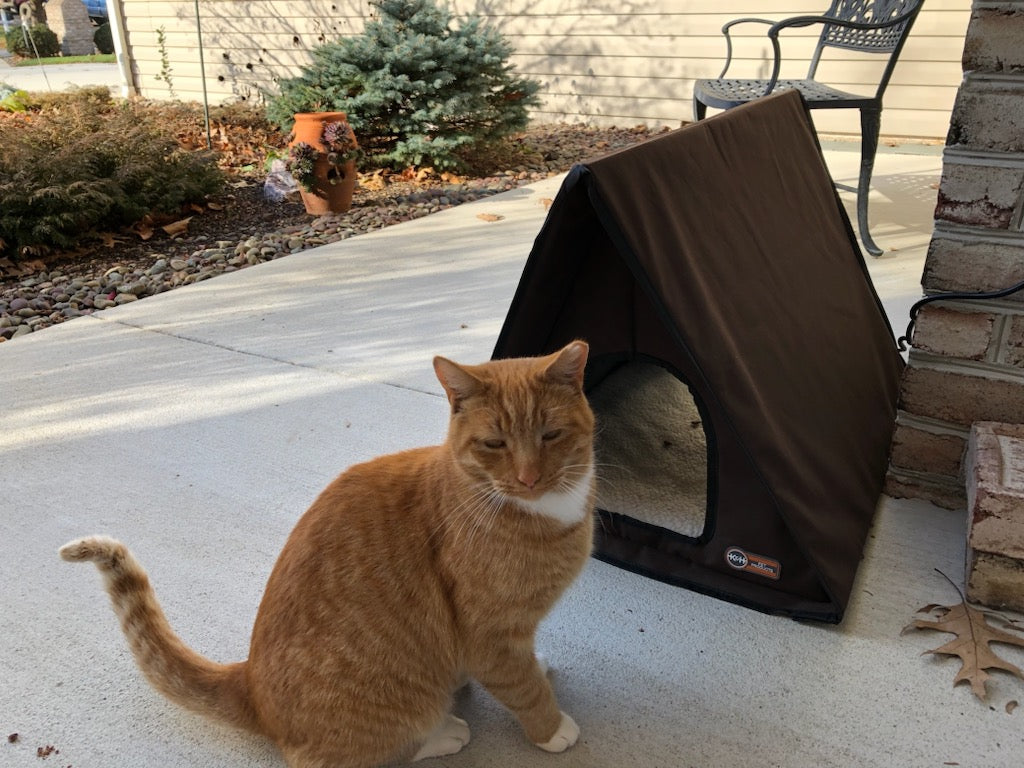
Image Source: khpet.com
Why Make the Switch?
The allure of the great outdoors for cats is undeniable. They are natural hunters, explorers, and sunbathers. However, the risks associated with outdoor life are substantial and often underestimated. Understanding these risks is the first step in appreciating the benefits of indoor living.
Dangers of Outdoor Life for Cats
Outdoor cats face a multitude of threats that their indoor counterparts are shielded from. These dangers can lead to serious injury, illness, or even premature death.
- Traffic Accidents: Roads are a significant hazard for cats, especially in urban and suburban areas. A cat darting into a road can be hit by a vehicle, often with fatal consequences.
- Predators: Depending on your location, your cat could encounter larger animals such as coyotes, foxes, or even aggressive dogs.
- Fights with Other Animals: Encounters with other cats or territorial animals can result in bite wounds, abscesses, and the transmission of diseases like Feline Leukemia Virus (FeLV) and Feline Immunodeficiency Virus (FIV).
- Diseases and Parasites: Outdoor cats are more exposed to infectious diseases spread through contact with other animals or contaminated environments. They are also more prone to external parasites like fleas and ticks, and internal parasites like worms.
- Poisoning: Cats may ingest toxic substances such as antifreeze, rodenticides, pesticides, or poisonous plants found in gardens and yards.
- Getting Lost or Trapped: Curiosity can lead a cat to explore unfamiliar areas, get trapped in sheds or garages, or become disoriented and unable to find their way home.
- Cruelty and Abuse: Sadly, some cats face intentional harm from humans.
- Extreme Weather: Cats can suffer from heatstroke in hot weather or hypothermia and frostbite in cold conditions if they lack adequate shelter.
Benefits of an Indoor Lifestyle
Transitioning your cat indoors offers a wealth of benefits for their health, safety, and longevity.
- Increased Lifespan: Studies consistently show that indoor cats live significantly longer than outdoor cats. They are protected from the aforementioned dangers.
- Reduced Risk of Illness and Injury: By removing them from hazardous environments, you drastically reduce their exposure to diseases, parasites, fights, and accidents.
- Better Control Over Diet and Health: You have complete control over their nutrition, ensuring they receive a balanced diet. Regular veterinary check-ups become easier, and you can monitor any changes in their health more effectively.
- Protection from Environmental Toxins: You can ensure their living space is free from harmful chemicals and plants.
- Enhanced Bond with Owner: More time spent indoors often leads to a stronger bond between cat and owner, as they rely on you for all their needs and social interaction.
- Prevents Unwanted Pregnancies: For unspayed or unneutered cats, keeping them indoors prevents accidental litters, contributing to pet overpopulation control.
Preparing for the Transition: Laying the Groundwork
Successfully bringing outdoor cat inside involves more than just opening the door. It requires meticulous preparation to ensure your cat feels secure and comfortable in their new environment. This phase is crucial for effective cat acclimatization.
Veterinary Assessment
Before making the switch, a visit to the veterinarian is paramount.
- Health Check-up: The vet will perform a thorough physical examination to ensure your cat is healthy.
- Vaccinations: Ensure all necessary vaccinations are up-to-date to protect them from common feline diseases.
- Parasite Control: Administer preventative treatments for fleas, ticks, and internal parasites. This is especially important if your cat has been outdoors.
- Microchipping: If your cat isn’t already microchipped, this is the perfect time. It provides a permanent form of identification should they ever escape.
- Spaying/Neutering: If your cat is not already spayed or neutered, this should be done before or during the transition. This reduces territorial marking behaviors (spraying), reduces the urge to roam, and prevents unwanted litters.
Setting Up the Ideal Indoor Environment
Your home needs to be adapted to meet the domestic cat needs of a formerly outdoor feline. This involves creating a stimulating and safe sanctuary.
Essential Indoor Cat Housing Elements
-
Safe Room: Designate a quiet, safe room as your cat’s initial base. This could be a spare bedroom or a room with minimal traffic. Equip it with everything they need:
- Litter Box: Place it in a quiet, accessible corner away from their food and water bowls.
- Food and Water Bowls: Use ceramic or stainless steel bowls, as some cats can develop “whisker fatigue” from plastic bowls that touch their whiskers.
- Comfortable Bedding: Provide soft, warm beds in various locations.
- Scratching Posts: Offer a variety of scratching surfaces (vertical posts, horizontal pads) made from different materials (sisal rope, cardboard). This is vital for their mental and physical well-being.
- High Perches: Cats love to observe their surroundings from elevated positions. Cat trees, shelves, or sturdy furniture can provide this.
- Toys: A variety of interactive and solo toys to keep them entertained and engaged.
-
Window Access: Cats are visual creatures who enjoy watching the world go by. Ensure they have access to windows where they can safely observe birds, squirrels, and the general activity outside. Consider window perches or shelves.
-
Vertical Space: Cats feel more secure when they can climb and survey their territory from above. Cat trees, wall-mounted shelves, and strategically placed furniture can provide this.
-
Hiding Places: Even confident cats appreciate secure hiding spots where they can retreat and feel safe when overwhelmed or stressed. Cardboard boxes, tunnels, or covered beds are excellent options.
-
Environmental Enrichment: To prevent boredom and stress, introduce a variety of stimuli.
- Interactive Play: Dedicate at least 15-20 minutes daily to playing with your cat using wand toys or laser pointers (always end laser play by letting them “catch” a physical toy).
- Puzzle Feeders: These make mealtime more engaging and mentally stimulating.
- Scent Enrichment: Catnip, silver vine, or Feliway diffusers (synthetic facial pheromones) can help create a calming environment.
- Rotate Toys: Keep things interesting by rotating toys regularly.
Addressing Potential Concerns: Cat Confinement Indoors
Initially, your cat may require some degree of cat confinement indoors to help them adjust. This is not about punishment but about gradual introduction and preventing overwhelm. The “safe room” concept mentioned above serves this purpose. It allows them to acclimate to the indoor environment at their own pace, without the vastness of the entire house potentially feeling intimidating.
The Gradual Introduction Process: Step-by-Step
The key to a successful cat transition is patience and a phased approach. Rushing the process can lead to stress and setbacks.
Step 1: Initial Containment and Observation
Upon arrival, place your cat in their pre-prepared safe room. Allow them to explore this space at their leisure. Don’t force interaction. Sit quietly in the room, read a book, or talk softly, letting them get used to your presence without pressure.
- Observe Body Language: Pay close attention to your cat’s cues. Are they hiding? Are they peeking out? Are their ears forward or back? Understanding feline body language is crucial.
- Provide Food and Water: Place food and water bowls and the litter box within the room. Clean the litter box daily.
Step 2: Building Trust and Comfort
Once your cat appears more relaxed in their safe room, begin to build trust.
- Gentle Interaction: Offer treats by hand. Speak in a soft, soothing voice. Try short, gentle petting sessions if they initiate contact.
- Playtime: Introduce interactive play sessions within the safe room. This helps build positive associations with you and the indoor environment.
- Routine: Establish a consistent feeding and playtime routine. Cats thrive on predictability.
Step 3: Expanding Territory
When your cat is comfortable in their safe room, showing curiosity and interacting readily, it’s time to slowly introduce them to the rest of the house.
- Supervised Exploration: Open the door to the safe room and allow them to explore other areas of the house under your supervision.
- One Room at a Time: You might choose to introduce them to one additional room at first, allowing them to explore it thoroughly before moving on.
- Introduce Other Pets Gradually: If you have other pets, ensure their introductions are managed carefully. More on this later.
Step 4: Full Integration
As your cat becomes more confident and comfortable exploring the house, they are gradually integrating into your home. Continue to provide enrichment and positive reinforcement.
- Maintain Routines: Continue with established feeding and play routines.
- Monitor for Stress: Watch for any signs of stress or anxiety as they become accustomed to their new surroundings and any other household members.
Addressing Common Challenges During Transition
While the goal is a smooth transition, it’s normal to encounter a few bumps along the way. Anticipating and addressing these challenges proactively is key.
Litter Box Issues
Some cats may be hesitant to use the litter box initially.
- Box Type and Location: Ensure the litter box is clean, large enough, and in a quiet, private location. Experiment with different types of litter if necessary (unscented, clumping is generally preferred).
- Number of Boxes: The general rule is one litter box per cat plus one extra.
Destructive Behavior
Scratching furniture or exhibiting other destructive behaviors can occur if a cat is bored, stressed, or not getting their needs met.
- Provide Adequate Scratching Surfaces: Ensure you have plenty of appropriate scratching posts in various locations.
- Increase Playtime and Enrichment: Combat boredom with more interactive play and puzzle toys.
- Positive Reinforcement: Reward good behavior. Never punish scratching on furniture; redirect them to a scratching post.
Hiding and Fearfulness
A cat accustomed to the freedom of the outdoors might be fearful of their new, more confined environment.
- Patience is Key: Continue to allow them to hide. Don’t force them out.
- Create More Safe Spaces: Provide more boxes, tunnels, or elevated perches where they can feel secure.
- Feliway or Similar Products: Pheromone diffusers can help create a calmer atmosphere.
Introducing Other Pets
This is often one of the most delicate aspects of cat adoption interior and transition.
- Slow and Controlled Introductions:
- Scent Swapping: Exchange bedding or toys between the new cat and resident pets to allow them to get used to each other’s scent.
- Visual Separation: Keep cats separated initially, allowing them to see each other through a barrier (baby gate, screen door, or crack in the door).
- Supervised Interactions: Once they seem calm with each other through the barrier, allow short, supervised interactions in neutral territory. Keep sessions brief and positive.
- Never Force It: If any animal shows signs of aggression or extreme stress, separate them and try again later.
Maintaining a Happy and Healthy Indoor Cat
Once your cat has successfully transitioned to an indoor lifestyle, the commitment continues. Ensuring their continued well-being is essential for their long-term health and happiness.
Ongoing Enrichment and Stimulation
A lack of stimulation can lead to boredom, stress, and behavioral problems, even in a safe environment.
- Daily Play Sessions: Continue with dedicated interactive play every day. This is vital for their physical exercise and mental engagement.
- Rotate Toys: Keep their environment fresh by regularly rotating toys.
- Window Views: Ensure they have access to windows for “cat TV.”
- Vertical Space: Maintain access to cat trees and high perches.
- Training and Tricks: Many cats can be trained to do tricks, which provides excellent mental stimulation.
Health and Nutrition
- Balanced Diet: Feed a high-quality, species-appropriate diet recommended by your veterinarian.
- Fresh Water: Always provide access to fresh, clean water. Some cats prefer drinking from a fountain.
- Regular Vet Check-ups: Maintain a schedule of annual or semi-annual veterinary visits for health monitoring and preventative care.
Safety Checks for Indoor Environments
While the outdoors presents obvious dangers, indoor environments can also pose risks if not managed carefully.
- Toxic Plants: Ensure your home is free of poisonous houseplants.
- Chemicals: Store cleaning supplies and other chemicals securely.
- Small Objects: Keep small objects like rubber bands, hair ties, and string out of reach, as they can be swallowed and cause intestinal blockages.
- Window and Balcony Safety: Ensure windows have secure screens and that balconies are cat-proofed to prevent falls.
- Appliances: Be mindful of potentially dangerous appliances like washing machines and dryers. Always check them before use.
The Long-Term Rewards of Indoor Living
Making the decision to bring an outdoor cat inside is an act of profound care. While the cat transition may require effort, the rewards are immense. You are providing a safe haven, a longer life, and a deep, trusting companionship. You are fulfilling their fundamental domestic cat needs for security and care, ensuring their outdoor cat welfare is prioritized by giving them the best possible chance at a long, healthy, and happy life. This commitment to cat adoption interior means they are no longer at the mercy of the unpredictable outdoor world but are cherished members of your family.
Frequently Asked Questions (FAQ)
Q1: How long does it take for an outdoor cat to adjust to being indoors?
A1: The time it takes for a cat to adjust can vary greatly depending on their age, personality, past experiences, and the amount of effort put into the transition. Some cats adapt within a few weeks, while others may take several months. Patience is the most important factor.
Q2: My cat keeps trying to escape. What can I do?
A2: This indicates they are not yet fully comfortable or that their outdoor instincts are very strong. Ensure all doors and windows are securely closed. Provide ample enrichment indoors, especially interactive play, to satisfy their need for stimulation. If the attempts are persistent and desperate, you may need to extend the initial safe room confinement or consult with a feline behaviorist.
Q3: Is it cruel to keep a cat indoors?
A3: No, it is not cruel if done correctly. It is actually a way to significantly improve their safety and longevity. The key is to provide a rich, stimulating indoor environment that meets their physical and psychological needs. This includes ample playtime, vertical space, scratching opportunities, and opportunities to “hunt” with toys.
Q4: What if my cat won’t use the litter box after coming inside?
A4: First, rule out any medical issues with a vet visit. If it’s behavioral, try a different type of litter (unscented, clumping) or a different style of litter box. Ensure the box is large enough, clean, and in a quiet, accessible location. Try adding an extra litter box in a different area.
Q5: My cat seems stressed and is hiding a lot. Is this normal?
A5: Yes, a certain degree of hiding is normal during the initial stages of cat acclimatization. Ensure they have plenty of safe hiding spots. Avoid forcing interaction. Gradually introduce them to new experiences and people. Feliway diffusers can also help create a calming atmosphere. If the hiding is extreme and persistent, consult your veterinarian or a feline behaviorist.
Q6: Can I let my cat go outside again after they’ve been an indoor cat?
A6: While some cats might adapt to a supervised, leash-walked outdoor experience, it’s generally recommended to keep a transitioned cat strictly indoors. Reintroducing them to unsupervised outdoor access can re-expose them to all the risks you worked to protect them from. If you desire outdoor stimulation for your cat, consider a secure “catio” (cat patio) instead.