
If you notice your cat has a swollen lip, it can be concerning. A swollen lip in cats can be caused by many things, from simple irritation to more serious dental or allergic issues. It’s important to investigate the cause to provide the best care for your feline friend. This in-depth guide explores the various feline lip swelling causes, signs to look for, and potential solutions to help your cat feel better.
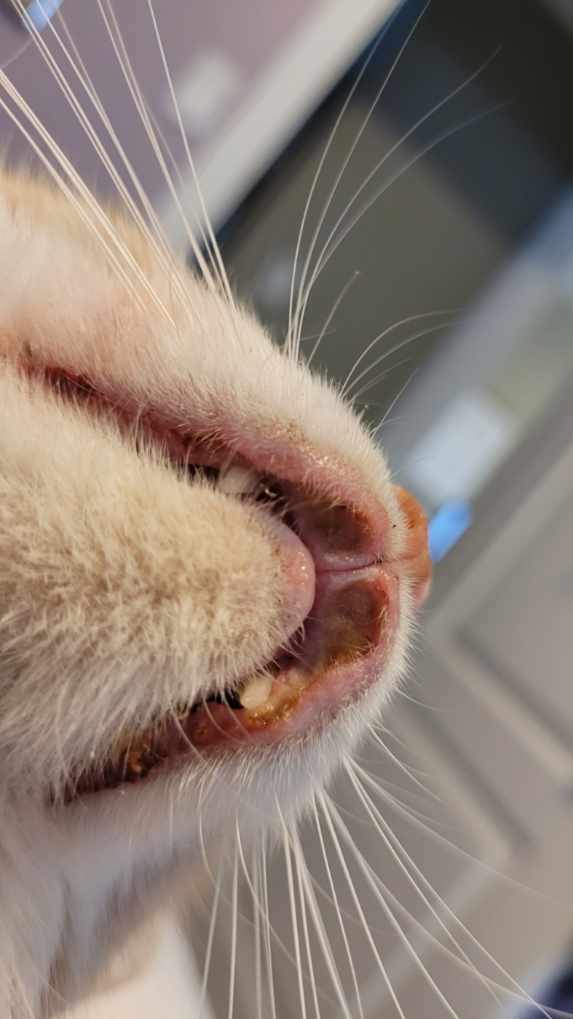
Image Source: www.kingsdale.com
Common Reasons for a Swollen Lip in Cats
Cats can develop swollen lips for a multitude of reasons, ranging from minor irritations to significant health concerns. Pinpointing the exact cause is crucial for effective treatment.
1. Allergic Reactions
Just like humans, cats can experience allergic reactions that manifest as lip swelling. These reactions can be triggered by various allergens.
Environmental Allergens
- Pollen: Seasonal allergies can affect cats, causing swelling and itching, often impacting the face and lips.
- Dust Mites: Tiny creatures found in bedding and carpets can be common culprits.
- Mold: Exposure to mold spores can lead to allergic responses.
Food Allergies
- Proteins: Certain proteins in cat food, such as chicken, beef, or fish, can trigger allergies.
- Additives: Preservatives, colorings, or flavorings in processed cat foods may also cause reactions.
Insect Bites or Stings
- Bee or Wasp Stings: A direct sting on or near the lip can cause immediate swelling, redness, and pain.
- Mosquito Bites: Even a mosquito bite in the lip area can lead to localized swelling.
- Ant Bites: Some ants can bite and cause irritation.
Contact Allergies
- Plastic Bowls: Some cats are sensitive to plastic food or water bowls, leading to irritation and swelling of the muzzle and lips where they make contact. Switching to ceramic or stainless steel bowls can help identify this.
- New Toys: Certain materials or dyes in cat toys can cause a reaction.
- Household Products: Exposure to cleaning chemicals, perfumes, or even certain plants can cause contact dermatitis.
2. Dental and Oral Health Issues
Problems within the mouth are frequent cat mouth swelling causes, particularly affecting the lips. Good cat oral health is essential for preventing many issues.
Tooth Abscesses
An infection at the root of a tooth can lead to a painful abscess. This can cause significant swelling, which may push outwards and affect the lip on that side. A cat tooth abscess lip swelling is a common indicator of this serious condition. You might also notice:
- Pain when eating or touching the face.
- Drooling.
- Bad breath.
- Difficulty eating.
- Lethargy.
Gingivitis and Periodontal Disease
Inflammation of the gums (gingivitis) and more advanced gum disease can lead to pain and swelling around the teeth and along the gum line, which can extend to the lips.
Oral Tumors or Growths
While less common, tumors or growths in the mouth can cause swelling and discomfort, potentially affecting the lips. These can be benign or malignant.
Stomatitis
This is a severe inflammation of the mouth, affecting the gums, tongue, and inner cheeks. It can cause significant pain and swelling that might involve the lips.
3. Infections
Bacterial or fungal infections can also lead to lip swelling.
Bacterial Infections
- Secondary Infections: An injury or irritation to the lip can become infected with bacteria, causing redness, swelling, and pus.
- Fungal Infections: Ringworm can sometimes affect the face and lips, causing inflamed, crusty lesions.
4. Trauma or Injury
Direct physical injury is a straightforward reason for a swollen lip.
- Bumps and Bruises: Cats can injure themselves during play, falls, or fights with other animals.
- Chewing on Objects: Accidentally biting down on something hard or sharp.
- Fighting: Scrapes and bites from altercations with other cats or animals.
5. Eosinophilic Granuloma Complex
This is a group of inflammatory skin diseases in cats, often linked to allergies. One manifestation, the eosinophilic granuloma, can appear as raised, red lesions, sometimes on the lips or mouth, causing swelling. This is a significant cat lip inflammation causes that requires veterinary attention.
6. Foreign Objects
Something lodged in the lip or mouth can cause irritation and swelling.
- Grass Awns: Sharp seed heads can get lodged in the mouth or lip tissue.
- Splinters: Small pieces of wood or other materials.
Signs Accompanying a Swollen Lip
Beyond the visible swelling, other symptoms can provide clues about the underlying cause. Observing these carefully is important when consulting a veterinarian.
- Changes in Eating Habits: A cat with a swollen lip might eat less, eat only soft food, or drop food from its mouth due to pain or discomfort.
- Drooling: Excessive salivation, or cat drooling swollen lip, is a common sign that something is wrong in the mouth. It can indicate pain, nausea, or irritation.
- Pawing at the Mouth: If your cat frequently paws at its face or mouth, it’s a clear sign of discomfort or pain.
- Bad Breath (Halitosis): Dental infections or oral growths often produce an unpleasant odor.
- Redness or Inflammation: The swollen area might be red, warm to the touch, or have visible inflammation.
- Discharge: Pus or other fluids may be present if there is an infection or abscess.
- Lethargy or Changes in Behavior: Pain and discomfort can make cats withdrawn or less active.
- Swollen Gums or Other Oral Tissues: Swelling might not be limited to just the lip.
Diagnosing the Cause of Swollen Lips
A veterinarian is essential for accurately diagnosing why your cat has a swollen lip. They will use a combination of methods.
Physical Examination
The vet will start with a thorough physical exam, paying close attention to your cat’s mouth, teeth, and lips. They will check for:
- External injuries: Lacerations, punctures, or bruising.
- Oral cavity: The condition of the gums, tongue, teeth, and palate.
- Palpation: Gently feeling the swollen area to assess for heat, pain, or the presence of a lump.
Dental Examination
A detailed dental exam is critical, especially if dental issues are suspected. This might involve:
- Close visual inspection: Looking for broken teeth, inflamed gums, or tartar buildup.
- Dental X-rays: These are invaluable for detecting problems below the gum line, such as tooth root abscesses, bone loss, or tumors.
Diagnostic Tests
Depending on the initial findings, further tests may be recommended:
- Blood Work: To check for signs of infection or inflammation in the body.
- Allergy Testing: If an allergic reaction is suspected, intradermal skin testing or blood tests can help identify specific allergens.
- Biopsy: If a tumor or unusual growth is found, a small sample (biopsy) may be taken for laboratory analysis to determine if it’s cancerous or benign.
- Cytology: Sampling cells from the swollen area to check for infection or inflammatory cells.
Solutions for Swollen Lips in Cats
The treatment plan will entirely depend on the diagnosed cause.
1. Managing Allergic Reactions
- Antihistamines: In mild cases, veterinary-prescribed antihistamines might help reduce swelling and itching.
- Corticosteroids: For more severe allergic reactions, short-term corticosteroid treatment may be necessary to quickly reduce inflammation.
- Dietary Changes: If a food allergy is identified, switching to a novel protein or hydrolyzed protein diet under veterinary guidance is crucial.
- Environmental Control: Reducing exposure to environmental allergens like dust mites or mold can help. Regular vacuuming, using air purifiers, and keeping humidity low can be beneficial.
- Topical Treatments: Medicated wipes or sprays may be recommended for soothing irritated skin.
2. Treating Dental and Oral Issues
- Dental Cleaning and Extractions: If dental disease or abscesses are the cause, professional dental cleaning under anesthesia is required. This may involve extracting damaged or infected teeth.
- Antibiotics: To clear bacterial infections, a course of antibiotics will be prescribed.
- Pain Management: Pain medication will be given to ensure your cat is comfortable during recovery.
- Oral Surgery: In cases of tumors or severe injuries, surgical intervention might be necessary.
3. Addressing Infections
- Antibiotics: Bacterial infections are treated with appropriate antibiotics, either topical or oral.
- Antifungals: Fungal infections, like ringworm, will require antifungal medications.
- Wound Care: Cleaning and disinfecting any wounds is essential.
4. Healing Trauma and Injuries
- Cleaning and Disinfection: Minor scrapes and cuts should be cleaned with a veterinary-approved antiseptic solution.
- Monitoring: Keeping an eye on the wound for signs of infection.
- Veterinary Care: For deeper wounds, bites, or severe trauma, prompt veterinary attention is needed for cleaning, suturing, or further treatment.
5. Treating Eosinophilic Granuloma Complex
- Allergy Management: Treatment often focuses on identifying and managing the underlying allergy, similar to other allergic reactions.
- Medications: Corticosteroids or other anti-inflammatory drugs may be used to control the lesions.
- Immunosuppressants: In severe or chronic cases, medications that suppress the immune system might be considered.
6. Removing Foreign Objects
- Manual Removal: If a foreign object is visible and easily accessible, the vet may attempt to remove it gently.
- Surgical Removal: For objects lodged deeper or causing significant irritation, surgical removal might be necessary.
What You Can Do at Home
While professional veterinary care is paramount, some home care measures can support your cat’s recovery and prevent future issues.
Maintain Excellent Oral Hygiene
- Regular Brushing: If your cat tolerates it, regular brushing with a cat-specific toothbrush and toothpaste can prevent plaque buildup and gum disease.
- Dental Treats and Food: Specialized dental diets and chews can help reduce tartar.
- Water Additives: Some products can be added to your cat’s water to improve oral health.
Observe Your Cat Closely
- Dietary Changes: Note any new foods or treats introduced before the swelling occurred.
- Environmental Changes: Think about any new cleaning products, plants, or toys in your home.
- Behavioral Changes: Monitor for any shifts in eating, drinking, or activity levels.
Preventative Measures
- Safe Environment: Ensure your cat’s environment is free from potential hazards that could cause injury or allergic reactions.
- Appropriate Food and Water Bowls: Use ceramic or stainless steel bowls to rule out plastic sensitivities.
- Regular Vet Check-ups: Routine veterinary visits allow for early detection of dental problems and other health issues.
When to See a Veterinarian Immediately
Any sudden or severe swelling, difficulty breathing, excessive pain, or if your cat seems generally unwell, warrants an immediate trip to the veterinarian. Delaying care for serious conditions can have significant consequences.
Frequently Asked Questions (FAQ)
Q1: Can my cat’s swollen lip go away on its own?
A1: Minor irritations might resolve on their own, but significant swelling often indicates an underlying issue like infection, allergy, or dental problem that needs veterinary attention. It’s always best to consult your vet to ensure proper diagnosis and treatment.
Q2: What if my cat has a swollen lip and drooling?
A2: Cat drooling swollen lip is a strong indicator of pain, oral irritation, or infection. This combination requires prompt veterinary evaluation to determine the cause and provide relief.
Q3: Is it safe to give my cat human allergy medication?
A3: Never give your cat human medication without explicit instruction from your veterinarian. Many human medications are toxic to cats, even in small doses. Your vet can prescribe safe and effective feline-specific treatments.
Q4: How can I tell if the swelling is an allergic reaction or something else?
A4: It can be difficult to tell without a veterinary diagnosis. Allergic reactions might appear suddenly after exposure to a new food, plant, or insect. Dental issues might present with other signs like bad breath or reluctance to eat. Your vet can perform diagnostic tests to differentiate between various cat lip inflammation causes.
Q5: My cat has a swollen upper lip, what could be causing it?
A5: A cat swollen upper lip can be caused by insect bites, allergies, dental problems in the upper teeth, trauma, or oral growths. A thorough examination by your veterinarian is necessary to identify the specific reason.
Q6: What are common cat lip irritation reasons?
A6: Common cat lip irritation reasons include contact with allergens (food, environmental, plastic bowls), minor trauma from rough play, bites from insects, or early stages of dental disease.
Q7: Can a cat’s tooth abscess cause lip swelling?
A7: Yes, absolutely. A cat tooth abscess lip swelling is a classic sign. The infection and inflammation at the tooth root can cause significant swelling that affects the surrounding tissues, including the lip.
Conclusion
A swollen lip in cats is a symptom that should never be ignored. By recognizing the potential feline lip swelling causes, observing accompanying signs, and seeking timely veterinary care, you can ensure your beloved companion receives the best possible treatment. From minor irritations to more complex health challenges, prompt diagnosis and appropriate solutions are key to restoring your cat’s comfort and well-being. Prioritizing your cat’s cat oral health and general health through regular check-ups and attentive care will help prevent many of these uncomfortable issues.