
If your cat is scratching and you don’t see any fleas, don’t worry – there are several common reasons for this itchiness. Common causes for a cat being itchy without fleas include environmental allergies, food sensitivities, dry skin, skin infections, and behavioral issues. This guide will delve into these feline skin problems, helping you pinpoint the source of your cat’s discomfort and find solutions.
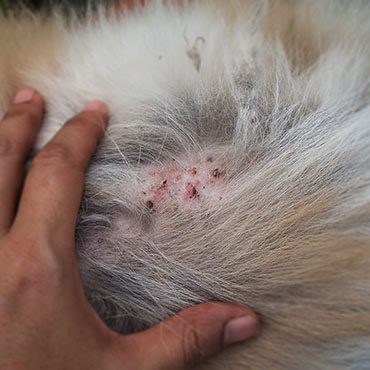
Image Source: www.pdsa.org.uk
Deciphering the Mystery of Your Cat’s Itch
Cats are masters of disguise when it comes to discomfort, but persistent scratching is a clear sign something is amiss. While fleas are the first suspect for most pet parents, their absence doesn’t mean your feline friend is in the clear. A range of issues can lead to significant cat skin irritation, and spotting these underlying causes is key to restoring your cat’s comfort.
Feline Skin Conditions: A Broad Overview
Cat skin conditions can manifest in various ways, from mild redness to intense itching and hair loss. Understanding the diverse nature of these problems is the first step towards effective management.
Common Culprits Behind the Scratch
Let’s explore the most frequent reasons your cat might be scratching, even without visible fleas.
Cat Allergies: More Than Just a Sneezing Fit
Just like humans, cats can suffer from allergies, and these often present as itchy skin. Cat allergies can be triggered by a variety of substances, leading to a cascade of discomfort.
Environmental Allergies: The Airborne Irritants
Cat environmental allergies are widespread and can significantly impact a cat’s well-being. These allergies are reactions to substances in the cat’s surroundings.
Pollen’s Pestering Presence
Pollen from trees, grasses, and weeds can be a major culprit. When pollen counts are high, you might notice your cat scratching more frequently. This type of allergy is often seasonal.
Dust Mites: Tiny Troublemakers
Dust mites are microscopic creatures found in homes everywhere, especially in carpets, upholstery, and bedding. Their presence can cause chronic itching, particularly in sensitive cats.
Mold and Mildew: Dampness’s Demise
Mold and mildew spores can also trigger allergic reactions. Damp environments, basements, or bathrooms can harbor these allergens.
Household Products: Chemical Concerns
Perfumes, cleaning agents, air fresheners, and even certain laundry detergents can contain chemicals that irritate a cat’s sensitive skin, leading to cat skin irritation.
Table 1: Common Environmental Allergens for Cats
| Allergen | Where Found | Typical Symptoms |
|---|---|---|
| Pollen | Outdoors (trees, grasses, weeds) | Itching, redness, sneezing, watery eyes, skin lesions |
| Dust Mites | Indoors (carpets, upholstery, bedding) | Persistent itching, skin irritation, hair loss |
| Mold & Mildew | Damp areas (bathrooms, basements, leaky pipes) | Itching, respiratory issues, skin irritation |
| Household sprays | Sprays, aerosols, cleaning products | Localized itching, redness, potential respiratory distress |
Food Sensitivities and Allergies: What’s on the Menu?
Cat food sensitivities occur when a cat’s immune system reacts negatively to a specific ingredient in their diet. This can lead to digestive upset or skin issues.
Protein Power Struggle
Often, the culprit in food allergies is a protein source, such as chicken, beef, fish, or dairy. The cat’s body mistakenly identifies this protein as a threat.
Grains and Additives
While less common than protein allergies, some cats can be sensitive to grains or artificial additives in their food.
Recognizing the Signs
Symptoms of food allergies can include intense itching, particularly around the head, neck, and ears, but also cat itchy paws. You might also notice digestive issues like vomiting or diarrhea.
Managing Environmental and Food Allergies
- Veterinary Consultation: The first and most crucial step is to consult your veterinarian. They can perform diagnostic tests to identify the specific allergens.
- Environmental Control: For environmental allergies, reducing exposure to triggers is key. This might involve:
- Regular vacuuming with a HEPA filter.
- Washing bedding frequently in hot water.
- Using air purifiers.
- Avoiding scented products.
- Dietary Trials: For food allergies, your vet will likely recommend an elimination diet trial. This involves feeding your cat a novel protein and carbohydrate source for several weeks to see if symptoms improve.
Cat Dry Skin: The Unseen Itch
Cat dry skin is a common problem that can make your feline friend feel incredibly uncomfortable and itchy. Dry skin can be caused by a variety of internal and external factors.
Hydration and Diet: The Building Blocks of Healthy Skin
A cat’s skin health is intrinsically linked to their overall hydration and nutrition.
Insufficient Water Intake
If your cat isn’t drinking enough water, their skin can become dry and flaky. This is especially common in cats that primarily eat dry food.
Nutritional Deficiencies
A diet lacking essential fatty acids, such as Omega-3 and Omega-6, can lead to dry, dull, and itchy skin. These fats are crucial for maintaining the skin’s natural moisture barrier.
Environmental Factors Affecting Skin Moisture
The environment plays a significant role in how well your cat’s skin retains moisture.
Low Humidity Environments
Dry indoor air, particularly during winter months when heating systems are in use, can strip moisture from a cat’s skin, leading to dryness and itching.
Over-Bathing
While cats are known for their self-grooming, occasional bathing might be necessary for some. However, using harsh shampoos or bathing too frequently can strip the skin of its natural oils, causing cat skin irritation.
Addressing Cat Dry Skin
- Increase Hydration: Encourage your cat to drink more by providing multiple fresh water sources, using a pet water fountain, or adding a bit of low-sodium chicken broth to their water.
- Dietary Adjustments: Discuss with your vet about supplementing your cat’s diet with essential fatty acids. Fish oil supplements are often recommended for their Omega-3 content.
- Humidifiers: Using a humidifier in your home, especially in areas where your cat spends a lot of time, can help combat dry air.
- Gentle Grooming: If bathing is necessary, use a gentle, hypoallergenic cat shampoo and avoid excessive rinsing.
Cat Grooming Issues: When Self-Care Goes Awry
While cats are naturally meticulous groomers, sometimes their grooming habits can contribute to or be a sign of underlying issues, leading to itching or other feline skin problems.
Cat Overgrooming: A Comfort Mechanism
Cat overgrooming, also known as psychogenic alopecia, is when a cat excessively licks, chews, or grooms themselves to the point of causing hair loss and skin irritation.
Stress and Anxiety Triggers
Stress is a primary driver of cat overgrooming. Changes in the household, new pets, moving, or even a lack of mental stimulation can trigger anxiety. The act of grooming can be a self-soothing behavior for cats.
Underlying Medical Conditions
Sometimes, what appears to be cat overgrooming is actually a response to an underlying medical issue, such as pain, arthritis, or indeed, fleas or cat skin irritation that they are trying to alleviate. It’s essential to rule out medical causes first.
Ineffective Grooming: A Sign of Discomfort
Conversely, a cat that stops grooming effectively might also be exhibiting signs of illness. A dull coat and matted fur can sometimes accompany discomfort or lethargy.
Addressing Grooming Issues
- Identify Stressors: Try to identify and minimize any potential stressors in your cat’s environment.
- Enrichment: Provide ample opportunities for play, exploration, and mental stimulation. Interactive toys and puzzle feeders can be beneficial.
- Veterinary Check-up: Always consult your veterinarian to rule out any underlying medical conditions that might be causing the behavior or the initial itch.
Infections and Infestations (Beyond Fleas)
While we’re focusing on itchiness without fleas, it’s important to consider other potential infections and infestations that can mimic flea bites or cause widespread itching.
Fungal Infections: The Ringworm Riddle
Ringworm, despite its name, is a fungal infection, not a worm. It causes circular, bald patches, often with red, scaly skin. It’s contagious and can affect both cats and humans.
Bacterial Infections: Skin’s Silent Struggle
Bacterial infections can develop secondary to scratching or other skin trauma. These can cause redness, pus, and scabs, leading to further itching.
Mites: Tiny Tenants Causing Trouble
Several types of mites can infest cats, leading to intense itching.
Ear Mites: These microscopic parasites live in a cat’s ear canals and cause intense itching, head shaking, and dark, waxy discharge.
Mange Mites (Scabies): These mites burrow into the skin, causing severe itching, hair loss, and crusty lesions, particularly around the ears, elbows, and hocks.
Chiggers: These tiny mites can bite exposed skin, especially around the ears and face, causing localized itching.
Treating Infections and Mite Infestations
- Diagnosis: Your veterinarian will likely perform skin scrapings or cultures to identify the specific infection or mite.
- Medications: Treatment typically involves topical or oral medications, such as antifungal creams, antibiotic ointments, or specific anti-parasitic drugs.
- Environmental Decontamination: For fungal infections like ringworm, thorough cleaning and disinfection of the environment are crucial to prevent re-infection.
Cat Itchy Paws: A Specific Area of Concern
Cat itchy paws can be particularly distressing for both the cat and the owner. Paws are sensitive and prone to irritation from various sources.
Allergies Affecting Paws
- Contact Allergies: Your cat might be reacting to something they walk on, such as certain carpets, floor cleaners, or even plants.
- Environmental Allergies: As mentioned earlier, pollen and dust mites can cause generalized itching, which often manifests prominently in the paws.
- Food Allergies: Food sensitivities can also cause itchiness in the paws.
Paw Injuries and Irritations
- Trauma: Cuts, scrapes, or foreign objects lodged in the paw can cause pain and irritation.
- Chemical Burns: Walking on sidewalks treated with salt or chemicals in the winter can burn and irritate paw pads.
- Dry Paws: Similar to dry skin elsewhere, dry paw pads can become cracked and itchy.
Managing Cat Itchy Paws
- Paw Wipes: Gently wipe your cat’s paws after they have been outside to remove potential irritants.
- Protective Booties: For very sensitive cats or during harsh weather, consider protective booties.
- Veterinary Examination: If the itching is persistent, consult your vet to rule out allergies, infections, or other underlying causes.
When to Seek Veterinary Help: Recognizing the Red Flags
While a little occasional scratching is normal, persistent or severe itching is a sign that your cat needs professional attention.
Signs that Warrant a Vet Visit:
- Intense scratching: Your cat is constantly scratching, to the point where it disrupts their sleep or daily activities.
- Hair loss: Visible patches of missing fur, especially in areas of concentrated scratching.
- Redness or inflammation: The skin appears red, swollen, or irritated.
- Sores, scabs, or crusts: These can indicate secondary infections or more severe skin conditions.
- Changes in behavior: Lethargy, loss of appetite, or hiding can sometimes accompany underlying health issues causing itchiness.
- Itchy paws: Persistent licking or chewing of the paws.
Diagnostic Approaches by Your Veterinarian
Your veterinarian has a range of tools to diagnose the cause of your cat’s itchiness.
Physical Examination
A thorough physical exam is the first step. Your vet will assess your cat’s skin, coat, and overall health, looking for signs of parasites, inflammation, or infection.
Diagnostic Tests
- Flea Combing: Even if you don’t see fleas, a thorough flea comb may reveal flea dirt (flea feces).
- Skin Scrapings: These are examined under a microscope to check for mites.
- Fungal Cultures: Used to diagnose ringworm.
- Bacterial Cultures: To identify and treat bacterial infections.
- Allergy Testing: Blood tests or intradermal skin tests can help identify environmental allergens.
- Dietary Elimination Trial: As discussed, this is the gold standard for diagnosing food allergies.
Frequently Asked Questions (FAQ)
Q1: Can stress make my cat itchy if they don’t have fleas?
Yes, stress can lead to cat overgrooming, which can cause cat skin irritation and make your cat feel itchy as they lick excessively. This is a form of psychogenic alopecia.
Q2: My cat is itching, but I’ve treated for fleas. What else could it be?
If you’ve treated for fleas and your cat is still itchy, consider cat environmental allergies, cat food sensitivities, cat dry skin, or other feline skin problems like fungal or bacterial infections. A vet visit is recommended.
Q3: Can I use human anti-itch creams on my cat?
No, it’s generally not safe to use human creams or medications on cats unless specifically directed by your veterinarian. Many human products are toxic to cats.
Q4: How can I tell if my cat has dry skin versus an allergy?
Both dry skin and allergies can cause itching and flakiness. Dry skin is often related to hydration and environmental factors, while allergies are immune system responses. A veterinarian can help differentiate between the two.
Q5: My cat’s paws are constantly itchy. What should I do?
Cat itchy paws can be caused by allergies (environmental or food), contact irritants, or infections. Clean your cat’s paws regularly and consult your veterinarian for diagnosis and treatment.
By carefully observing your cat and working closely with your veterinarian, you can uncover the reasons behind their itchiness and help them return to a comfortable, happy life.