
Can you get cat pee smell out of a car? Yes, you absolutely can get cat pee smell out of a car, but it takes the right approach and a bit of patience. The potent odor of cat urine can be incredibly stubborn, especially within the confined space of a vehicle. Left untreated, it can permeate upholstery, carpets, and even the car’s ventilation system. This comprehensive guide will walk you through safe and effective methods to tackle this unpleasant problem, ensuring your car is fresh and odor-free.
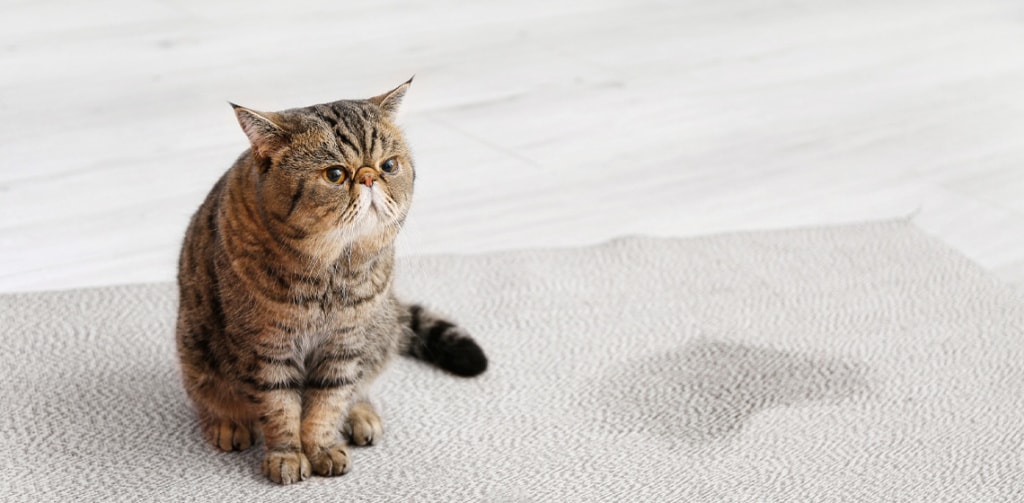
Image Source: thevets.com
Locating the Source: The First Crucial Step
Before you can eliminate the smell, you need to find where the “accident” happened. Cats often urinate in specific spots, and their urine is highly concentrated.
Identifying the Affected Area
- Visual Inspection: Look for wet spots, discoloration, or crusty residue. Check common hiding spots like under seats, in the trunk, or in the cargo area.
- Scent Clues: Follow your nose! Sometimes the strongest smell will lead you directly to the source.
- Black Light: Cat urine contains proteins that glow under a black light (UV light). This is an invaluable tool for pinpointing the exact location of even dried, invisible stains. Shine the black light in a darkened car, and the urine spots will appear as a yellowish-green glow.
Immediate Action: The Sooner, The Better
The fresher the stain, the easier it will be to remove. Acting quickly is key to preventing the urine from setting into the fabrics.
Blotting Up Excess Moisture
If the area is still wet, your first step is to absorb as much urine as possible.
- Use Absorbent Materials: Grab clean, dry cloths, paper towels, or even old rags.
- Blot, Don’t Rub: Press down firmly on the wet area to soak up the liquid. Rubbing can spread the urine further into the carpet fibers and padding, making it harder to remove.
- Repeat: Continue blotting with fresh cloths until no more moisture is being transferred.
The Power of Enzyme Cleaners: Your Best Bet for Cat Urine Odor Removal
Enzyme cleaners are the gold standard for tackling pet odors, especially cat urine. They work by breaking down the uric acid crystals in urine, which are the source of the lingering smell.
How Enzyme Cleaners Work
- Biological Breakdown: The active enzymes in these cleaners “eat” the organic matter in the urine. This process neutralizes the odor at its source, rather than just masking it.
- Targeting Uric Acid: Unlike regular cleaners that might remove the visible stain, enzyme cleaners specifically target the uric acid, preventing its reactivation when humidity changes.
Choosing the Right Enzyme Cleaner
When selecting an enzyme cleaner for pet stains, look for products specifically formulated for cat urine.
- Product Recommendations:
- Nature’s Miracle: A widely recognized and effective brand for pet stain and odor removal.
- Rocco & Roxie Supply Co. Professional Strength Stain & Odor Eliminator: Often praised for its powerful enzyme action.
- Simple Solution Cat Stain & Odor Remover: Another popular and effective choice.
- Angry Orange Pet Odor Eliminator: While not strictly an enzyme cleaner, its citrus-based formula can be very effective on odors.
Application Steps for Enzyme Cleaners
- Saturate the Area: Generously apply the enzyme cleaner to the affected area, ensuring it penetrates as deeply as the urine did. This often means soaking the carpet and padding beneath.
- Allow Dwell Time: Follow the product’s instructions for how long to let it sit. This is crucial for the enzymes to work. It can range from 10 minutes to several hours, or even overnight for stubborn odors.
- Blot and Air Dry: After the dwell time, blot up any excess moisture. Allow the area to air dry completely. Avoid using heat, as this can sometimes “bake in” any remaining odor.
- Repeat if Necessary: For deeply saturated or older stains, you may need to repeat the process multiple times.
Beyond Enzymes: Alternative and Complementary Cleaning Methods
While enzyme cleaners are highly recommended, other methods can also help, especially for residual odors or when combined with enzyme treatments.
Using Vinegar and Baking Soda
These common household items can be surprisingly effective.
Vinegar Solution
- Preparation: Mix a solution of one part white vinegar to one part water in a spray bottle.
- Application: Spray the solution liberally onto the affected area. Vinegar helps to neutralize alkaline odors.
- Drying: Blot up the excess and allow it to air dry. The vinegar smell will dissipate as it dries.
Baking Soda Application
- Sprinkle Generously: Once the area is dry from the vinegar treatment, sprinkle a thick layer of baking soda over the spot. Baking soda is a fantastic odor absorbing product for cars.
- Dwell Time: Leave the baking soda on for several hours, or preferably overnight.
- Vacuum: Thoroughly vacuum up all the baking soda.
Hydrogen Peroxide and Dish Soap (Use with Caution)
A mixture of hydrogen peroxide and a drop of dish soap can be used for tougher stains, but test this on an inconspicuous area first, as hydrogen peroxide can bleach some fabrics.
- Mixture: Combine 3% hydrogen peroxide and a small amount of dish soap.
- Application: Apply the mixture to the stain and let it sit for a few minutes.
- Blot: Blot gently with a clean cloth.
- Rinse (Lightly): You can lightly dampen a cloth with plain water to rinse the area.
- Dry: Blot dry and allow to air dry.
Dealing with Upholstery and Carpets
The materials in your car’s interior require specific care to avoid damage while cleaning.
Upholstery Cleaner for Cars
When choosing an upholstery cleaner for cars, select one that is safe for automotive fabrics.
- Read Labels Carefully: Ensure the product is suitable for your car’s upholstery type (e.g., fabric, leather, synthetic).
- Spot Test: Always test any cleaner on a hidden area of the upholstery first to check for colorfastness.
- Application: Follow the product instructions, typically involving spraying, gently agitating with a soft brush, and then blotting or vacuuming.
Steam Cleaning
A steam cleaner can be a powerful tool for deep cleaning and odor elimination.
- How it Helps: The heat from the steam can help break down urine residue and kill odor-causing bacteria.
- Enzyme Booster: You can sometimes add a small amount of enzyme cleaner to the steam cleaner’s water tank (check your machine’s manual first!).
- Technique: Move the steam cleaner slowly over the affected area, allowing the steam to penetrate. Follow up with blotting.
Tackling the Car’s Ventilation System
If the urine smell has reached the car’s HVAC system, you’ll need to address that separately.
Eliminating Odors from Air Vents
- Cabin Air Filter: The cabin air filter is a common culprit for trapping odors. Replace it with a new one. Many filters now come with activated charcoal or other odor-absorbing properties.
- Vent Cleaning Sprays: There are specialized automotive odor eliminator sprays designed to be sprayed into the air intake vents (usually located at the base of the windshield) while the car’s fan is running on high with the AC on. These sprays are designed to travel through the entire ventilation system.
- Ozone Generators (Use with Extreme Caution): Ozone generators can be very effective at neutralizing odors in a vehicle. However, they must be used with extreme caution. The car must be completely empty of people and pets, and aired out thoroughly afterward, as ozone can be harmful to breathe. This is often a job for professional car detailing for pet odors.
Natural Cat Pee Smell Remover Options
For those who prefer natural solutions, several options can help.
Essential Oils (Use Sparingly)
Certain essential oils have natural deodorizing properties.
- Tea Tree Oil: Known for its antiseptic and deodorizing qualities. Mix a few drops with water.
- Lemon or Orange Oil: Citrus oils can help mask and neutralize odors.
- Application: After cleaning the area with a primary cleaner, a very diluted spray of essential oil in water can be misted onto the cleaned fabric. Caution: Some essential oils can stain or damage car interiors, so always dilute heavily and test first.
Activated Charcoal
- How it Works: Activated charcoal is a highly porous material that adsorbs odors from the air.
- Placement: Place bowls or sachets of activated charcoal in the car, especially near the affected area and in the ventilation system, to absorb lingering smells.
Persistent Odors: When to Call the Pros
If you’ve tried multiple methods and the smell still lingers, it might be time for professional intervention.
Professional Car Detailing for Pet Odors
Professional detailers have access to specialized equipment and cleaning solutions that can tackle even the most stubborn odors.
- Equipment: They may use high-powered extractors, ozone generators, or specific car odor remover treatments.
- Expertise: Detailers know how to treat different car interior materials safely and effectively.
- Cost vs. Benefit: While more expensive, professional cleaning can save you time and frustration, and often yields superior results for severe pet odor issues.
What NOT To Do
Certain cleaning methods can actually worsen the problem or damage your car’s interior.
Avoiding Ammonia-Based Cleaners
- Why it’s Bad: Cat urine contains ammonia. Using ammonia-based cleaners can reinforce the odor, making your cat more likely to re-mark the spot.
Harsh Chemical Cleaners
- Risk of Damage: Overly strong or harsh chemical cleaners can damage upholstery, fade fabrics, or leave behind their own unpleasant residue.
Using Heat to Dry
- Setting the Stain: While you want the area to dry, using direct heat (like a hairdryer on high) can sometimes set the remaining urine proteins, making them harder to remove later. Air drying is generally best.
Prevention: Keeping Your Car Odor-Free
The best approach is always prevention.
Train Your Cat
- Litter Box Habits: Ensure your cat has a clean, accessible litter box.
- Anxiety and Stress: If your cat is having accidents, it might be due to stress or anxiety. Consult with a veterinarian or a feline behaviorist.
Use Pet Carriers Safely
- Secure Carriers: When transporting your cat, use a secure, comfortable carrier.
- Accident Preparedness: Line the carrier with absorbent pads or old towels that can be easily replaced if an accident occurs.
Summary Table of Cleaning Approaches
| Method | Best For | Pros | Cons |
|---|---|---|---|
| Enzyme Cleaners | Cat urine, all pet stains | Breaks down odor molecules, highly effective, specifically targets uric acid | Requires dwell time, may need multiple applications for severe cases |
| Vinegar & Water | Neutralizing odors, general cleaning | Natural, readily available, inexpensive | Smell can be strong initially, less effective on deep-set uric acid |
| Baking Soda | Absorbing residual odors | Natural, inexpensive, excellent odor absorber | Can leave powder residue if not vacuumed thoroughly |
| Hydrogen Peroxide Mix | Tough stains, disinfecting | Kills bacteria, can lift stains | Risk of bleaching fabric, test first, use with caution |
| Upholstery Cleaner | General car upholstery cleaning | Formulated for car interiors, can be effective on various stains | Need to choose the right product for your car’s materials |
| Steam Cleaning | Deep cleaning, sanitizing | Kills bacteria, can loosen stains, can be used with enzyme cleaners | Requires equipment, can be time-consuming |
| Vent Cleaner Sprays | Odors in HVAC system | Targets odors throughout the ventilation system | Effectiveness varies, may require repeat treatments |
| Activated Charcoal | Lingering ambient odors | Natural odor absorber, safe to leave in car | Doesn’t remove the source, passive odor absorption |
| Professional Detailing | Stubborn, widespread, or ingrained odors | High-powered equipment, expertise, guaranteed results (usually) | Most expensive option |
Frequently Asked Questions (FAQ)
Q1: How long does it take for cat urine smell to disappear from a car?
A: It depends on the severity of the stain and the cleaning methods used. With thorough cleaning using enzyme cleaners and proper drying, you can often eliminate the smell within a few days. However, for deeply saturated or older stains, it might take multiple treatments or professional help.
Q2: Can I use an air freshener to cover up the smell?
A: Air fresheners only mask the odor temporarily. They do not eliminate the source of the smell. It’s crucial to clean the urine thoroughly first.
Q3: My cat peed on the car seat. Can I remove the seat to clean it?
A: Some car seats can be removed, but this often requires specialized tools and knowledge. If you’re not comfortable removing car seats, it’s safer to clean them in place using the methods described above.
Q4: Is it safe to use bleach on cat urine in my car?
A: No, it is never recommended to use bleach on cat urine in a car or anywhere else. Bleach can react with the ammonia in urine to create toxic fumes. It can also damage and discolor car upholstery.
Q5: How do I know if the cat urine smell is completely gone?
A: The best way to tell is by scent. Air out the car and smell the cleaned areas. If you detect even a faint urine odor, especially when the humidity changes, it means some of the uric acid crystals might still be present and reactivating. In such cases, another treatment with an enzyme cleaner is recommended.
Dealing with cat urine in your car is a frustrating experience, but by following these detailed steps, you can effectively remove the odor and restore your vehicle to a fresh, clean state. Remember to be thorough, patient, and always test cleaning products in an inconspicuous area first to protect your car’s interior.