
Can you train a cat to catch mice? Yes, you can encourage and nurture a cat’s natural hunting instincts to improve their mouse-catching abilities, although some cats are naturally better hunters than others. This guide provides expert advice on how to foster these skills.
Cats are natural hunters. This instinct is deeply ingrained in their DNA, a remnant of their wild ancestors who relied on hunting small prey to survive. While our modern, pampered pets might not need to hunt for food, their cat prey drive remains strong. This inherent drive is what we harness when we talk about training a cat to catch mice. Whether you have a curious domestic cat pest control expert in the making or are wondering about feral cat mouse hunting, the principles are similar: nurture instinct, provide opportunity, and ensure safety.
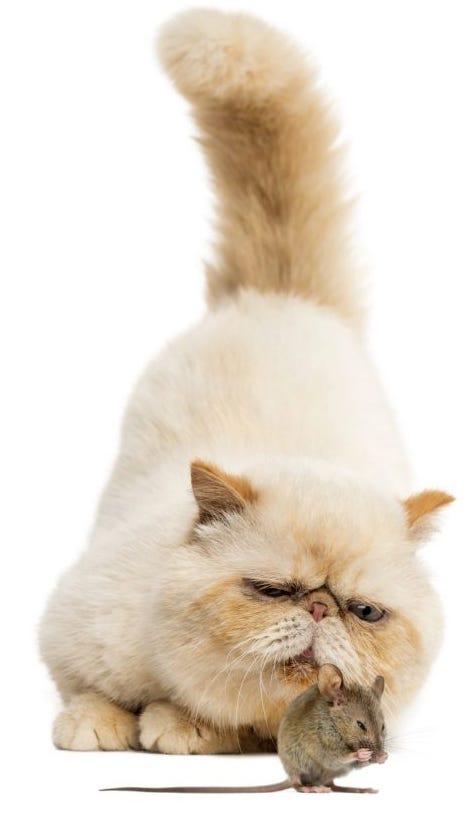
Image Source: www.victorpest.com
Deciphering Your Cat’s Hunting Instincts
Your feline friend’s hunting behavior is a complex interplay of genetics, environment, and early life experiences. It’s not just about hunger; it’s about mental stimulation, physical exercise, and the sheer joy of the chase. Even if your goal is indoor cat mouse control, understanding these instinctual cat behaviors is the first step.
The Anatomy of a Hunt
A cat’s hunting sequence typically involves:
- Stalking: Moving slowly and stealthily, using cover and body posture to remain unseen.
- Chasing: A sudden burst of speed to close the distance on prey.
- Pouncing: A quick, agile leap to capture the prey.
- Killing: A swift bite to the neck or spine.
- Playing/Consuming: Often followed by a period of playing with the captured prey, or consuming it.
These behaviors are triggered by movement, sound, and scent, all of which signal potential prey.
Nurturing the Inner Hunter: From Kittenhood Onwards
The best time to start encouraging hunting skills is when a kitten is young. However, adult cats can also benefit from these techniques. It’s about providing the right stimuli and opportunities.
Teaching Kitten to Hunt: Early Foundations
- Early Playtime: Kittens learn through play. Toys that mimic prey – such as feather wands, laser pointers (used cautiously), and small, crinkly balls – are essential. The key is to make the toys move erratically and unpredictably, just like real prey.
- Mimicking Prey Movement: Drag toys along the floor, hide them behind furniture, and allow the kitten to “catch” them periodically. This teaches them the chase-and-capture sequence.
- Varying Toys: Keep playtime engaging by rotating toys. Different textures, sizes, and sounds will keep their interest piqued.
- Gentle Introduction to “Prey”: Once a kitten is showing good pouncing and batting skills, you can introduce very small, inanimate objects that they can “capture” and hold.
Encouraging Hunting Skills in Adult Cats
- Interactive Play Sessions: Schedule at least two 10-15 minute play sessions daily. These sessions should mimic hunting. Use toys that allow you to control the movement, making it feel like a real chase.
- “Hunt, Catch, Reward” Cycle: Allow your cat to successfully “catch” the toy at the end of a play session. Follow this with a small treat or praise to reinforce the behavior. This positive reinforcement helps them associate the hunt with a successful outcome.
- Puzzle Feeders: For cats that are more food-motivated, puzzle feeders can be excellent for simulating the effort required to obtain food. These feeders require the cat to “work” for their kibble, engaging their problem-solving and hunting instincts.
- Environmental Enrichment: Even for indoor cats, creating an environment that stimulates their natural behaviors is crucial. Cat trees, scratching posts, and access to windows for bird watching can satisfy their need for stimulation.
Providing Opportunities for Real-World Hunting
While toy play is vital, for cats that are allowed outdoors, or if you have a mouse problem, providing safe and controlled opportunities for real hunting can be beneficial.
Indoor Cat Mouse Control: The Safe Approach
If you have a mouse problem indoors, your cat might naturally take up the challenge. However, direct interaction with wild rodents can be dangerous for your cat.
- “Safe” Prey Introductions: For cats that have shown a strong prey drive, you can sometimes introduce a live, but harmless, prey animal like a feeder mouse in a controlled environment. This is a delicate process and should only be done with extreme caution. The goal is to allow the cat to practice their hunting skills in a way that is safe for both the cat and the “prey.”
- Supervised Outdoor Time: If your cat is allowed outdoors, ensure they are healthy, vaccinated, and on a flea and tick preventative. Outdoor time allows them to engage with their natural environment and potential prey.
- Catch and Release (with Caution): If your cat brings you a mouse, it’s a sign they are a capable hunter. However, consuming a wild rodent can expose your cat to parasites or poisons. It’s often best to allow them to “catch” it, but then discreetly remove it and dispose of it safely, or if possible, release it outdoors if it’s unharmed and you’re comfortable doing so.
Feral Cat Mouse Hunting: Natural Talent
Feral cats are often highly proficient mouse hunters out of necessity. Their lives depend on their ability to secure food.
- Observation: Observe feral cats in their environment. Their natural hunting behaviors are a testament to their innate skills.
- Support, Not Training: For feral cats, the focus is usually on providing resources like shelter and food, rather than direct training. Their hunting prowess is already established. If you’re trying to manage a rodent problem using feral cats, ensure they have a safe territory and a reliable food source, which can encourage them to stay and patrol your property.
Safe Mouse Catching Methods and Considerations
When encouraging your cat to hunt, safety for both the cat and the household is paramount.
Ensuring a Safe Hunting Experience
- Pest Control Integration: If you’re using your cat as a form of domestic cat pest control, understand their limitations. Cats are most effective against smaller prey. For larger infestations, professional pest control might still be necessary.
- Avoiding Poisons: Never use rodenticides if you have cats that hunt or may interact with rodents. A cat that consumes a poisoned rodent can suffer secondary poisoning, which can be fatal. This is a critical point for anyone considering indoor cat mouse control.
- Parasite Prevention: Regular deworming and flea/tick treatments are crucial, especially for cats that have access to the outdoors or have successfully hunted. Wild rodents can carry tapeworms and other parasites.
- Vaccinations: Ensure your cat is up-to-date on vaccinations, particularly for diseases like rabies, which can be transmitted by rodents.
Natural Pest Deterrents: A Complementary Approach
While your cat can be a great ally, they aren’t the only natural pest deterrents.
- Environmental Control: Keep your home clean and free of food sources for rodents. Store food in airtight containers. Seal up any holes or entry points where rodents can get in.
- Companion Animals: Some people find that the presence of dogs can deter rodents, though this is less reliable than eliminating their food and shelter.
- Predator Scents: Some anecdotal evidence suggests that the scent of predators like foxes or owls can deter rodents, but this is not a guaranteed method.
Evaluating Your Cat’s Hunting Prowess
Not all cats are born hunters, and not all cats will be successful mouse catchers, even with encouragement.
What Makes a Good Hunter?
- Breed Predispositions: While any cat can hunt, breeds like the Egyptian Mau, Siamese, and Norwegian Forest Cat are often noted for their agility and hunting instincts. However, individual personality and upbringing play a much larger role.
- Individual Temperament: Some cats are naturally more bold, curious, and energetic, qualities that lend themselves well to hunting. Others are more laid-back and less inclined.
- Age and Health: Kittens develop hunting skills through play, but young adult cats are typically at their peak. Older cats or those with health issues may have reduced hunting ability.
- Resource Availability: A well-fed cat might hunt for sport or instinct, but a hungry cat will be more driven. However, it’s crucial never to starve a cat to encourage hunting.
Common Challenges in Encouraging Hunting
- Indifference: Some cats simply show little interest in hunting, preferring to lounge or engage in other activities.
- Fear: A cat that is easily startled or fearful might not be suited to hunting situations.
- Over-Reliance on Humans: Cats that have always been fed and cared for by humans may not develop strong independent hunting skills.
- “Killing” vs. “Catching”: Some cats are great at chasing and batting but may not have the instinct to “kill” their prey efficiently.
Frequently Asked Questions (FAQ)
Q1: Will my indoor cat ever catch a mouse if I don’t train it?
A: Yes, it’s possible. If a mouse enters your home and your indoor cat has a strong prey drive, they might instinctively try to catch it, even without specific training. However, consistent playtime that mimics hunting will significantly increase the likelihood and their skill.
Q2: Is it cruel to encourage my cat to hunt?
A: No, encouraging natural behaviors like hunting, when done safely and responsibly, is generally not considered cruel. It provides mental and physical stimulation that is beneficial for a cat’s well-being. The key is to ensure the process is safe and doesn’t lead to unnecessary harm or stress for the cat.
Q3: My cat brings me dead mice. Should I praise them?
A: Yes, you can acknowledge their “gift” with a calm, positive tone. However, it’s important to then safely dispose of the mouse. You can also offer them a small treat or engage in a brief play session as a reward for their hunting efforts.
Q4: What if my cat is afraid of mice?
A: If your cat shows fear rather than predatory interest, forcing them into hunting situations is not recommended. Focus on building their confidence through play with toys and positive reinforcement for assertive behaviors in other contexts. Some cats are simply not hunters, and that’s perfectly fine.
Q5: How can I safely introduce my cat to a mouse if I want them to catch it?
A: This is a complex process. If you are considering introducing a live prey animal for training purposes, it’s highly recommended to consult with a professional animal behaviorist. The environment must be controlled, the animal must be healthy, and the cat must be showing clear signs of predatory interest. Never use a distressed or unhealthy animal. For most households, focusing on toy-based play is a safer and more effective way to foster hunting skills.
Conclusion
Training a cat to catch mice is less about teaching them a new skill and more about nurturing and refining their inherent predatory instincts. By providing engaging play, appropriate stimuli, and a safe environment, you can encourage your feline companion to embrace their inner hunter, potentially offering a natural form of domestic cat pest control. Remember, the well-being and safety of your cat, and any small creatures involved, should always be the top priority. Whether you’re dealing with a rodent issue or simply want to enrich your cat’s life, embracing their natural cat prey drive can be a rewarding experience.